

Oregon
Oregon invites travelers to experience landscapes and stories that shift dramatically from one region to the next. In the south, Crater Lake National Park holds the title of deepest lake in the U.S., formed inside the remains of an ancient volcano. With its intense blue color and dramatic cliffs, the lake draws visitors year-round for hiking, snowshoeing, or simply standing in awe.
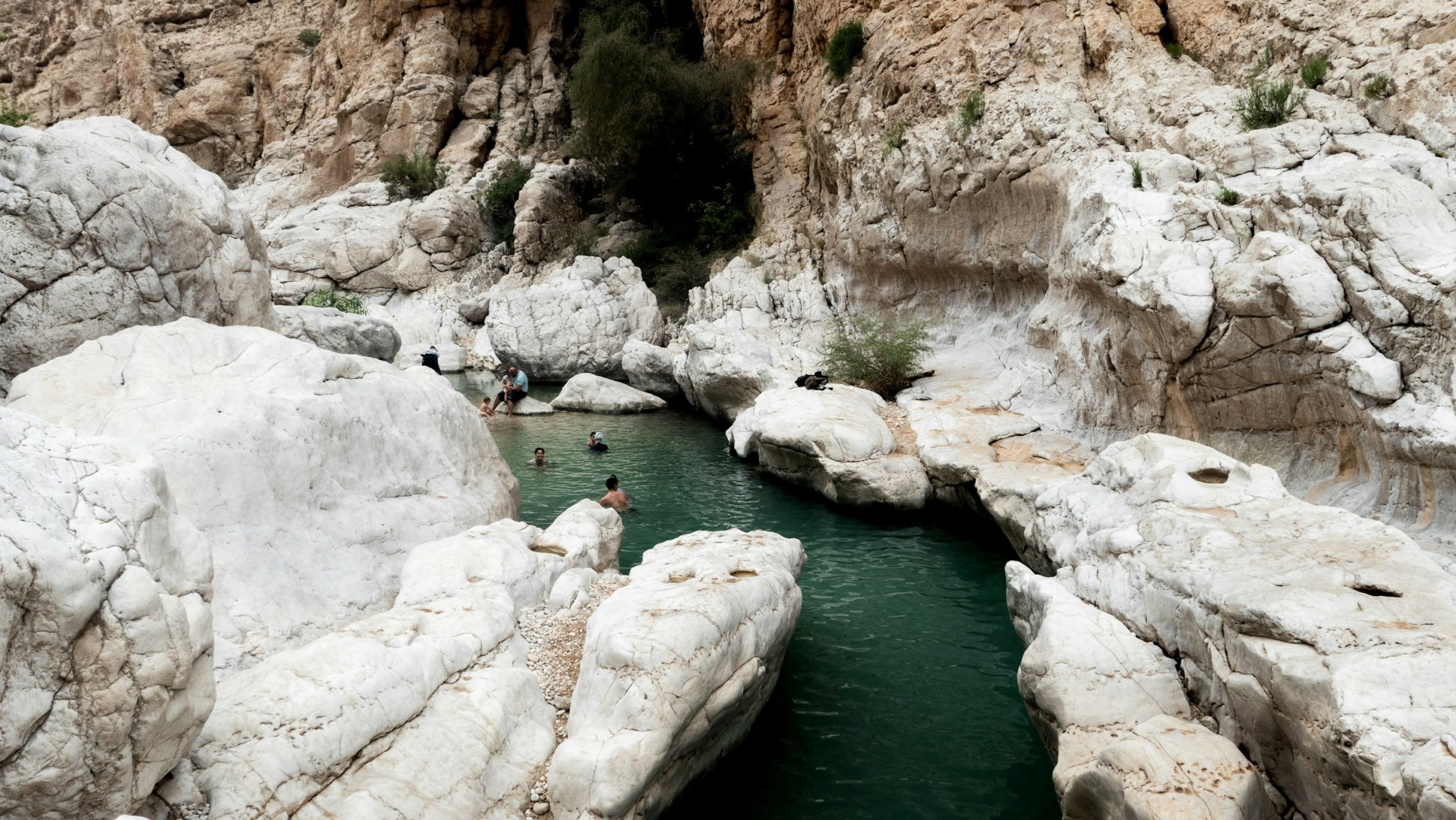
Wadi Bani Khalid
Wadi Bani Khalid is a major valley in Oman's Al Sharqiyah North Governorate, extending from the Hajar Mountains toward the desert landscapes of the Sharqiyah Sands. It is known for its year-round watercourses, pools, rocky gorges, and clusters of date palms. Unlike many wadis that can become dry, Wadi Bani Khalid retains flowing water in parts of its upper valley, creating a green contrast with the surrounding arid terrain.

Cork
The Irish Republic's second largest city is a surprisingly appealing place - you'll find time passes effortlessly during the day, and by night the pub scene is lively. The town center is uniquely situated on an island between two channels of the Lee River.
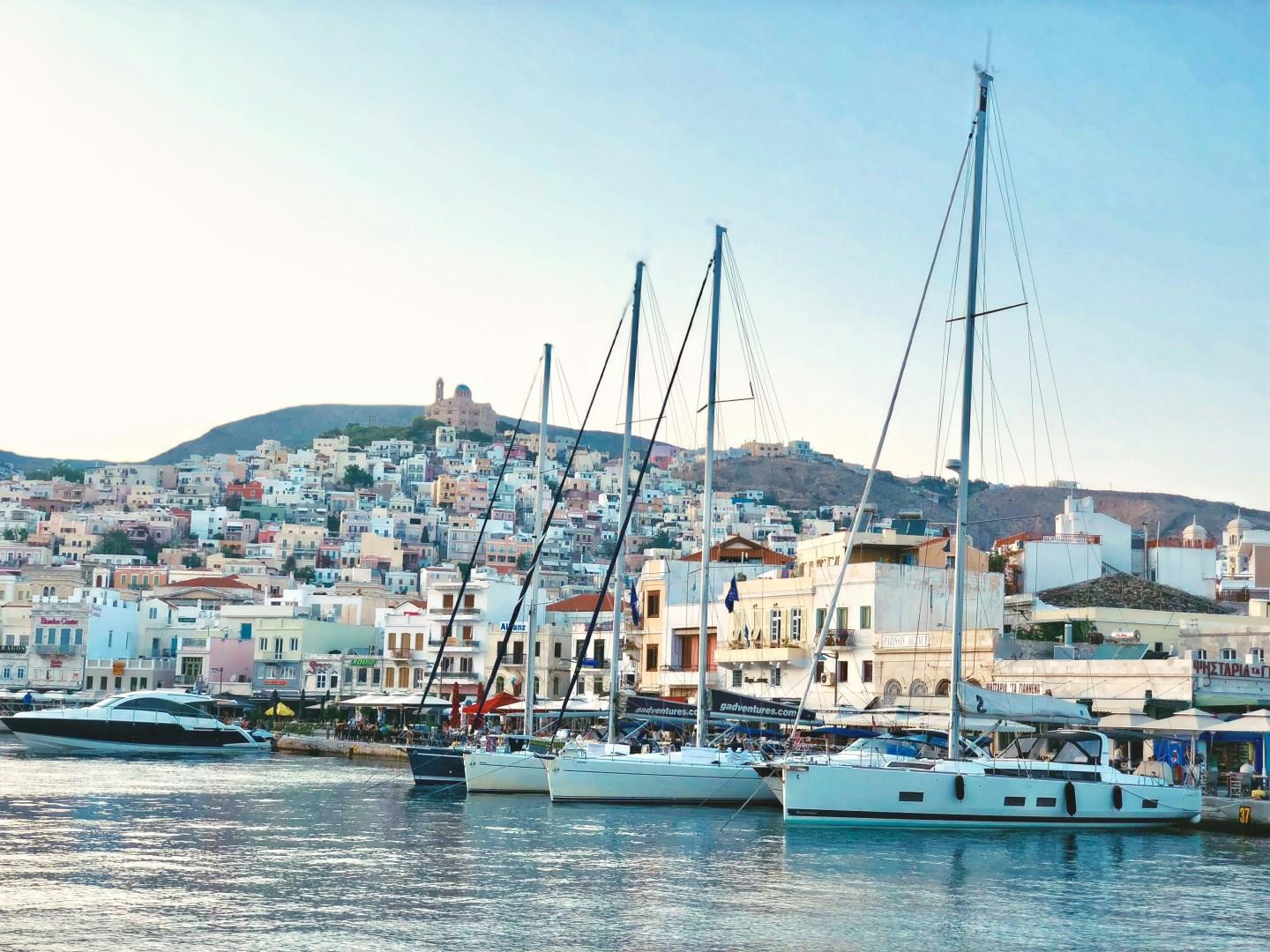
Syros
Syros, the capital of the Cyclades, stands apart from its island neighbors with its blend of neoclassical architecture, Orthodox and Catholic traditions, and year-round local life. Ermoupoli, the main town, was once a thriving 19th-century port and still displays its legacy through grand mansions, marble-paved squares, and the imposing Apollo Theater which was designed by an Italian architect and often referred to as a miniature La Scala.
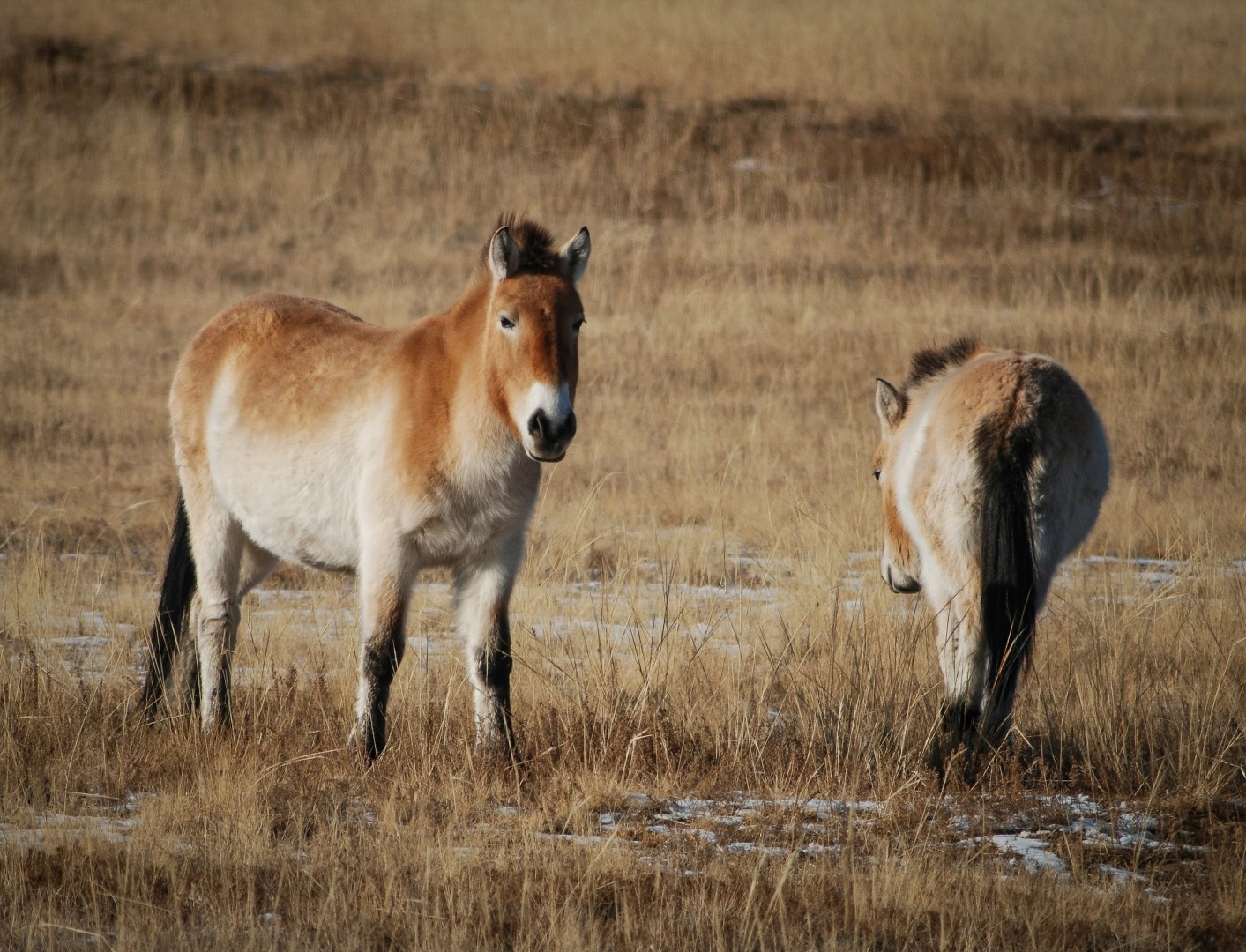
Hustai National Park
Hustai National Park is a protected grassland reserve in central Mongolia, located west of Ulaanbaatar in an area of rolling степpe, forested hills, and river valleys. The park is best known for the reintroduction of the Przewalski’s horse, known locally as takhi, a wild horse species that had disappeared from Mongolia before conservation programs returned it to the region.
