

Montréal
Montréal is a city shaped by layers of French and British history, with modern flair built into every corner. Founded in 1642 as Ville-Marie, it’s one of the oldest cities in North America. Visitors walking through Old Montréal will find cobblestone streets, 18th-century buildings, and landmarks like the Notre-Dame Basilica, known for its deep blue interior and grand organ with over 7,000 pipes.
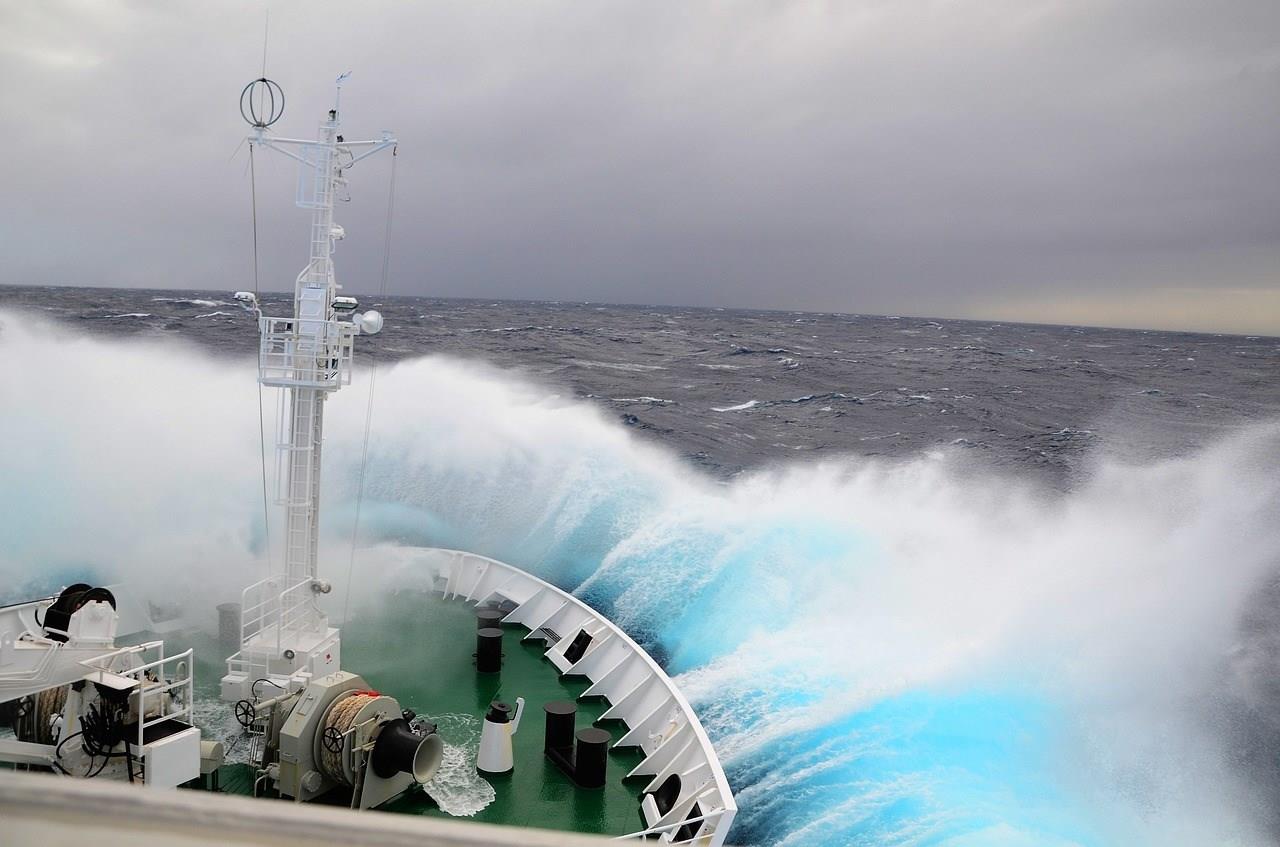
Drake Passage
Drake Passage is a stretch of ocean between Cape Horn at the southern tip of South America and the South Shetland Islands near Antarctica. It connects the Atlantic and Pacific Oceans and is widely known for rough seas, powerful currents, and rapidly changing weather.

Lombok
Lombok offers an experience that blends adventure, relaxation, and cultural discovery. Whether trekking volcanic peaks, lounging on secluded shores, or immersing in local traditions, visitors will find a destination that remains true to its natural and cultural roots.

Warsaw
Warsaw stands as one of Europe’s most resilient cities, having rebuilt itself almost entirely after World War II. The Old Town, meticulously reconstructed using paintings by Italian artist Bernardo Bellotto, feels centuries old but is, in fact, less than a hundred years in its current form. Behind the medieval facades lie stories of uprisings, resistance, and quiet defiance. Visitors walking through Castle Square can enter the Royal Castle, where Poland’s Constitution of May 3, 1791 was adopted.
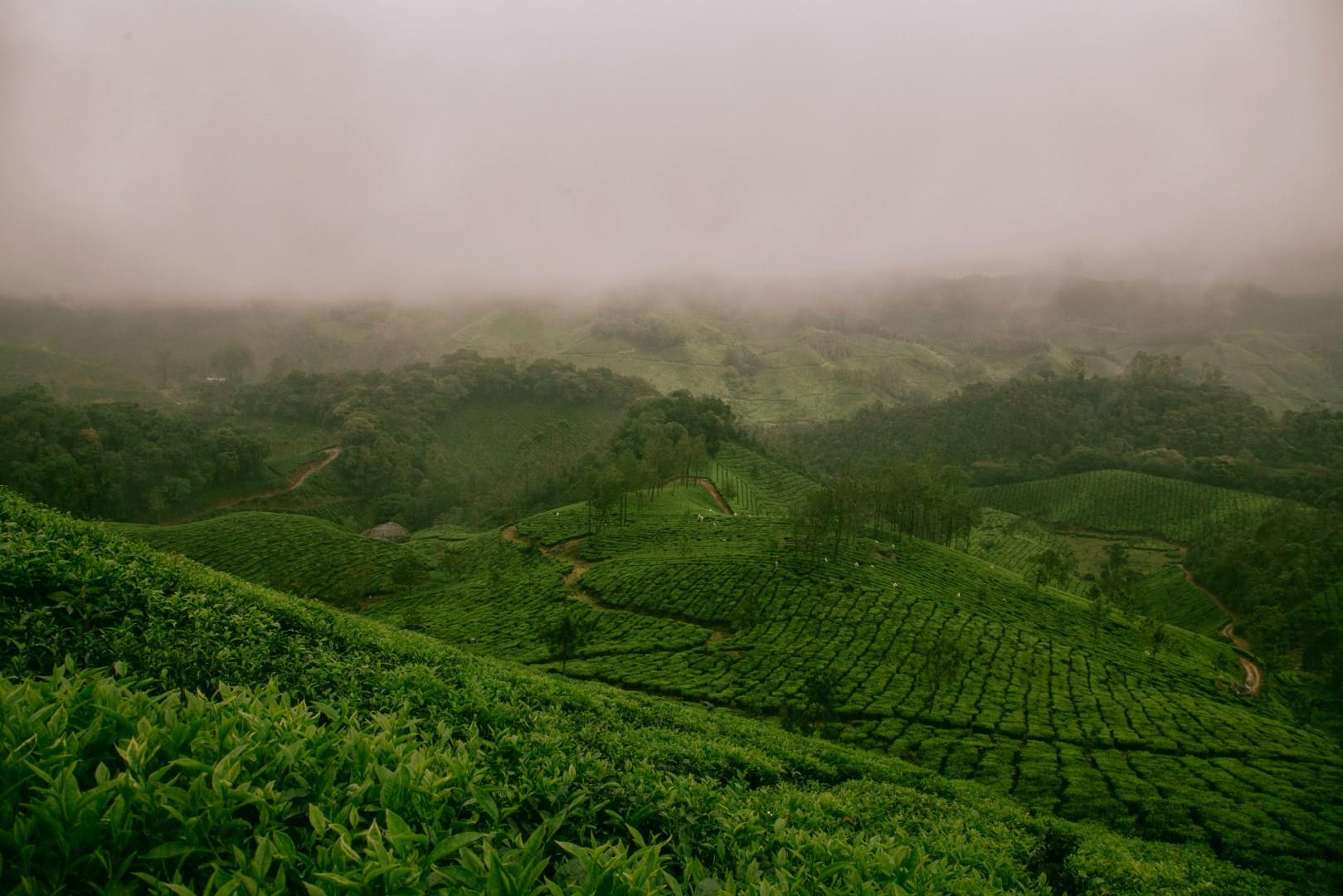
Munnar
Munnar, located in the Western Ghats of Kerala, India, sits at around 1,600 meters above sea level and was once the summer resort of British colonial officers. Today, it’s known for its vast tea plantations, many of which date back to the 19th century. Visitors can walk through estates like Kolukkumalai, the highest tea plantation in the world, where traditional methods are still used to process leaves by hand.
