
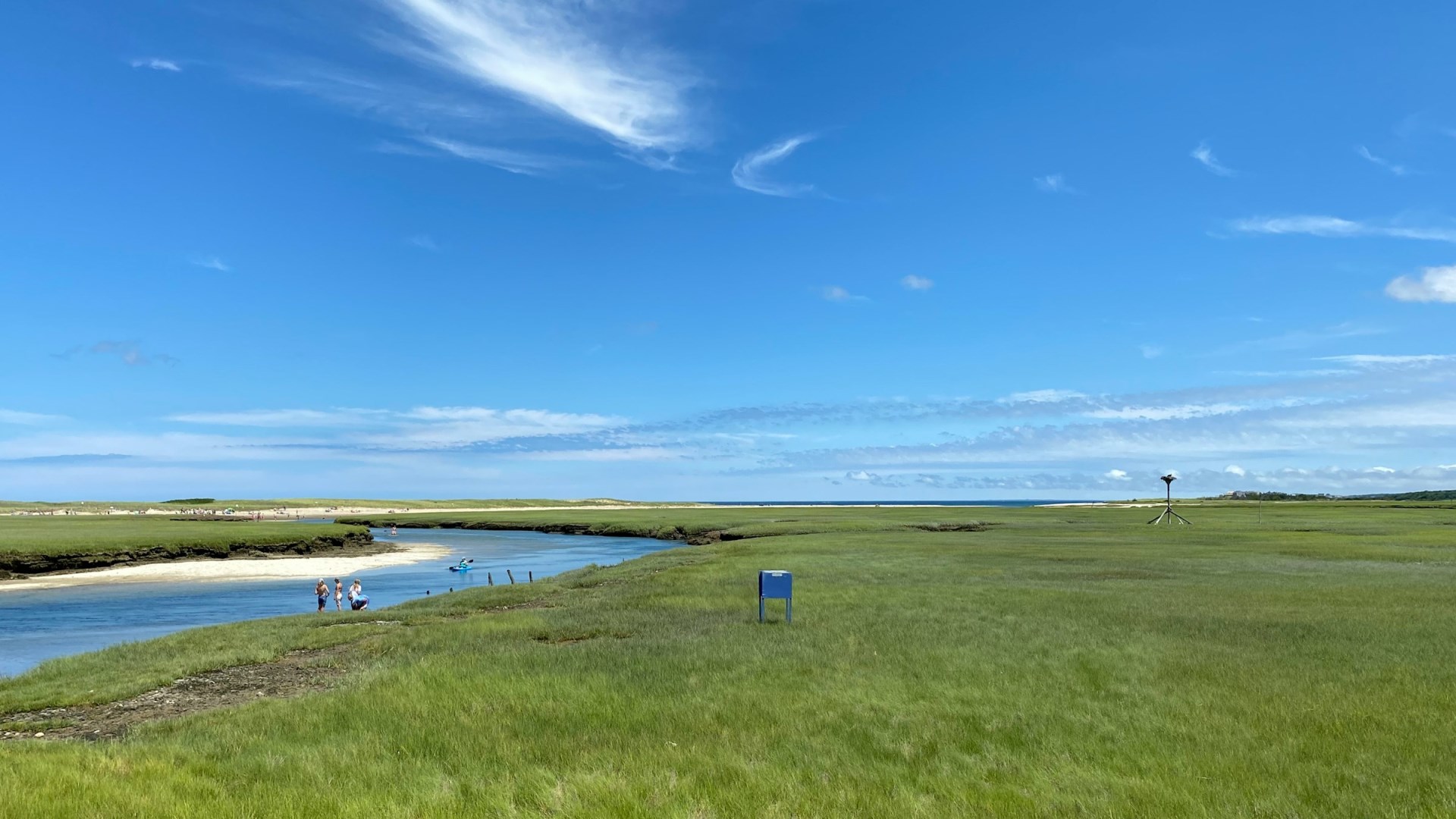
Sandwich
Sandwich, Massachusetts, occupies the Upper Cape near the eastern end of the Cape Cod Canal and is recognized as the oldest town on Cape Cod. Its historic center combines colonial-era homes, a village common, small shops, galleries, and landmarks around Shawme Pond. The town extends from inland woodlands and freshwater ponds to salt marshes and Cape Cod Bay, giving it a varied coastal landscape.
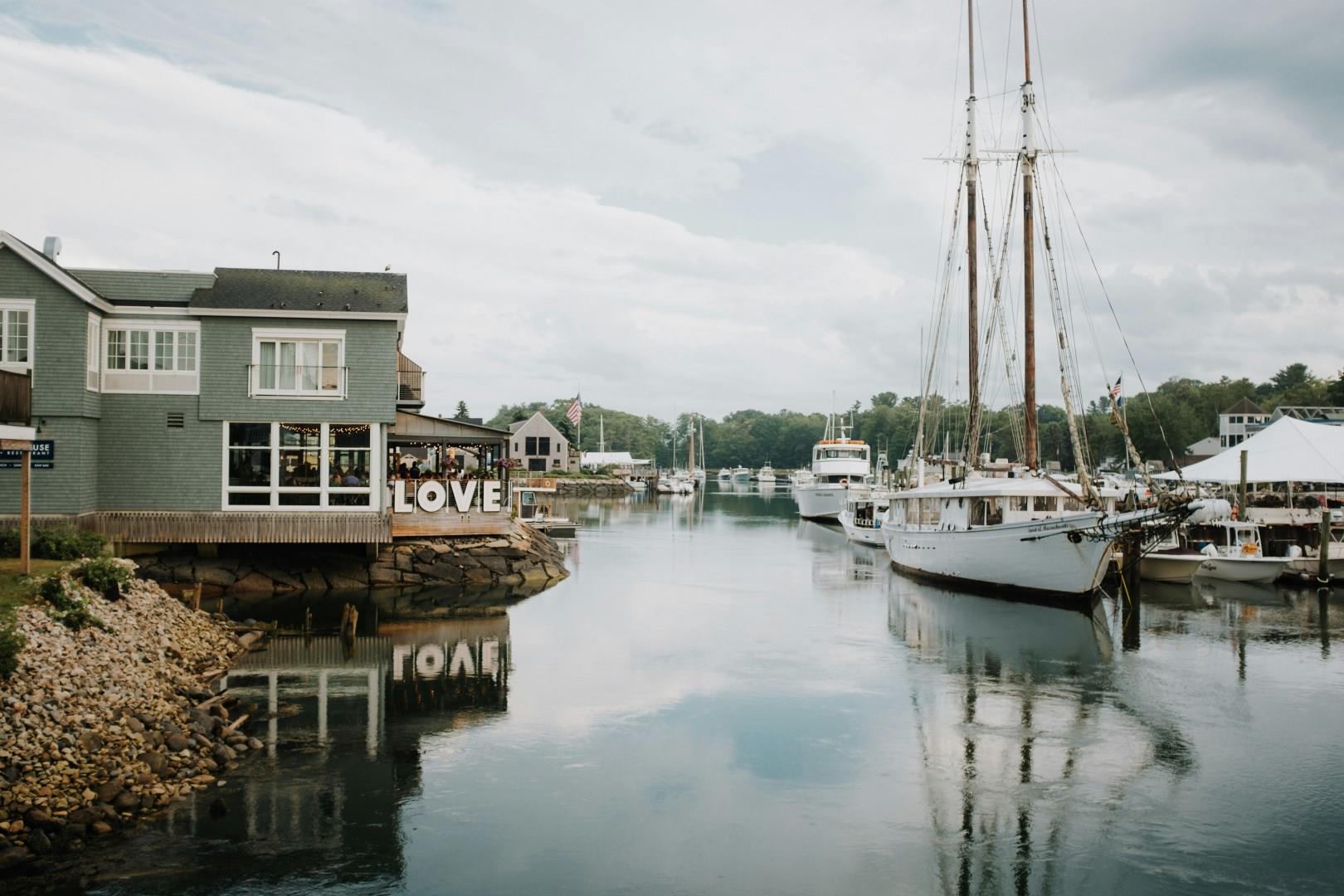
Kennebunkport
Kennebunkport is a small coastal town with a long maritime history and a character all its own. Originally settled in the 1600s, it grew as a shipbuilding center before becoming a quiet summer escape. Today, its working waterfront meets charming streets lined with boutiques, historic homes, and small galleries. Dock Square, the town’s walkable heart, is where visitors can browse local crafts, sample Maine-made ice cream, or pick up a hand-carved wooden buoy as a souvenir.
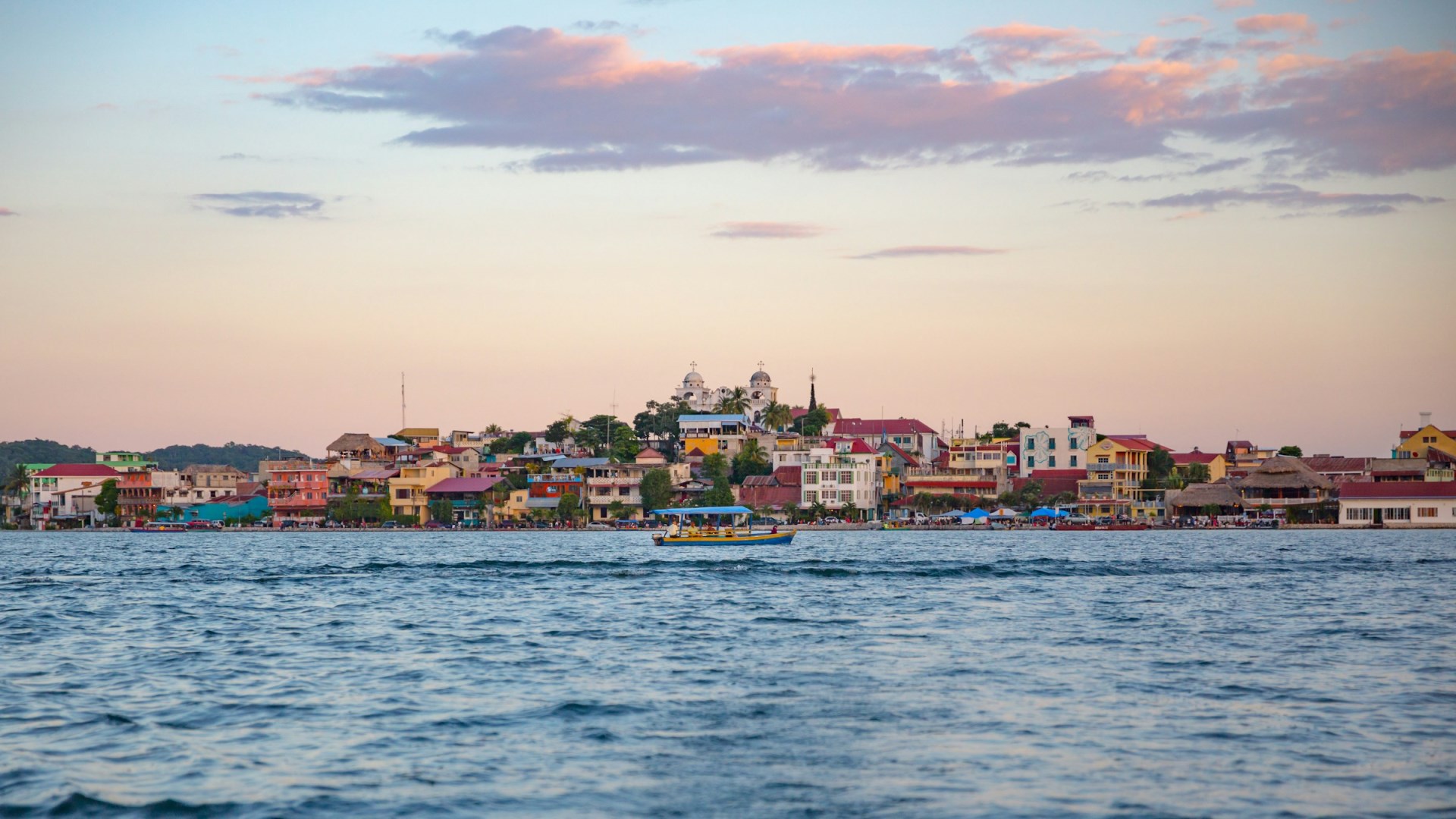
Island of Flores
This charming island town acts as a gateway to the ancient Mayan ruins of Tikal National Park. Known for its brilliantly colored buildings, visitors can spend numerous hours relaxing in restaurants, cafes, and pubs, savoring the flavors of Mayan and Spanish-influenced dishes. Surrounded by Lake Peten Itza and vibrant rainforest, water sports and nature ventures are a must!

Ashgabat
Ashgabat (formerly Ashkhabad) is the capital and the largest city of Turkmenistan. In Persian, the name means "city of love." Notable attractions include the Karakum Canal, the Trans-Caspian railway, and numerous monuments and museums to explore.

Hoonah
Hoonah, located on Chichagof Island in southeastern Alaska, is a small coastal community surrounded by breathtaking wilderness and rich Tlingit heritage. As Alaska’s largest Tlingit village, Hoonah is deeply connected to Indigenous traditions, storytelling, and respect for the natural world.
