

Vancouver Island
Vancouver Island, British Columbia, is a nature lover's paradise, offering a diverse landscape that ranges from rugged coastlines to lush rainforests. The island’s stunning natural beauty is best explored through its extensive network of parks and outdoor spaces, such as the iconic Pacific Rim National Park Reserve and Strathcona Provincial Park, British Columbia’s oldest provincial park.
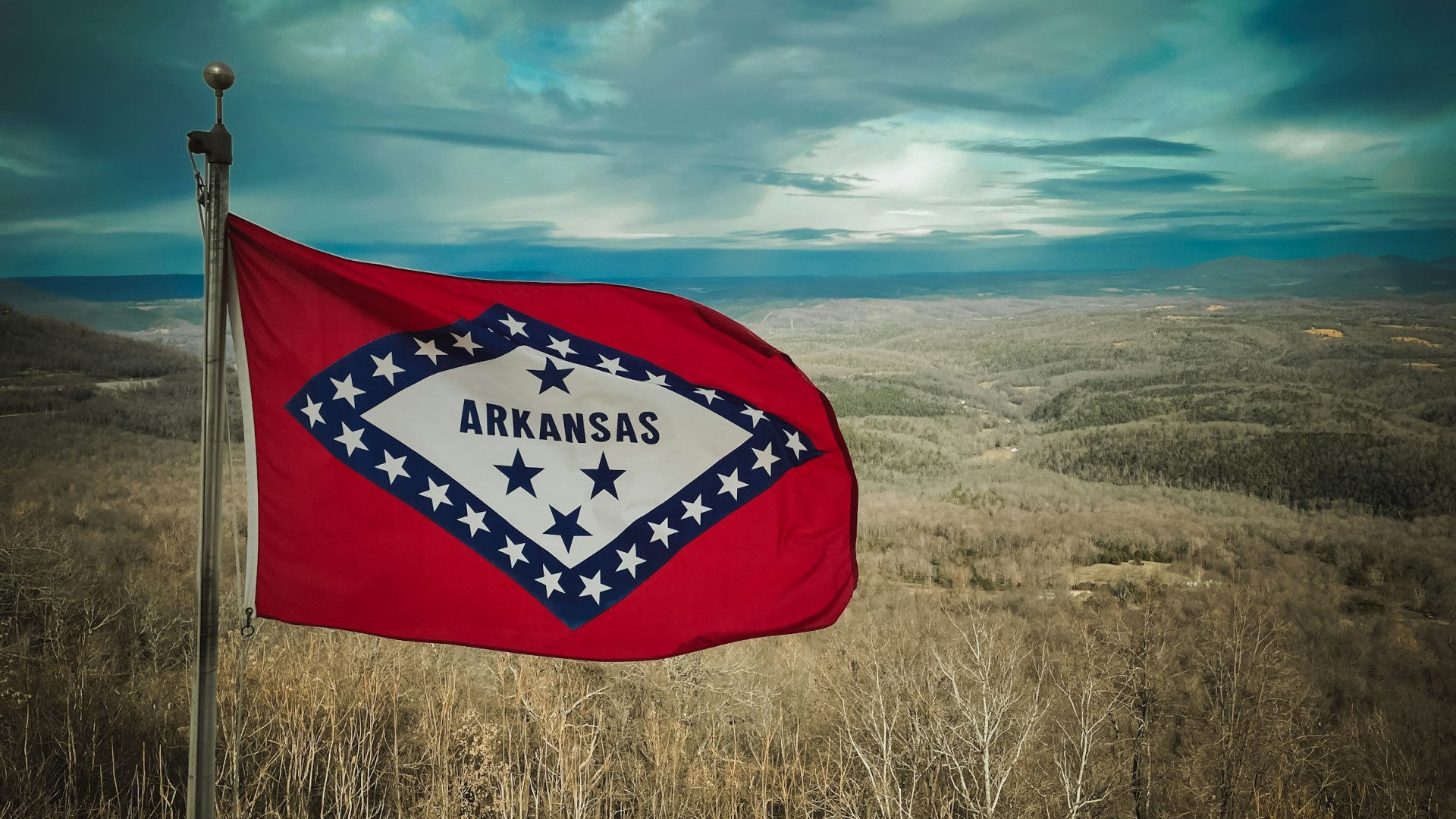
Arkansas
Arkansas is often called “The Natural State,” and for good reason as it’s home to more than 600,000 acres of lakes and 9,700 miles of rivers and streams. From the Ozark Mountains in the north to the Delta plains in the east, the state’s landscapes offer a wide range of backdrops for hiking, paddling, or simply taking in the view.
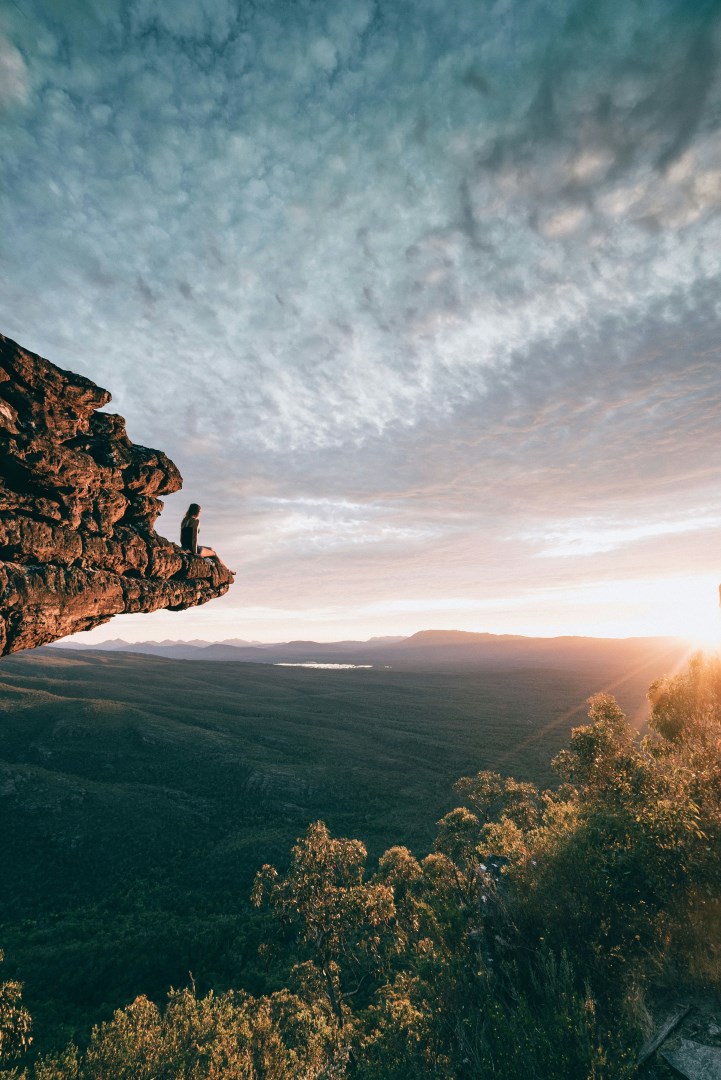
Grampians National Park
Grampians National Park, known as Gariwerd by the Traditional Owners, is a mountainous landscape in western Victoria defined by sandstone ranges, rocky escarpments, forests, waterfalls, and broad valleys. The park forms part of the Grampians-Gariwerd region and contains some of Victoria’s most extensive areas of protected native habitat.
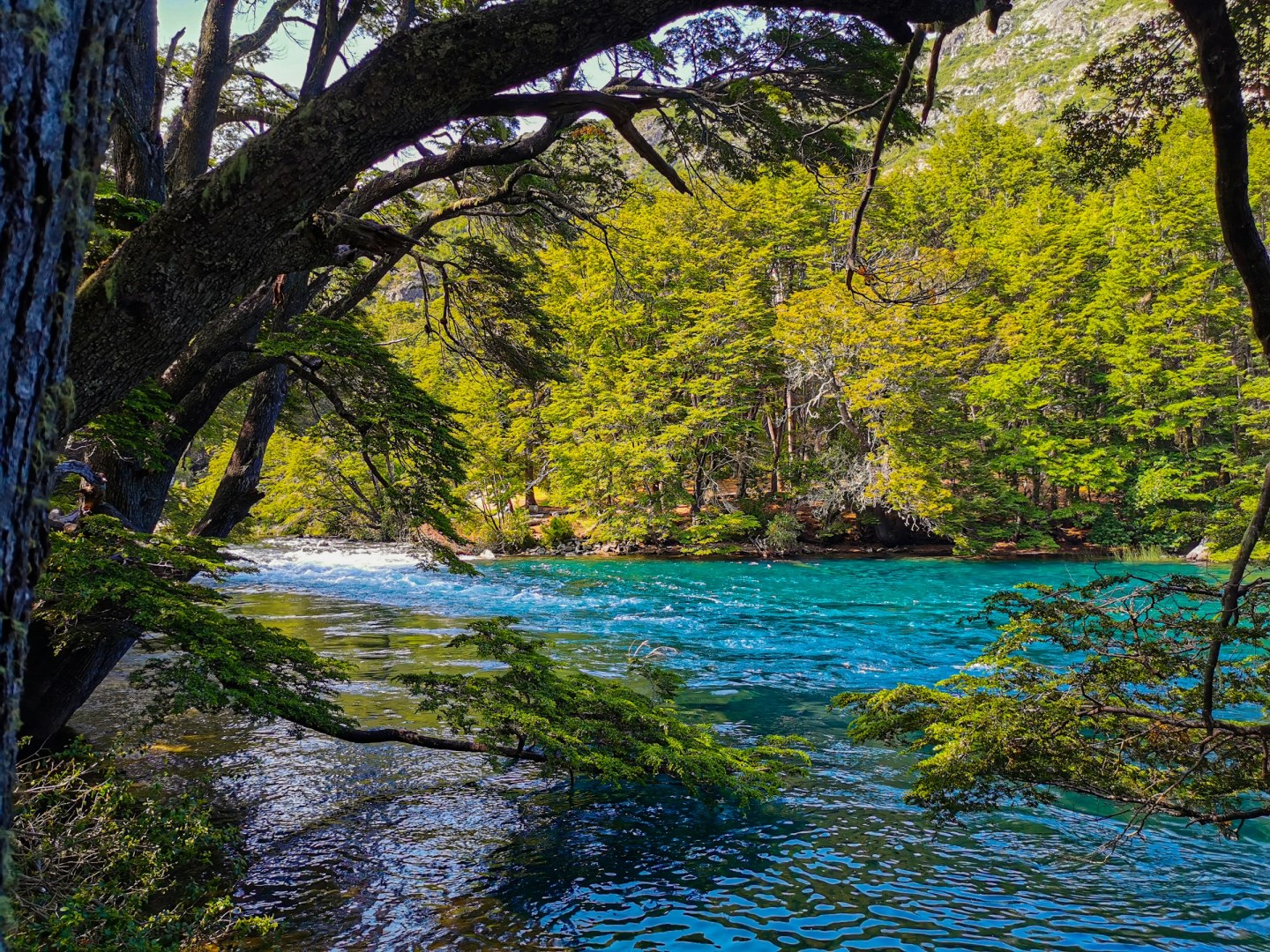
Villa Llao Llao
Villa Llao Llao is a scenic area within the municipality of San Carlos de Bariloche in Argentina’s Río Negro Province, set on a narrow peninsula between Lake Moreno and Lake Nahuel Huapi. The area forms part of the wider Nahuel Huapi National Park and is surrounded by forests, mountains, and clear glacial lakes.
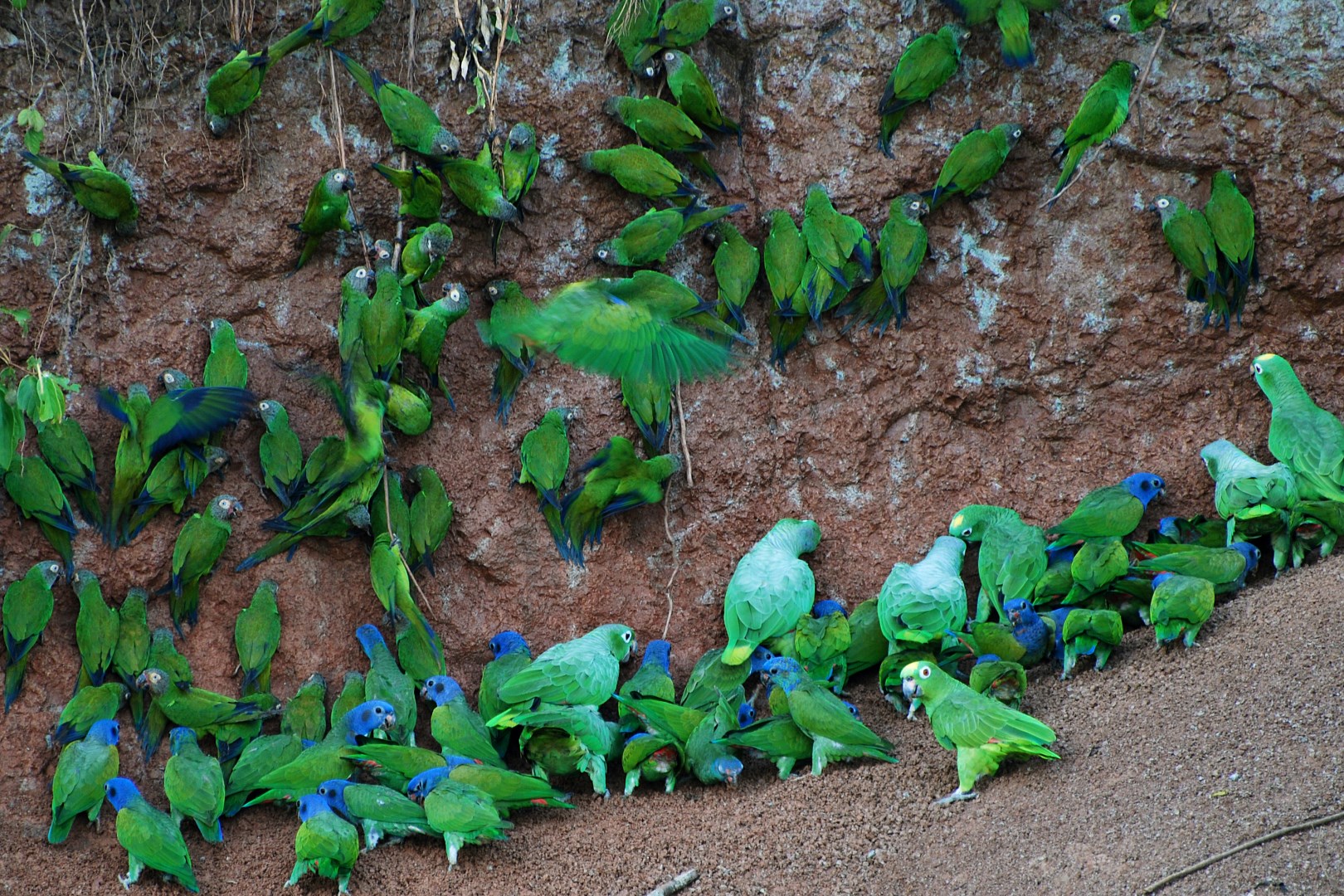
Yasuni National Park
Yasuní National Park lies in Ecuador’s Amazon region, between the Napo and Curaray rivers, and protects one of the country’s largest areas of lowland rainforest. The park contains dense tropical forest, rivers, lagoons, swamps, and seasonally flooded areas, creating a wide range of habitats. Its location near the equator and its varied terrain support exceptionally high biological diversity.
