

Port-au-Prince
Port-au-Prince in Southwest Haiti is the capital. The country's largest city, commercial center, and chief seaport, it is laid out like an amphitheater around a bay. Founded in 1749 by French sugar planters, it became the colonial capital in 1770, replacing Cap-Haïtien.
St. Helena
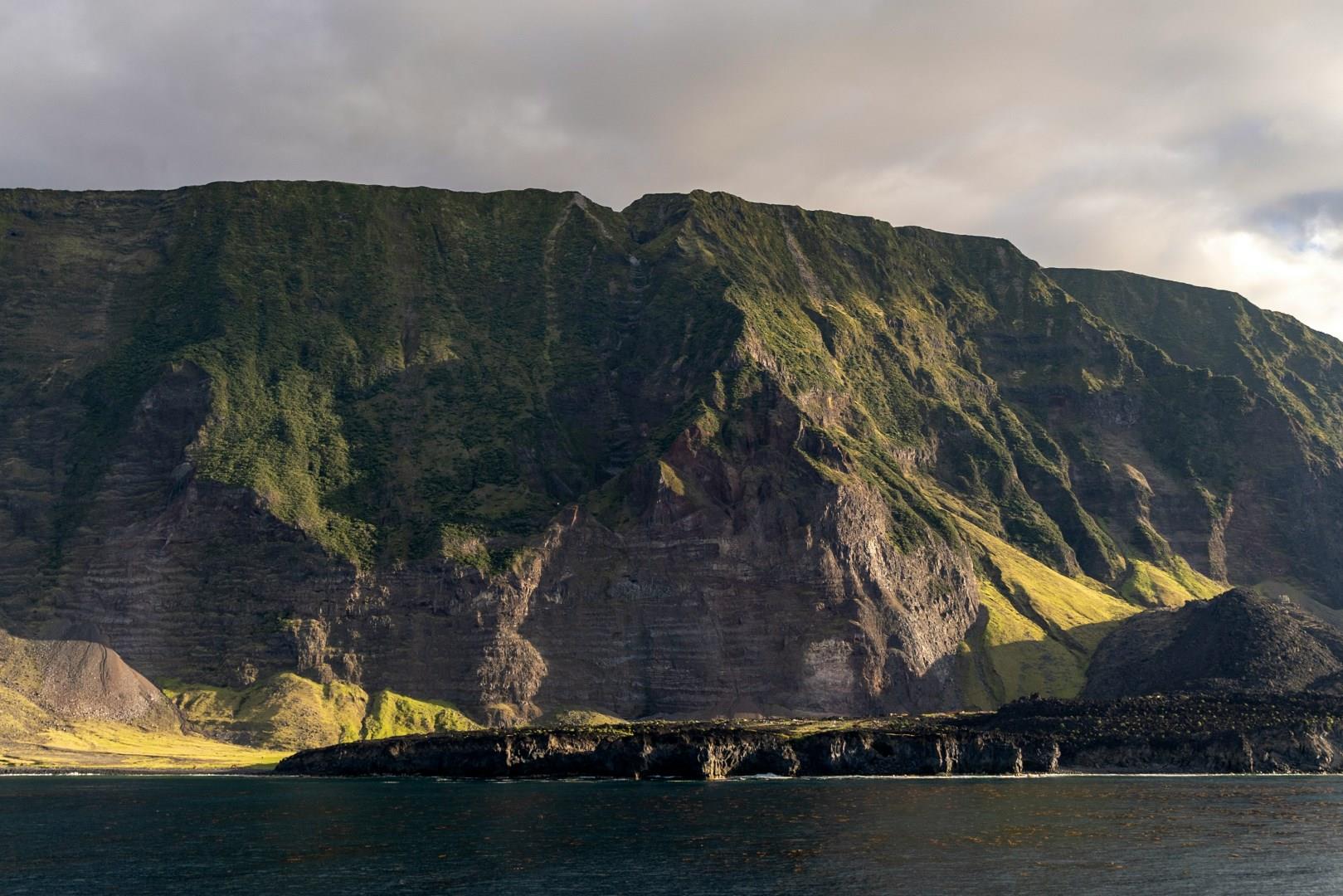
St. Helena is a remote island in the South Atlantic Ocean, known for its dramatic cliffs, volcanic landscapes, and rich history. It is most famous as the place where Napoleon Bonaparte spent his final years in exile, and visitors can explore Longwood House and other historic sites that tell the story of this period.

Ishasha
Ishasha, a hidden gem in southwestern Uganda, offers travelers a serene yet thrilling experience within Queen Elizabeth National Park. Known for its famous tree-climbing lions, this remote section of the park attracts wildlife enthusiasts eager to witness these majestic creatures lounging in the branches of fig and acacia trees. The landscape of Ishasha is stunning, with vast savannahs stretching out towards the horizon, dotted with rivers that attract herds of elephants, buffalo, and antelopes.
Wismar
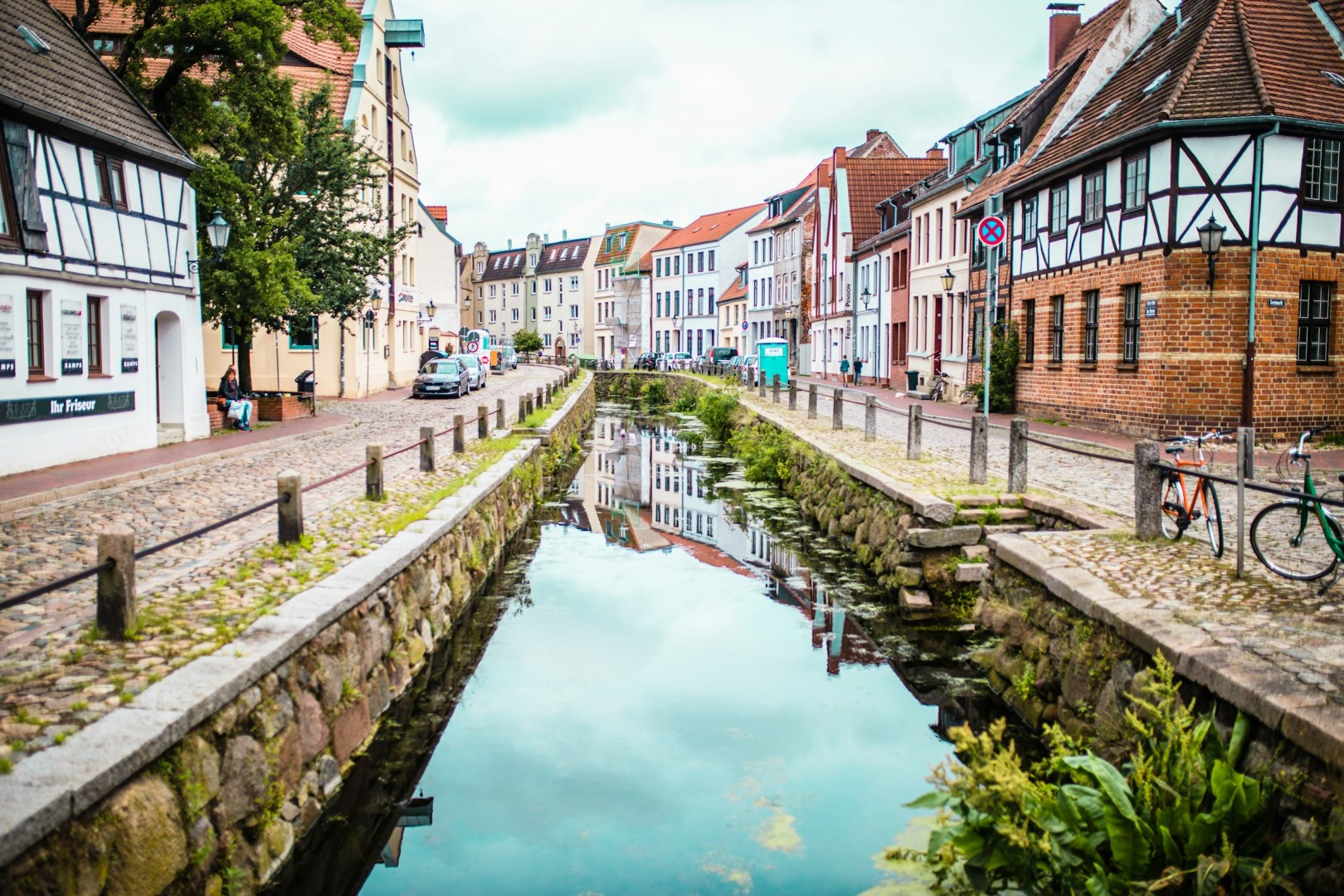
Wismar is a historic port city on Germany’s Baltic coast in the state of Mecklenburg-Western Pomerania. Its old town is known for a remarkably well-preserved medieval street plan, large brick churches, merchant houses, and a harbor connected to the Baltic Sea. The city’s architecture reflects its former importance within the Hanseatic trading network, while the waterfront continues to support maritime activity.
Yantai
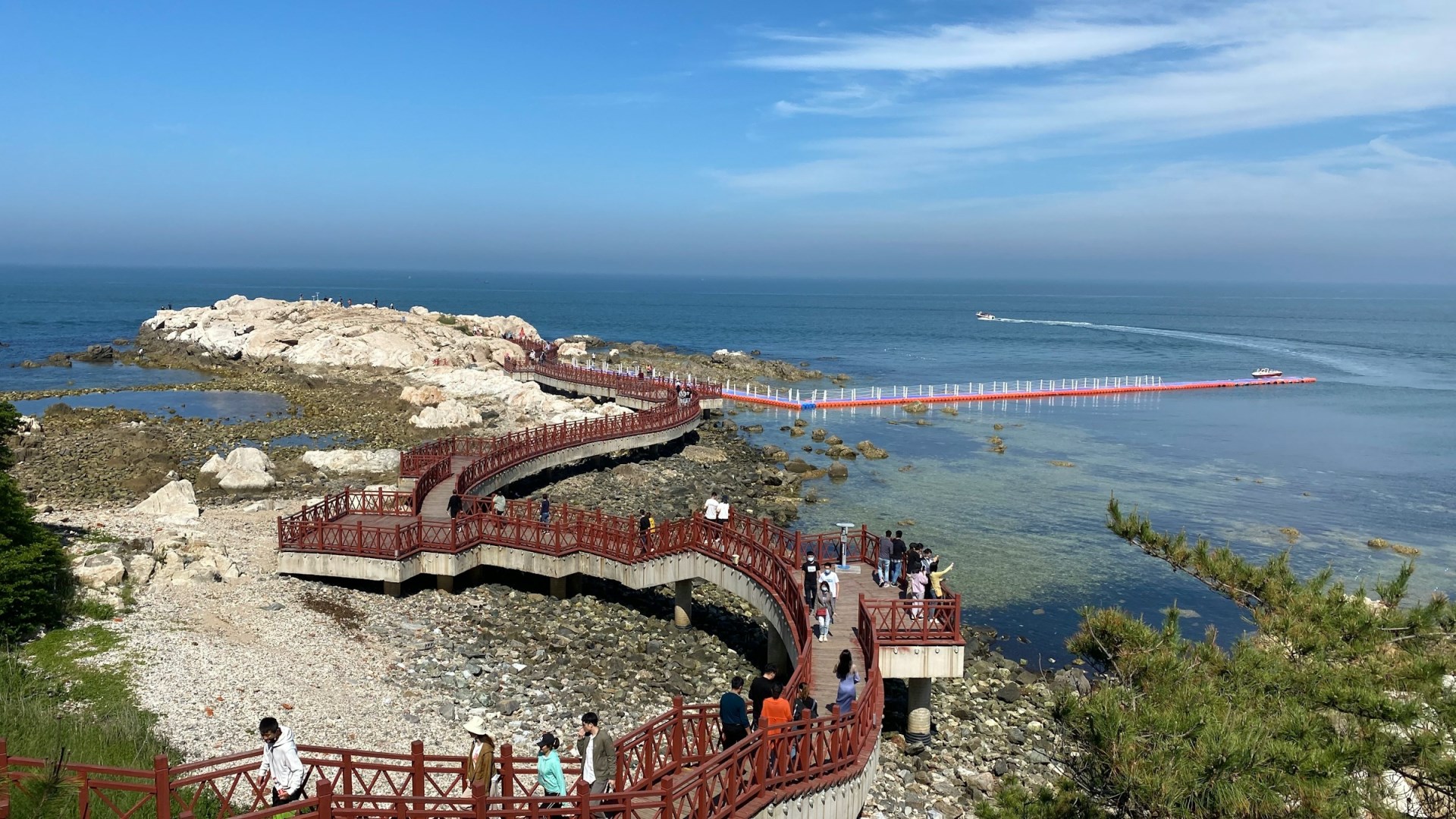
Yantai is on the coast of the Bohai Sea and one of the most picturesque small cities in China. Visit Penglai Pavilion, said to be where the 8 Taoist Immortals flew across the sea or view the city from the 14th-century Yuhuang Hill Temple where the abundant rose-colored buildings and orange-tiled roofs of the town are nestled between the sea and the gentle hills.
