
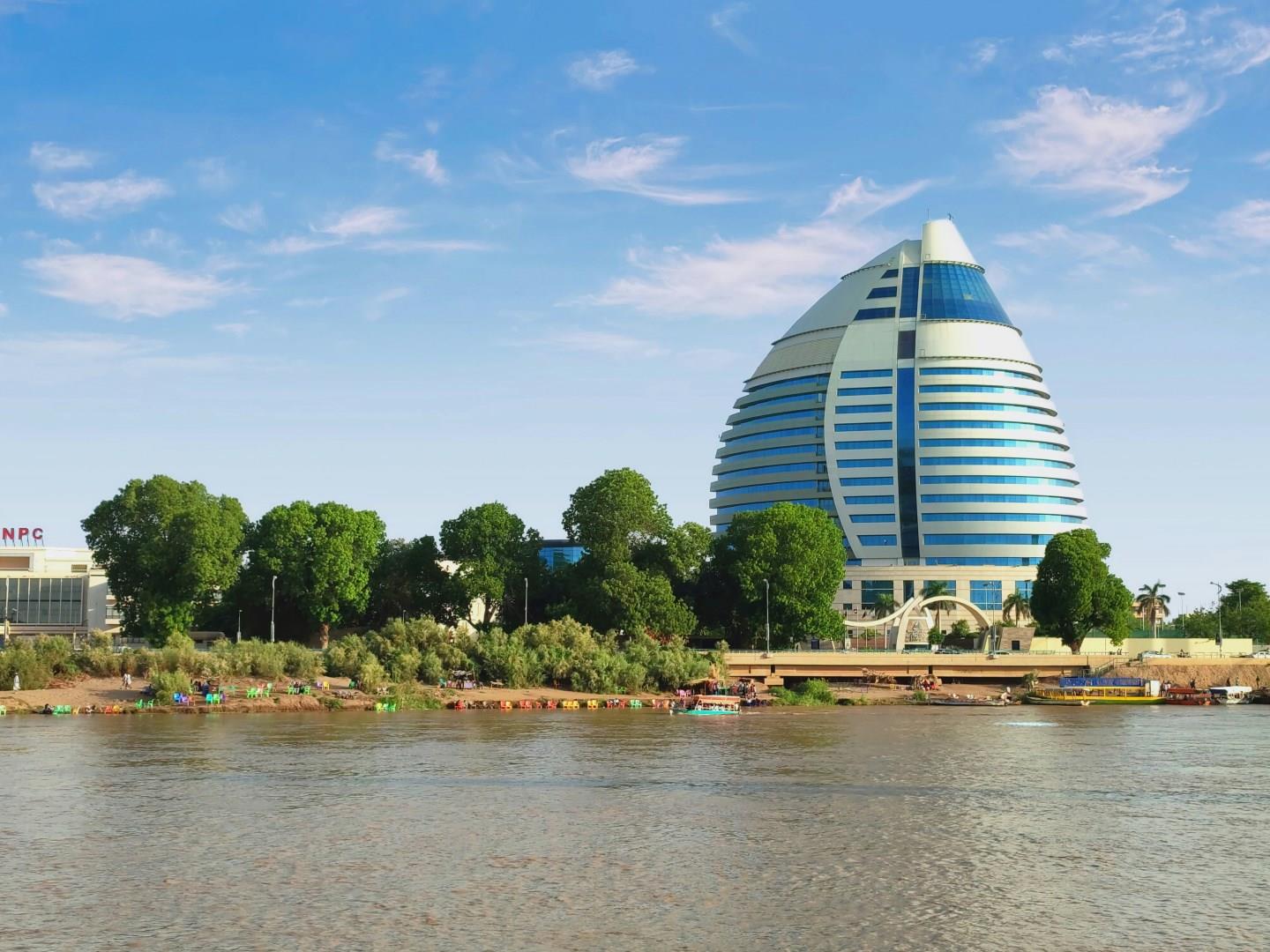
Khartoum
Khartoum, the capital of Sudan, sits where the Blue and White Nile rivers meet, creating a unique landscape of waterways, islands, and riverbanks.
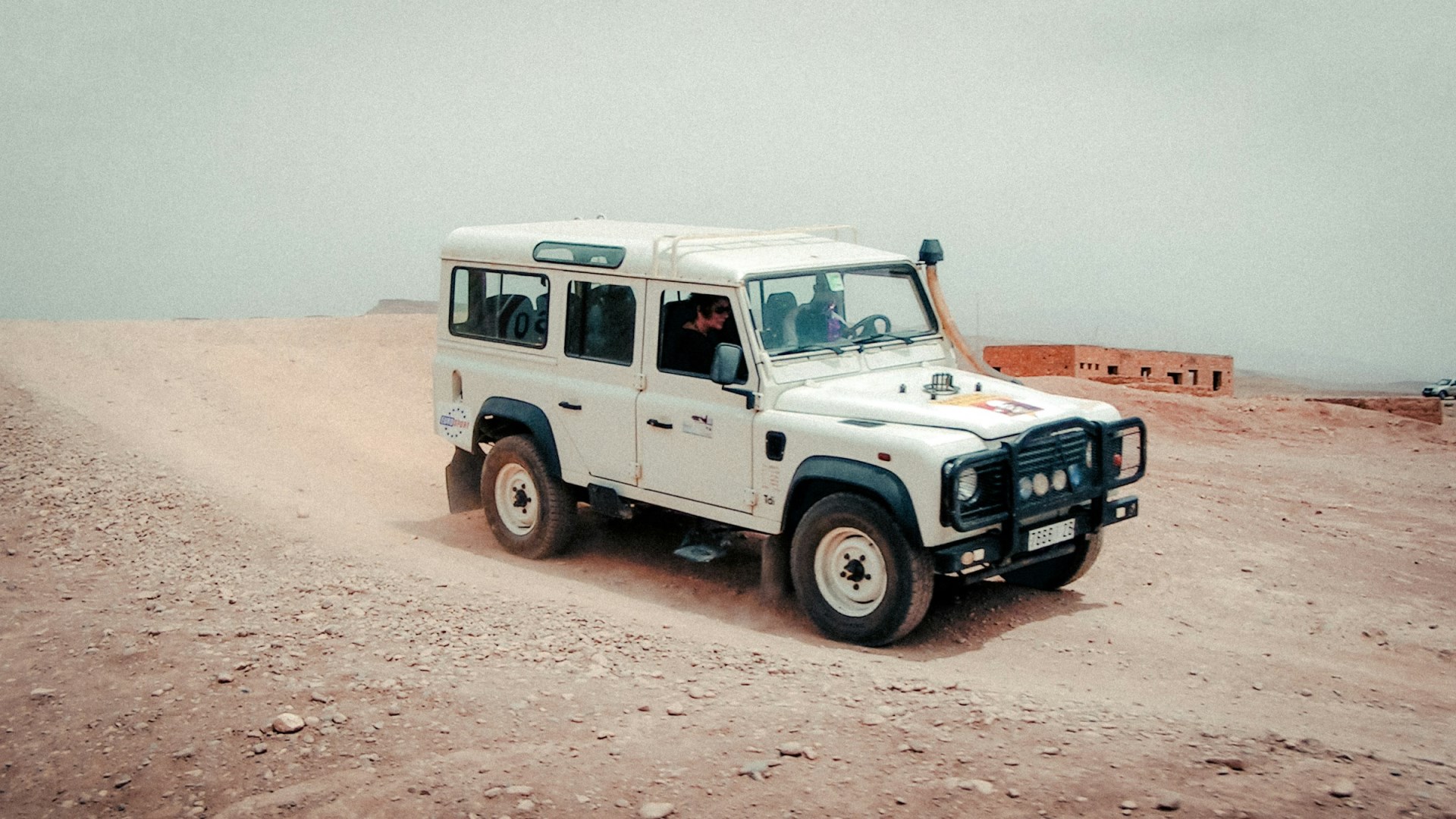
Tata
Set along the edge of the Anti-Atlas and the northern reaches of the desert, Tata offers a landscape shaped by sun, stone, and water. The town sits within a wide oasis valley, where palm groves stretch across the land in sharp contrast to the surrounding dry hills. Life here depends on careful use of water, and visitors quickly notice how every field and garden is planned with purpose. The result is a setting that feels both remote and deeply connected to the land.

Playa Del Carmen
Playa del Carmen, located along Mexico’s Riviera Maya, offers more than just soft beaches and turquoise waters. Once a quiet fishing village, the town has grown into a lively hub where Mayan history meets a modern beachside lifestyle. Visitors walking along Quinta Avenida will find artisan shops, street performers, and cafes offering everything from espresso to tacos al pastor. This area becomes especially active in the evenings when live music spills out from local venues.

Honolulu, Oahu
Honolulu, the capital of Hawaiʻi and the largest city in the Pacific, blends the energy of a major urban center with the deep roots of Native Hawaiian culture. Set on the island of Oʻahu, it’s home to iconic beaches, royal history, and a rhythm all its own. This sunny capital city is the main portal to the larger Hawaiian archipelago, and the perfect base for exploring Oahu.

Mara River
The Mara River in Tanzania is a natural wonder that draws adventurers and wildlife enthusiasts alike. Flowing through the heart of the Serengeti and into Kenya’s Maasai Mara, this river is best known as the lifeblood of the Great Migration. Each year, from July to October, millions of wildebeest, zebras, and gazelles make a perilous crossing of the Mara. It’s a spectacle of nature that leaves visitors in awe, making it one of Africa’s most sought-after safari experiences.
