
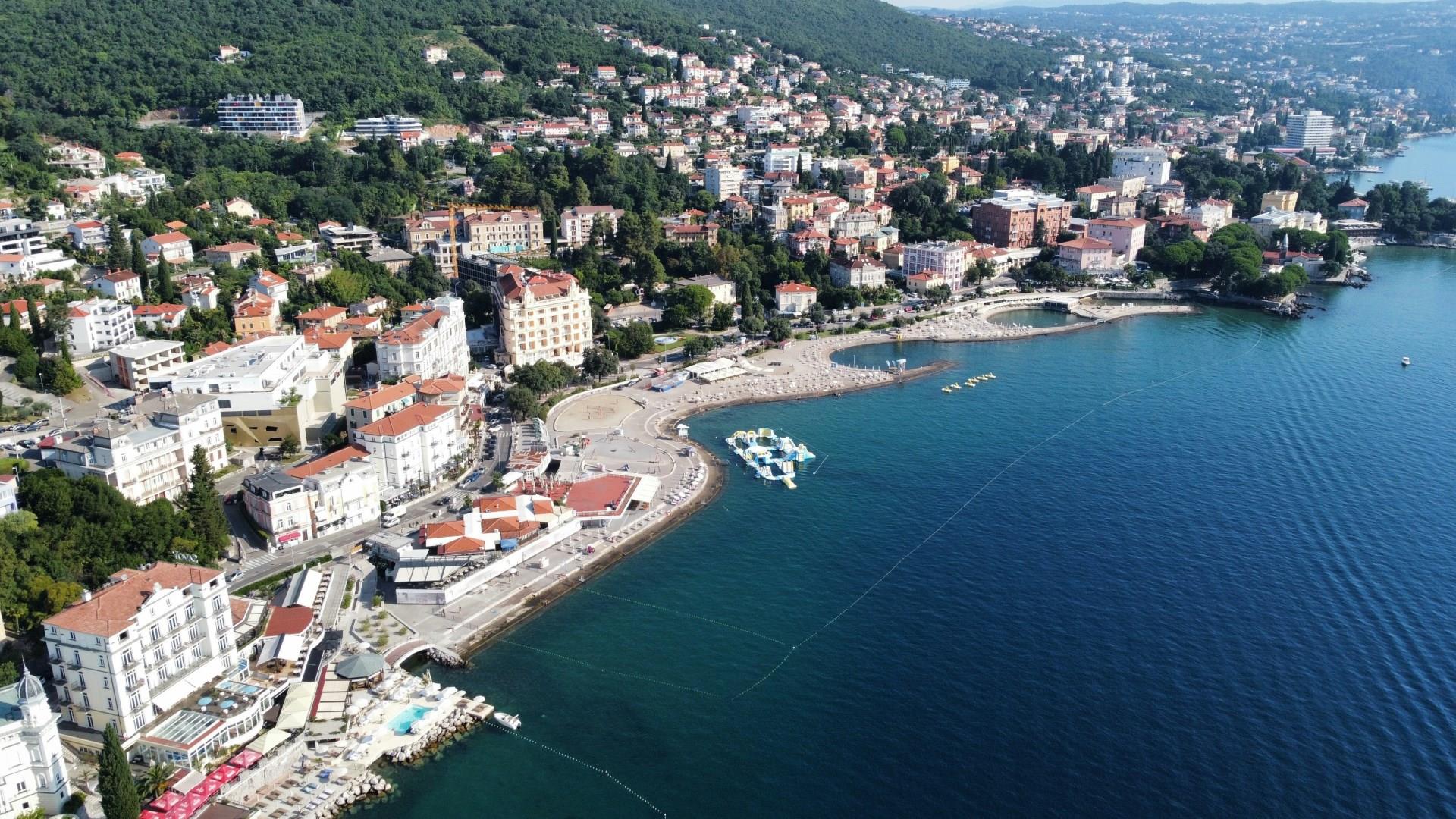
Opatija
Opatija, located on Croatia’s Kvarner Bay, has been drawing visitors since the 19th century, when Austro-Hungarian aristocrats built grand villas along its Adriatic shoreline. Today, many of those same buildings still stand with some restored as luxury hotels and others preserved as cultural landmarks. The town’s most recognizable structure, Villa Angiolina, opened in 1844 and marked the start of Opatija’s rise as a fashionable seaside resort.

Cork
The Irish Republic's second largest city is a surprisingly appealing place - you'll find time passes effortlessly during the day, and by night the pub scene is lively. The town center is uniquely situated on an island between two channels of the Lee River.
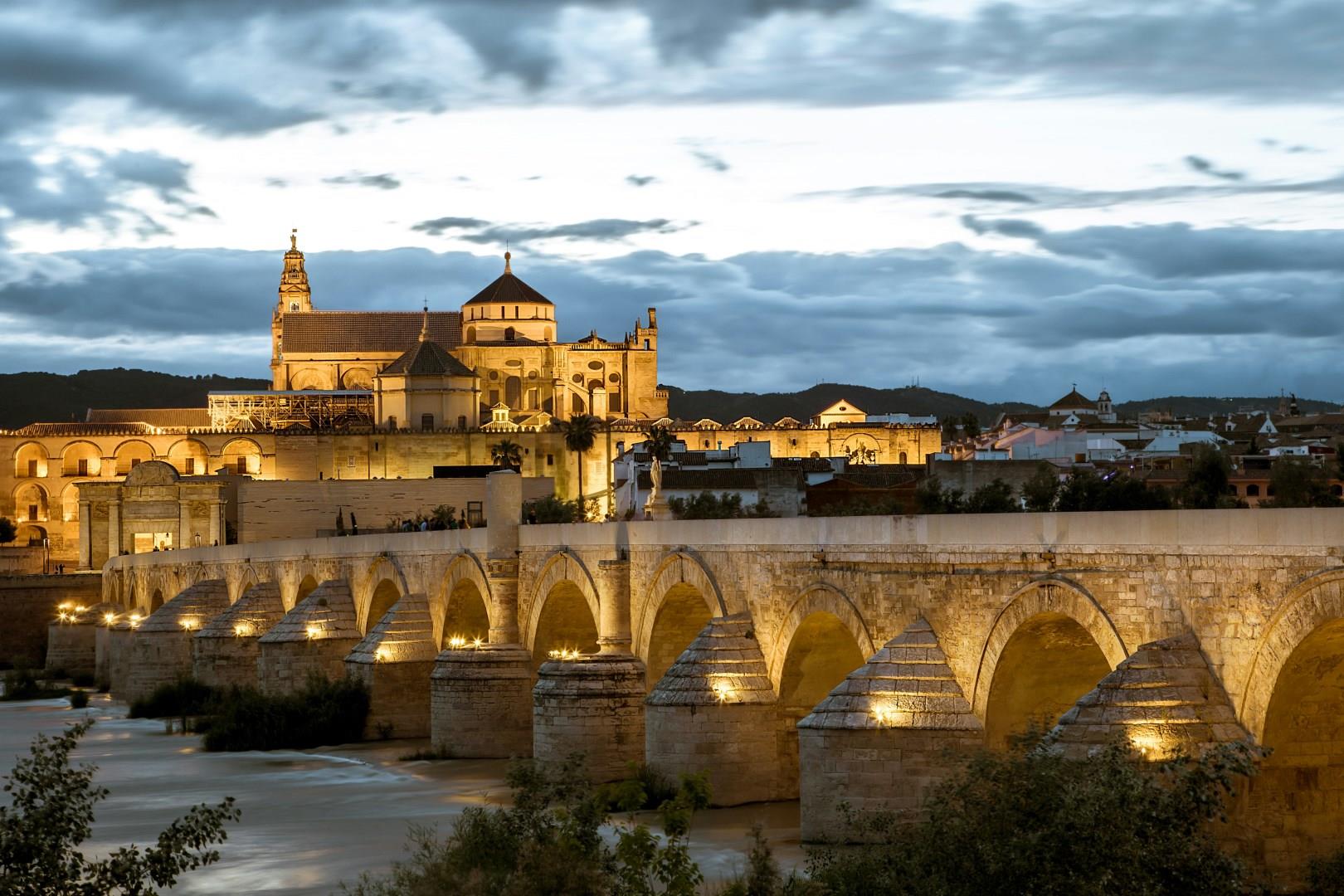
Córdoba
Córdoba, located in the heart of Andalusia, was once the most advanced city in Western Europe. During the 10th century, it served as the capital of Al-Andalus and was a center for learning, science, and art. Today, visitors walk the same streets that philosophers, poets, and physicians once crossed. The city’s most famous landmark, the Mezquita-Catedral, reflects its layered past. The red and white horseshoe arches inside are one of the most photographed interiors in Spain.

Nordfjordeid
Nordfjordeid is a town in Vestland county, western Norway, situated at the end of the Eidsfjorden branch of the larger Nordfjord. Surrounded by steep mountains, fertile valleys, and deep fjord waters, it serves as the administrative center of Stad Municipality.

San Antonio
San Antonio is a city where centuries-old missions, lively markets, and a strong sense of place come together in unexpected ways. At the heart of it all is the Alamo, the former Spanish mission that became a symbol of Texas independence after the pivotal 1836 battle. Beyond its landmarks, San Antonio thrives through its neighborhoods. The River Walk weaves through downtown, lined with restaurants, shops, and galleries.
