
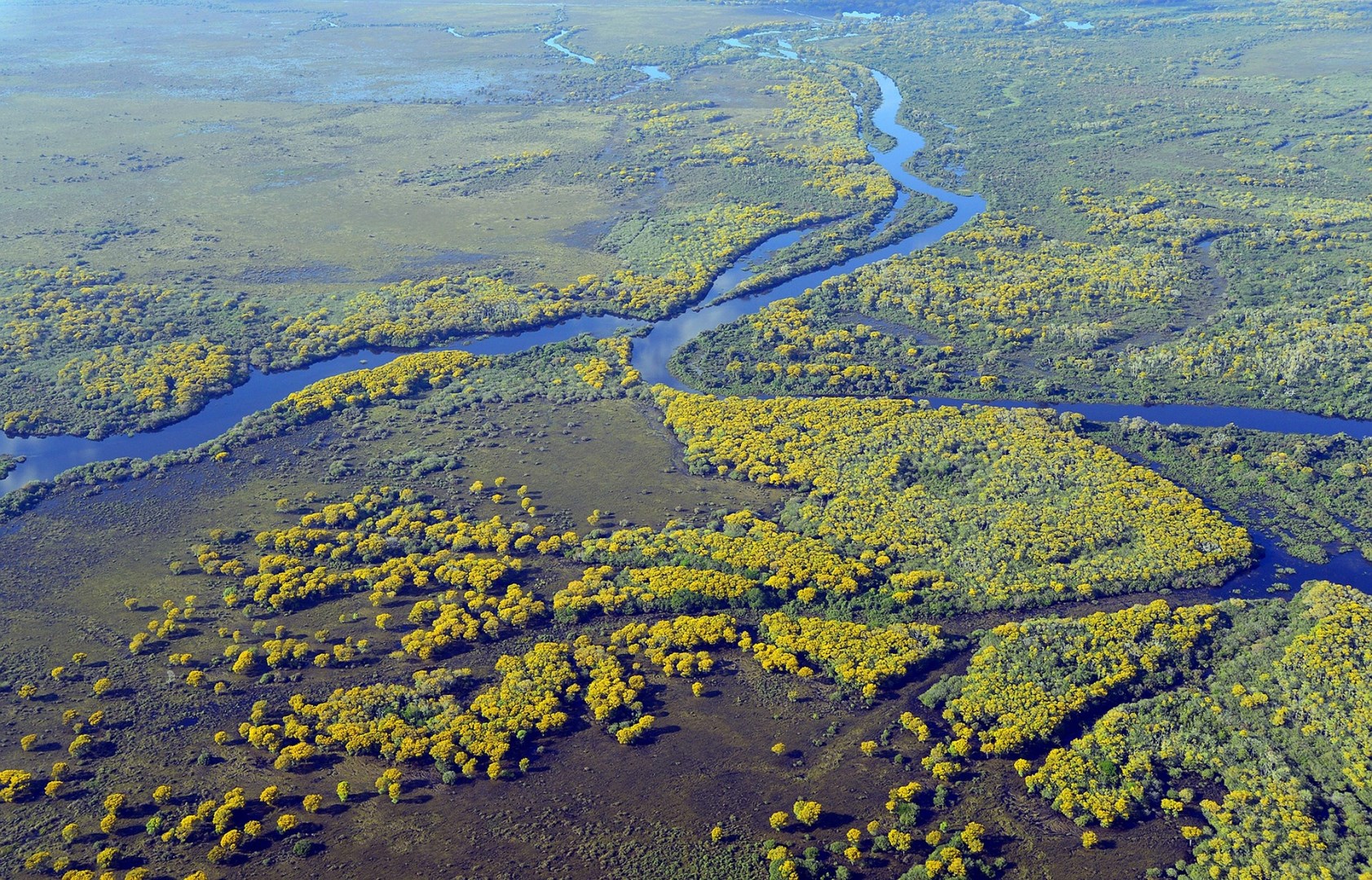
Pantanal
Pantanal, located on Brazil's western border, is a largely untouched paradise of savannah lowlands, seasonal wetlands and rich forested areas.
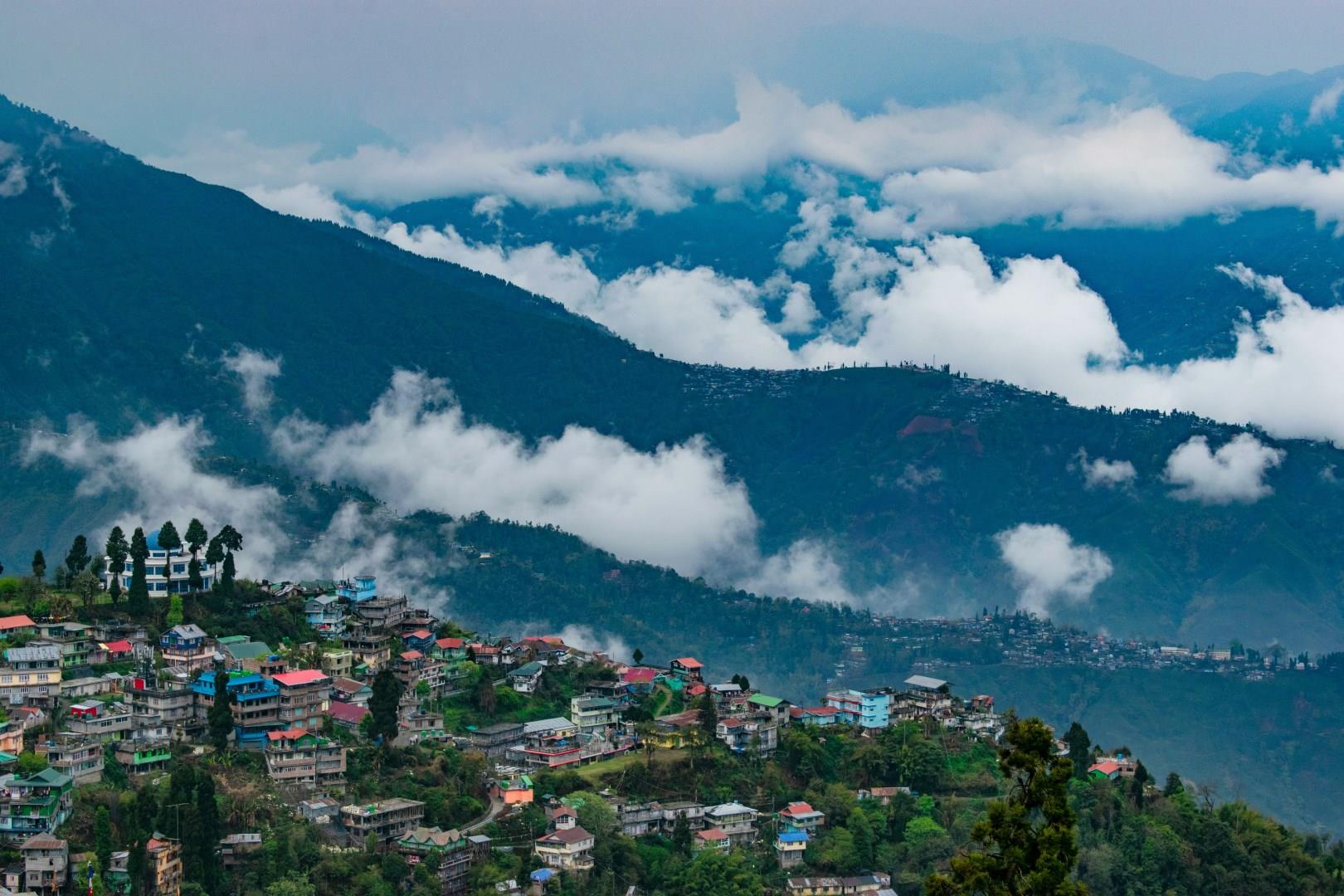
Darjeeling
Darjeeling sits along a ridge in the eastern Himalaya, shaped by colonial history and long-standing ties to the surrounding hills.
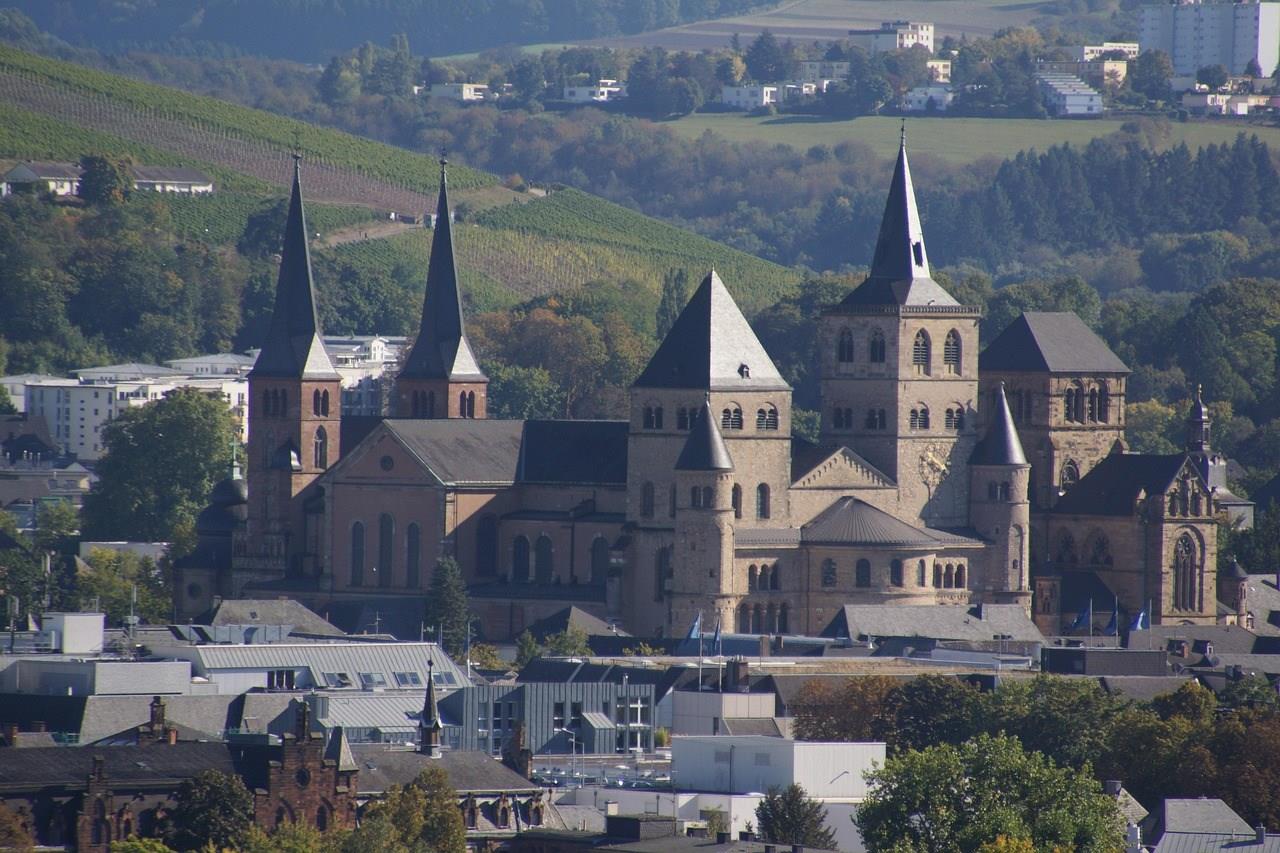
Trier
Trier, Germany’s oldest city, is a living museum nestled in the Moselle Valley, where Roman ruins rise beside medieval churches and bustling market squares. Founded by the Romans in 16 BCE, Trier was once known as “Roma Secunda,” the second Rome, and still boasts the largest collection of Roman architecture north of the Alps. The Trier Cathedral (Dom St. Peter), which is a UNESCO World Heritage Site, is the oldest church in Germany and houses a relic said to be the Holy Robe of Christ.
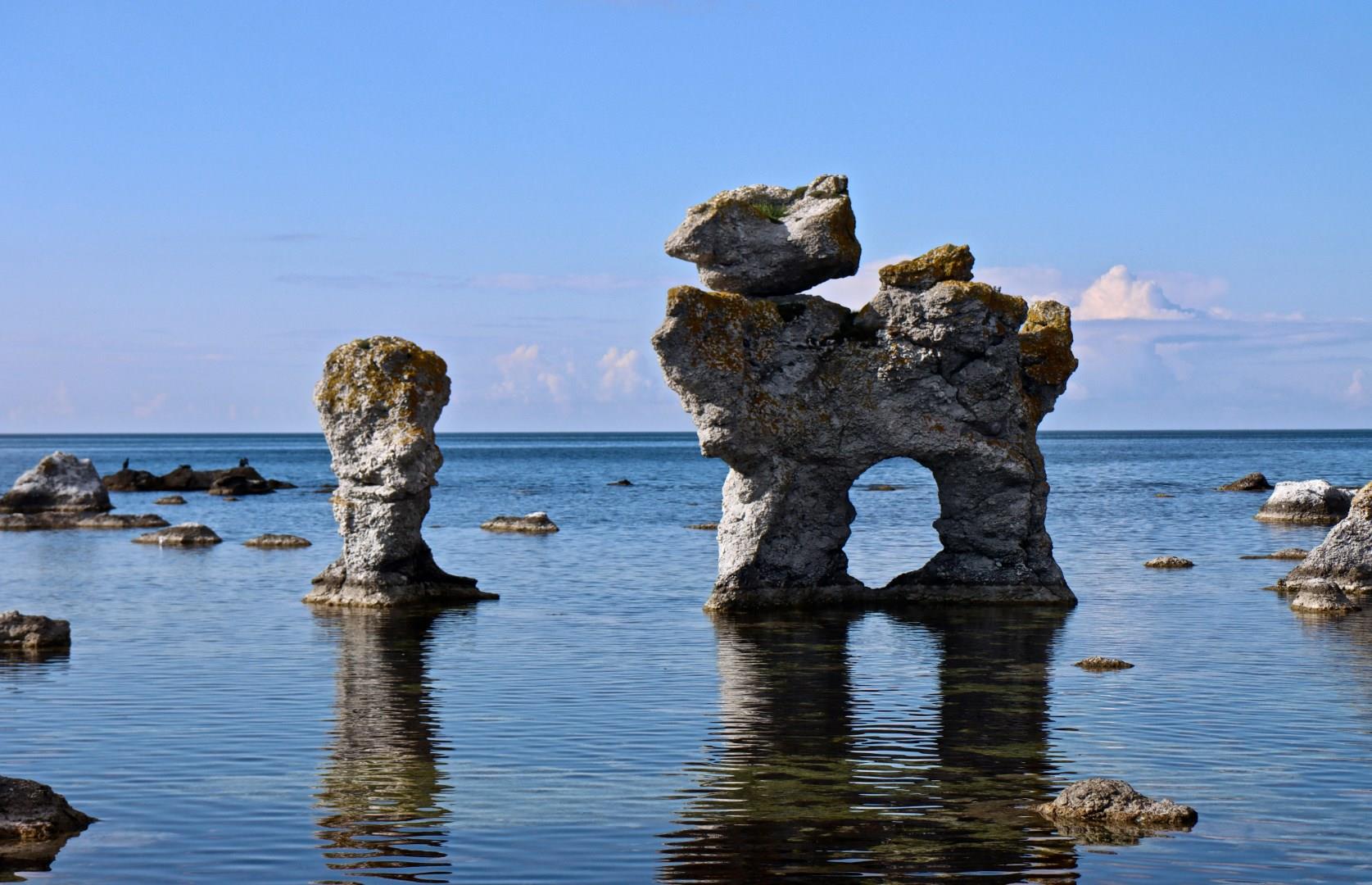
Gotland
Gotland, Sweden’s largest island, sits in the Baltic Sea and feels like a world of its own. Its main town, Visby, is a UNESCO World Heritage site and one of the best-preserved medieval towns in Northern Europe. Surrounded by a 3.5-kilometer stone wall with original towers still intact, Visby once served as a key Hanseatic trading hub. Visitors can walk along cobbled streets lined with rose-covered cottages, explore Gothic church ruins, and climb up the city wall for views over the harbor.

Gaborone
Gaborone, the vibrant capital of Botswana, offers a unique blend of modernity and tradition, making it an increasingly popular destination for travelers seeking an African city adventure. Founded in 1966, this city is relatively young but holds immense significance as the political and economic heart of Botswana.
