
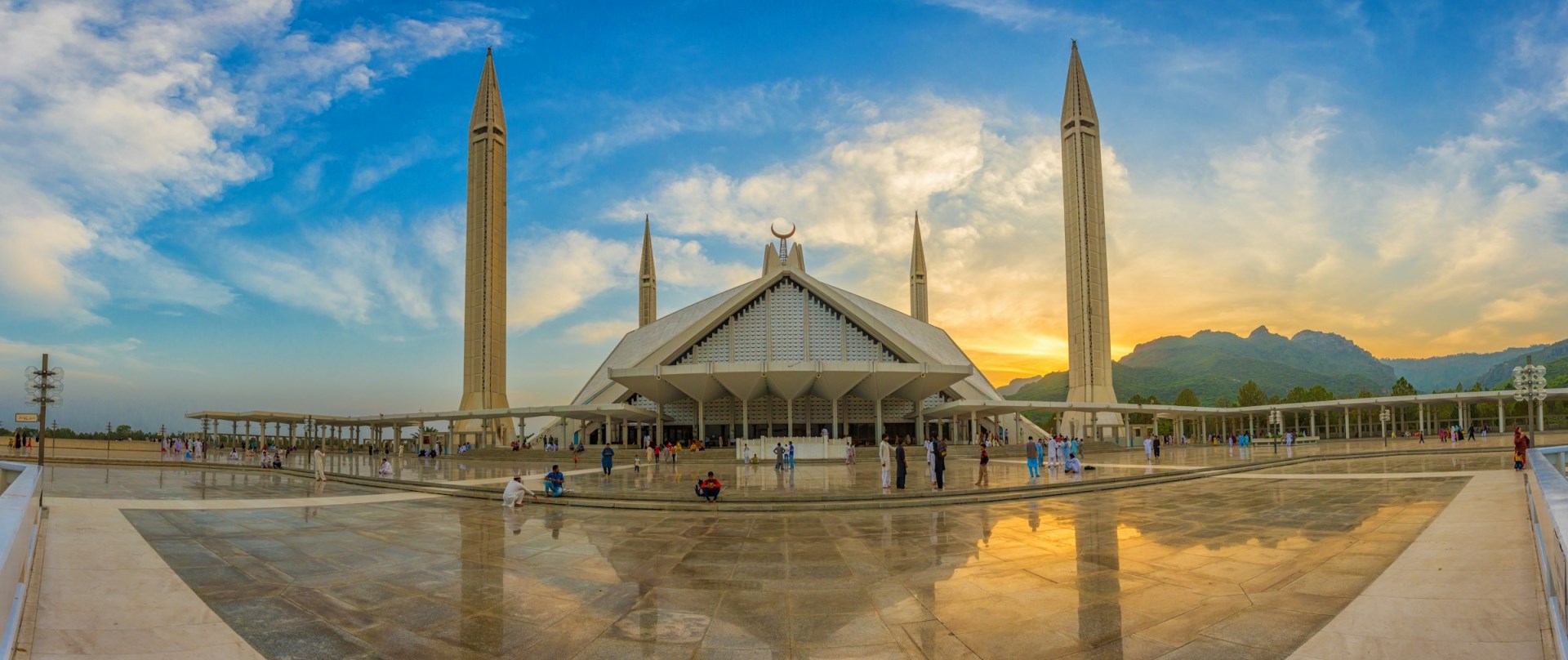
Islamabad
Islamabad is the capital of Pakistan, set against the wooded slopes of the Margalla Hills in the north of the country. Planned as a purpose-built capital, the city is organized around broad avenues, landscaped sectors, parks, and green belts, giving it a different character from Pakistan’s older cities. The Faisal Mosque is its most recognizable landmark, with its tent-shaped design and prominent position beneath the hills.

Brecon Beacons
The Brecon Beacons, officially known as Bannau Brycheiniog, rise through south-central Wales as a landscape shaped by myth, grazing, and long human presence.

Dominica
Dominica, known as the “Nature Island of the Caribbean,” is a haven for eco-tourists and adventure seekers. Nestled between the French islands of Guadeloupe and Martinique, this lush island boasts a remarkable landscape of volcanic mountains, dense rainforests, and stunning waterfalls. Dominica’s most iconic natural wonder is the Boiling Lake, the second-largest hot spring in the world.

Aghios Nikolaos
Agios Nikolaos is a seaside town in eastern Crete, Greece, set around Mirabello Bay and known for its unusual waterfront setting around Lake Voulismeni. The small lagoon lies at the center of the town, surrounded by cafés, tavernas, shops, and narrow streets that rise toward the surrounding hills. The harbor and marina extend the town toward the sea, while beaches and coves are found along the nearby coast.
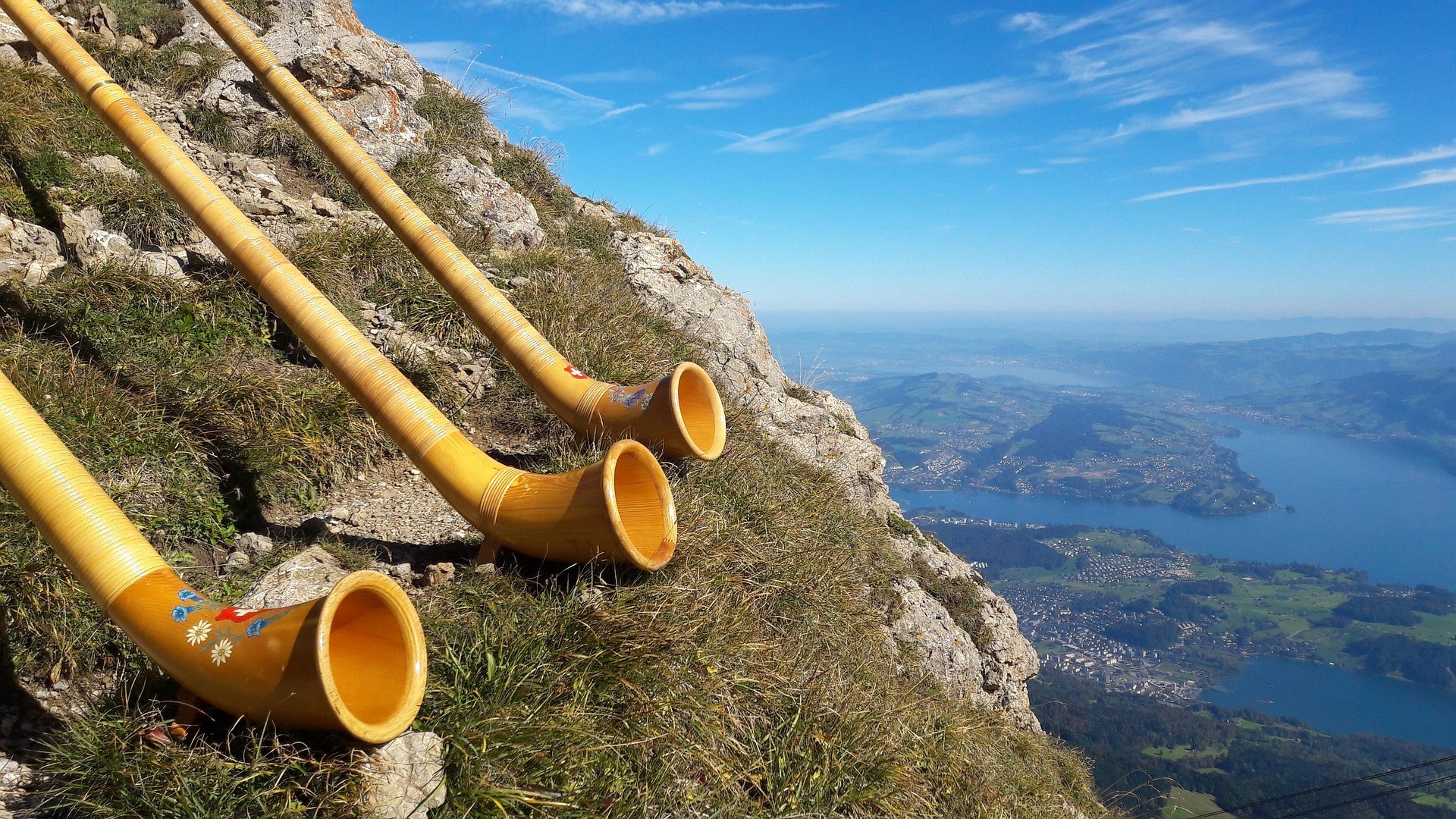
Switzerland
Switzerland's daily life appears to be full of contradictions: the old and the new, natural beauty and industrial production, neutrality and international frankness. These sharp contrasts go hand in hand, and this unity is the real reason that this small country in the heart of Europe has developed into such an important communication and trading partner in the world today. It is Switzerland's contrasts - its diversity which attracts both the businessman and the tourist alike.
