
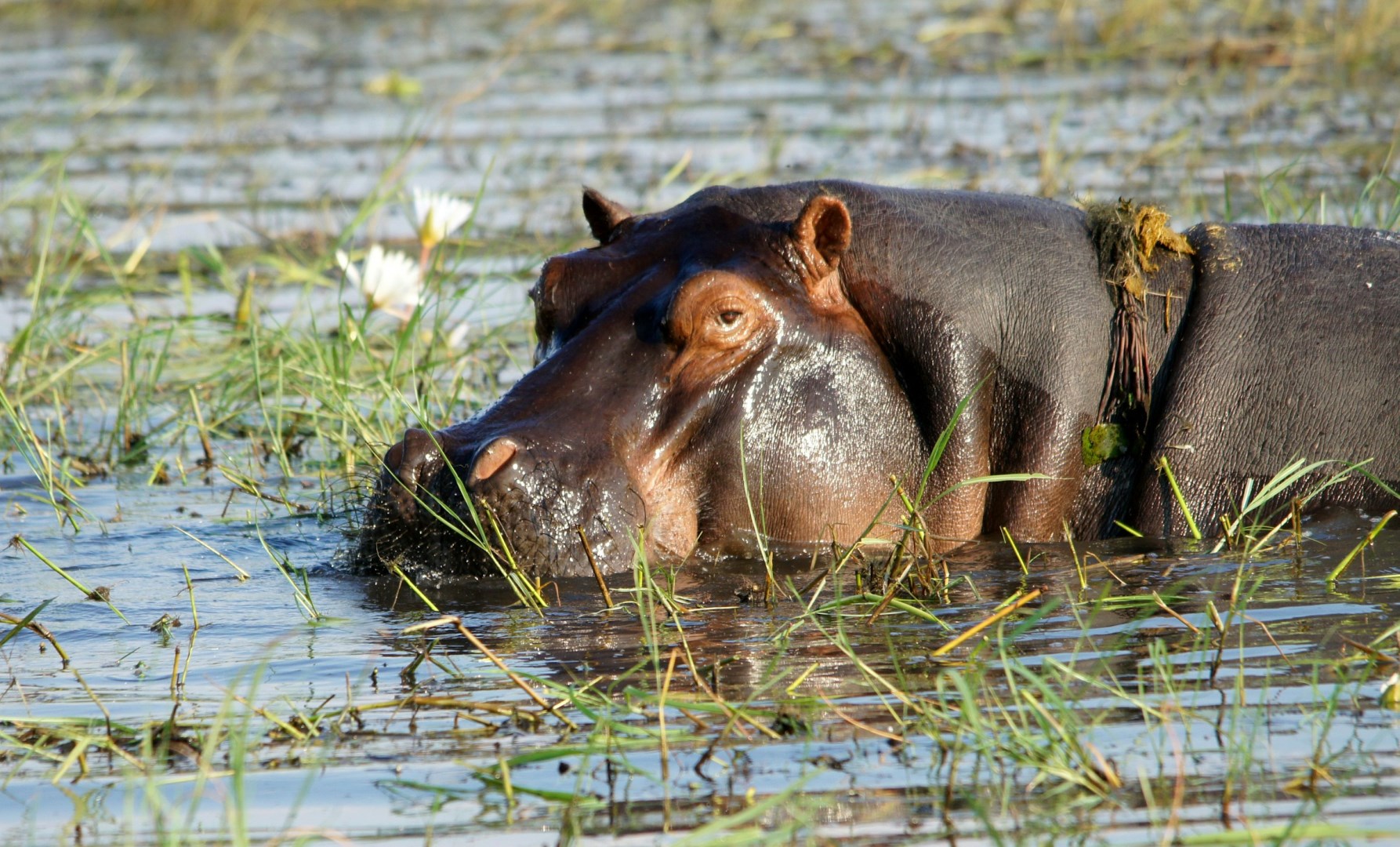
Zambezi River
The Zambezi River is one of Africa’s major waterways and an important part of Zambia’s landscape, flowing across the country before continuing through several southern African nations. In Zambia, the river passes through wetlands, woodland, floodplains, and protected wildlife areas, including Lower Zambezi National Park.
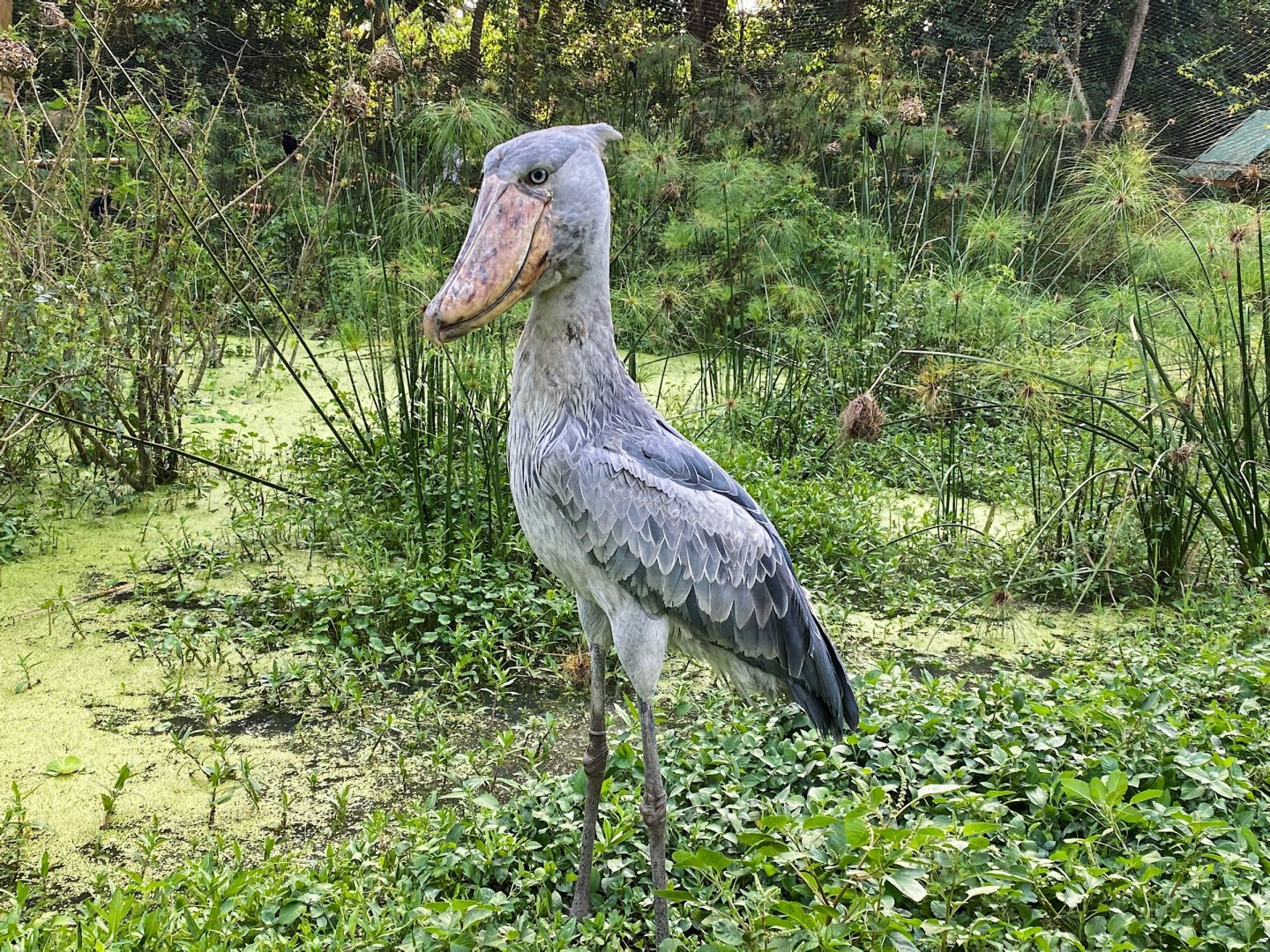
Entebbe
Entebbe is a lakeside city in central Uganda, set on a peninsula extending into Lake Victoria and surrounded by green vegetation and gardens. It is known as the location of Uganda’s main international airport and serves as an important arrival point for travelers exploring the country. The city has a quieter setting than nearby Kampala, with tree-lined roads, residential neighborhoods, wetlands, and views across Lake Victoria.
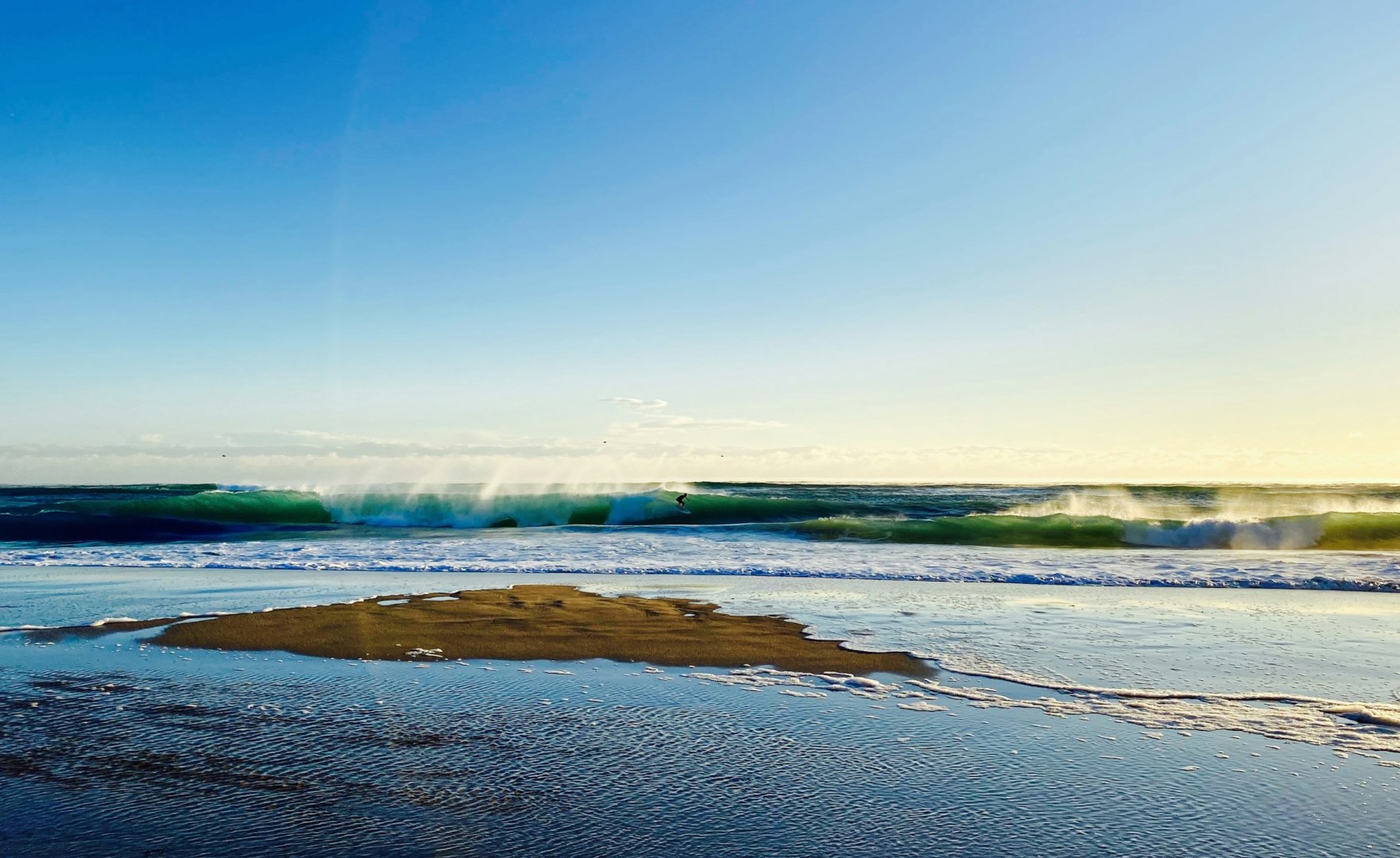
Palm Beach
Palm Beach, southeastern Florida, on the northern end of a barrier island situated between Lake Worth (a lagoon) and the Atlantic Ocean; incorporated 1911. It has a subtropical climate and is a fashionable and luxurious winter resort. The town is named for its palm-lined beach.
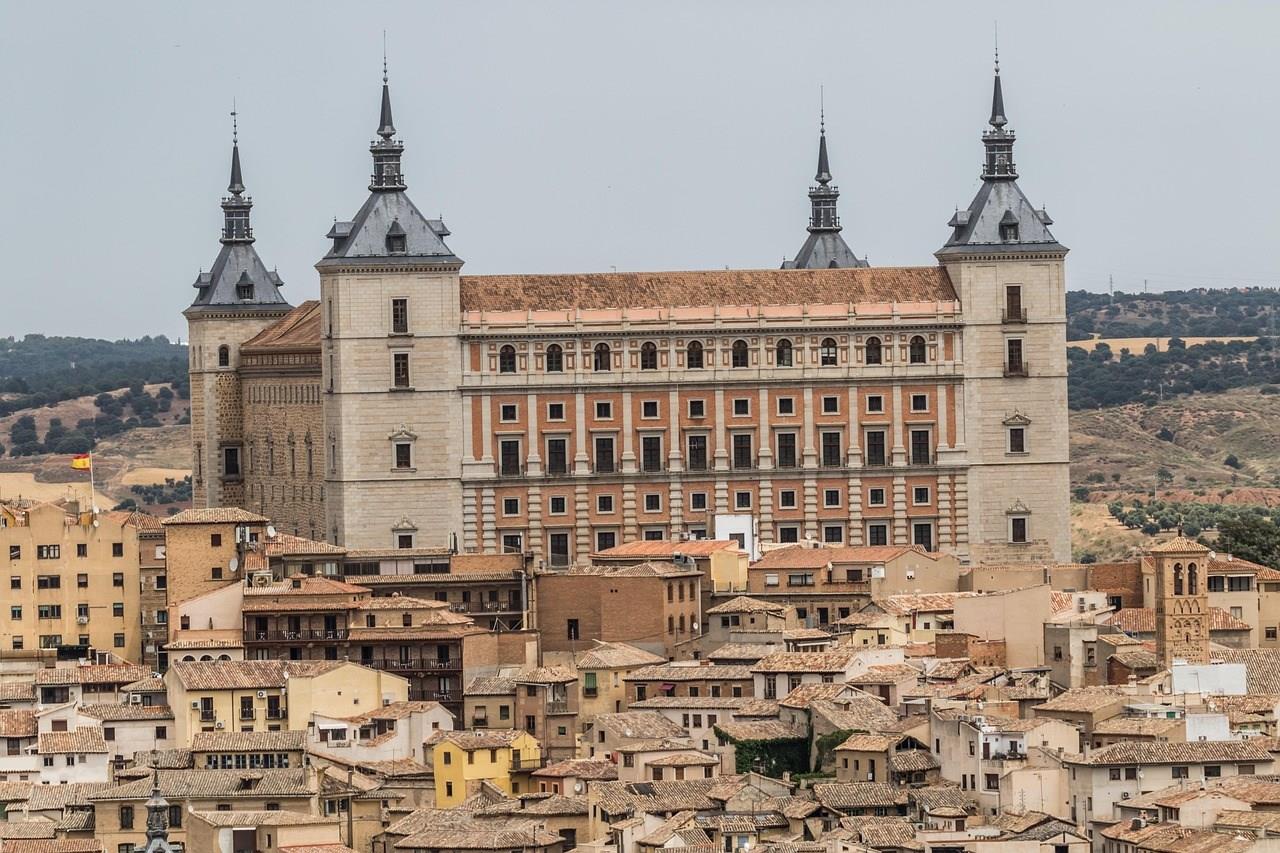
Toledo
Toledo, high above the Tagus River in central Spain, is a city where layers of history are visible around every corner. For centuries it was an important Roman settlement, a Visigothic capital, and later a stronghold during the medieval Christian reconquest, before becoming the seat of royal power and a crossroads of cultures. Because of this long span of stories and architectural richness, the whole old town has been recognized as a UNESCO World Heritage Site.
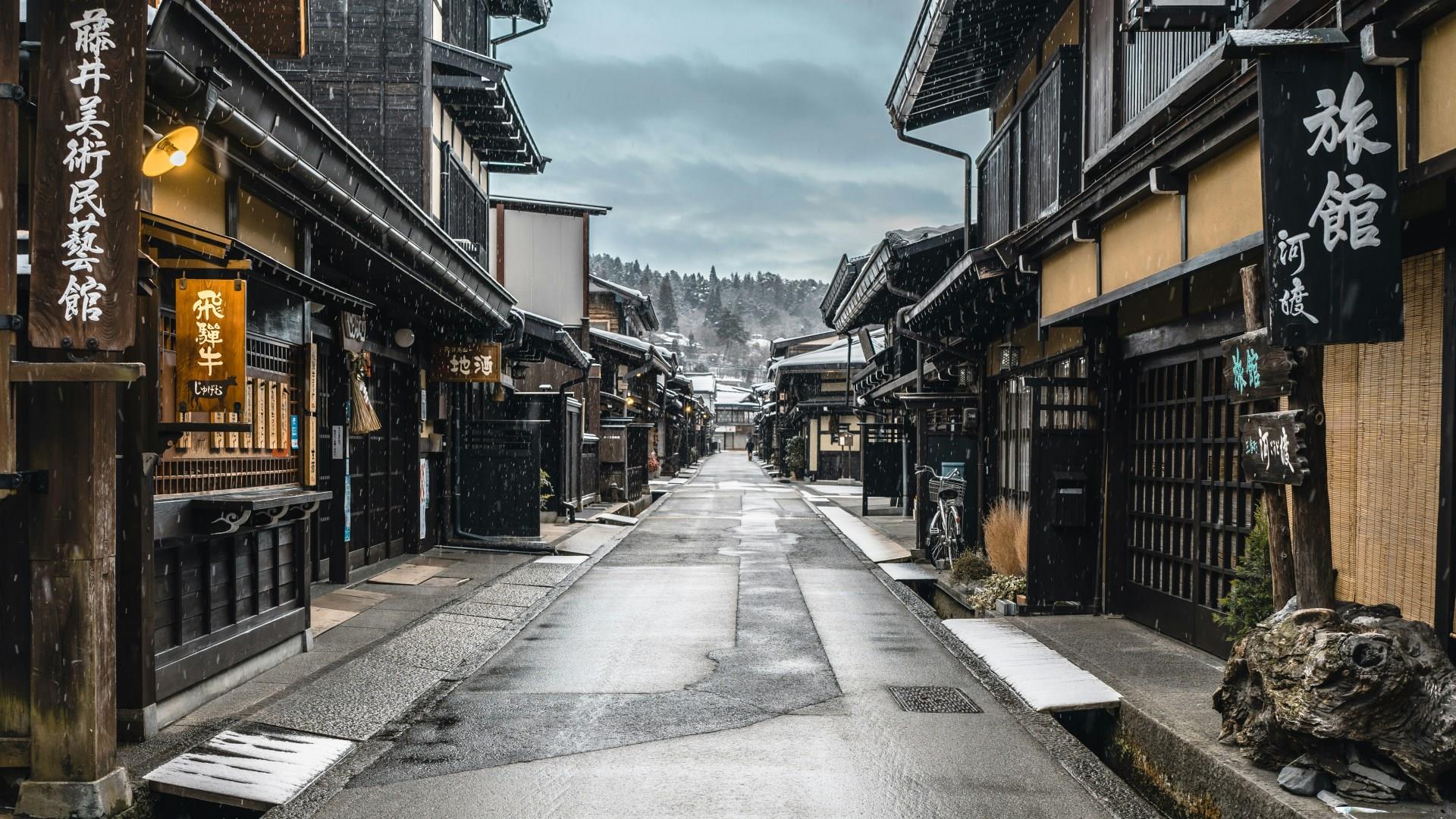
Takayama
Takayama, located in Japan’s mountainous Gifu Prefecture, is a city where traditional culture and natural beauty are remarkably well preserved.
