
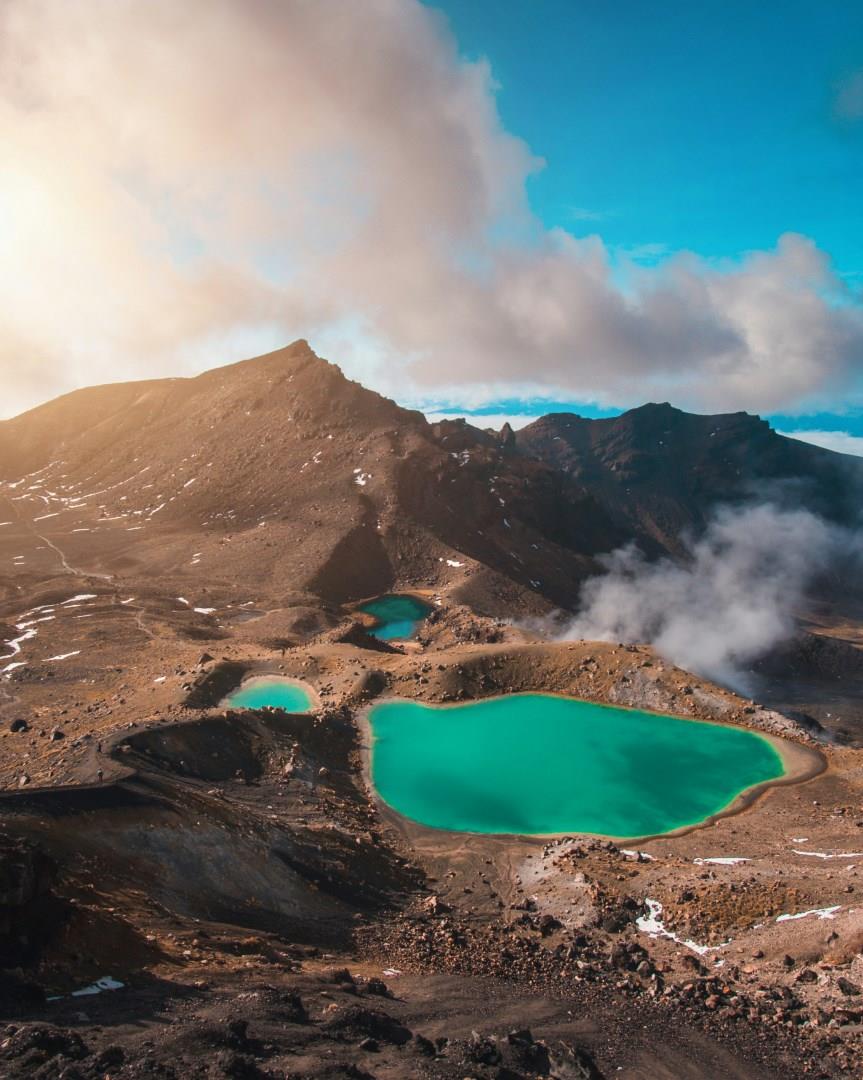
Tongariro National Park
Tongariro National Park, on New Zealand’s North Island, holds deep cultural meaning as well as striking geological presence. It was the country’s first national park, gifted to the nation by Ngāti Tūwharetoa chiefs in the 19th century, establishing a model that tied conservation to Māori guardianship. The volcanic peaks of Tongariro, Ngāuruhoe, and Ruapehu are considered ancestors, giving the landscape a living cultural identity rather than a purely scenic one.
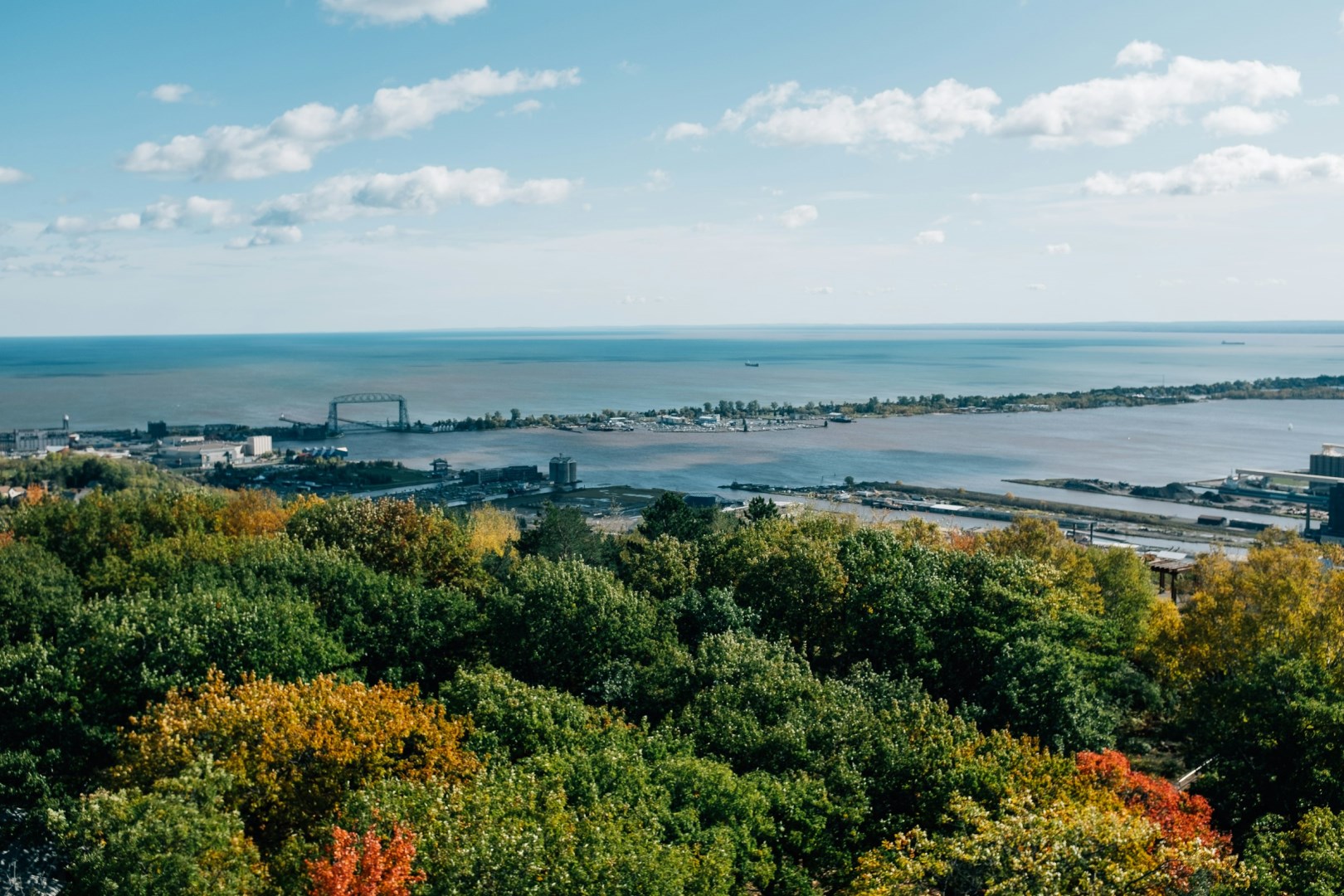
Duluth
Located on Lake Superior, Duluth is a gateway for a year-round resort area, and tourism is a major industry.

Dominica
Dominica, known as the “Nature Island of the Caribbean,” is a haven for eco-tourists and adventure seekers. Nestled between the French islands of Guadeloupe and Martinique, this lush island boasts a remarkable landscape of volcanic mountains, dense rainforests, and stunning waterfalls. Dominica’s most iconic natural wonder is the Boiling Lake, the second-largest hot spring in the world.

Floreana Island
Located off the coast of Ecuador, Floreana Island is one of the Galápagos Islands and a popular stop for gazing at a variety of wildlife, including Galápagos tortoises and flamingoes. Post Office Bay is home to the island chain's first post office site, originally established by visiting whalers in the 18th century. Though one of the smallest islands in the Galápagos, Floreana is well worth the trip!
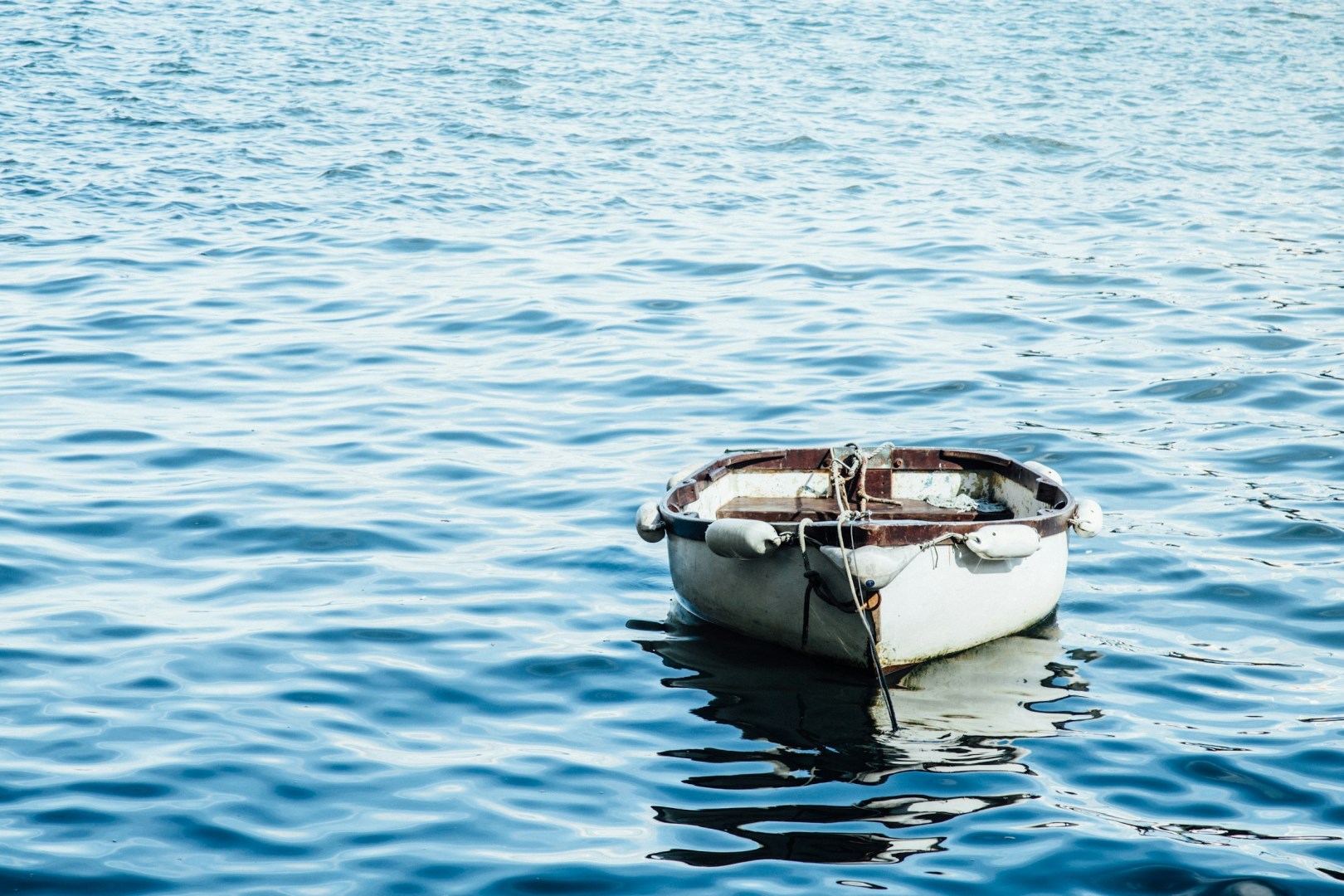
Falmouth
Falmouth, on Cornwall’s south coast, grew around one of the world’s largest natural harbors, a feature that has shaped its maritime identity for centuries. The town expanded during the age of sail, serving as a key port for packet ships, and landmarks like Pendennis Castle still anchor Falmouth firmly in its naval past.
