

Te Anau
Te Anau sits on the edge of New Zealand’s second-largest lake, acting as the unofficial gateway to Fiordland National Park. While it’s often viewed as a starting point for trips to Milford Sound, the town itself offers a slower, more scenic way to experience the South Island’s dramatic landscapes. Te Anau’s lakefront is a mix of walking paths, local birdlife, and wide-open views across snow-dusted peaks.

Great Exuma
The Exumas are located in the middle of The Bahamas, yet remain mostly undisturbed. A collection of some 365 cays and islands stretching over 120 miles, The Exumas are supported at the far southern tip of the chain by two main islands, Great Exuma and Little Exuma.
Porto Venere
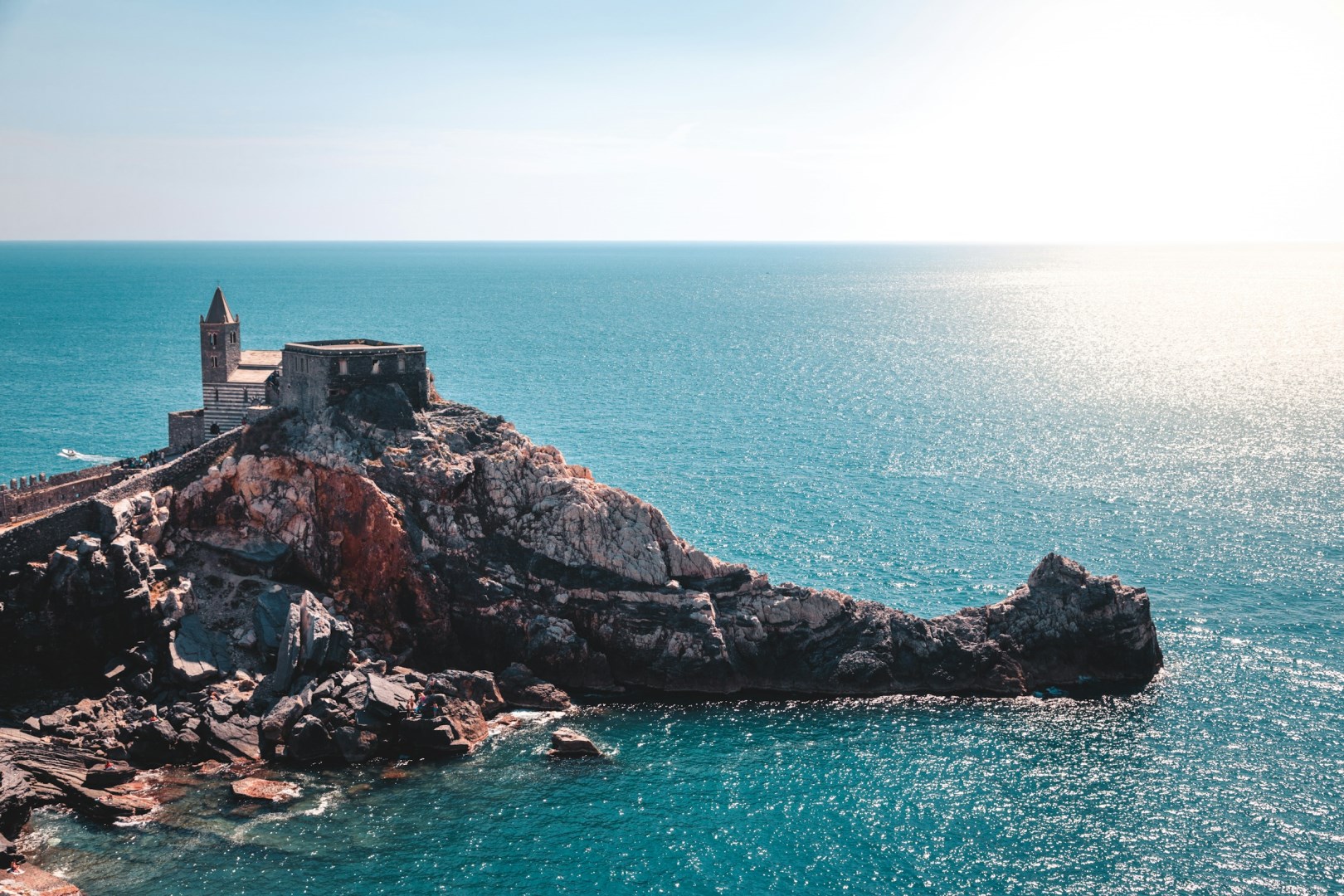
Porto Venere is a small coastal town on the Ligurian Sea in eastern Liguria, set on a rocky peninsula at the entrance to the Gulf of La Spezia. Its waterfront is lined with brightly colored houses, narrow lanes, and a small harbor, while steep cliffs rise behind the historic center. Offshore, the islands of Palmaria, Tino, and Tinetto form part of the same protected coastal landscape.
San Luis Obispo
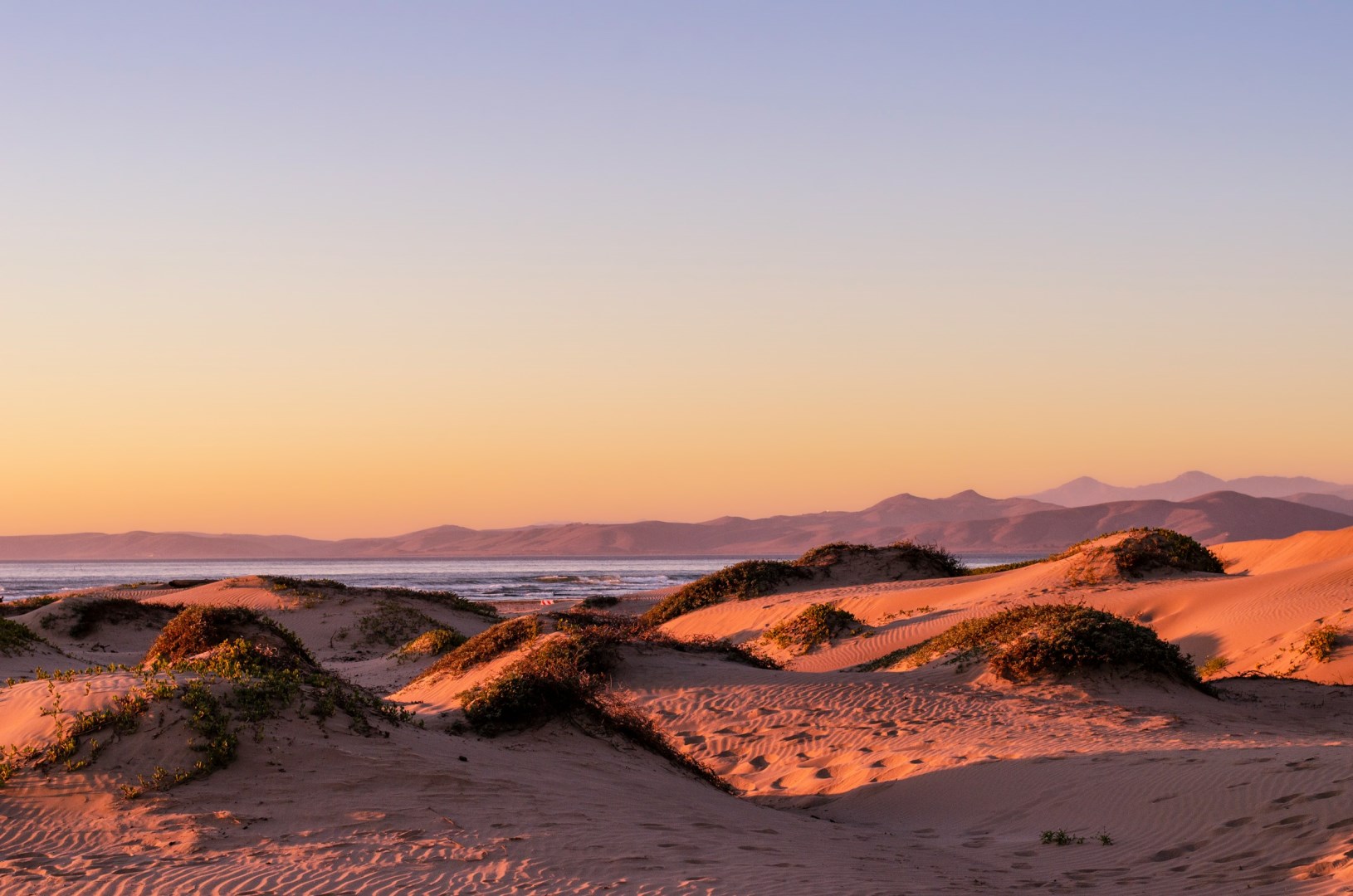
San Luis Obispo is a city on California’s Central Coast, set between the Santa Lucia Mountains and the Pacific Ocean. Its location in a sheltered valley gives the community a landscape of oak-covered hills, vineyards, creeks, and agricultural land, while the coast is within easy reach to the west. Downtown San Luis Obispo centers on a historic Spanish mission and a compact collection of shops, restaurants, and public spaces.
Cape Winelands
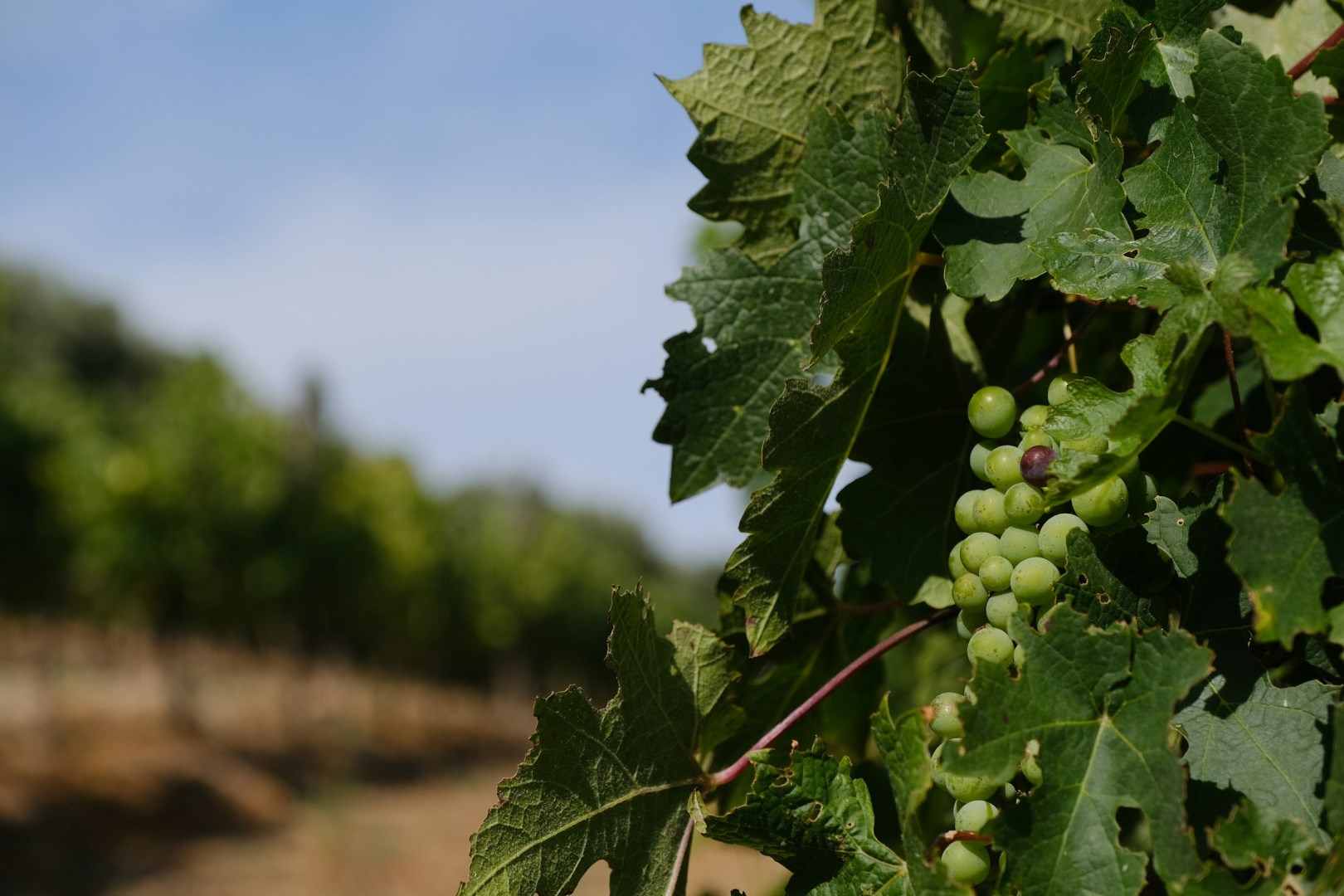
Cape Winelands is a wine-producing region in South Africa’s Western Cape, centered on towns such as Stellenbosch, Franschhoek, and Paarl. Vineyards cover broad valleys beneath the Hottentots Holland, Simonsberg, and Drakenstein mountain ranges, creating a landscape where cultivated farmland meets rugged slopes. Stellenbosch is known for its historic town centre and concentration of wine estates, while Franschhoek has a strong connection to French Huguenot heritage.
