
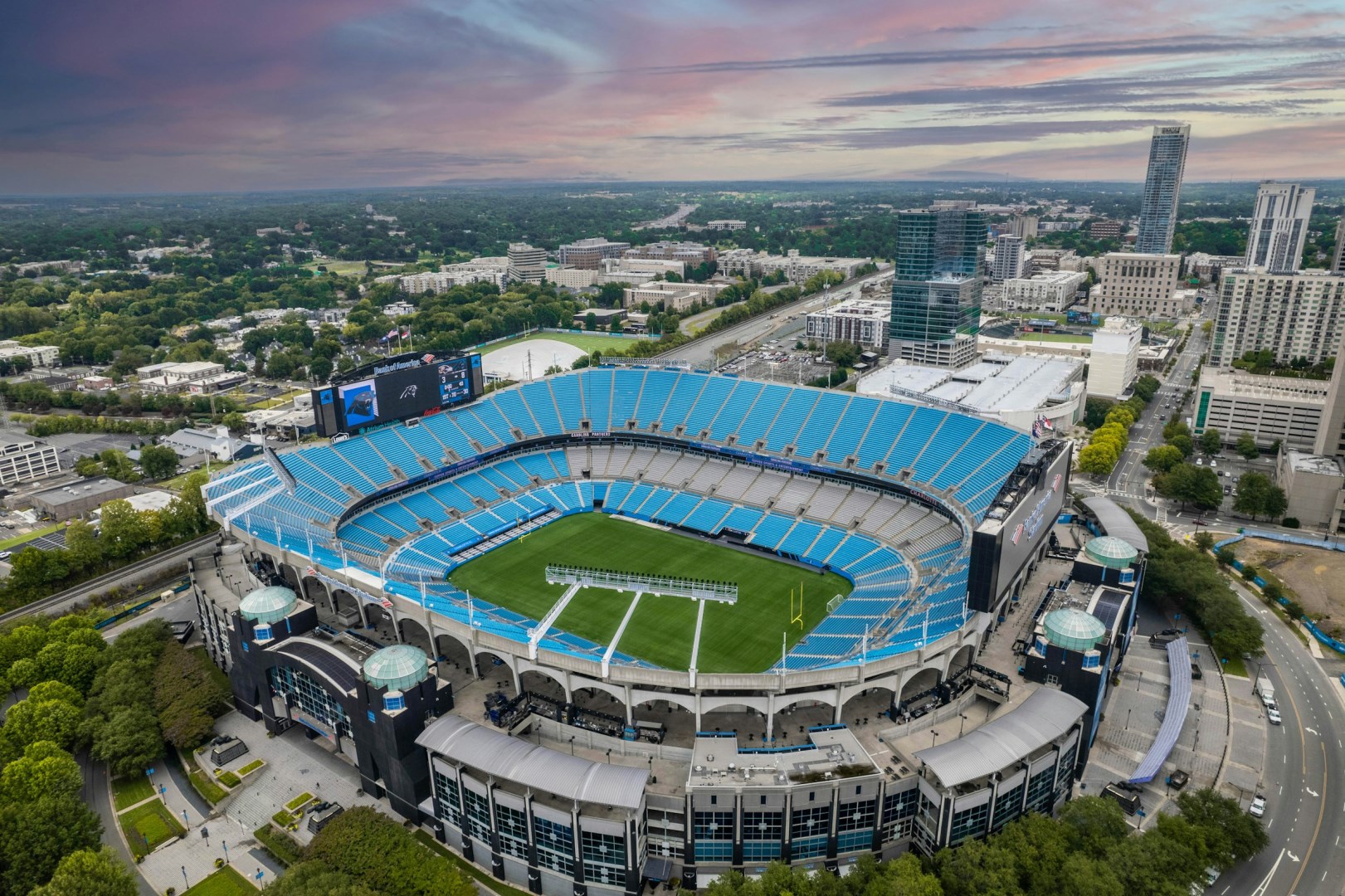
Charlotte
Founded in 1768, it is one of the South's major industrial centers for textiles, machinery and food products.
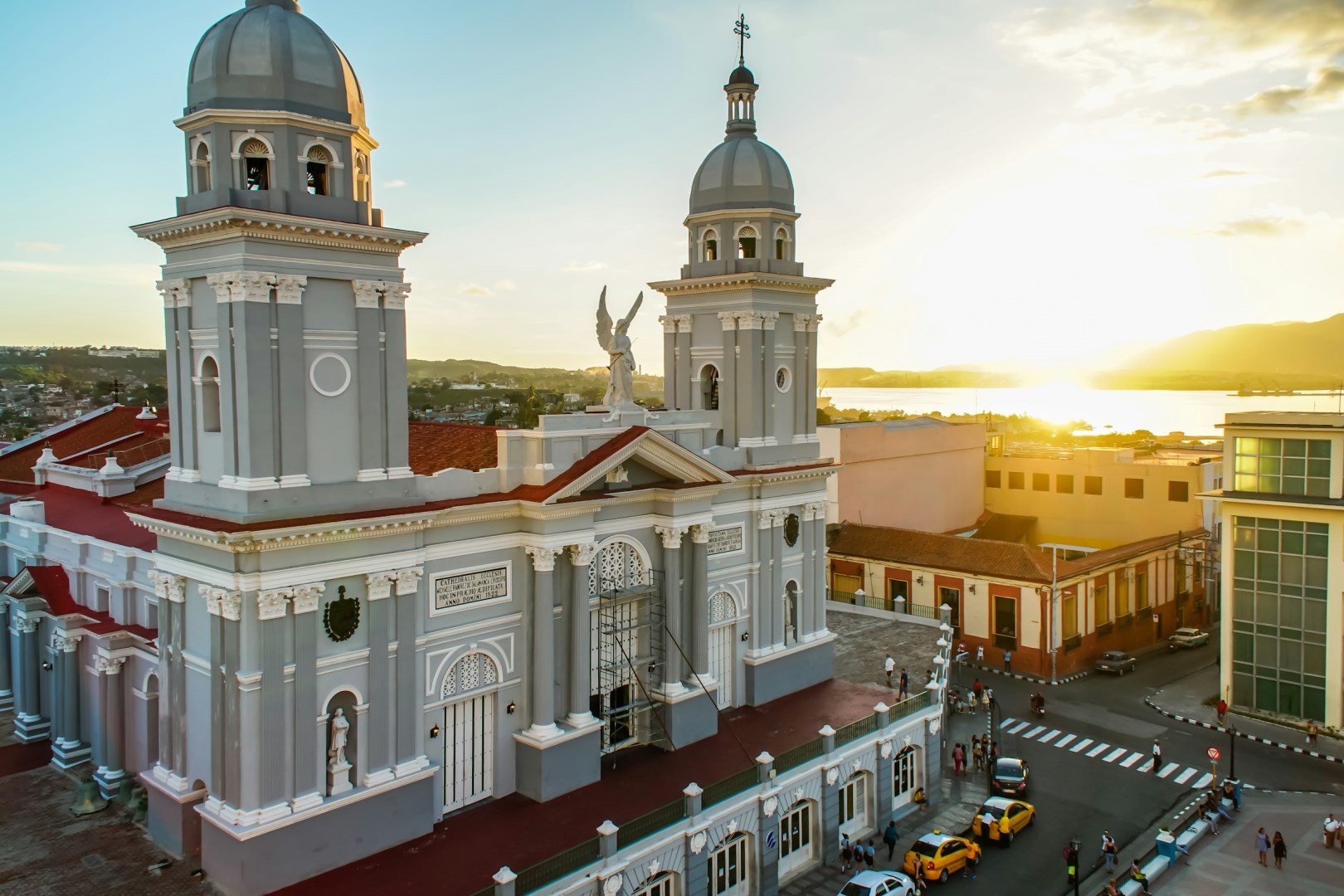
Santiago de Cuba
Santiago, the cultural capital of Cuba, is a passionate, unique destination, second in size and importance only to Havana, the governmental capital of the island. Some of Cuba's most famous musicians were born here, as well as the Bacardi brand of spirits, and the UNESCO World Heritage describes the local citadel of San Pedro de la Roca as "the most complete, best-preserved example of Spanish-American military architecture."

Antwerp
A major port city on the River Scheldt, Antwerp, Belgium, is a cultural, historical, and commercial hub and the country's most populous city. Known as the "diamond capital of the world," Antwerp is renowned for its cut diamonds.
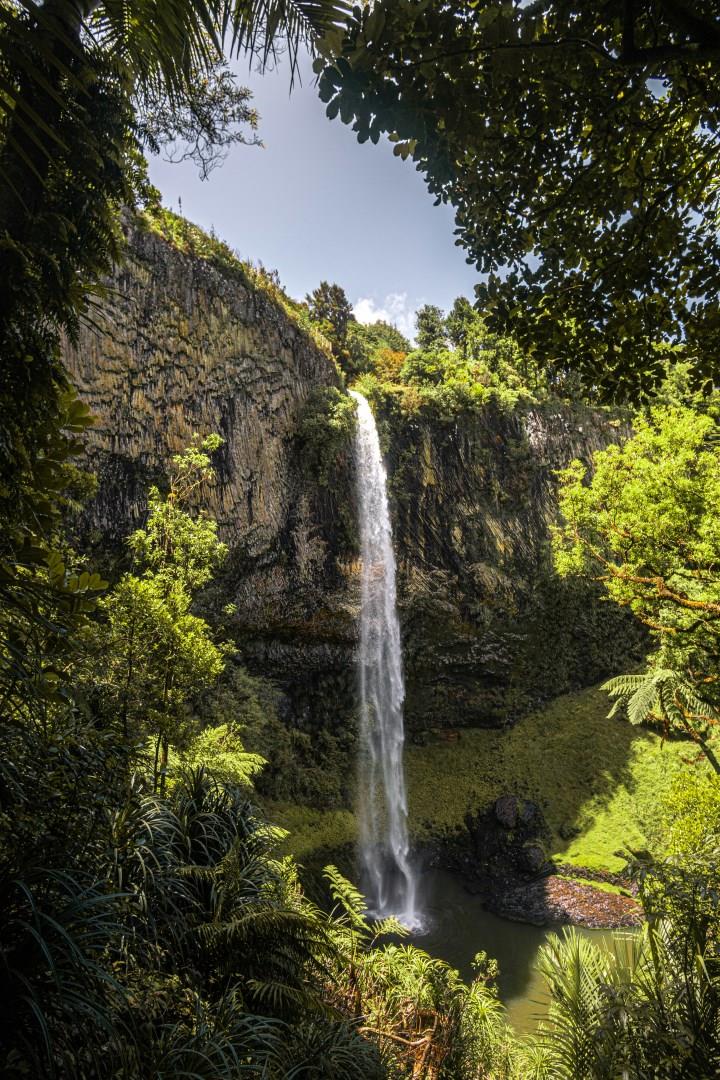
Raglan
Raglan, on New Zealand’s North Island, is a coastal town that has earned international renown for its surf culture while retaining a bohemian, community-centered spirit.
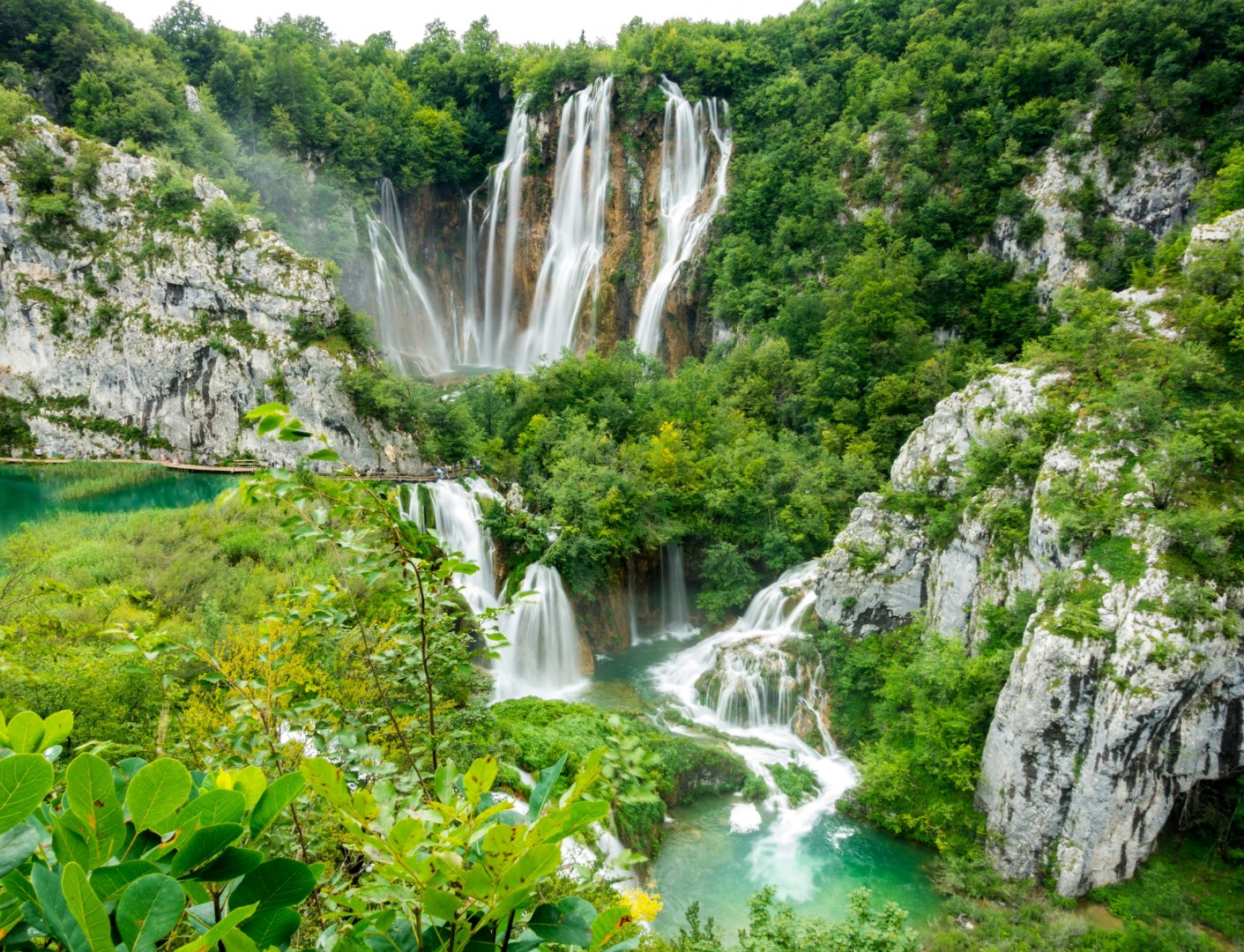
Plitvice Lakes
Plitvice Lakes National Park, a UNESCO World Heritage Site since 1979, is one of Croatia’s most captivating natural wonders. Located in the heart of the country, this mesmerizing park is renowned for its cascading lakes, lush greenery, and a network of waterfalls that create an enchanting landscape. The park’s 16 terraced lakes, connected by a series of waterfalls, range in color from emerald green to sapphire blue due to the unique mineral content and the reflection of sunlight. Visitors can ex
