
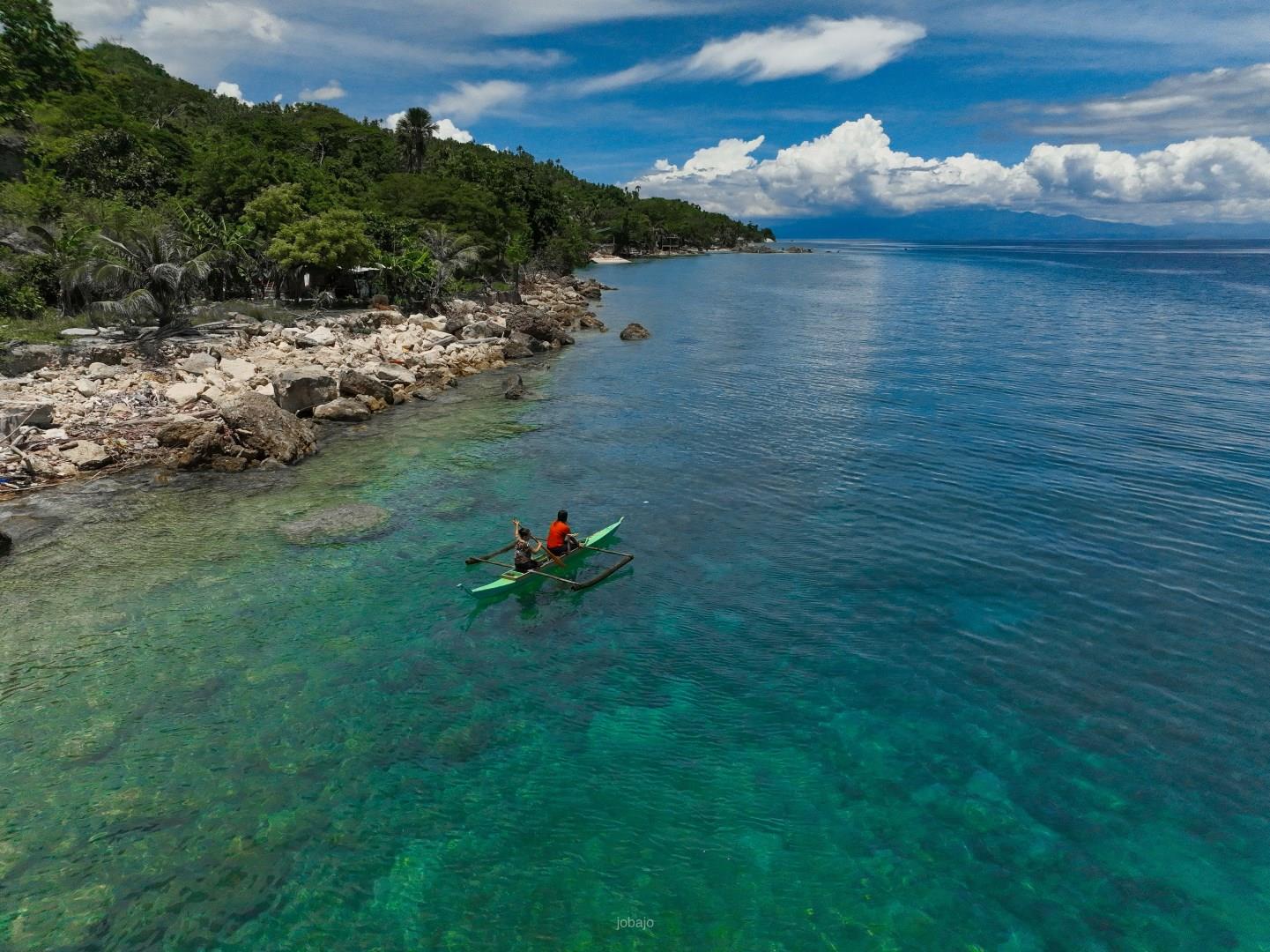
Cebu
Cebu sits at the center of the central Philippines, shaped by seafaring trade and early colonial contact. It was here that Spanish rule first took hold in the 16th century, leaving a legacy visible in churches, street patterns, and long-standing ties to Catholic tradition.
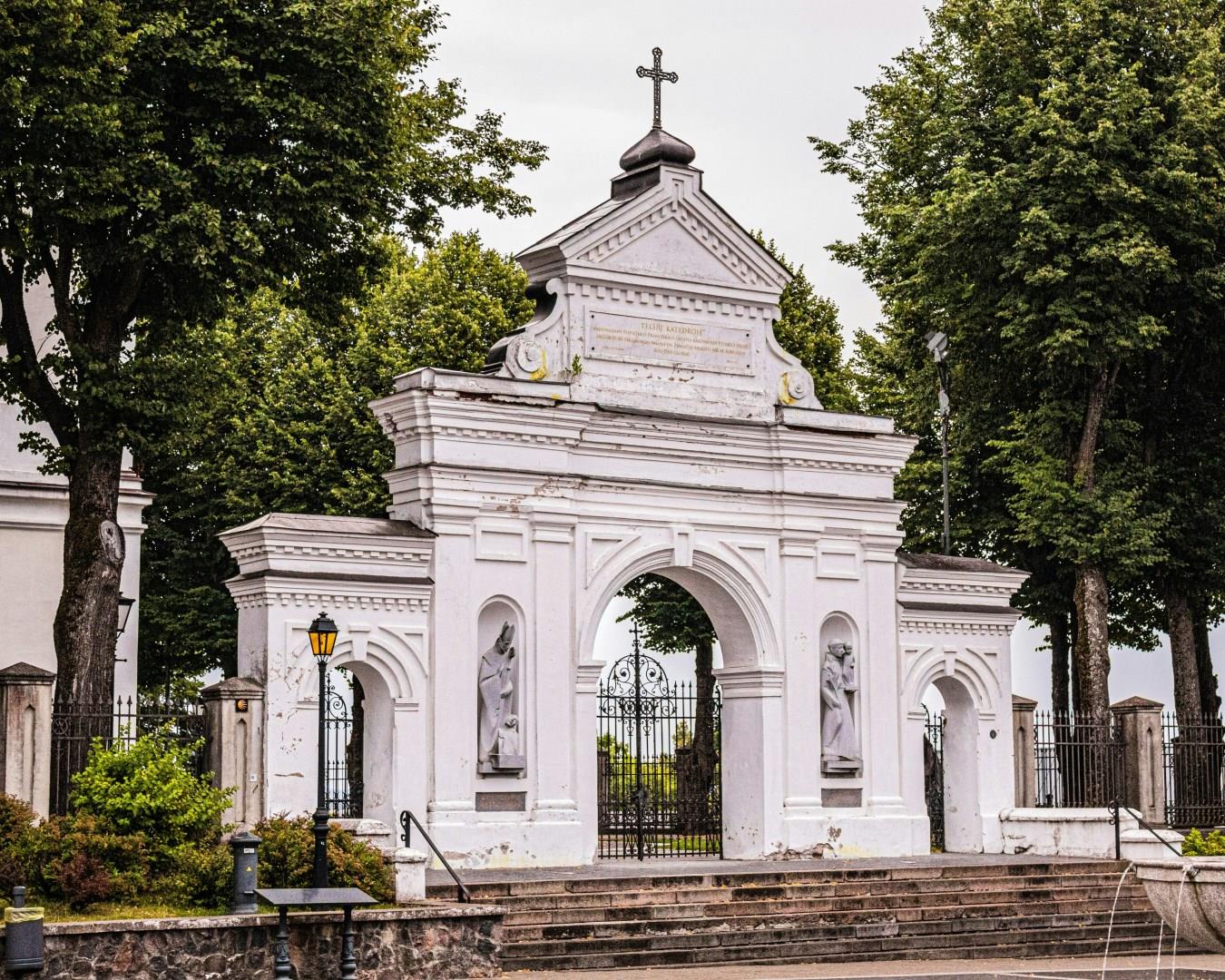
Telšiai
Telšiai, often called the capital of Lithuania’s Samogitia region, offers visitors a deep dive into a unique cultural heritage paired with striking natural settings. The town is set on the shores of Lake Mastis, where the reflections of historic buildings and lush forests create a calm and inviting atmosphere. Telšiai’s old market square bustles with life and is home to some of the town’s most notable landmarks, including the Neo-Gothic St. Anthony of Padua Cathedral.
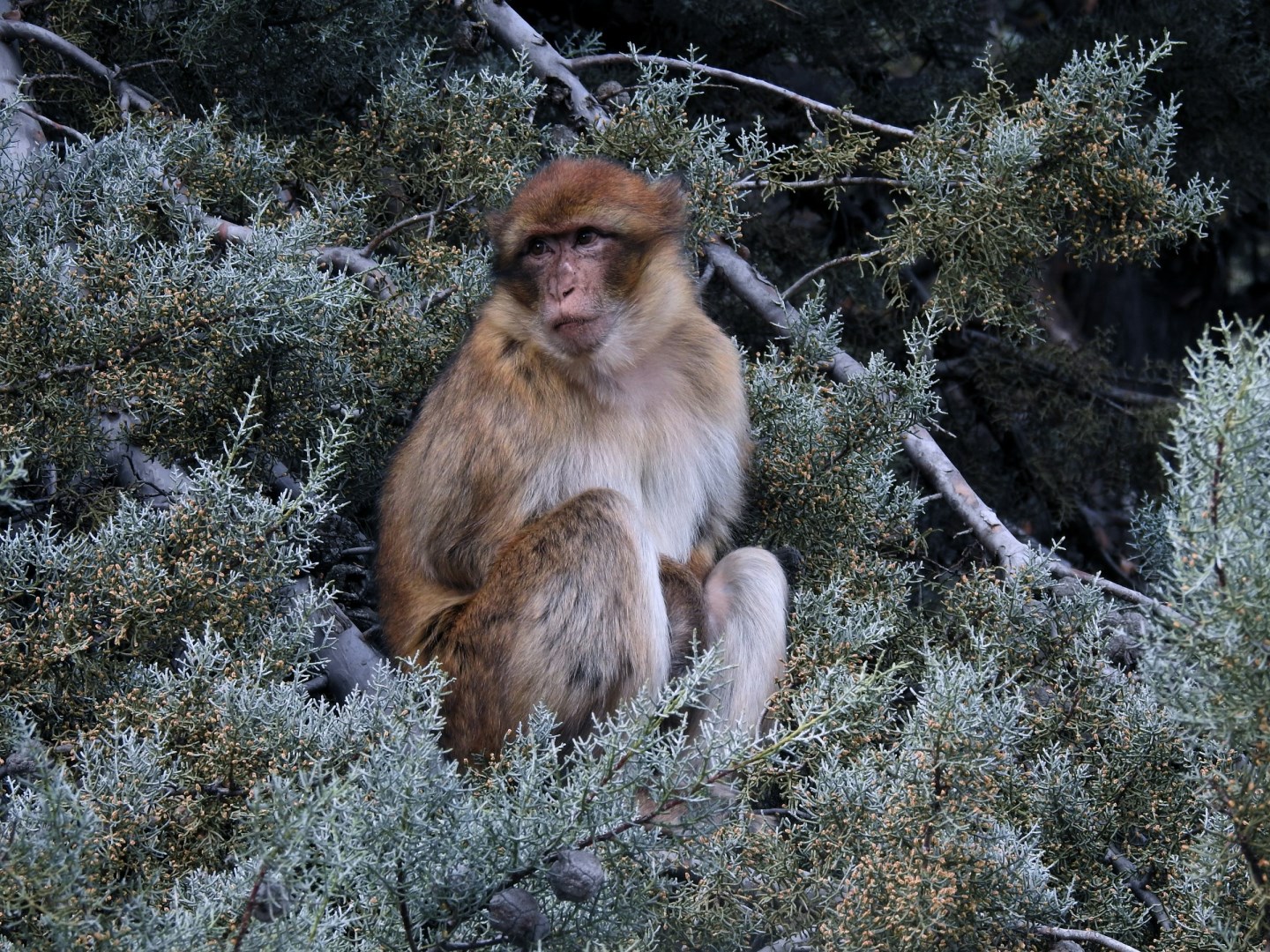
Ifrane
Ifrane is a mountain city in Morocco’s Middle Atlas, set at about 1,650 metres above sea level between Fez and Meknes. Its high elevation gives it a cooler climate than many Moroccan cities, with regular winter snowfall and mild summers.

Sydney
Sydney, Australia, is a vibrant city where iconic landmarks, diverse neighborhoods, and natural beauty converge. The Sydney Opera House, with its striking sail-like design, and the Sydney Harbour Bridge are symbols recognized around the world, yet the city offers much more beyond its famous skyline.
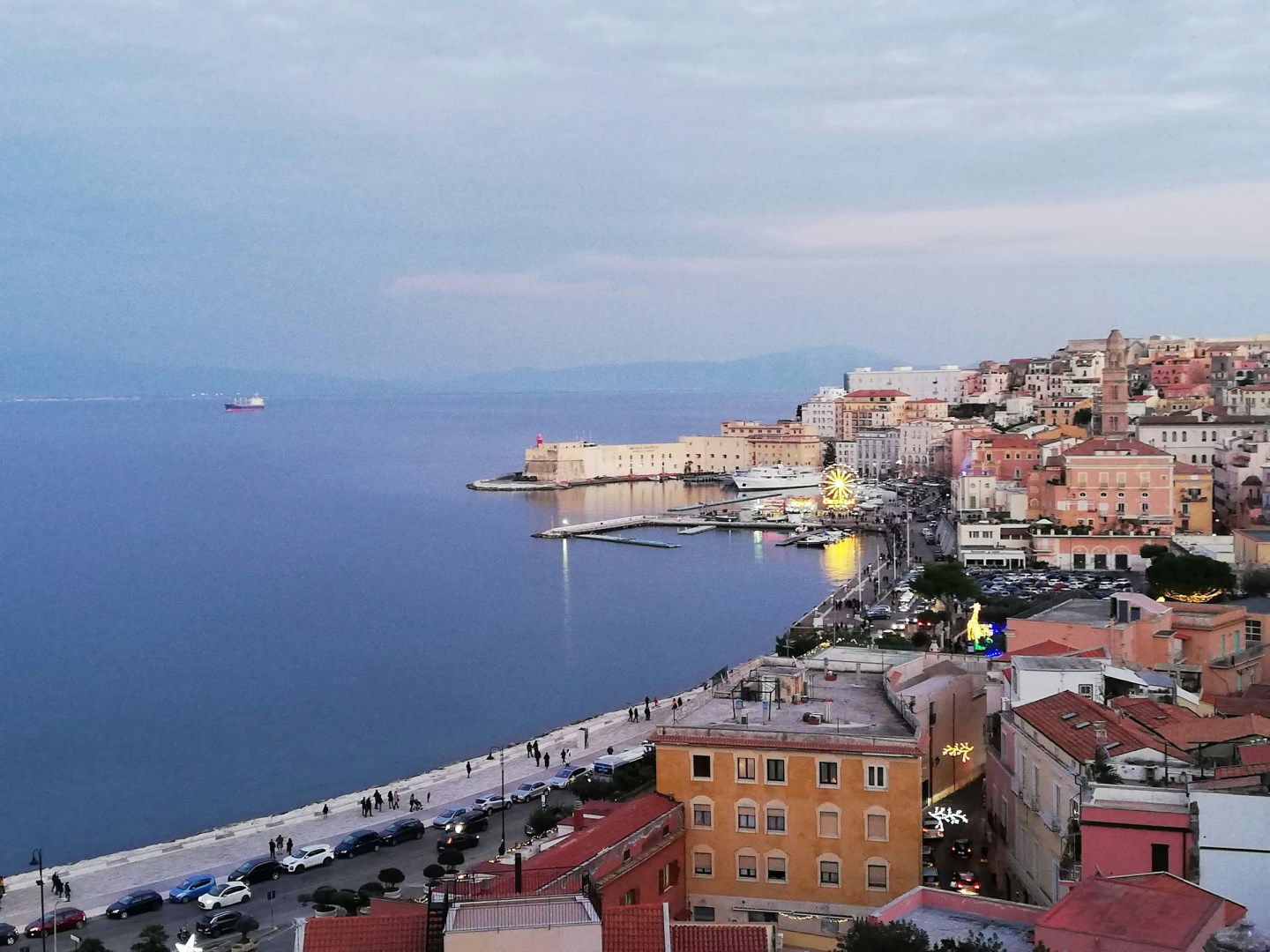
Gaeta
A fishing port and seaside resort in a picturesque location. The old town is dominated by a castle (7th century). The cathedral (1279) is notable for its admirable sculptures and paintings as well as its Arab-Norman bell tower. The mausoleum of Lucius Munatius Plancus, an impressive Roman monument, is cylindrical in shape and 13 meters high. The sanctuary of Montagna Spaccata is at Punta della Trinità, where you can see a chasm which is traditionally said to have opened up on the death of Jesus.
