
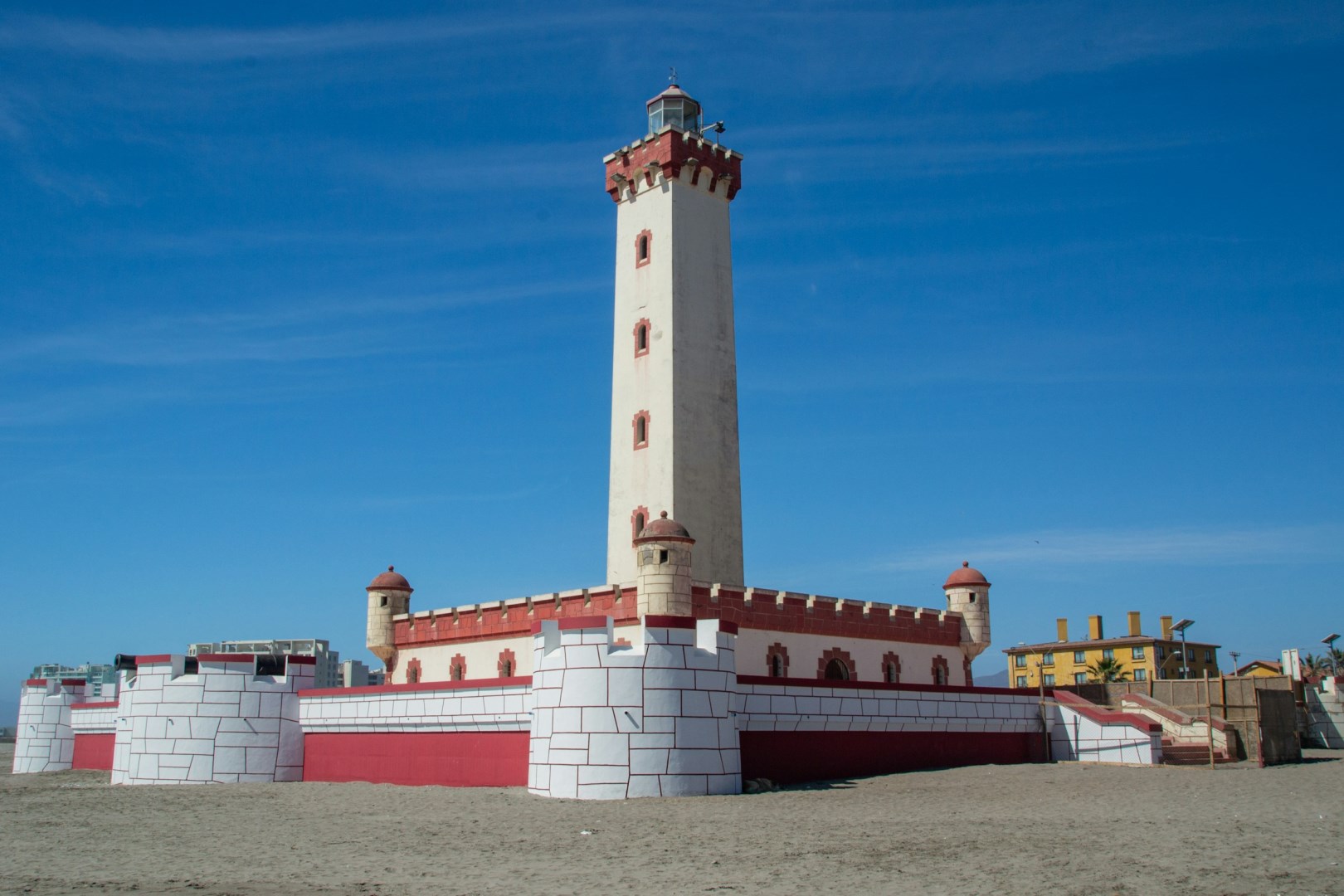
La Serena
Important both historically and economically, the beachside city of La Serena is one of Chile's oldest post-Columbian cities. The region's silver, copper and agriculture were so important that the city had its own mint. Today, La Serena maintains a colonial air, although it is threatening Viña del Mar's supremacy as premier beach resort. Apart from a string of beautiful beaches, attractions include a handful of museums and a number of nearby quaint villages and vineyards.

Coffee Axis
Nestled in the heart of the Andean mountains, Colombia's Coffee Region, or “Eje Cafetero,” is a lush tapestry of rolling hills, fertile valleys, and towering wax palms. This UNESCO World Heritage-listed landscape is more than just the epicenter of Colombia's coffee production—it is an invitation to explore a culture steeped in tradition, warmth, and a deep appreciation for the natural world.

Mahon
Mahón, the capital of Menorca, one of the Balearic Islands in Spain, is a charming and historic city that offers a blend of Mediterranean beauty, rich culture, and vibrant history. Located on the eastern coast of the island, Mahón boasts a picturesque harbor, which is one of the largest natural harbors in the world.
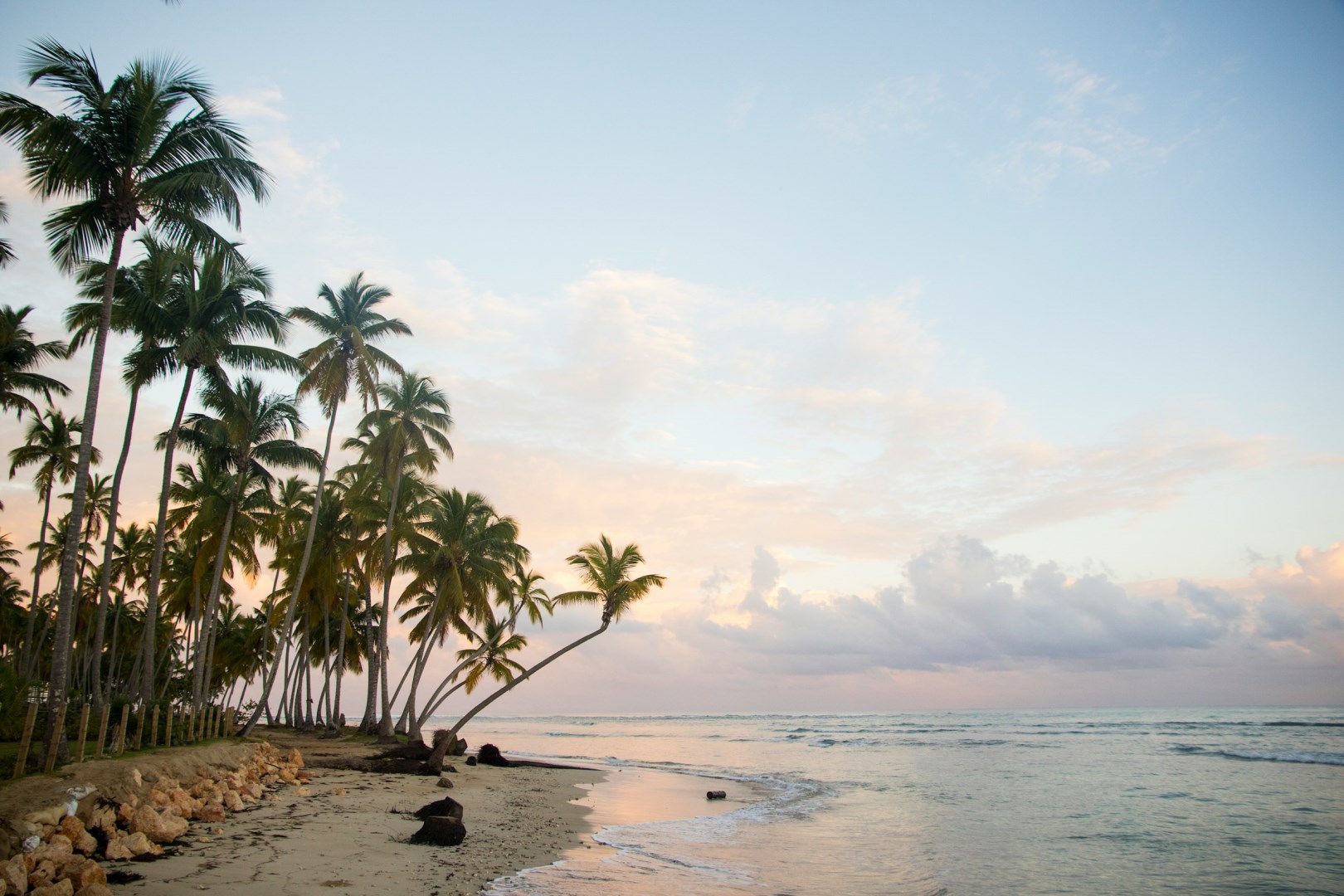
Las Terrenas
Plentiful beaches, stunning scenery, and restaurants with open-air seating distinguish the resort town of Las Terrenas. Situated in the Dominican Republic's northeast, this growing town has an increasing number of hotels, shopping centers and clubs. Away from the bustle, clear waters and underwater caverns await exploration.

Nanortalik
Nanortalik is a destination that combines pristine natural beauty, thrilling outdoor activities, and authentic cultural experiences. Whether climbing rugged peaks, kayaking through fjords, or simply immersing oneself in the town’s serene atmosphere, Nanortalik provides a unique glimpse into Greenland’s awe-inspiring Arctic world.
