

Angkor Ban
A visit to Angkor Ban offers a unique opportunity to step back in time and witness a Cambodia that remains untouched by modern development. Whether admiring the historic wooden houses, visiting the temple, or engaging with friendly locals, travelers will find this riverside village a rewarding cultural experience.

Seyðisfjörður
Nestled in the picturesque Eastfjords of Iceland, Seyðisfjörður is a small town that offers a unique blend of natural beauty and cultural charm. Surrounded by steep mountains and cascading waterfalls, the town is renowned for its vibrant arts scene and well-preserved wooden houses. Seyðisfjörður’s colorful architecture contrasts beautifully with the dramatic fjord landscape, creating a captivating setting for visitors.

San Diego
A perfect climate, a famous zoo and a relaxed SoCal vibe await visitors to San Diego. Those lucky enough to find themselves here enjoy exceptional Mexican food, oceanside walks, art galleries and exciting nightlife in the Gaslamp Quarter.

Cuenca
Nestled in the Andes Mountains, Cuenca, Ecuador, is a city that seamlessly blends colonial charm, cultural richness, and natural beauty. Known as the “Athens of Ecuador” due to its vibrant intellectual and cultural life, Cuenca's historic center is a UNESCO World Heritage Site that delights visitors with its cobblestone streets, whitewashed buildings, and red-tiled roofs.
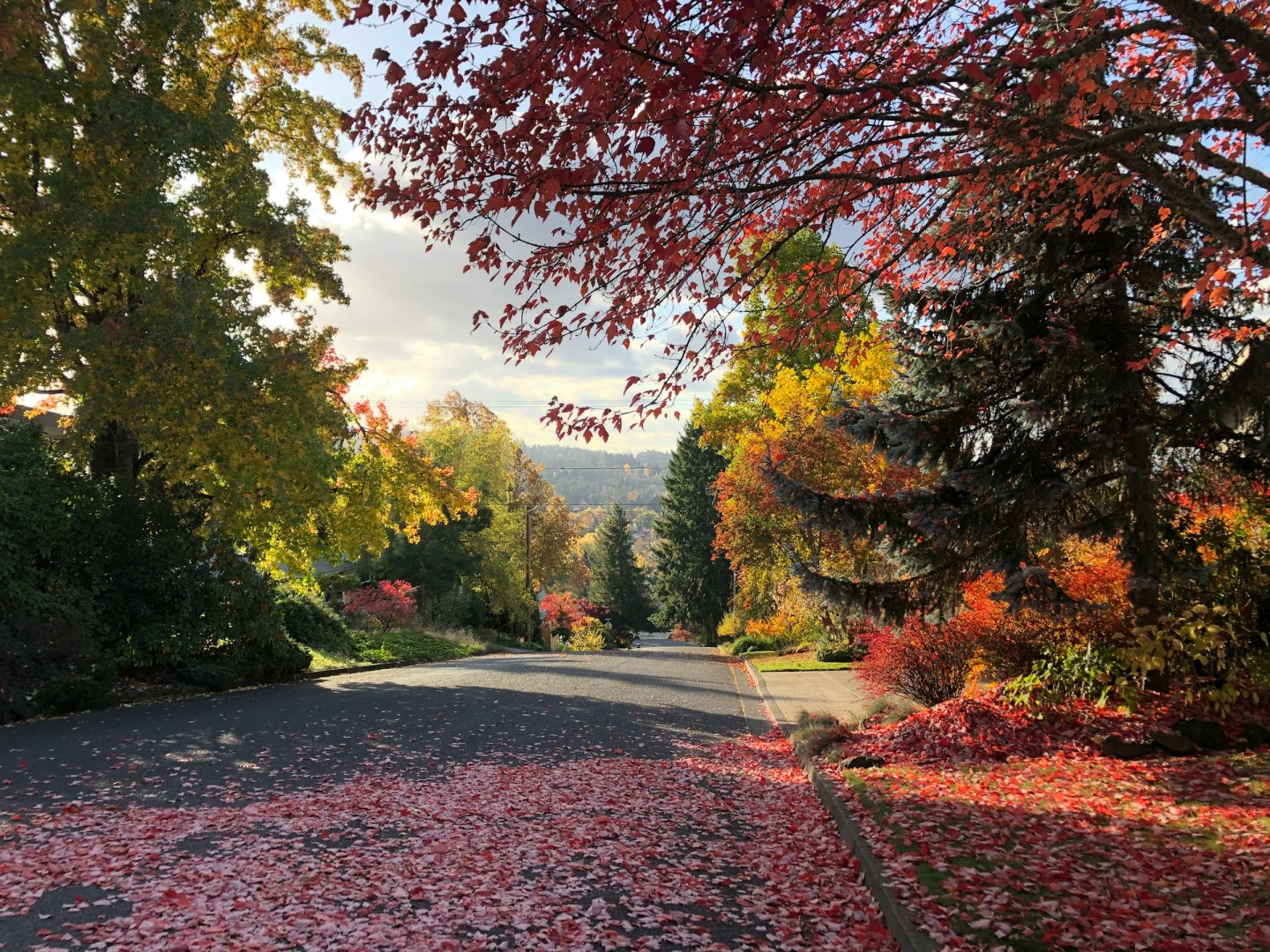
Eugene
Eugene is home of the University of Oregon. It is a culturally and athletically diverse city. Bicycling magazine rates it as one of the top cycling communities in the country because of its numerous scenic bike baths. The Saturday Market features musical performers, arts and crafts, and fresh produce. Neighboring Springfield is the gateway to the McKenzie River Recreation Area, featuring whitewater rafting and camping.
