
Lüderitz
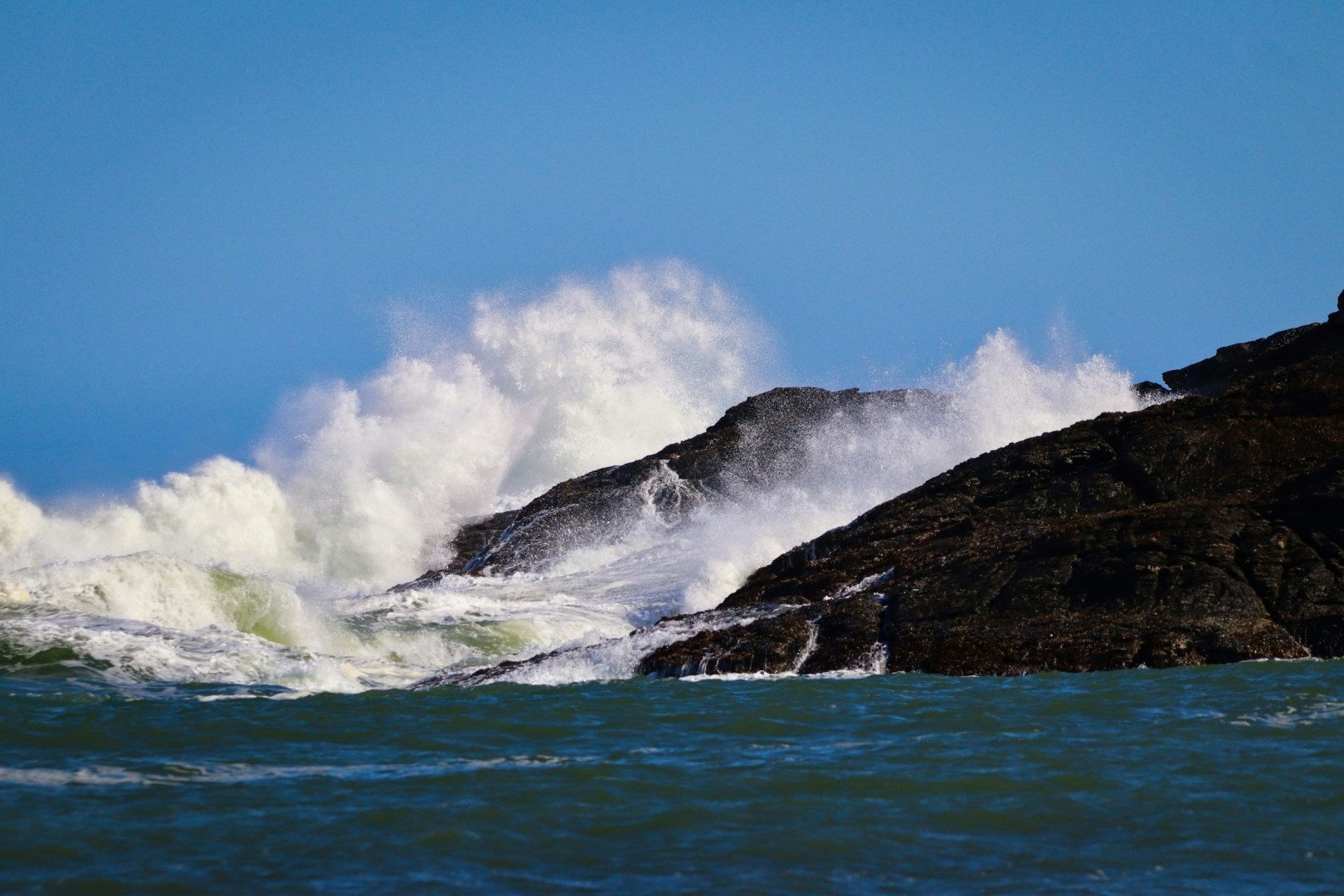
This coastal town in southwestern Namibia is known for its German colonial buildings, including the art nouveau Goerke Haus, built into the rock face on Diamond Hill. Nearby, Felsenkirche is a hilltop church with panoramic bay views stretching around to Robert Harbor. The Lüderitz Museum has displays about the town’s diamond mining past as well as local and natural history.
Bronnoysund
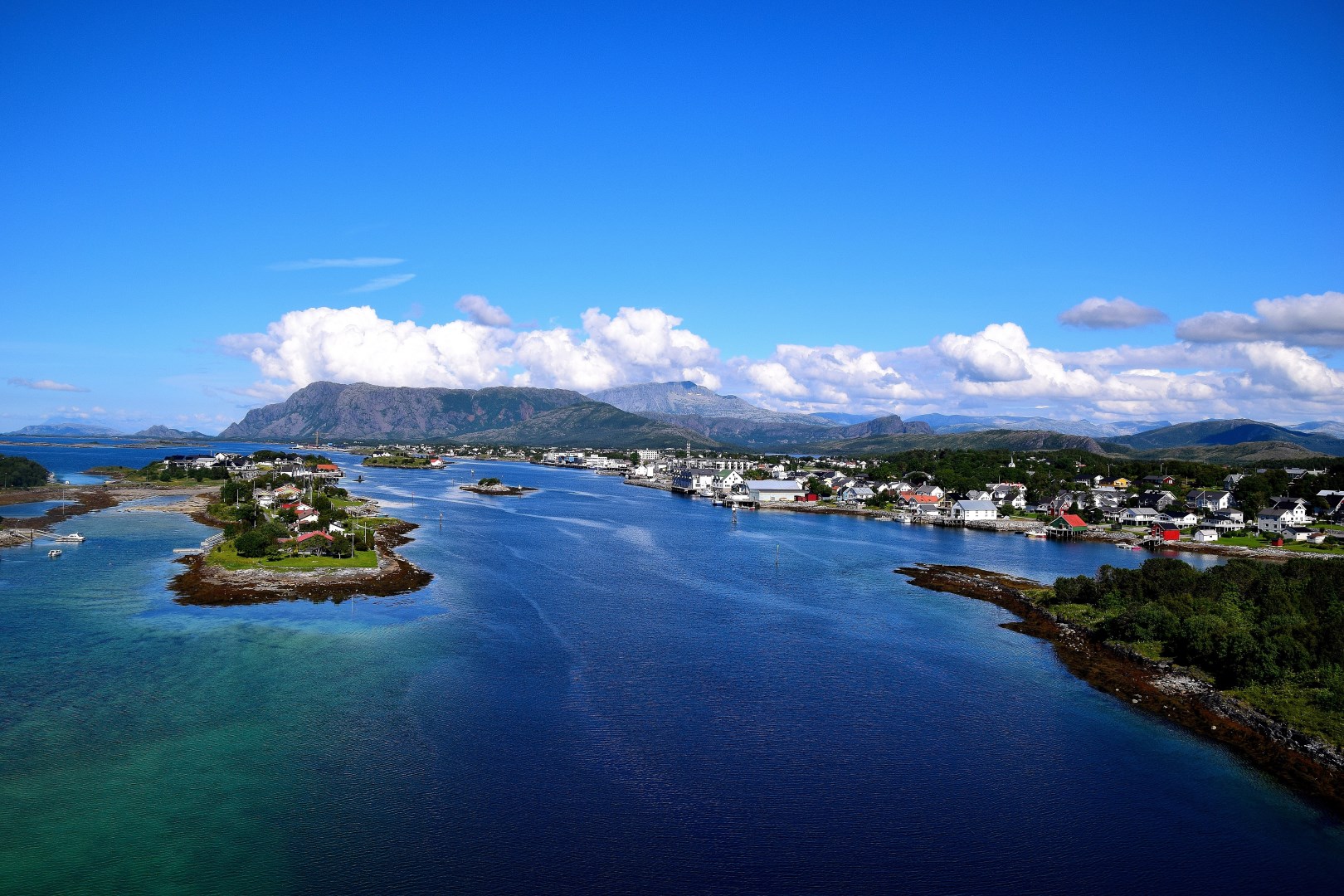
Brønnøysund sits along the Helgeland coast in Norway, surrounded by islands, narrow straits, and open sea. The town serves as a natural gateway to this coastal landscape, where boats move between scattered islets and fishing communities. Its harbor remains central to daily life, with working vessels sharing space with coastal cruise ships that pass through on longer journeys. The setting offers constant change, as weather and light reshape the view from hour to hour.
Tangalle
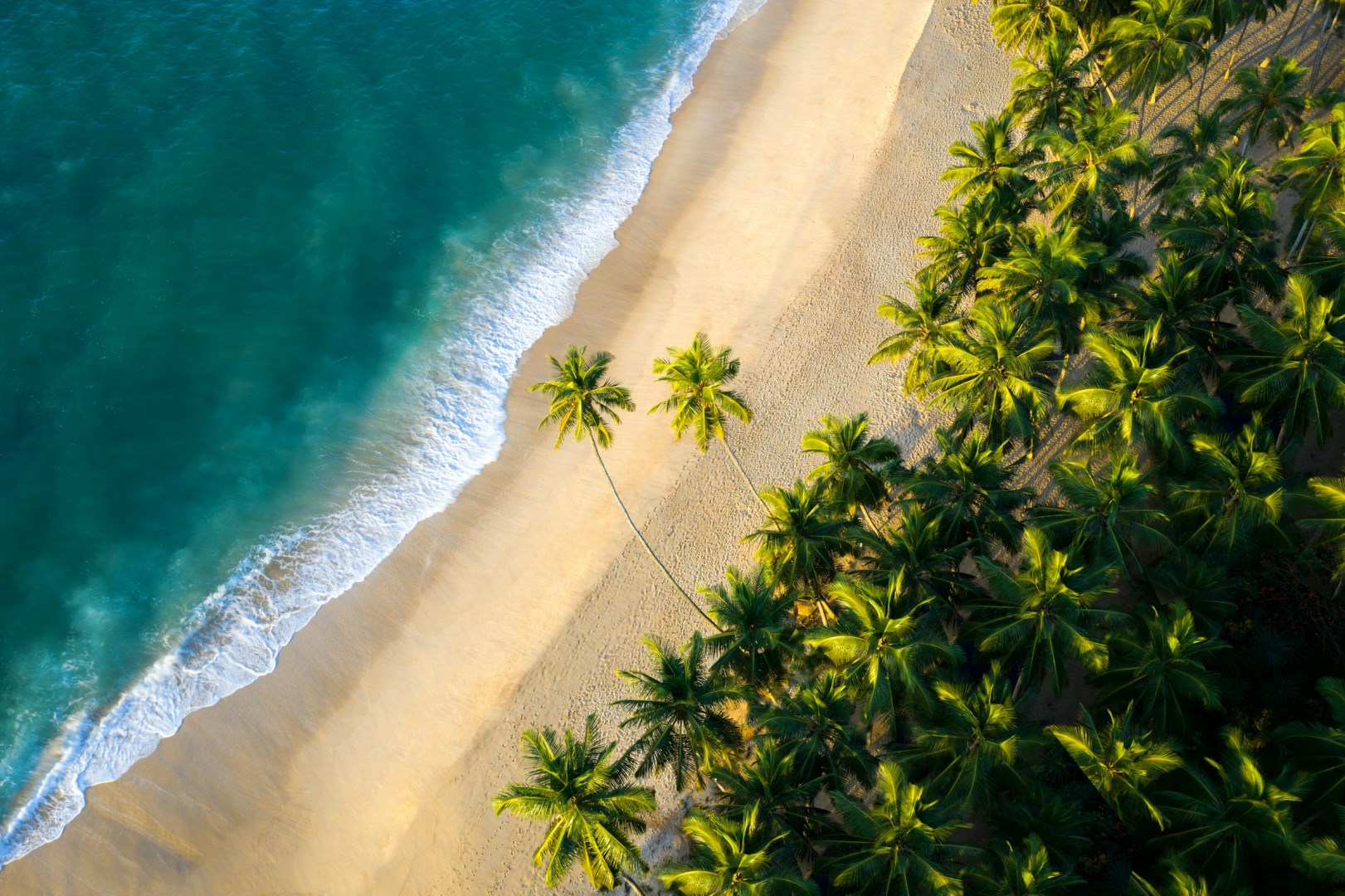
Tangalle is a coastal town in Sri Lanka’s Southern Province, set around one of the island’s larger natural bays. Its shoreline is divided into a series of sandy beaches and smaller coves, including Medaketiya, Goyambokka, Pallikkudawa, and Medilla. Tangalle remains an important fishing port, while tourism has developed around its beaches, seafood restaurants, and small hotels.
Burabay
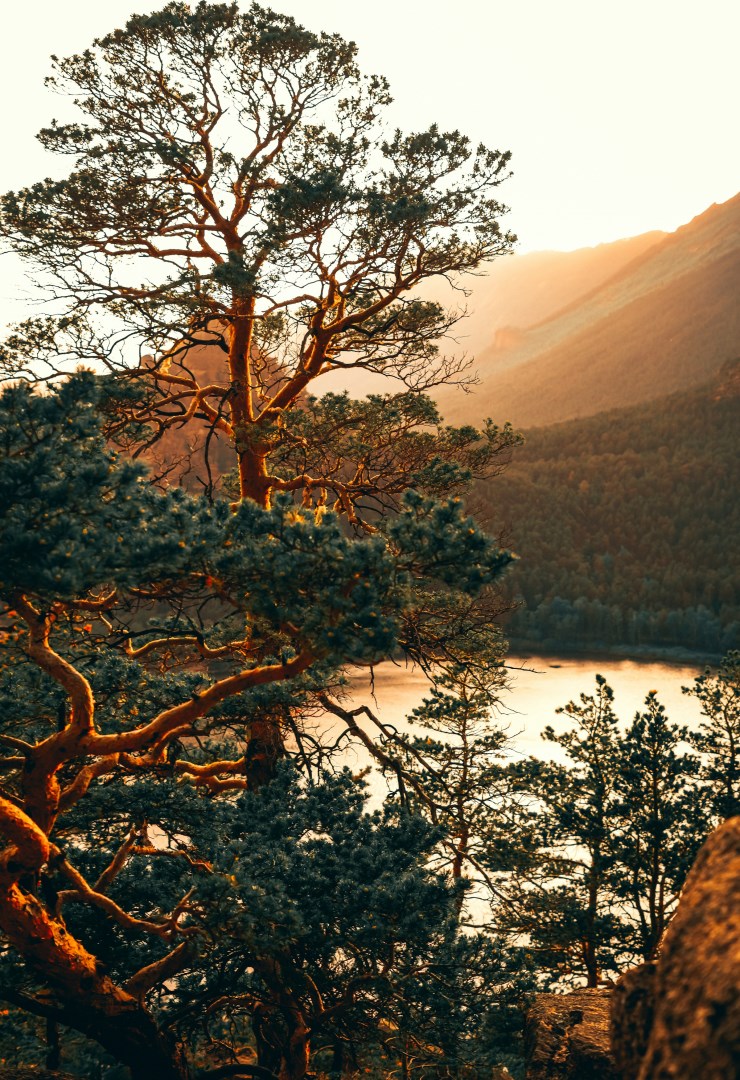
Burabay is a resort area in northern Kazakhstan, located within Burabay National Park in Akmola Region. The area is known for its combination of granite mountains, pine forests, freshwater lakes, and open steppe. Lake Burabay, one of the region's best-known bodies of water, lies among wooded hills and distinctive rock formations.
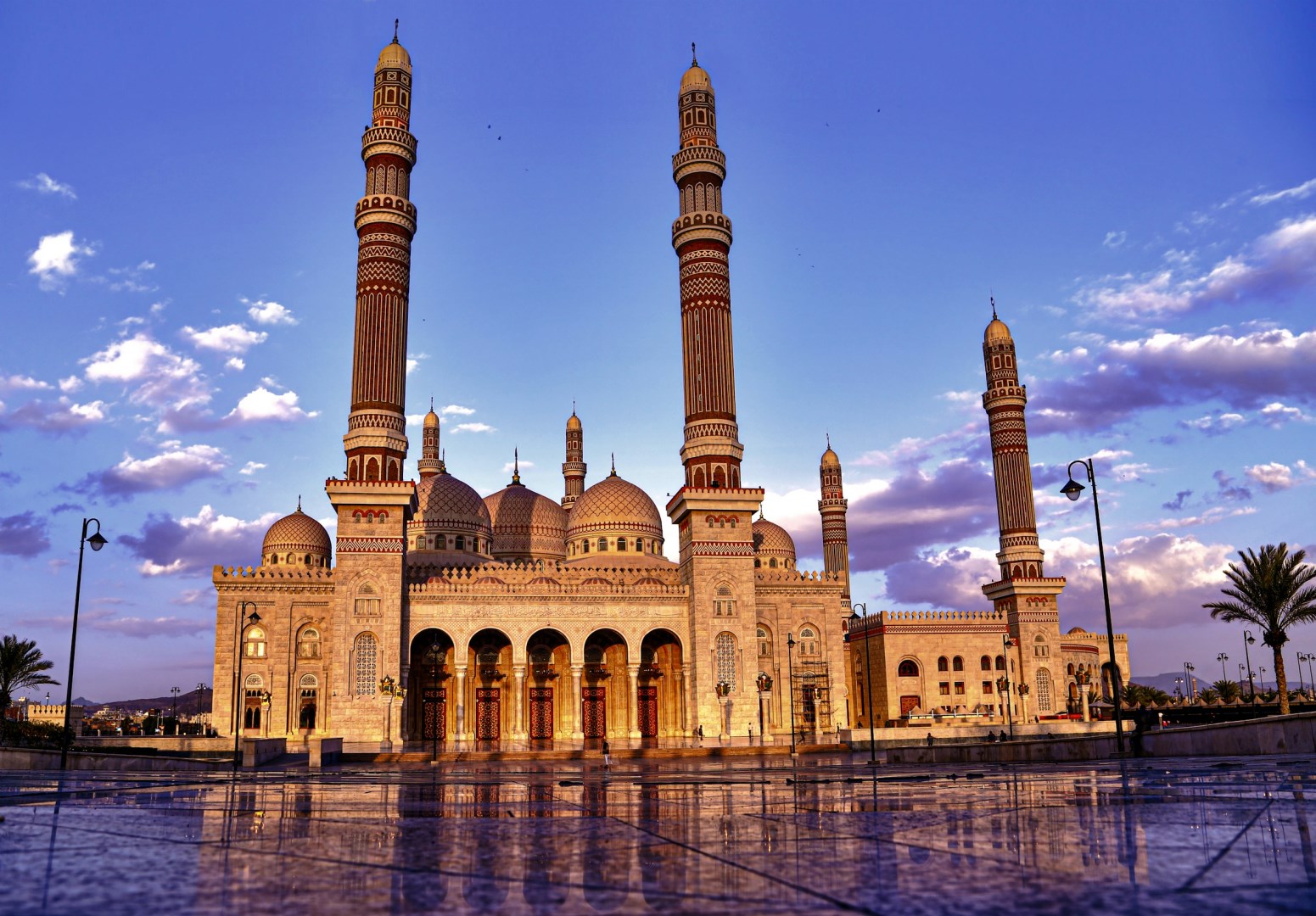
Yemen
Yemen’s Old City of Sana'a stands as a living mosaic of civilizations. Just past the ornate Bab al‑Yaman gate, towering homes made of adobe, lime plaster, and layered with qatad (plaster) rise like giants in the maze of markets and quiet courtyards. Nearby, the ruins of Ghumdan Palace, once said to rival skyscrapers, recall a pre‑Islamic past and offer echoes of bygone architectural ambition.
