
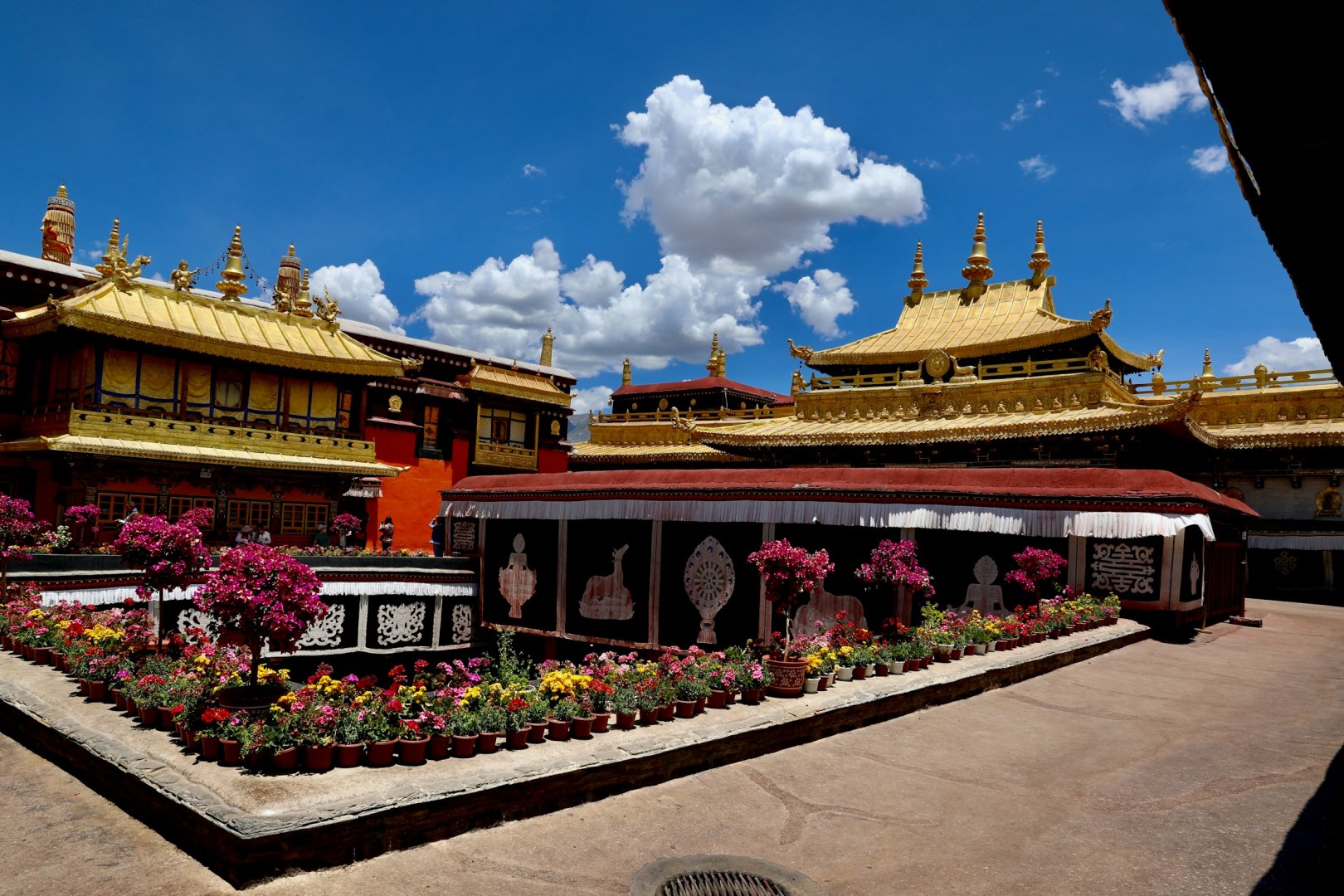
Lhasa
One of the world's highest plateaus (approximately 12,000 ft. above sea level). Home to the Potala Palace, former living quarters of the Dalai Lama. Visit one of Tibet's holiest shrines, the revered 7th century Jokhang Temple, where pilgrims come to prostrate themselves before the statue of the Sakyamuni Buddha, lavishly enthroned in silver and gold.

Dominica
Dominica, known as the “Nature Island of the Caribbean,” is a haven for eco-tourists and adventure seekers. Nestled between the French islands of Guadeloupe and Martinique, this lush island boasts a remarkable landscape of volcanic mountains, dense rainforests, and stunning waterfalls. Dominica’s most iconic natural wonder is the Boiling Lake, the second-largest hot spring in the world.

Porto Santo Stefano
Porto Santo Stefano features two main ports which serve as gateways to the nearby Tuscan Archipelago. Visitors can enjoy the crystal-clear waters and pristine beaches, perfect for swimming and snorkeling.
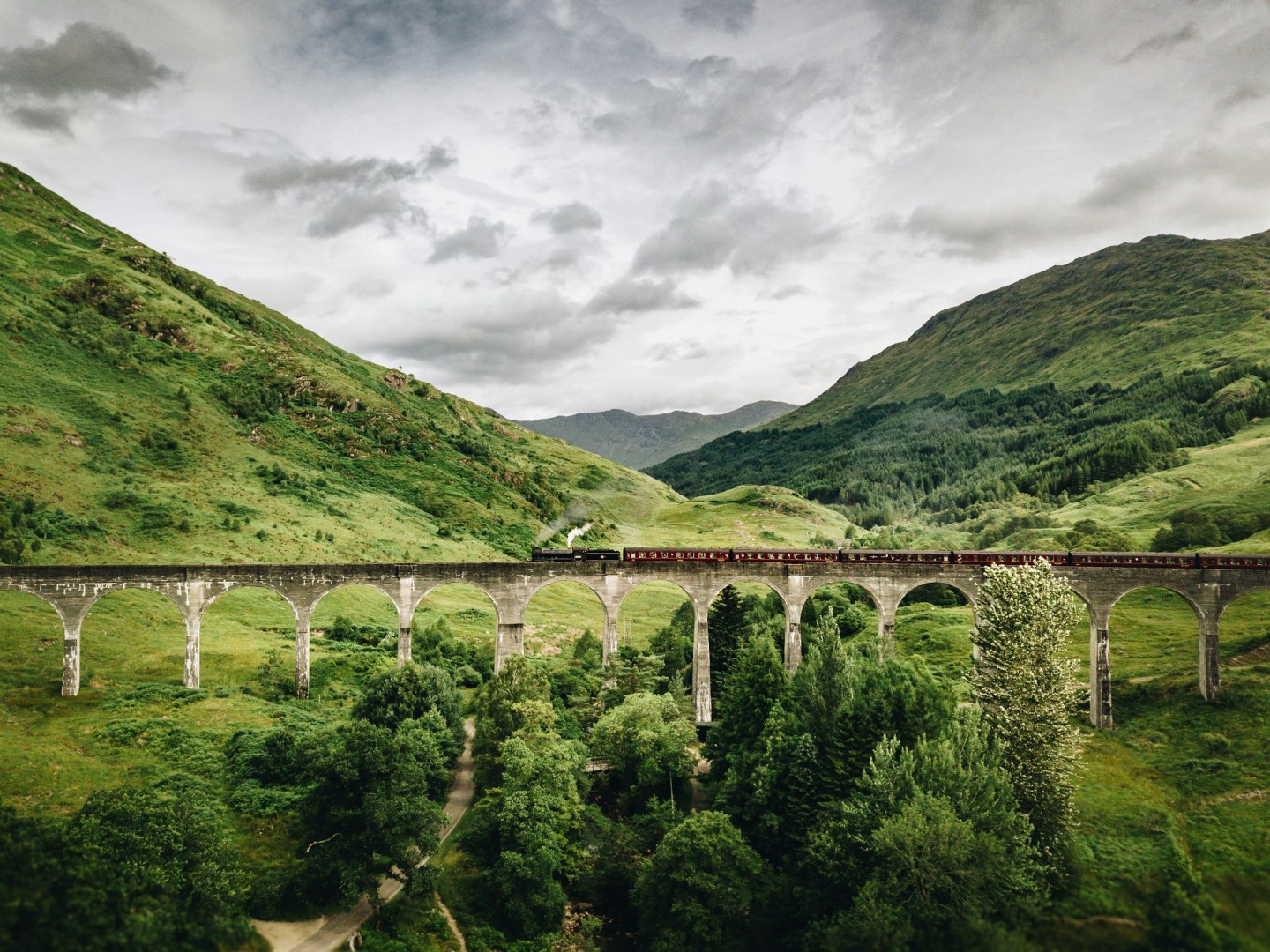
Glenfinnan
Glenfinnan, nestled in the Scottish Highlands, is a picturesque village renowned for its dramatic landscapes and historical significance. This small but enchanting destination is best known for the Glenfinnan Viaduct, an architectural marvel completed in 1901.
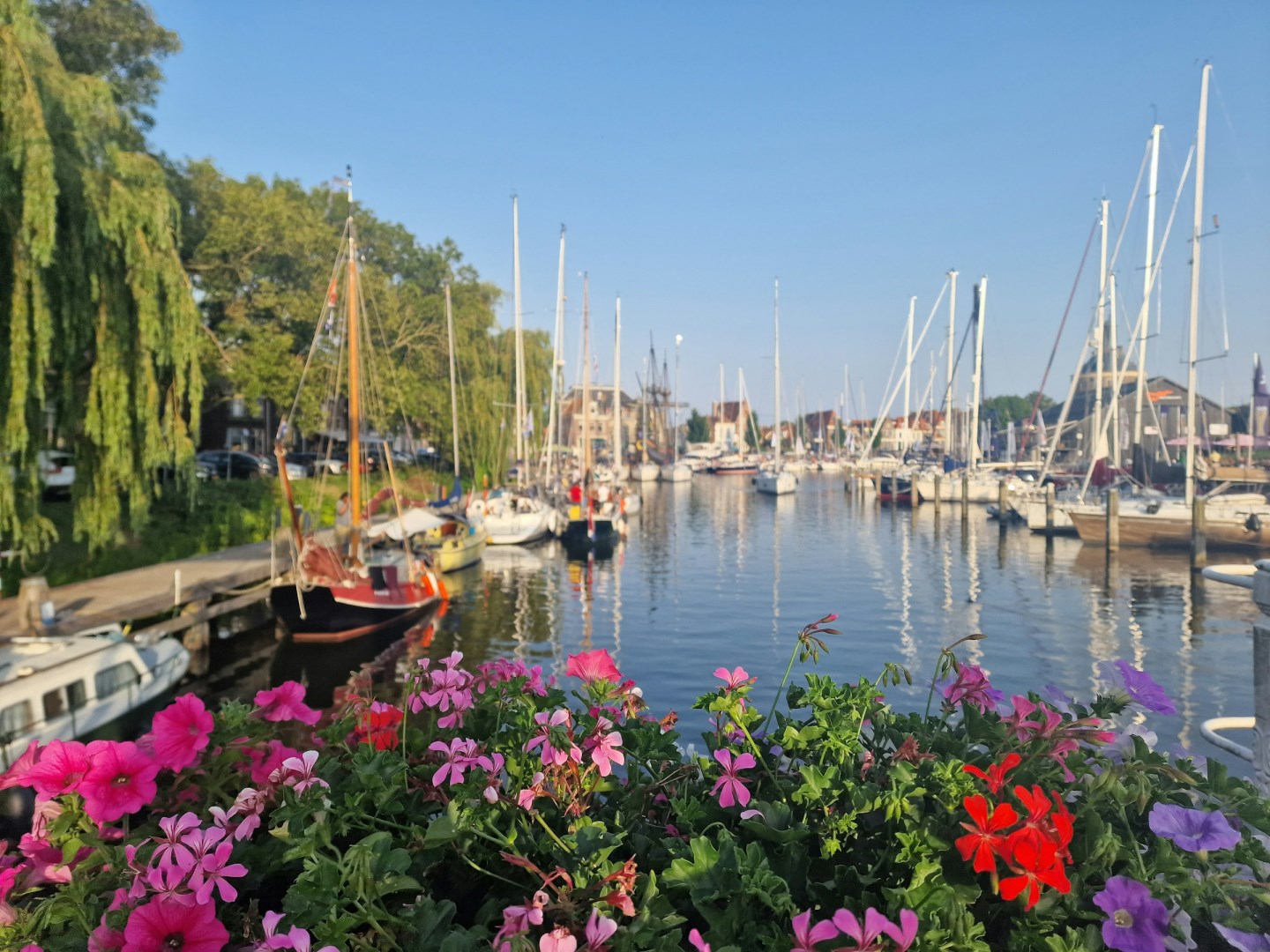
Enkhuizen
Many consider this the prettiest town in Holland, with its well preserved 15th to 17th century buildings.
