

York
York, England, is a city where over 2,000 years of history comes to life. Originally founded by the Romans in 71 AD as Eboracum, York has witnessed the rise and fall of empires, from the Vikings to the Normans. Today, the city retains its medieval charm, with its historic York Minster, one of the largest Gothic cathedrals in Northern Europe, standing proudly as its centerpiece.
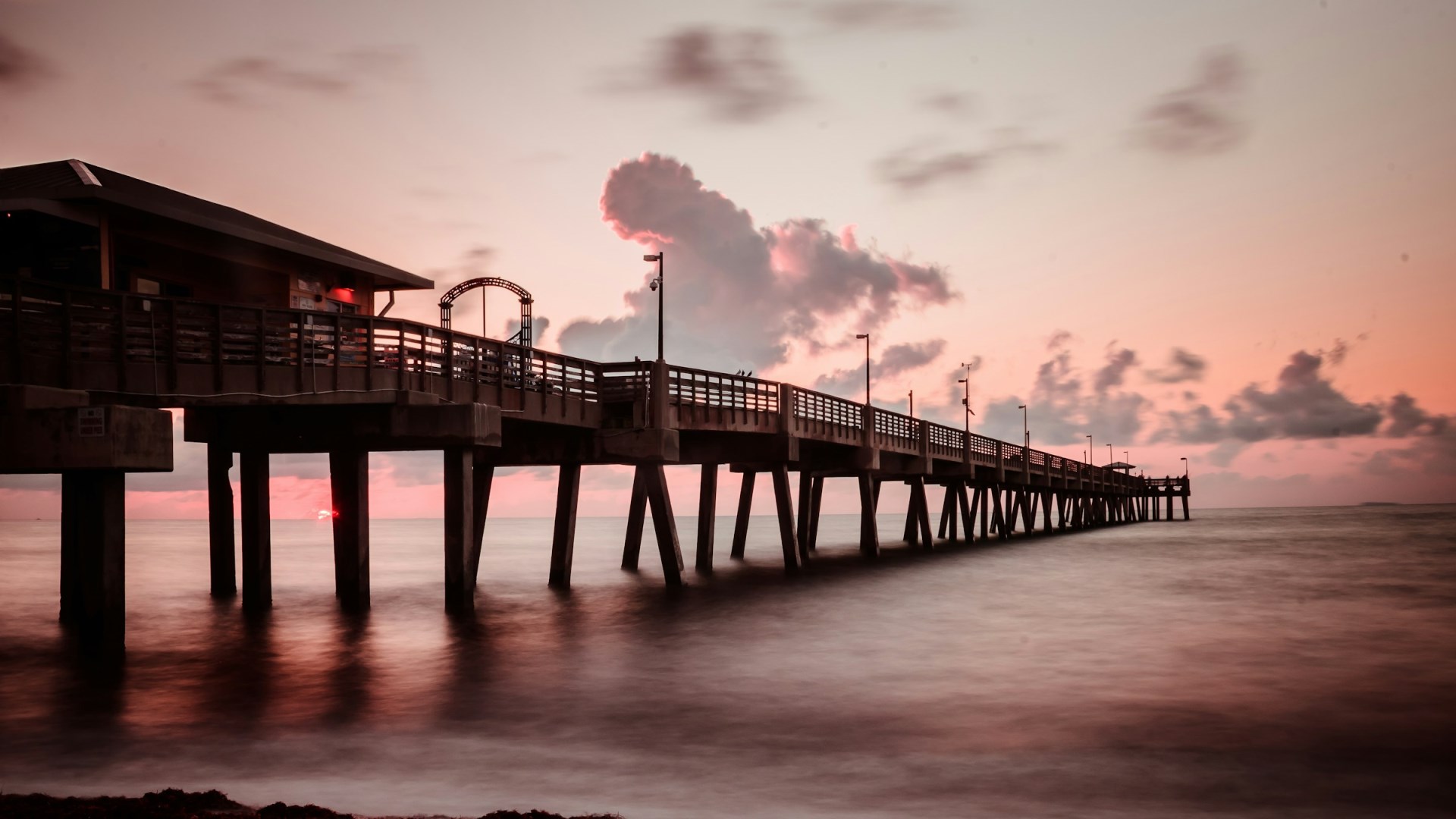
Dania
Dania has a small town atmosphere. Highlights include shopping, fishing, clean beaches, recreational activities. Visit the Graves Museum of Archaeology.
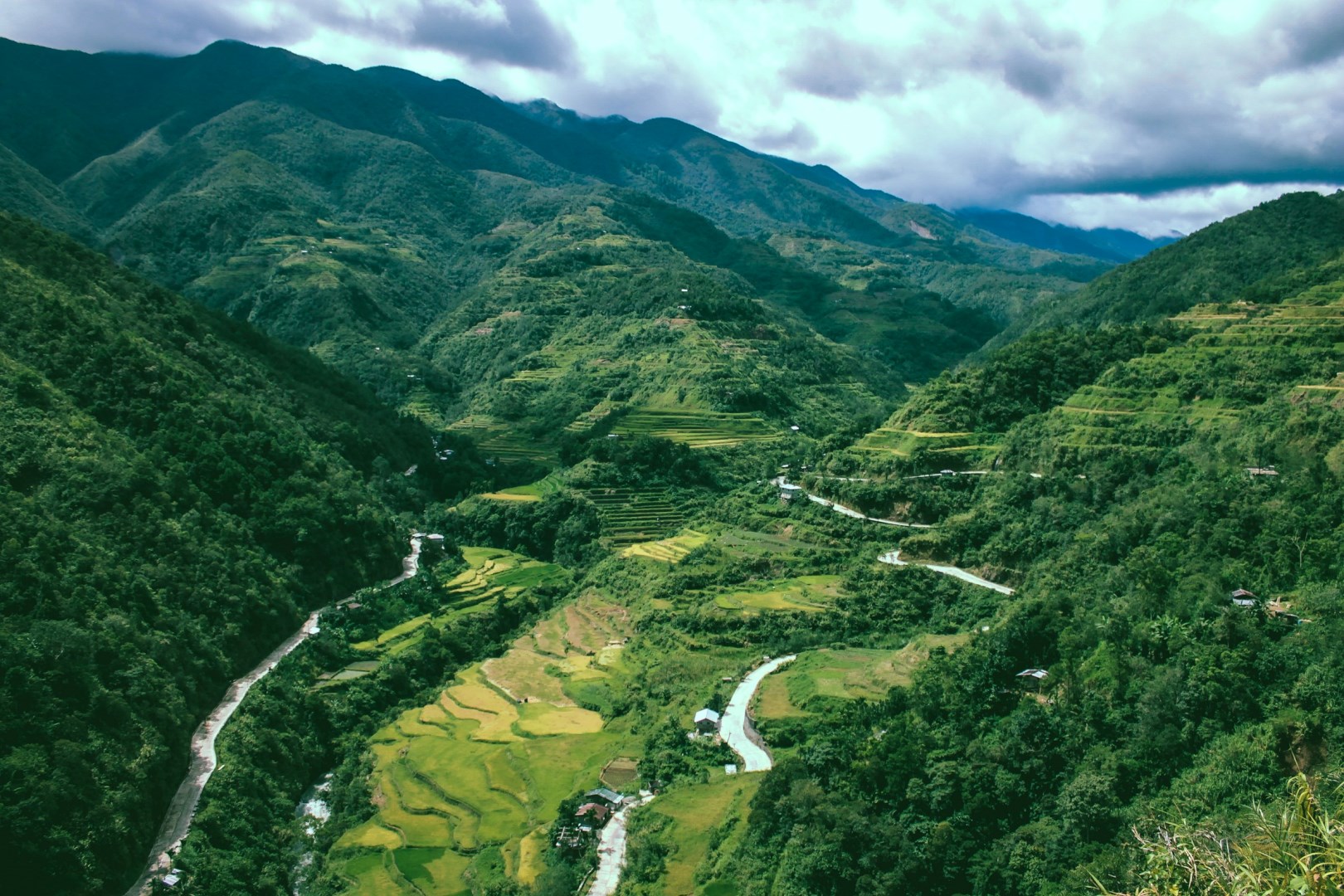
Luzon
Luzon is the 15th largest island in the world, and the most populous island in the Philippines, home to 53 million people and the country’s capital, Manila. Luzon boasts a unique and eye-catching topography, with a variety of terrains and distinct geographical features. The north’s flat coastline and tropical pine forests meet at the site of Mount Pulag, Luzon’s tallest mountain peak.

Java Sea
The Java Sea sits between the islands of Java, Sumatra, Borneo, and Sulawesi in Indonesia and is a destination rich in natural beauty, history, and vibrant cultures. This shallow sea is known for its stunning turquoise waters, pristine islands, and fascinating marine life.
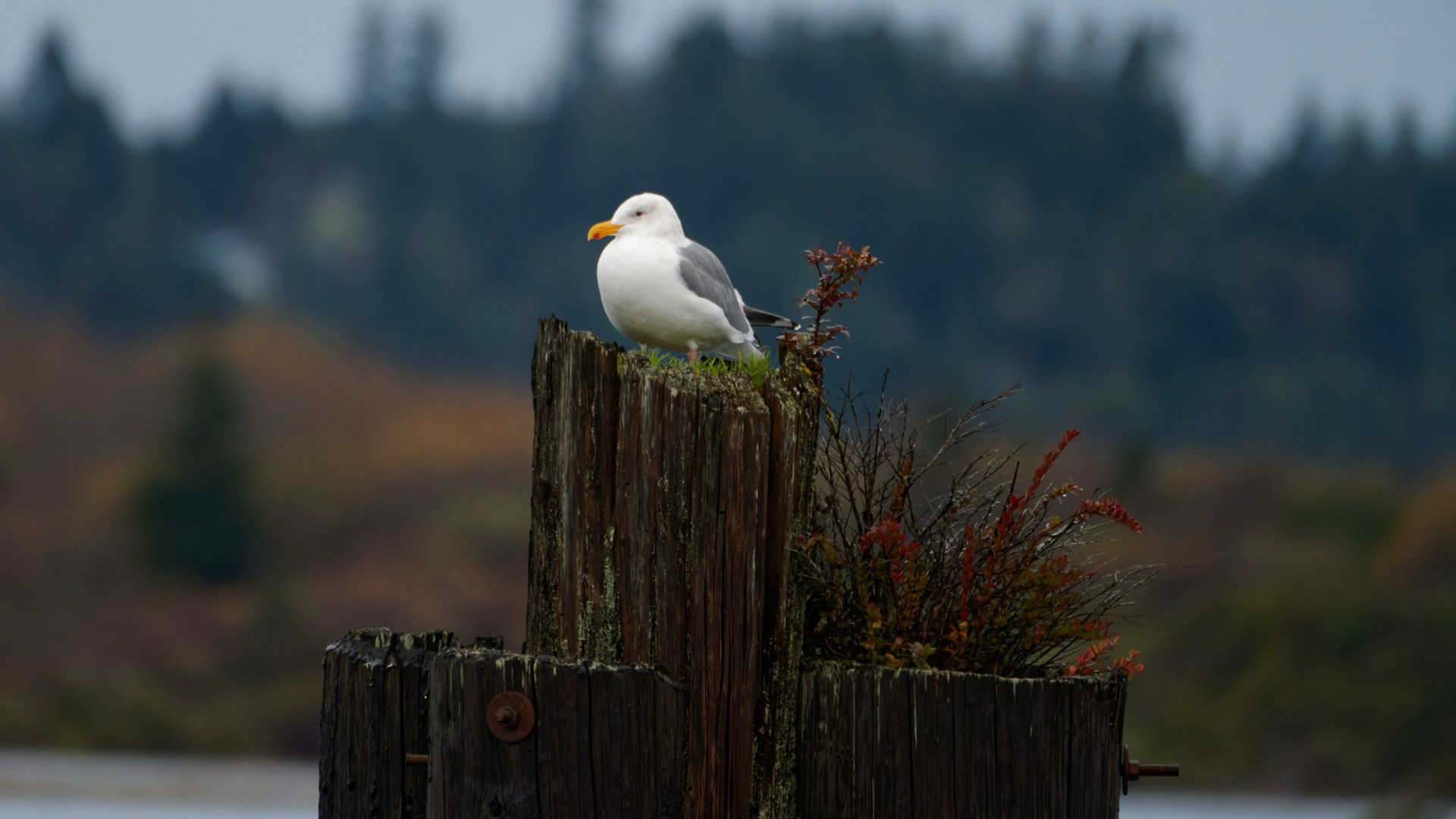
Coos Bay
Coos Bay is the Coast's largest urban community and a major wood products shipping center, thanks to the deepest harbor between San Francisco and Puget Sound. In addition to museums, shops and theaters, Coos Bay is well known for its myrtlewood and diverse activities in beautiful surroundings. Visit the Coos Art Museum; fish for chinook and coho salmon in the Coos River or the ocean; take a drive out to Golden and Silver Falls State Park.
