
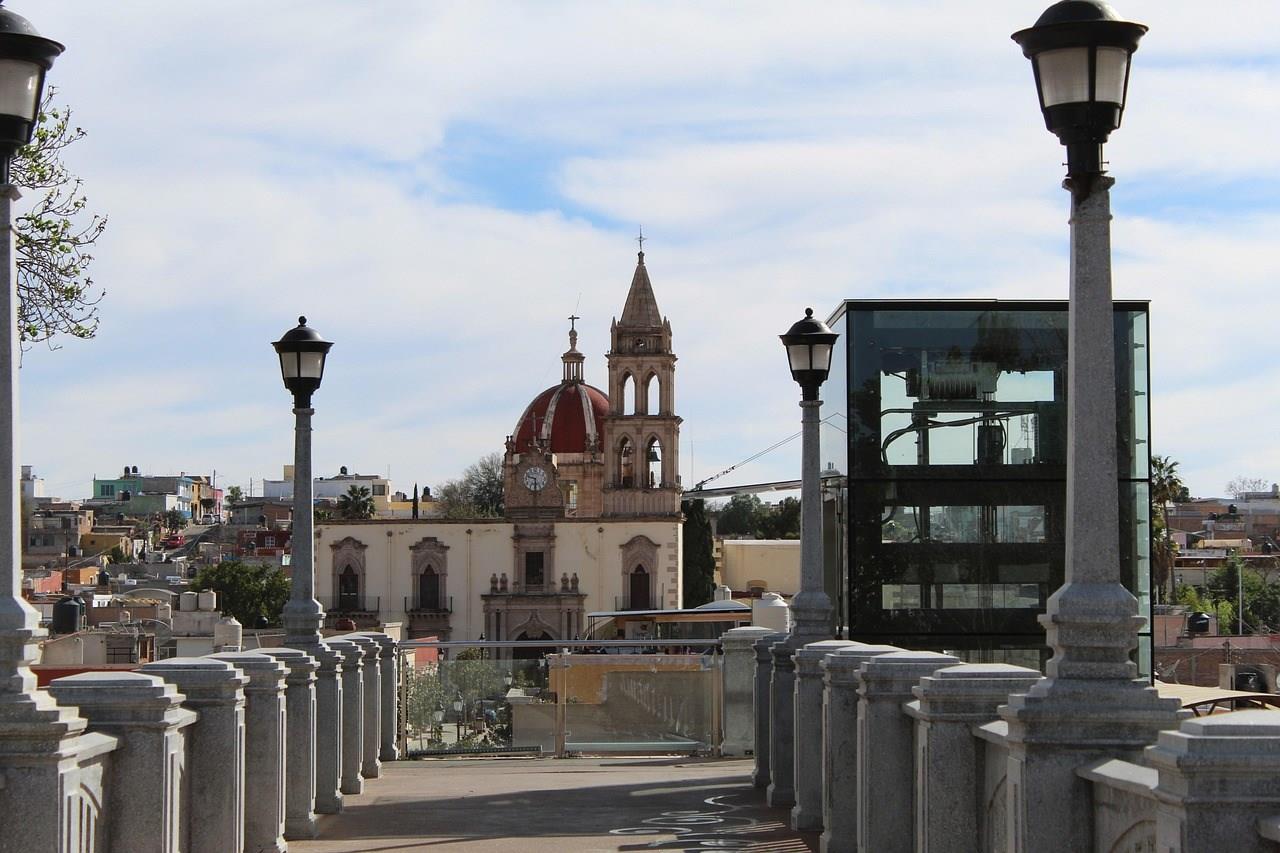
Durango
Victoria de Durango rises on a high plateau Mexico’s Sierra Madre Occidental, founded in 1563 by Francisco de Ibarra. Its streets trace layers of history: the historic center holds the most listed buildings in northern Mexico and remains a notable stop on the Camino Real de Tierra Adentro, now a UNESCO World Heritage route.
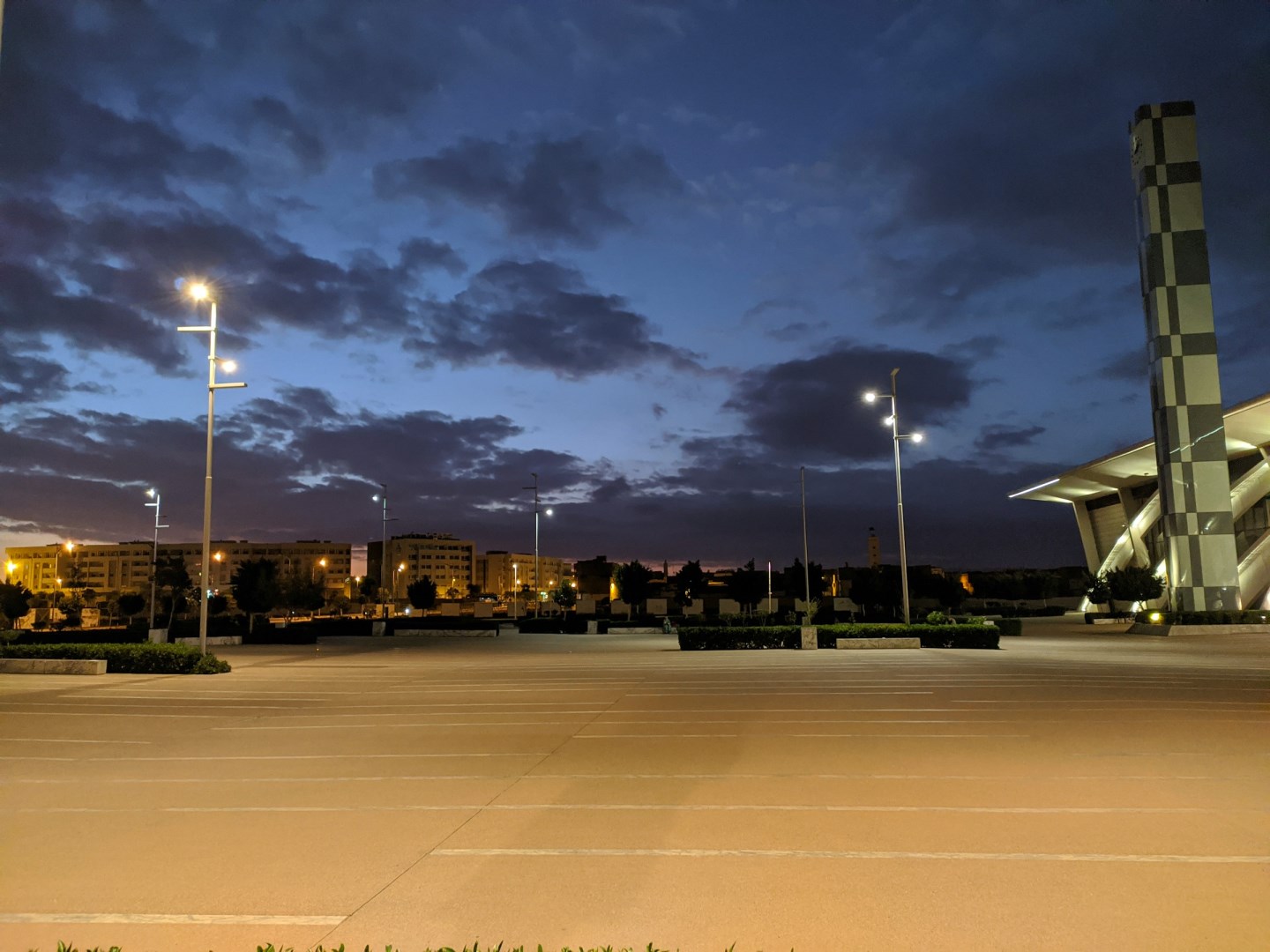
Oujda
The capital of eastern Morocco, Oujda stands on the border with Algeria. Its privileged geographic position makes it a center for Maghreb tourism and a meeting point of routes between Morocco and other North African countries. Many streams run from the northern slopes to irrigate the well-kept gardens and orchards. Crossing these imposing mountains affords a magnificent panoramic view of Oujda.
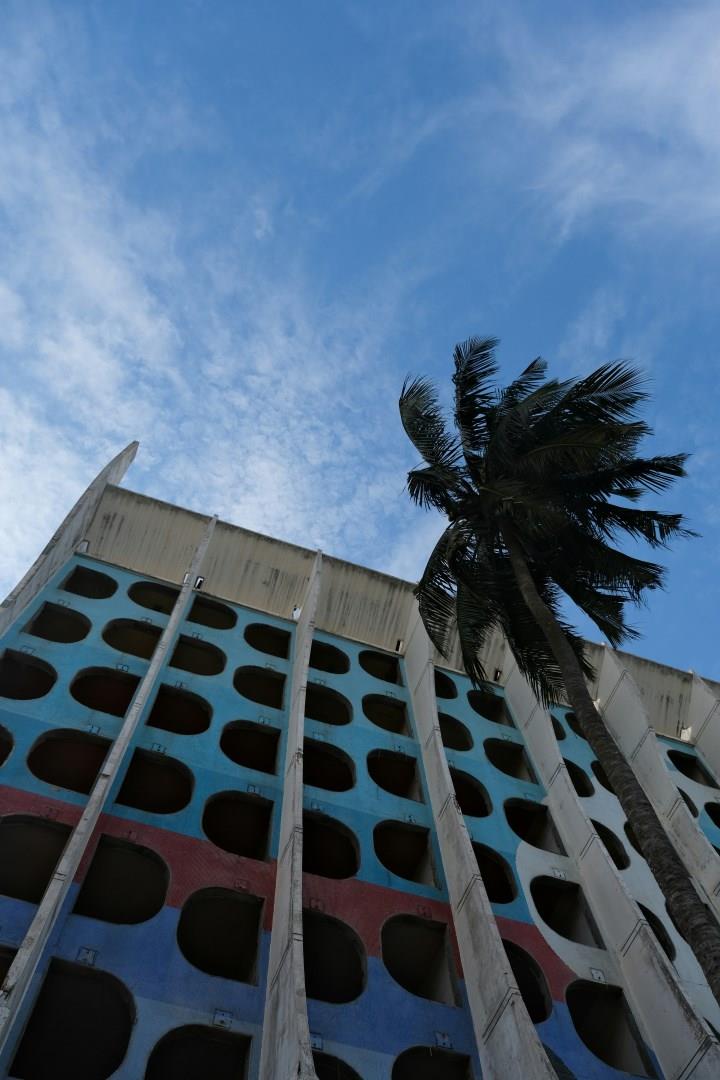
Lome
Lomé, the capital city of Togo, sits along the Gulf of Guinea and serves as both the political and cultural heart of the country. Lomé’s coastline features beaches where locals gather and where visitors can enjoy views of the Atlantic Ocean.
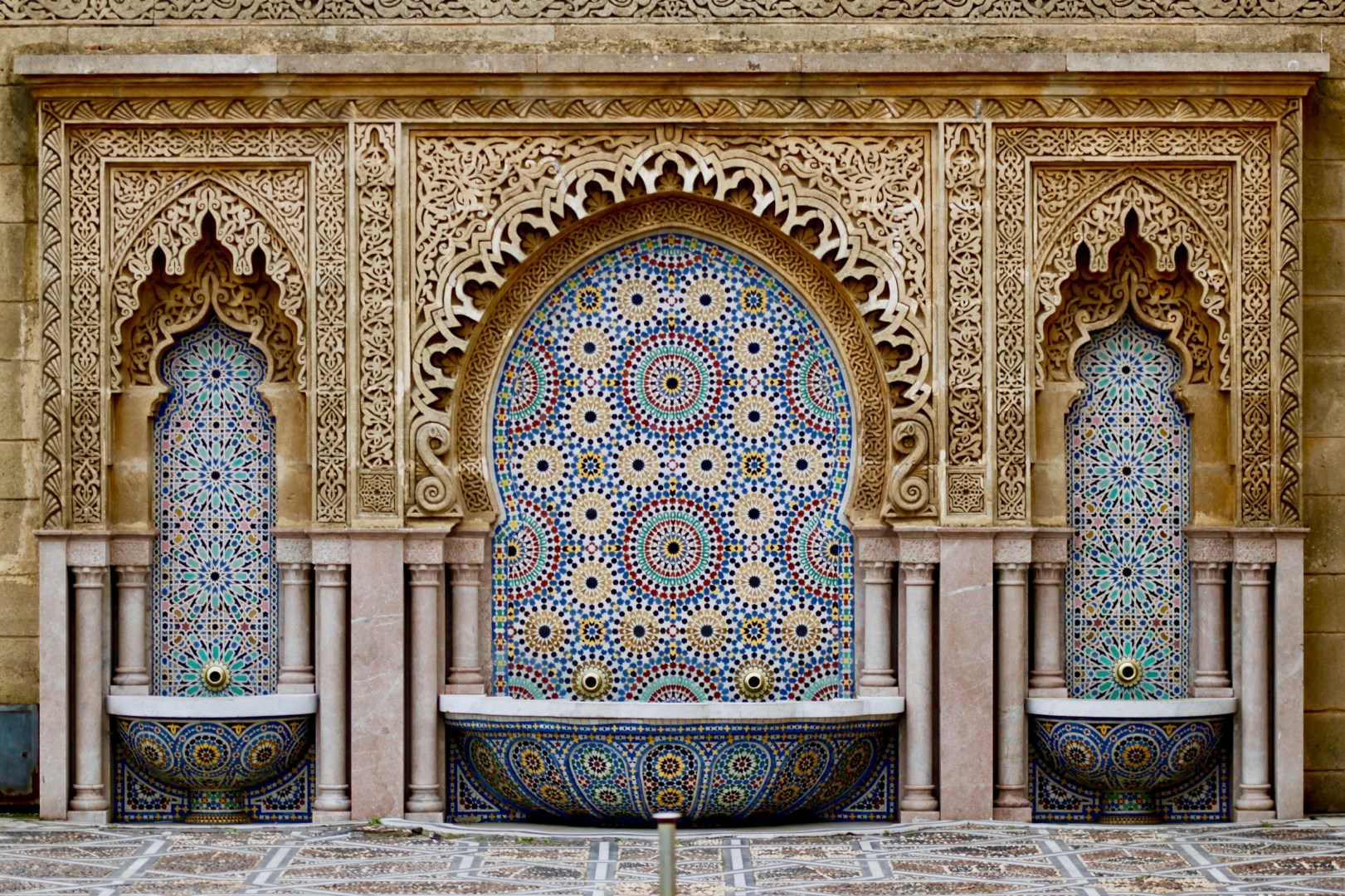
Rabat
Rabat, the capital of the kingdom of Morocco, is located on the edge of the Atlantic Ocean on the left bank of the Bou Regreg Estuary. A city of trees and flowers, Rabat combines peace, beauty and Serenity, and is steeped in history.
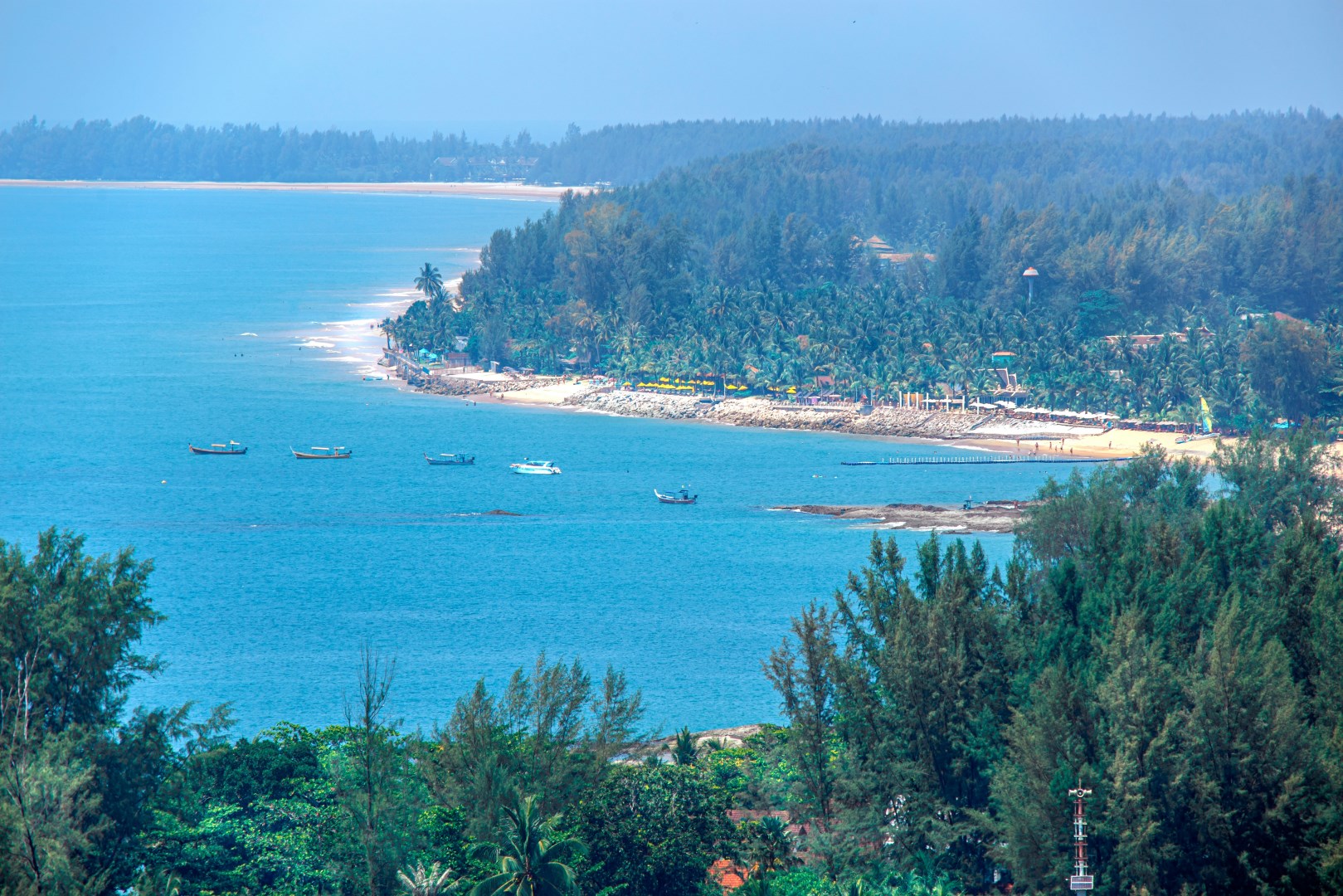
Khao Lak
Khao Lak rests quietly along Thailand’s Andaman coastline, about an hour north of Phuket, yet it feels worlds apart. This stretch of shoreline runs for miles, with wide sandy beaches that often seem almost untouched. The name itself comes from the nearby mountain that rises behind the coast, giving the area a dramatic backdrop where forest meets sea.
