
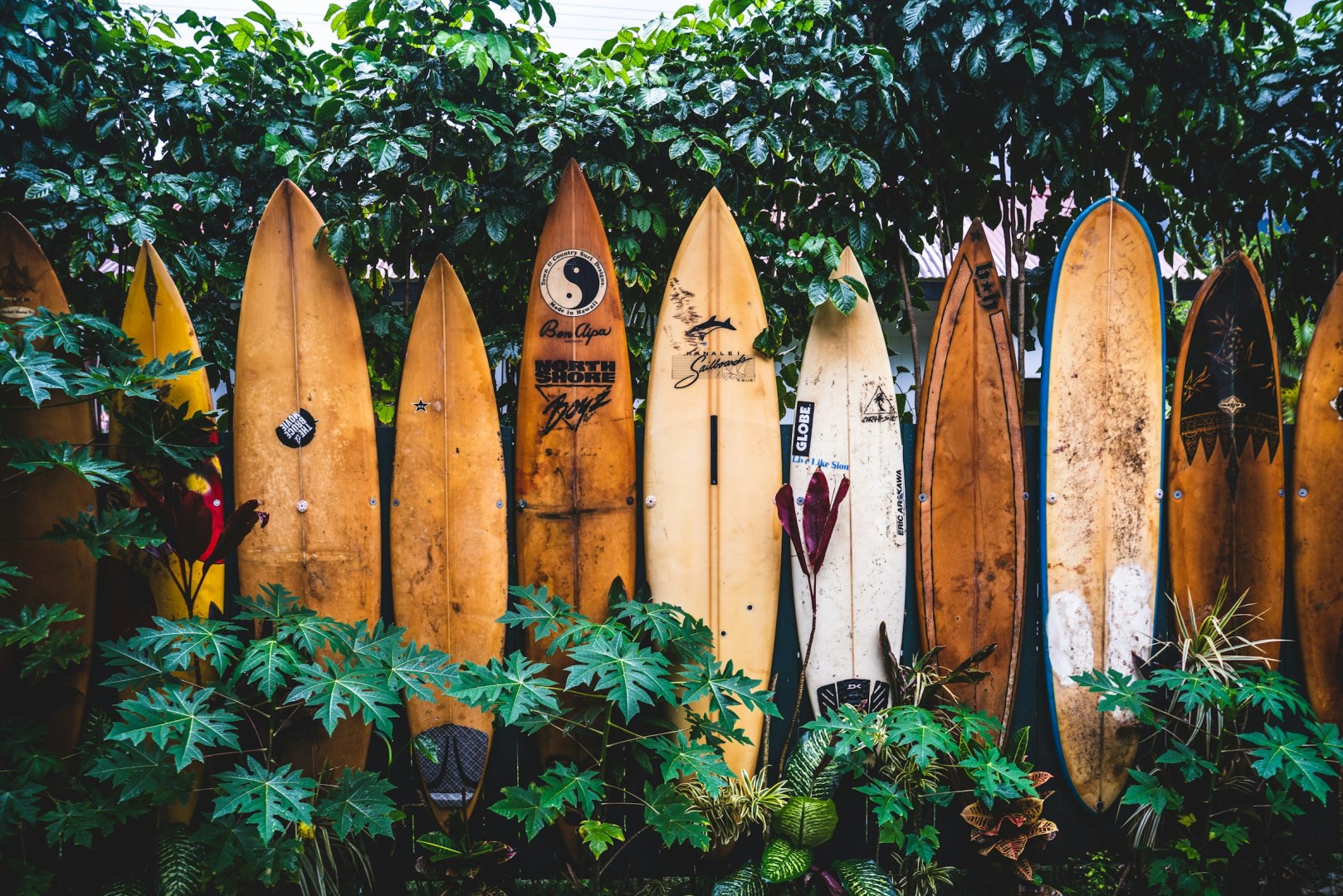
Hanalei, Kauai
Hanalei is located on the North central coast of Kauai Island. Near the head of Hanalei Bay, the village is in scenic and fertile Hanalei or Hanohano Valley, one of the states few rice producing regions.
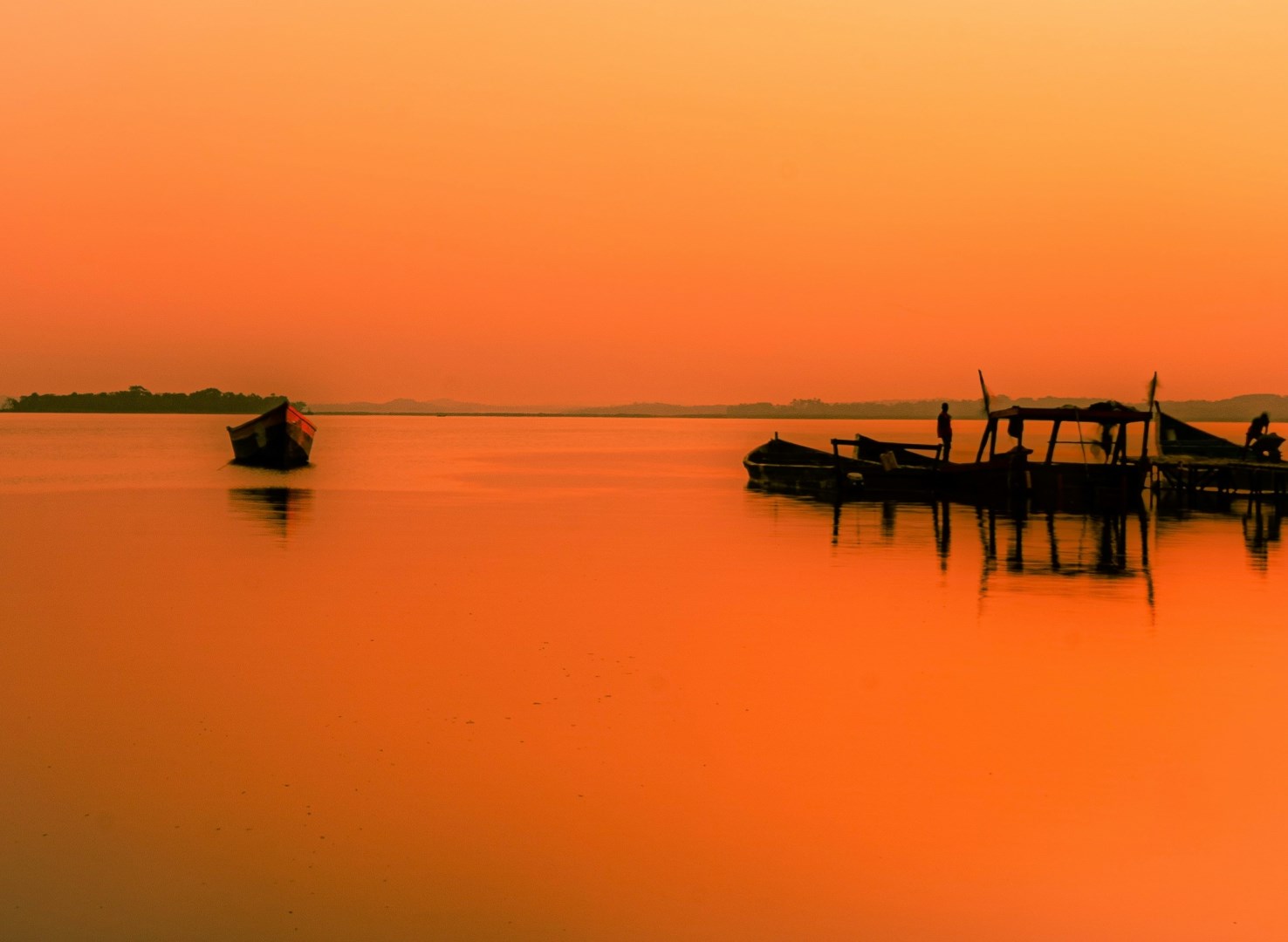
Kampala
Kampala, Uganda’s capital, perches on a series of hills overlooking Lake Victoria, blending historical depth with urban energy.

Chalon-Sur-Saone
Surrounded by picturesque vineyards and scenic riverbanks, Chalon-sur-Saône, located along the Saône River, is the perfect base to immerse oneself in the heart of Burgundy’s rich heritage and stunning landscapes. From exploring its charming Old Town with medieval landmarks like the St. Vincent Cathedral to discovering the history of photography at the Musée Nicéphore Niépce, the town offers a unique experience for every traveler.
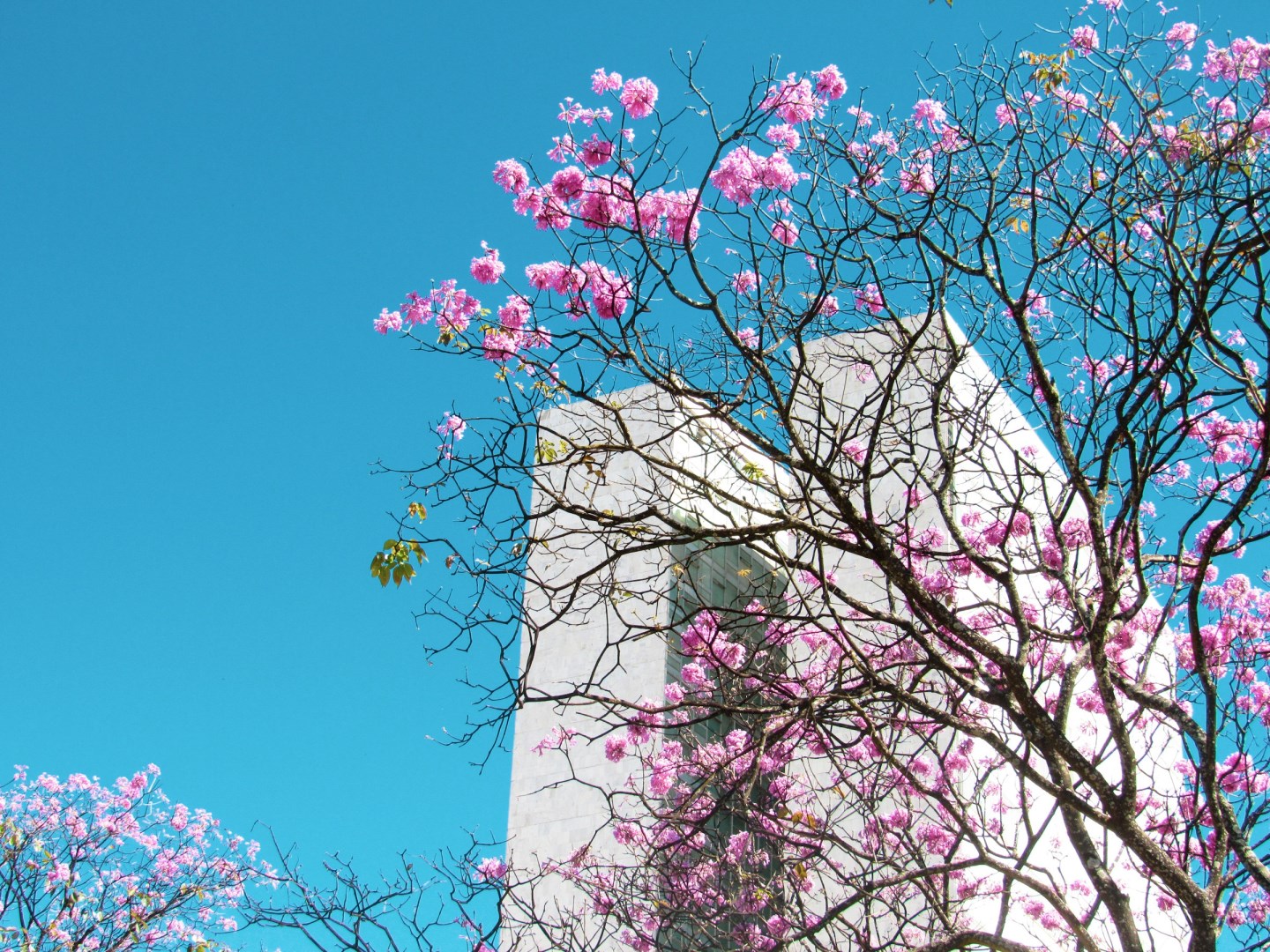
Brasília
Brasília may be a World Heritage Site, but it is only of interest to town planning and architecture students, and those keen to witness the folly of man on a metropolitan scale. It must have looked good on paper, and still looks good in photos, but in the flesh, forget it. Designed by architect Oscar Niemeyer, urban planner Lucio Costa, and landscape architect Burle Marx, the city was built in an incredible three years between 1957 and 1960.

Istanbul
Istanbul is a city built on layers of empire. Spanning two continents, it was once the capital of three major empires: Roman, Byzantine, and Ottoman. Visitors walking through the Sultanahmet district can witness this timeline firsthand, from the Roman-era Hippodrome to the Byzantine mosaics of Hagia Sophia, and the towering minarets of the Blue Mosque. At nearby Topkapi Palace, rooms still display the jeweled swords, ceremonial robes, and handwritten Qurans once used by Ottoman sultans.
