

Australia & New Zealand
Australia and New Zealand each have their own identities, shaped by indigenous heritage, colonial history, and vibrant contemporary cultures. Visitors can travel between the two in just a few hours, yet find themselves in entirely different worlds.

Shanghai
Shanghai is a city where contrasting timelines meet at every corner. Once a small fishing village along the Huangpu River, it grew rapidly during the 19th century into a major trading port. Today, its skyline tells a story of that transformation. On one side, the Bund’s colonial-era buildings stand tall in limestone and granite; on the other, the futuristic towers of Pudong, like the Shanghai Tower and Jin Mao, stretch into the clouds.
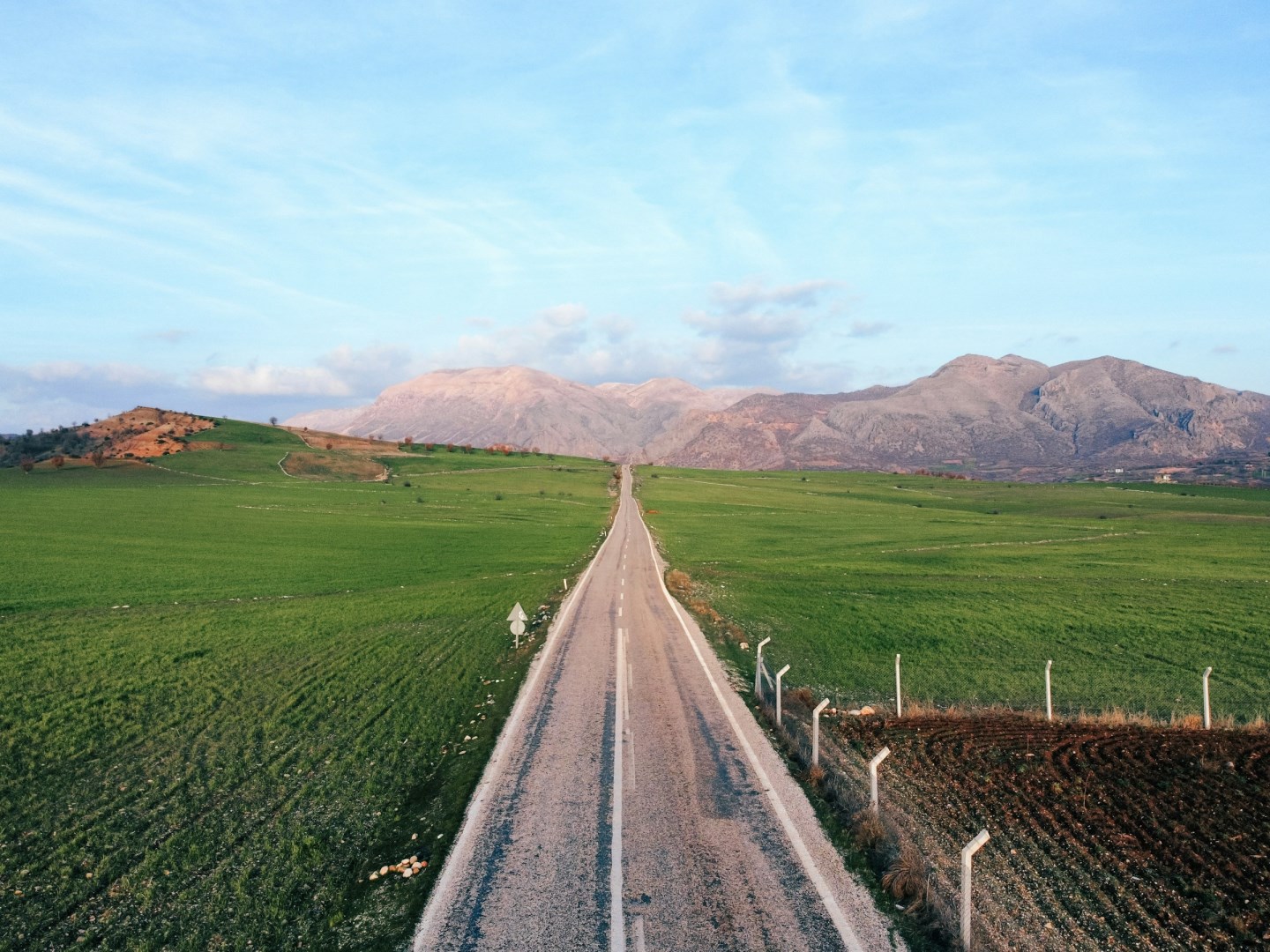
Adiyaman
Adiyaman makes a good base from which to visit Nemrut Dagi National Park. On the summit of Nemrut Daagi (Mount Nemrut), at an altitude of 2,150 meters- the highest mountain in northern mesopotamia - sits the gigantic funerary sunctuary erected in the first century B.C. by King Antiochos I of Commagene. The engineering involved in creating the artificial tumulus- flanked by terraces on which rest the colossal statues of Apollo, Zeus, Heracles, Tyche and Antiochus - continue to amaze visitors.
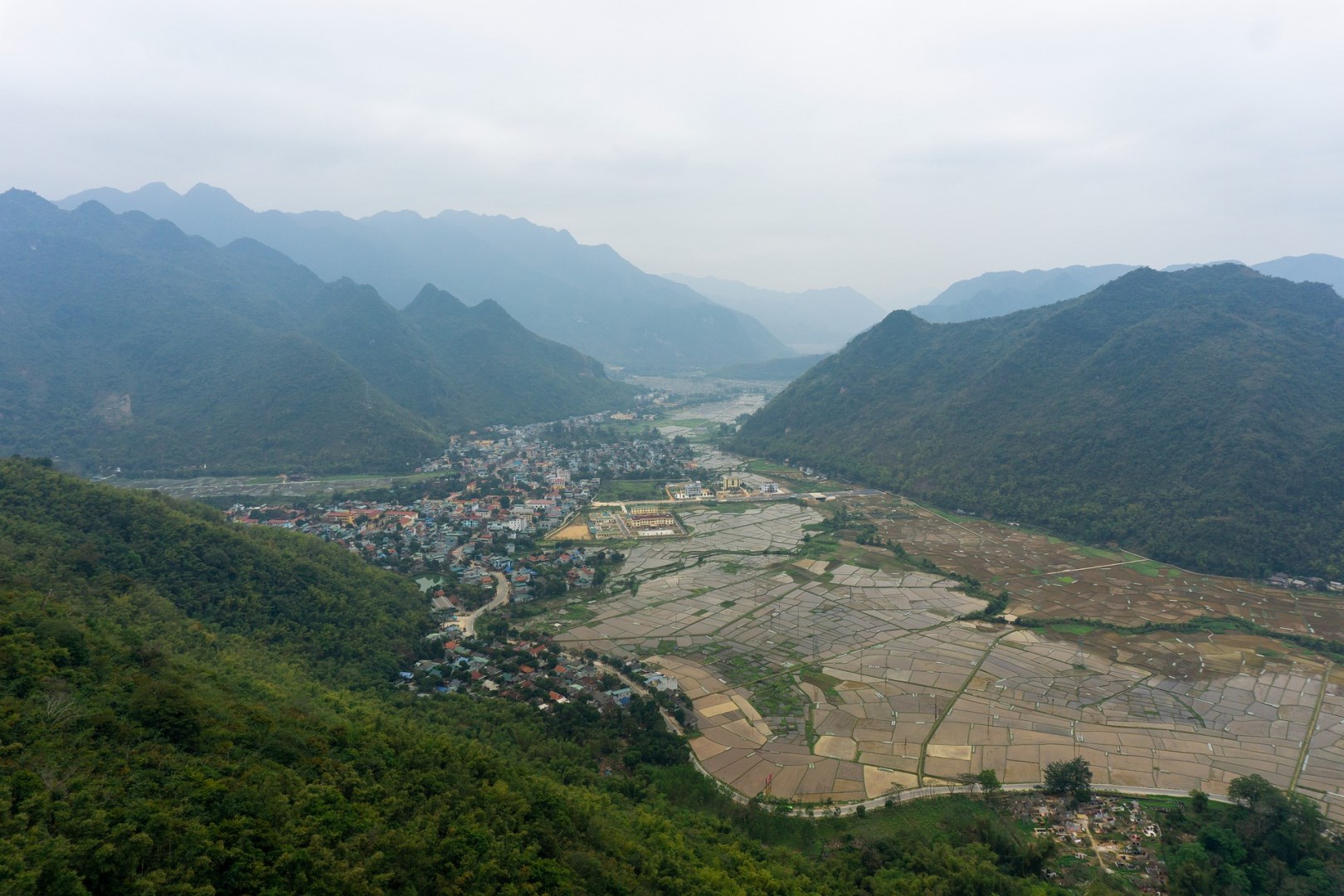
Mai Chau
Mai Chau is a rural valley in Hoa Binh Province in northern Vietnam, located several hours west of Hanoi and surrounded by limestone mountains and rice fields. The area is known for its quiet villages, elevated wooden stilt houses, and the daily life of the White Thai ethnic community.
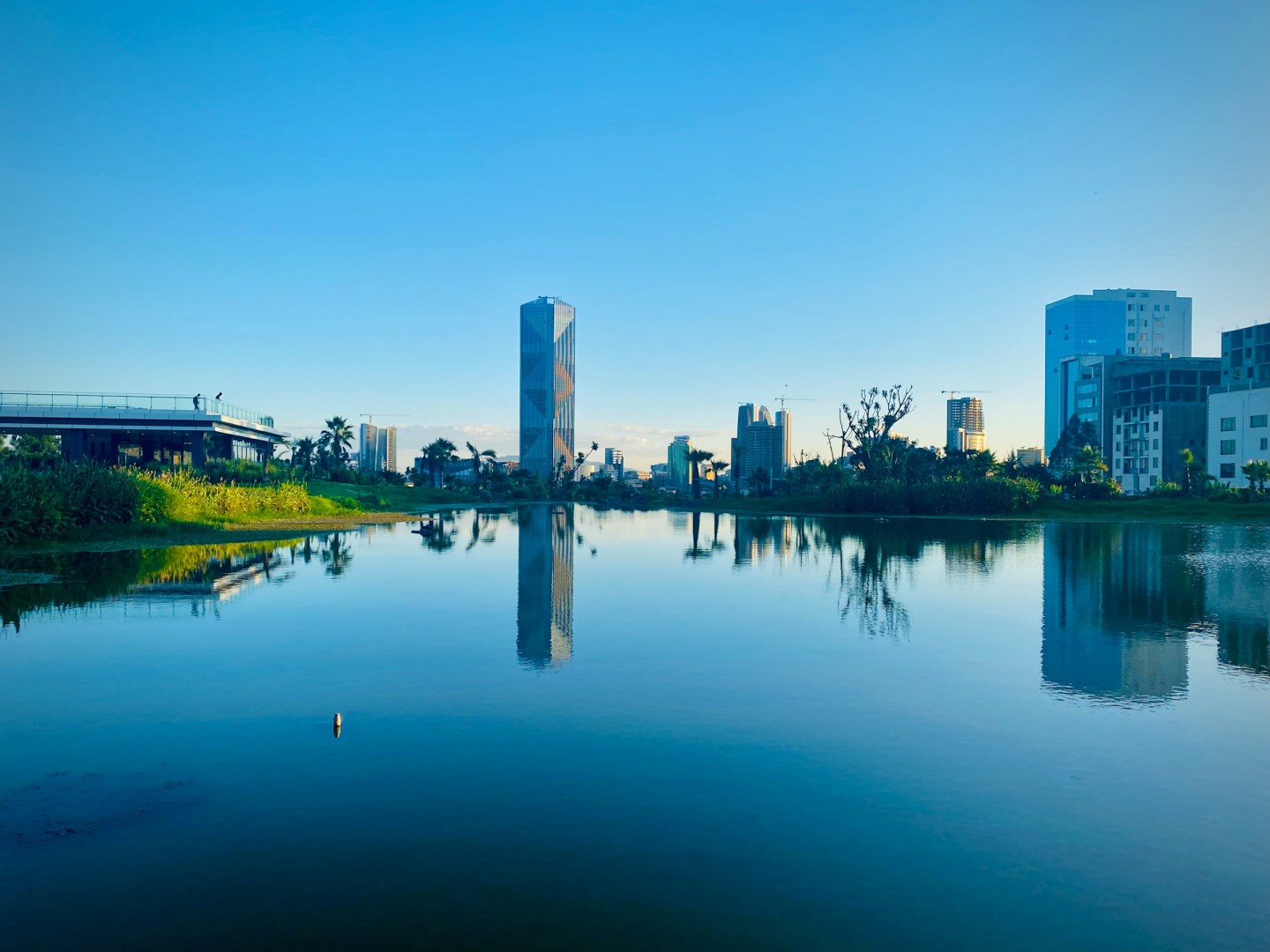
Addis Ababa
Addis Ababa is the capital of Ethiopia and a highland city set at the foot of the Entoto Mountains. Its elevated setting gives the city a relatively cool climate compared with much of the country, while broad avenues, busy neighborhoods, green hills, and expanding modern districts create a varied urban landscape. Addis Ababa is also the headquarters of the African Union and hosts numerous international organizations, giving it an important diplomatic role across the continent.
