

Malaysia
Located in Southeast Asia, Malaysia consists of two distinct regions—Peninsular Malaysia and Malaysian Borneo—each offering unique opportunities. With its stunning landscapes and world-class food scene, Malaysia offers an unforgettable travel experience.

Yosemite National Park
Yosemite National Park, nestled in California's Sierra Nevada mountains, is a stunning sanctuary of natural beauty and grandeur. Known for its dramatic granite cliffs, ancient giant sequoias, and cascading waterfalls, Yosemite is a paradise for outdoor enthusiasts and nature lovers alike.
Lake Powell
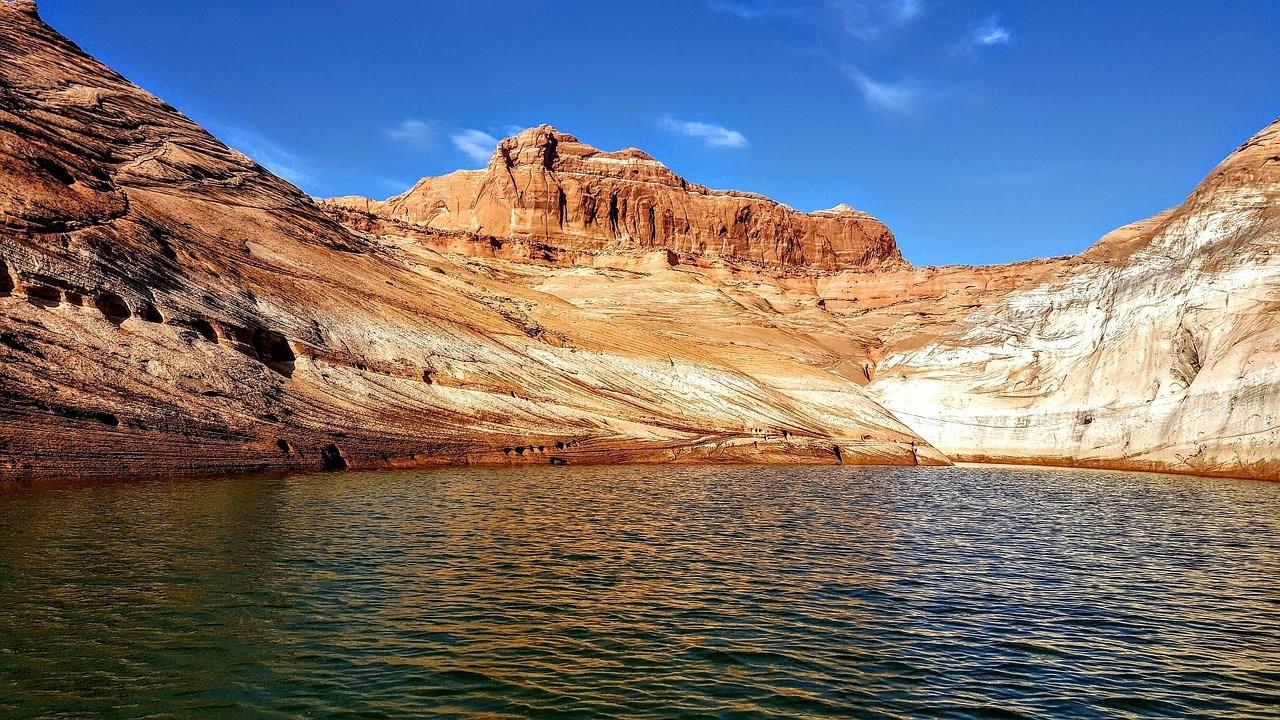
Lake Powell, stretching across the Utah-Arizona border, is one of the largest manmade reservoirs in the United States. Formed by the flooding of Glen Canyon after the completion of the Glen Canyon Dam in 1963, it covers over 180 miles in length and contains nearly 2,000 miles of shoreline, more than the entire West Coast of the U.S. Despite its modern origins, the area has long been home to the Ancestral Puebloans and later Navajo communities.

Uluru
Located in Australia's Northern Territory, Uluru is an iconic sandstone formation and UNESCO World Heritage site. This red rock monolith, believed to be over 500 million years old, has been considered sacred by Australia's indigenous peoples for thousands of years and is one of the country's most well-known natural landmarks. This spiritual destination will astound you at sunrise and sunset, when the warm sunlight turns Uluru to deep hues of red and orange.
Erfurt
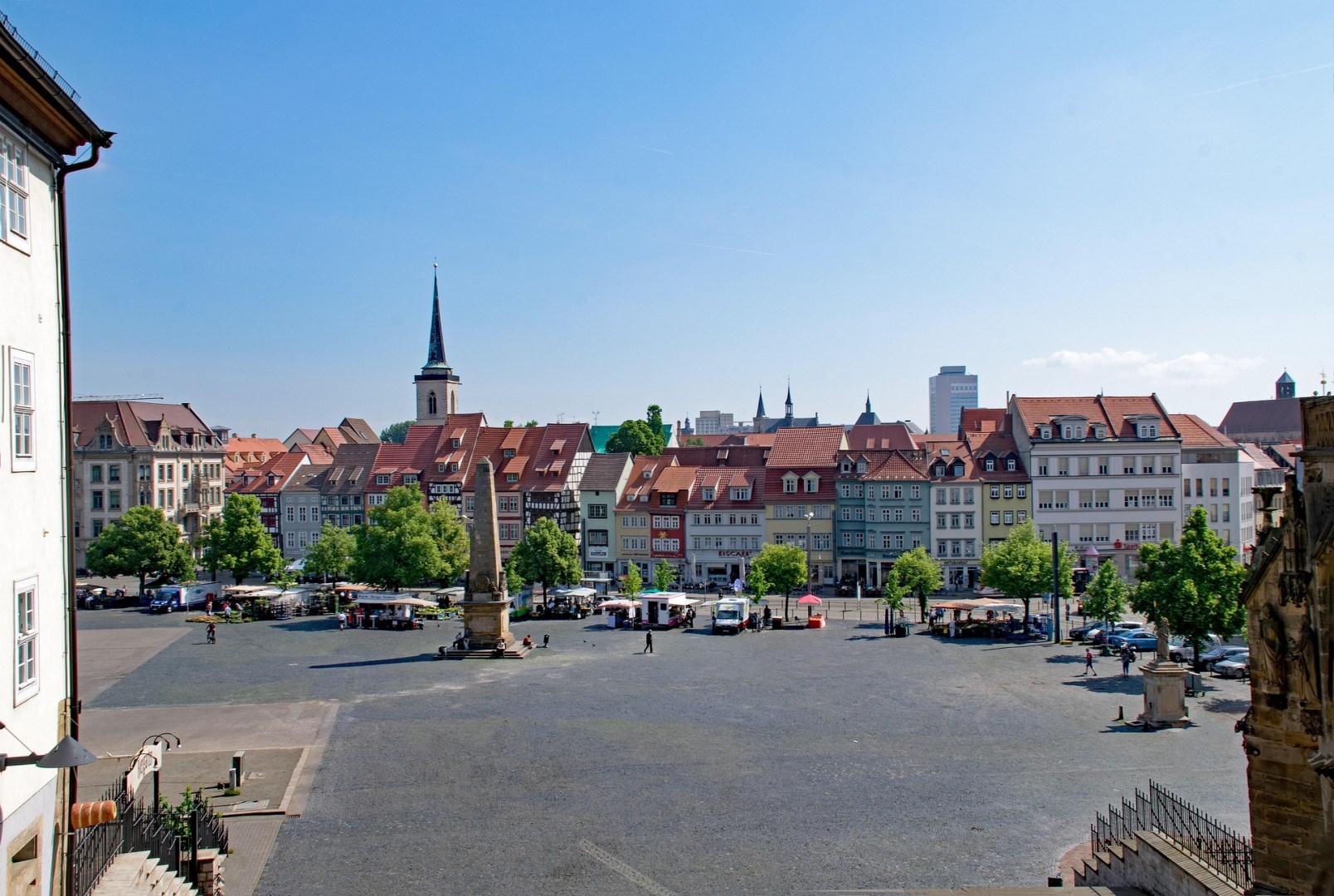
The skyline of Erfurt is shaped by dozens of churches, monasteries, and convents thrusting their pointed steeples upward to the sky. In the Middle Ages, Erfurt was known as "Thuringian Rome" because of its religious orders. The impressive twin churches on the Domberg (Cathedral Hill), the Roman Catholic St. Mary's Cathedral (14th century) and the Roman Catholic Parish church St. Severus with a flight of 70 outdoor steps leading from the Cathedral Square up the hill to the churches.
