

Hovden
Hovden is part of Setesdal, a region recognized for its distinctive Norwegian folk traditions and strong rural identity. Music and dance are especially important, with the Setesdal tradition of playing the hardingfele fiddle and munnharpe jaw harp included on UNESCO's Intangible Cultural Heritage list. The area also has a long connection with metalworking. The Hovden Museum of Iron Production presents a reconstructed iron-smelting facility and explains how local ore was processed using charcoal.
Côa Valley
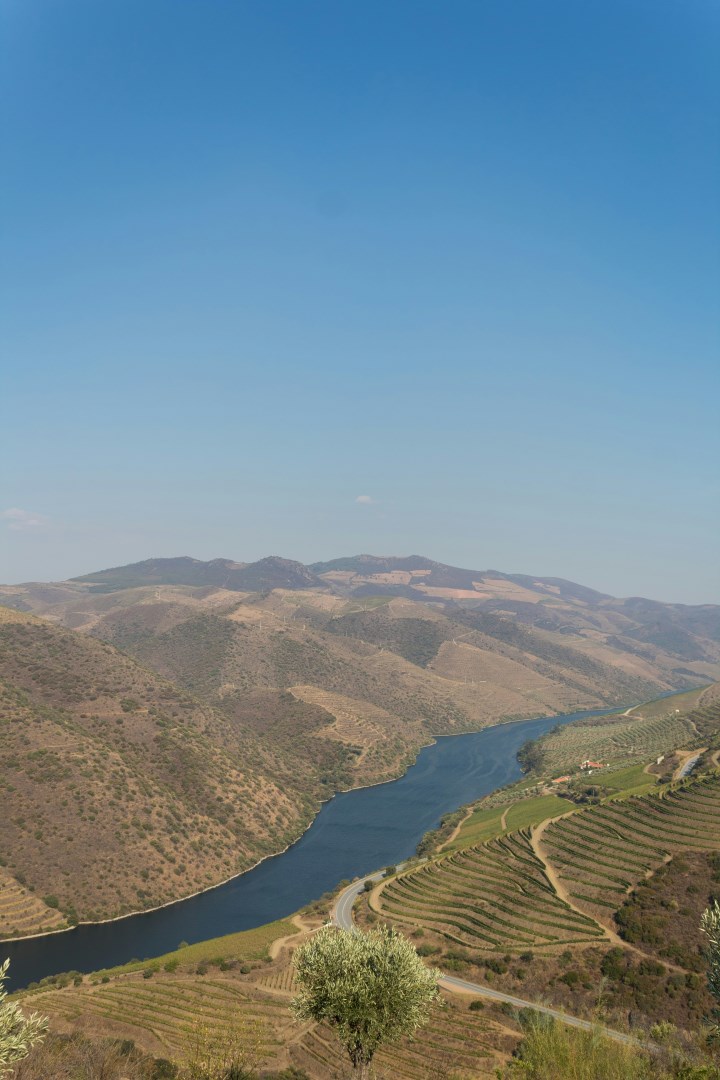
Coa Valley lies in northeastern Portugal near the Douro River, in a landscape shaped by steep hills, schist cliffs, vineyards, olive groves, and almond trees. The area is best known for its open-air prehistoric rock engravings, spread across the banks of the Coa River and protected as a UNESCO World Heritage Site.
Santa Cruz
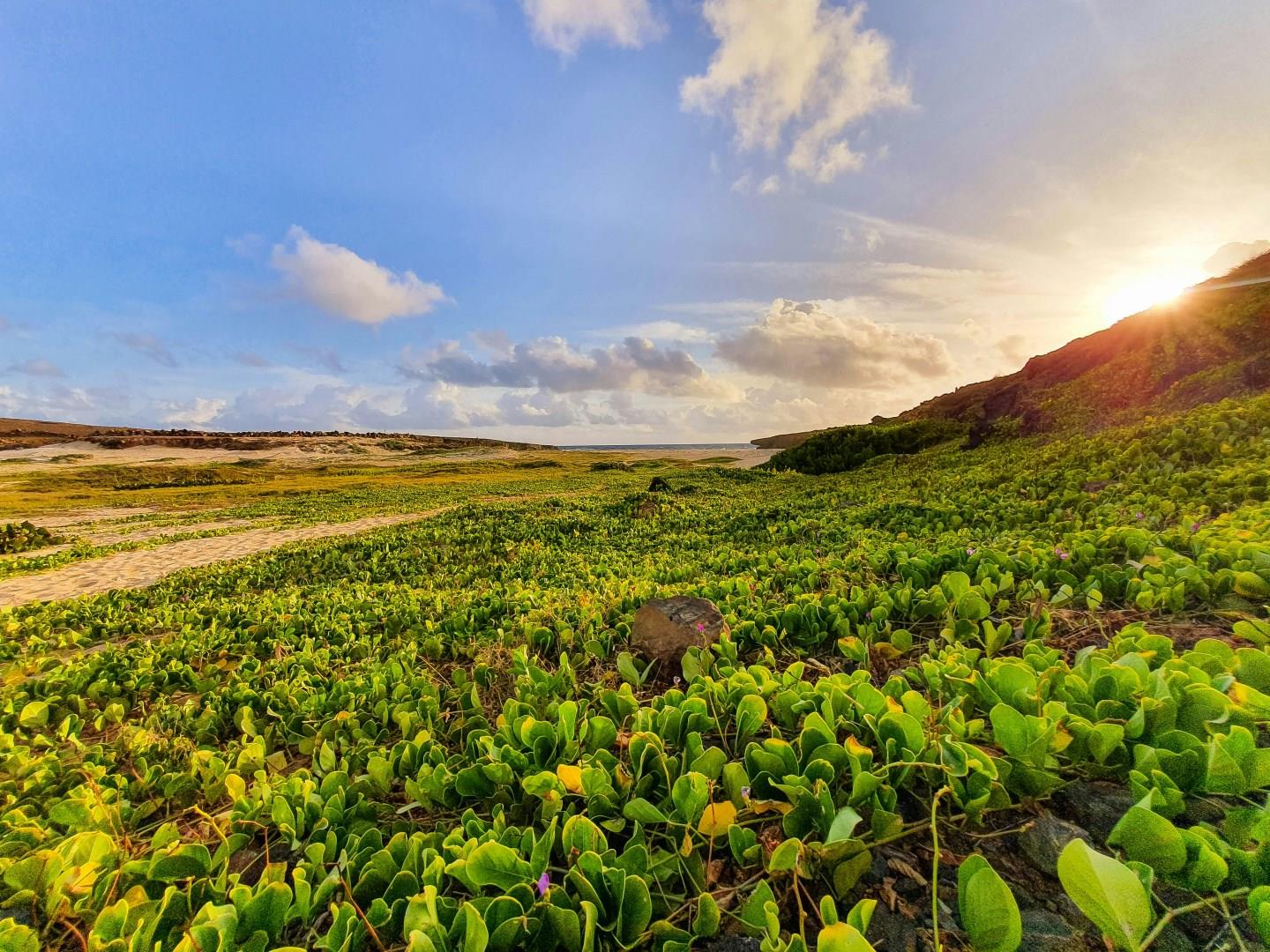
Santa Cruz, located in the heart of Aruba, is a gateway to the island’s rugged landscapes and natural wonders. Unlike the coastal resort towns, this inland community offers a more authentic glimpse of everyday Aruban life while placing visitors close to some of the island’s most iconic outdoor attractions.

Karpathos
Karpathos is marked by the peculiar Karpathian houses, built of carved stone, full of embroidery and characteristic interior decorations. From Pigadia you may visit Kyra Panagia, a picturesque bay with a marvelous beach and a monastery of the same name. A little further, on the northern promontory of Karpathos, lies the Diafani village; on the nearby little island of Saria we see Palatia, with ruins of the ancient city of Nisyros.
Alajuela
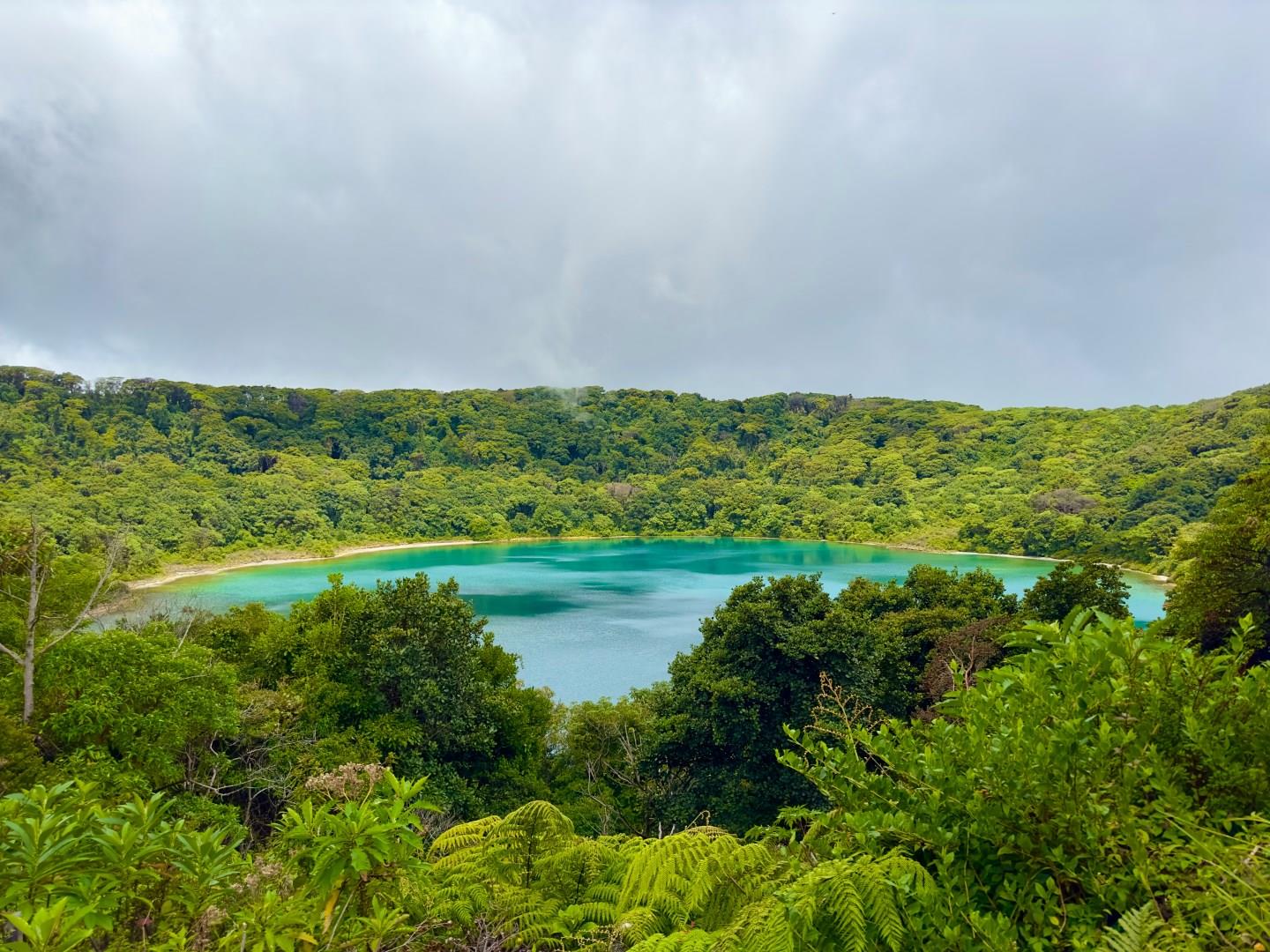
Alajuela, Costa Rica’s second-largest city, offers a mix of history, culture, and natural wonders that make it more than just the gateway to Juan Santamaría International Airport. The city’s central park, cathedral, and museums create a lively hub where local life unfolds, from weekend markets filled with fresh produce to festivals celebrating music and tradition.
