
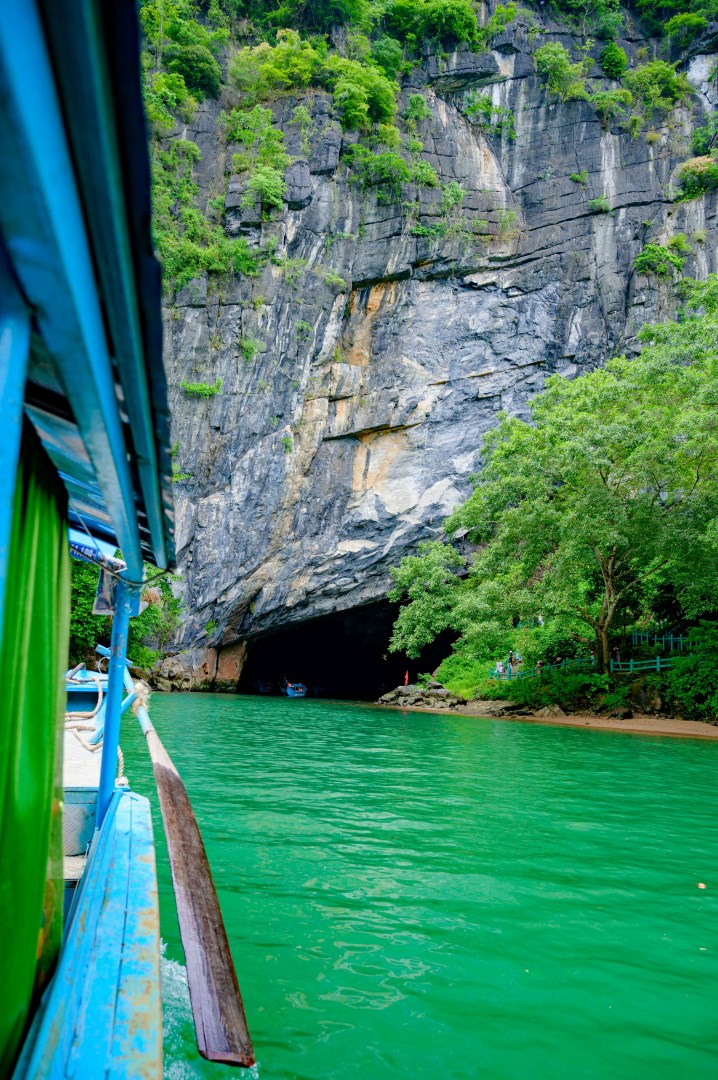
Phong Nha - Ke Bang National Park
Kẻ Bàng National Park lies in central Vietnam, near the border with Laos, and is known for its vast network of limestone mountains and underground rivers. The park forms part of one of the oldest karst landscapes in Asia, shaped over millions of years into a maze of caves, cliffs, and dense forest. Among its most famous features is Sơn Đoòng Cave, recognized as the largest cave on Earth, with sections so vast that clouds can form inside and a jungle grows beneath its collapsed roof.

Fairbanks
Fairbanks is the largest city in Alaska’s Interior and a major center for the region’s communities, education, transportation, and commerce. Located along the Chena River, it lies north of Denali National Park and south of the Arctic Circle. The city is known for dramatic seasonal changes, including long summer days and extended winter darkness.

Dominica
Dominica, known as the “Nature Island of the Caribbean,” is a haven for eco-tourists and adventure seekers. Nestled between the French islands of Guadeloupe and Martinique, this lush island boasts a remarkable landscape of volcanic mountains, dense rainforests, and stunning waterfalls. Dominica’s most iconic natural wonder is the Boiling Lake, the second-largest hot spring in the world.
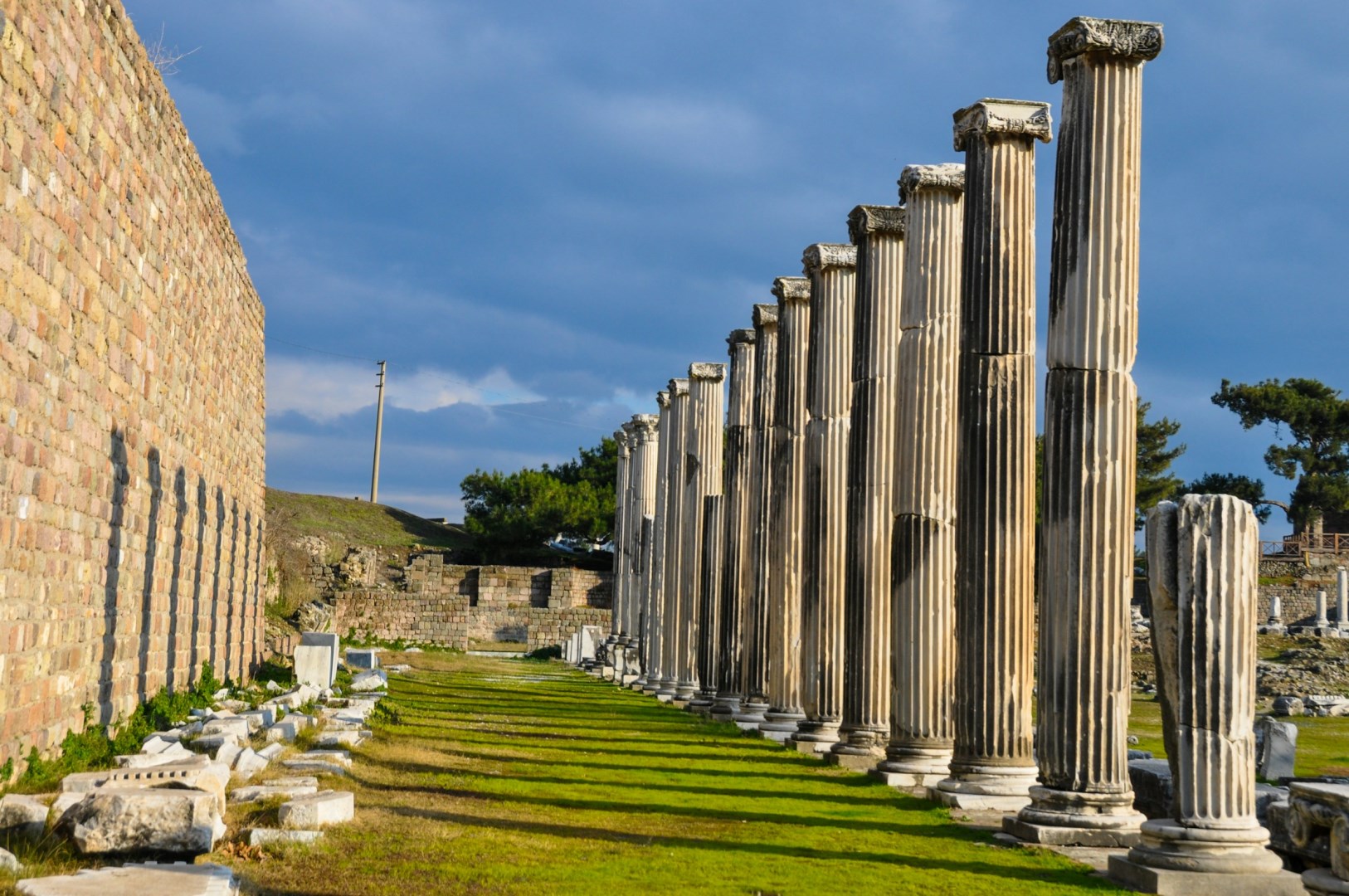
Bergama
Pergamum, or Bergama, was a Hellenistic city state that once rivaled Athens and Alexandria as a cultural center. It is the site of one of the Seven Churches mentioned in the Book of Revelation. It became an important missionary center after the adoption of Christianity.
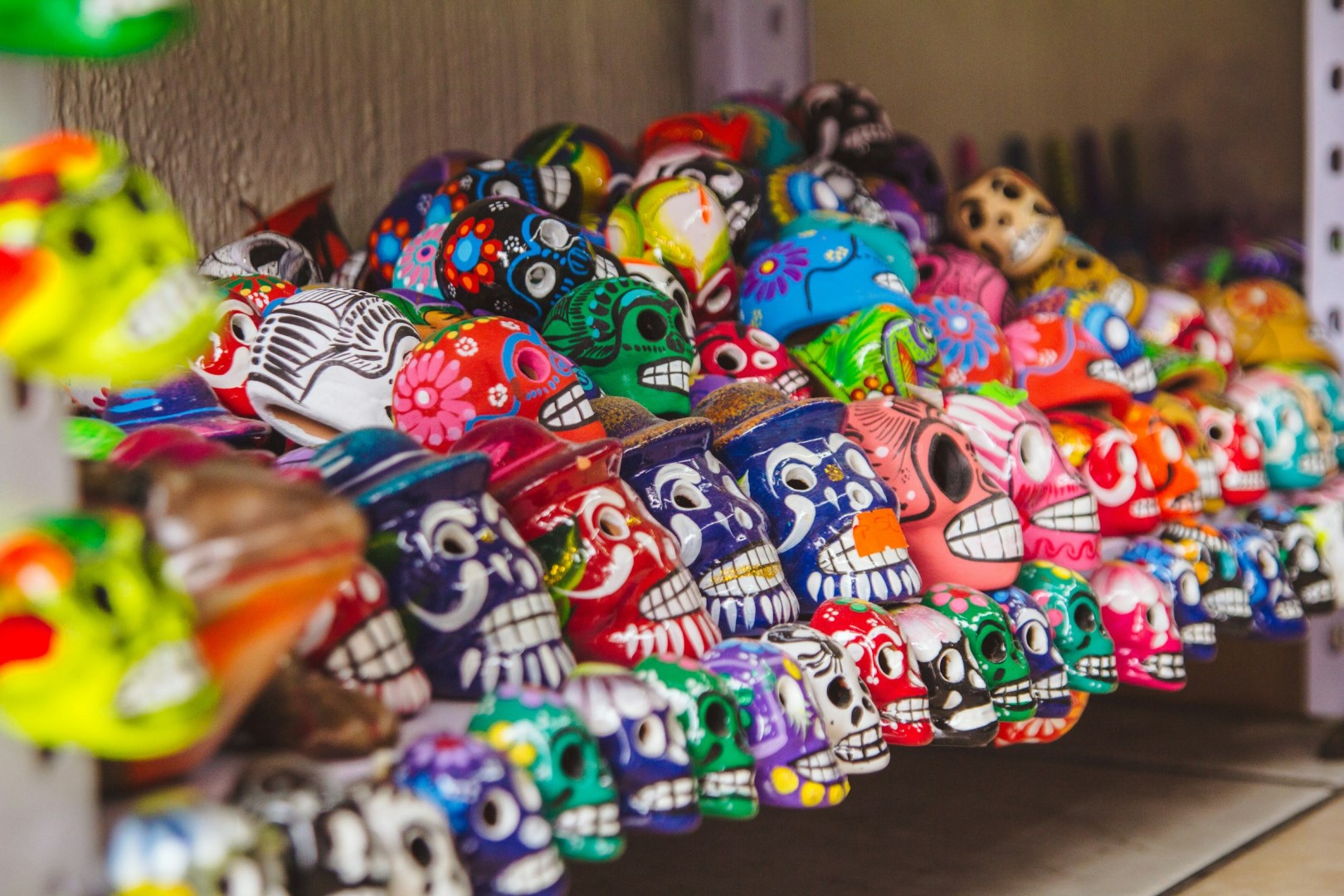
Guanajuanto
Guanajuato is situated between the dry north of the country and the more verdant south, and geographically belongs to the Trans-Mexican Volcanic Belt, the Mexican Plateau.
