
Mediterranean Sea
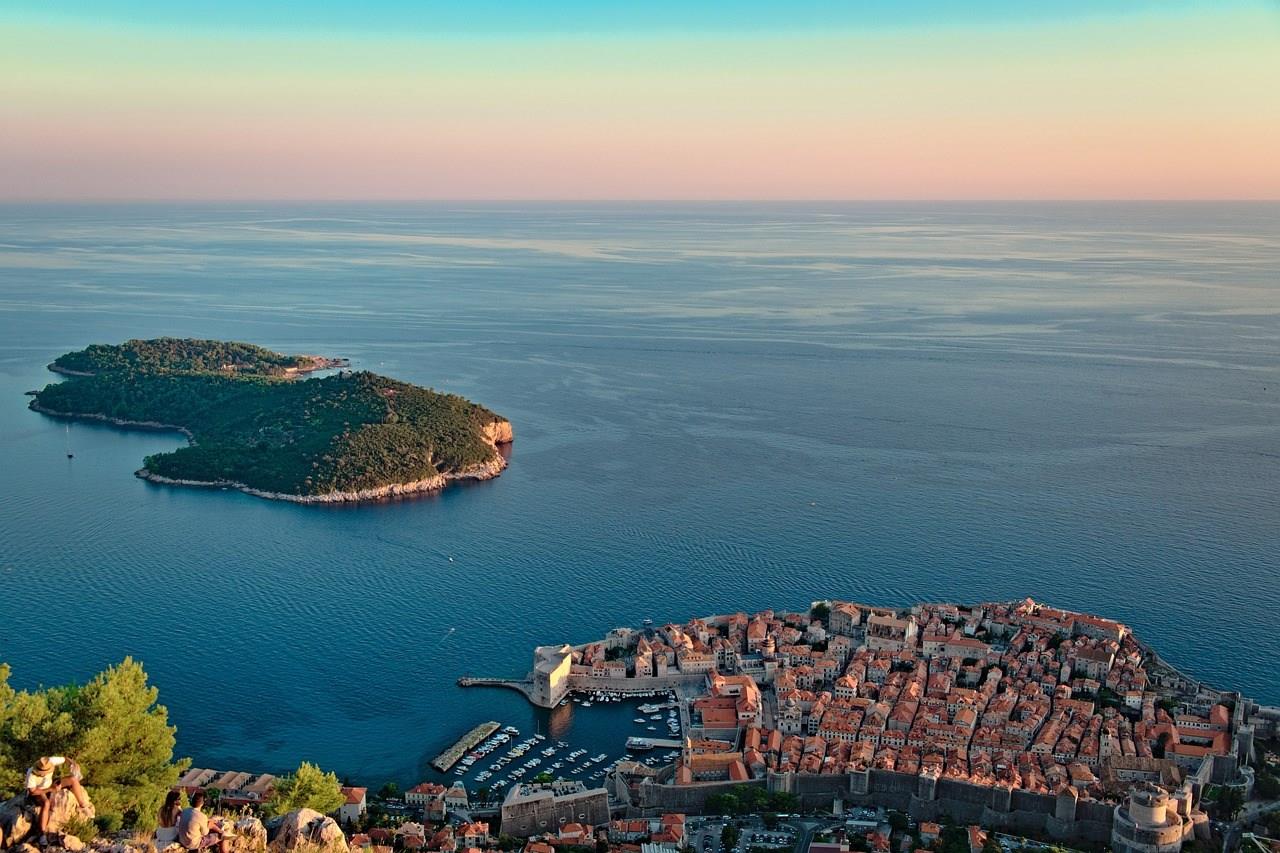
The Mediterranean Sea is more than a body of water, it’s a living crossroads of civilizations, flavors, and landscapes. Stretching across three continents and touching over 20 countries, it has been a stage for ancient empires, maritime trade, and cultural exchange for thousands of years. From the sun-drenched shores of southern Spain to the whitewashed villages of the Greek islands, each coastline tells a different story.
Locarno
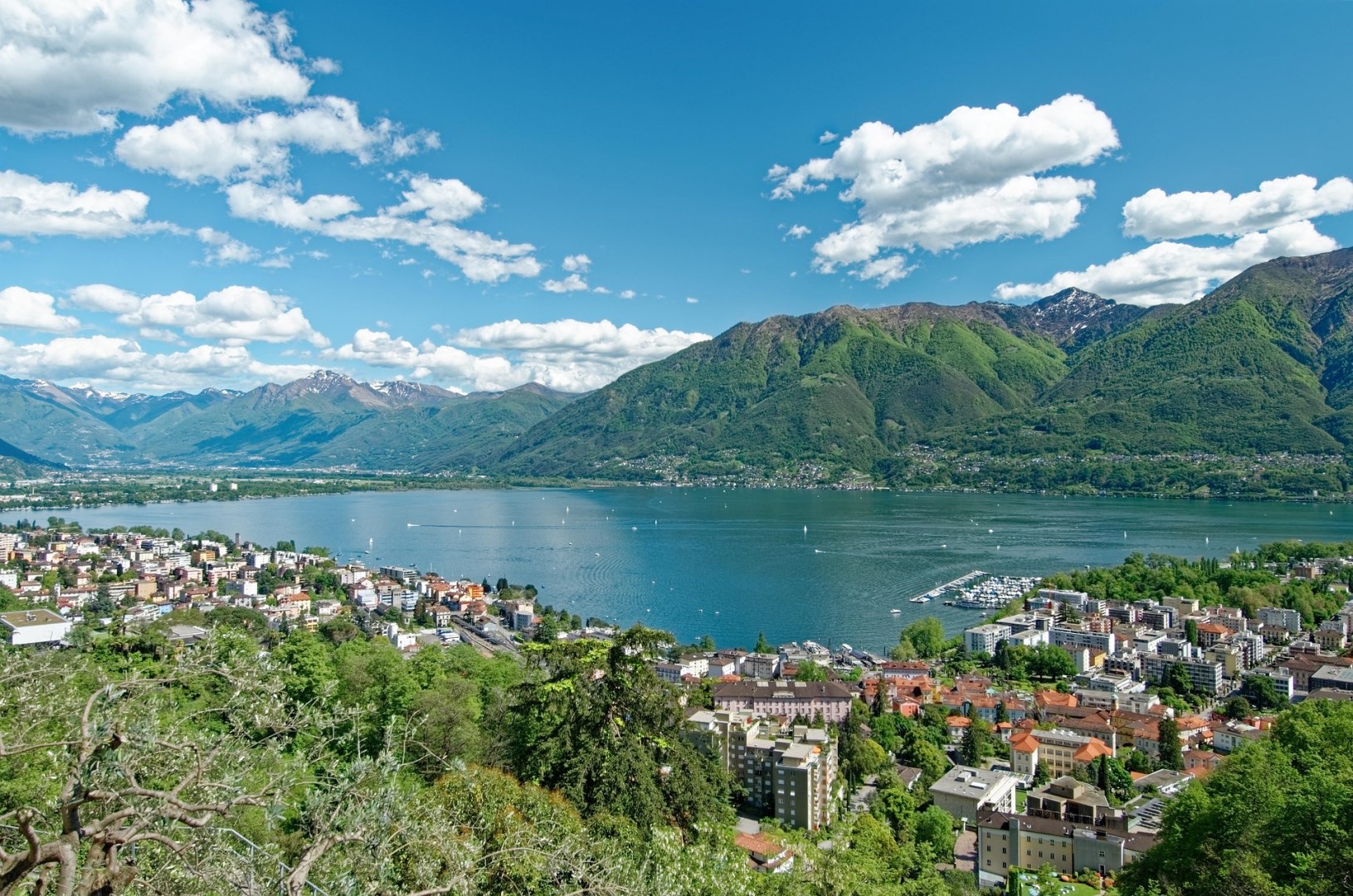
The turnoff for Locarno is located near Bellinzona, the capital of Ticino. By train, Locarno is well served from Zurich and Milan, as it is by road. Lovers of beautiful landscapes starting out from Geneva and Lausanne owe it to themselves to pass through Simplon and the Centovalli by taking the picturesque little train that links Domodossola to Locarno.
Quetzaltenango
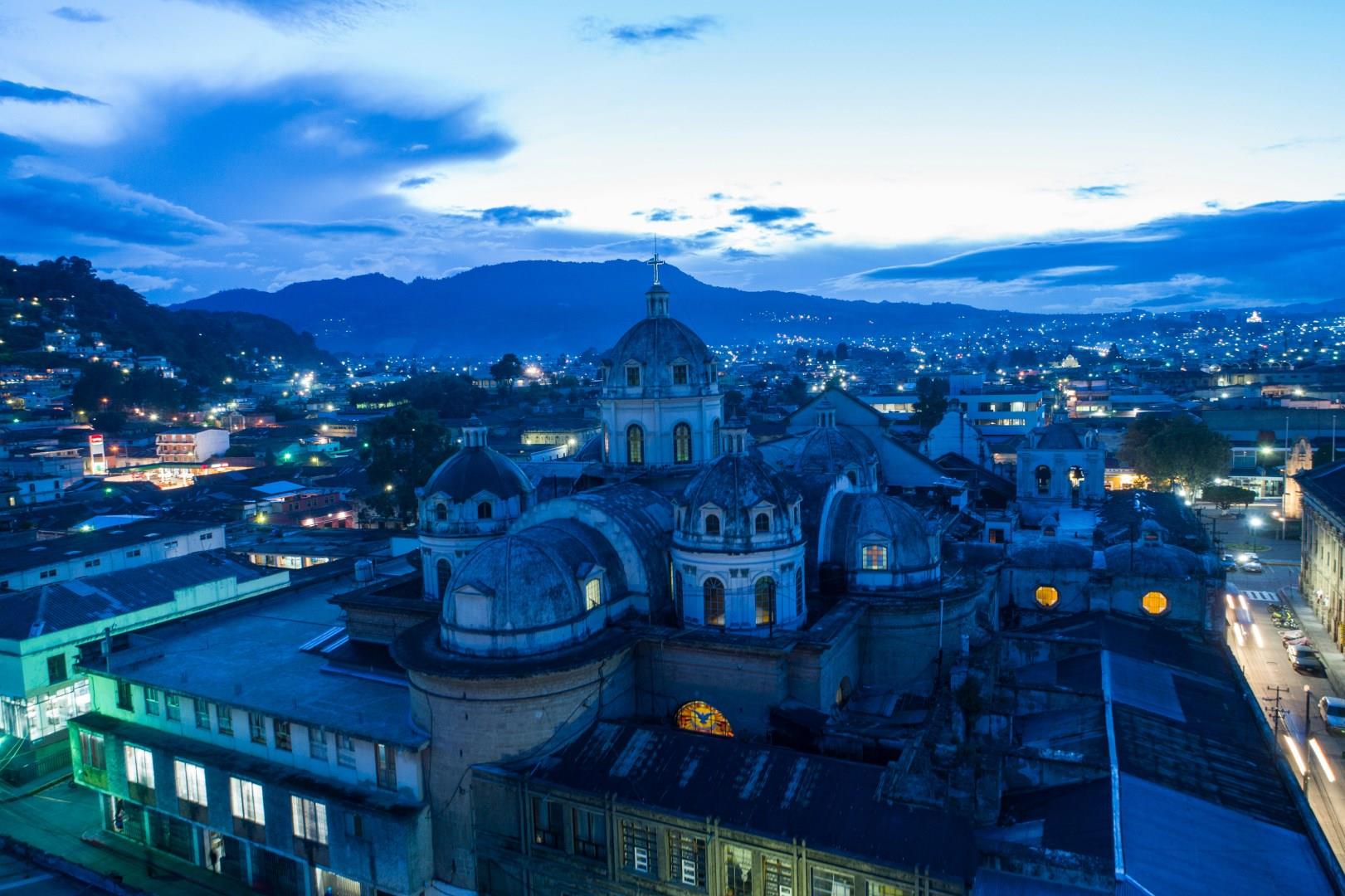
Quetzaltenango, often called Xela by locals, is Guatemala’s second-largest city and a hub of indigenous culture, colonial history, and highland landscapes. Surrounded by volcanoes, including the towering Santa María, the city sits at over 7,600 feet above sea level, giving it a crisp mountain climate that contrasts with the country’s tropical lowlands.
Lake Ouachita
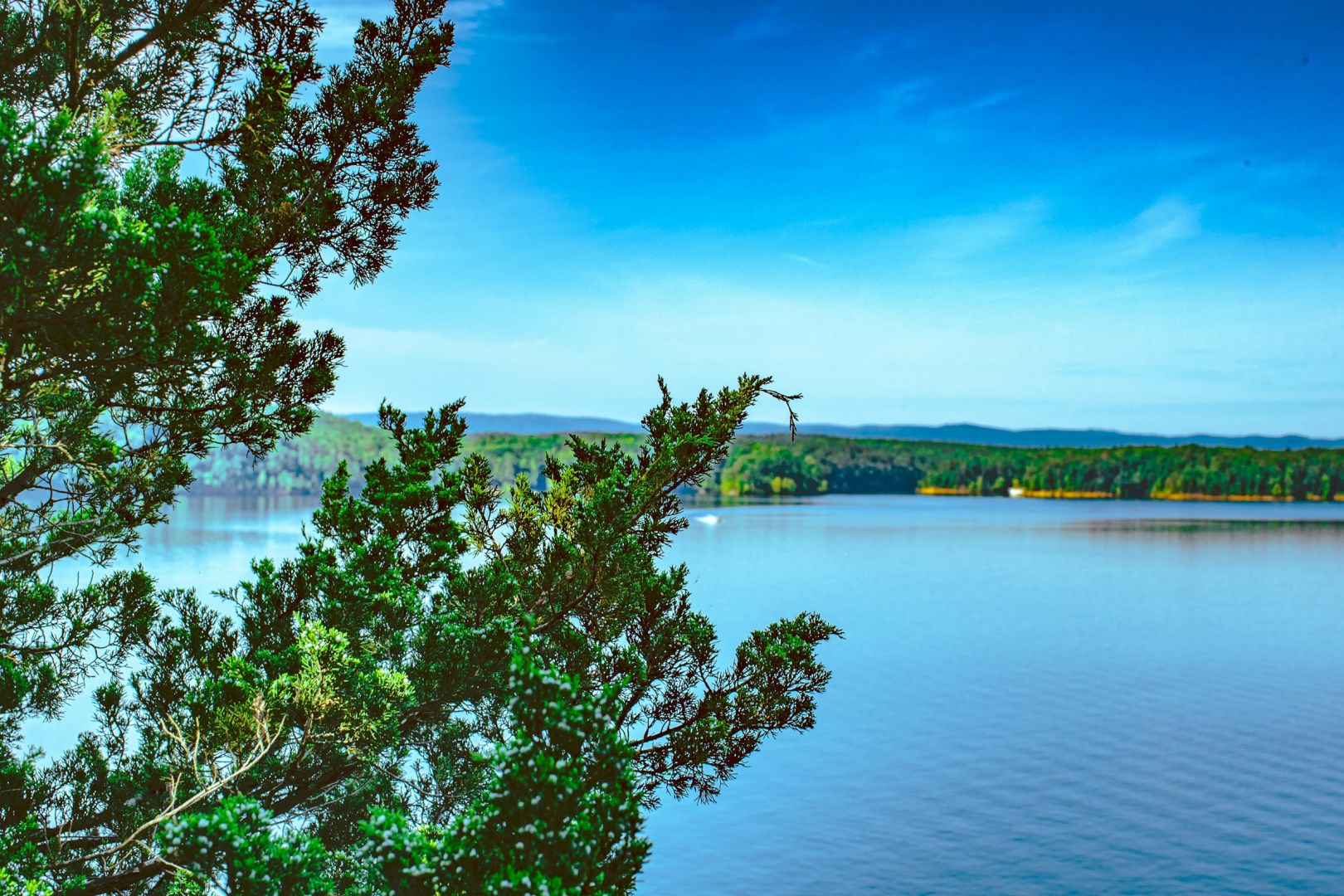
Lake Ouachita is a large reservoir in west-central Arkansas, surrounded by the forested hills of the Ouachita Mountains. The lake lies within the Ouachita National Forest and has a highly irregular shoreline formed by numerous coves, islands, and wooded peninsulas. Its clear water and undeveloped shoreline distinguish it from many reservoirs in more urbanized parts of the state.
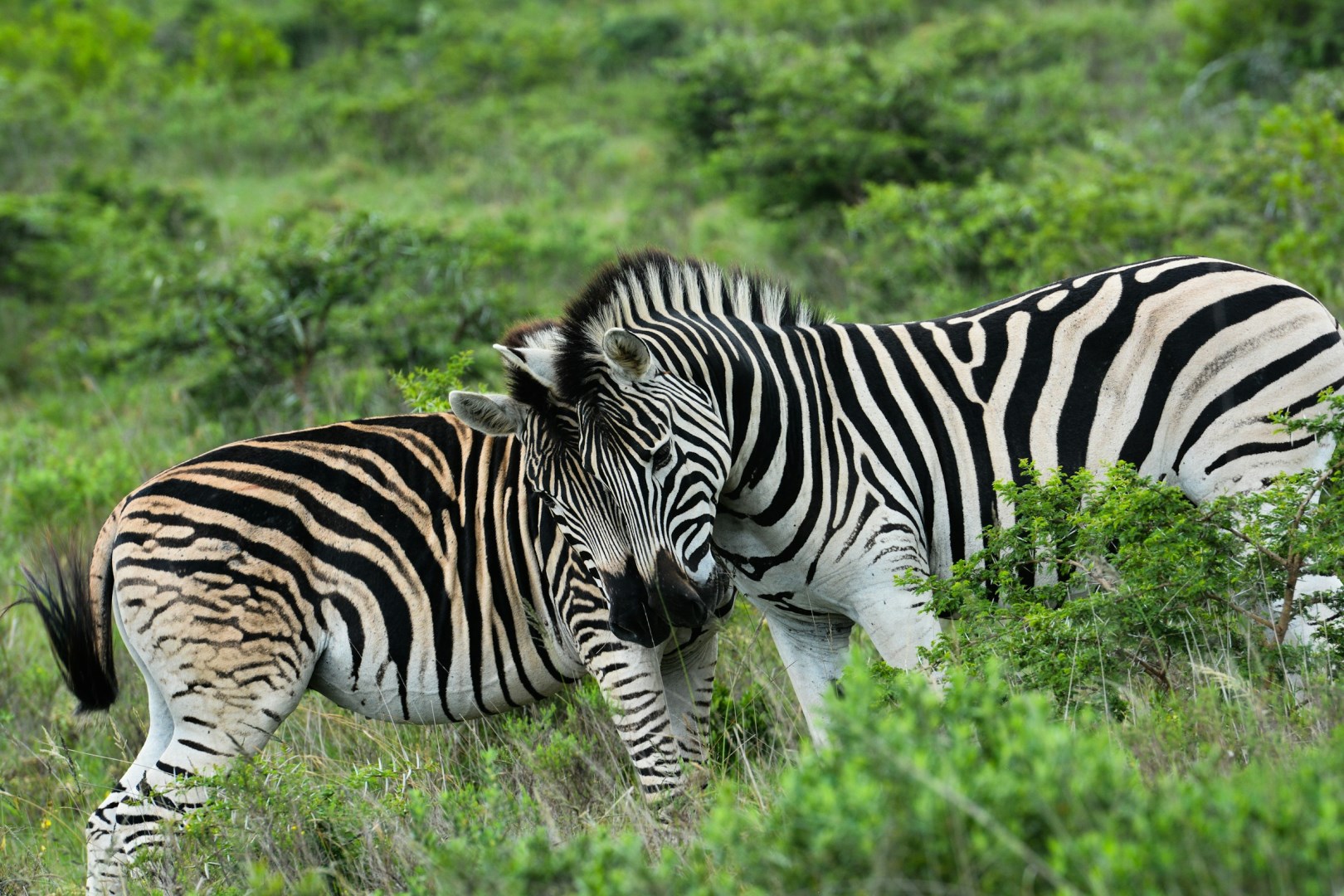
Timbavati Private Nature Reserve
Timbavati Private Nature Reserve lies in South Africa’s northeastern Lowveld, directly alongside Kruger National Park. Covering about 556 square kilometres, it forms part of the larger Greater Kruger landscape, where fences between participating reserves and Kruger have been removed to allow wildlife to move freely. The reserve contains a mixture of savanna, woodland, seasonal rivers, and rocky areas shaped by ancient granite and gneiss formations.
