

Yucatán
Yucatán, a Mexican state, is popular for its Gulf of Mexico beach areas and spectacular Mayan ruins. It is bordered by the states of Campeche and Quintana Roo. Mexico’s Yucatán Peninsula is also home to mystical cenotes—natural sinkholes filled with crystal-clear water.
Rundu
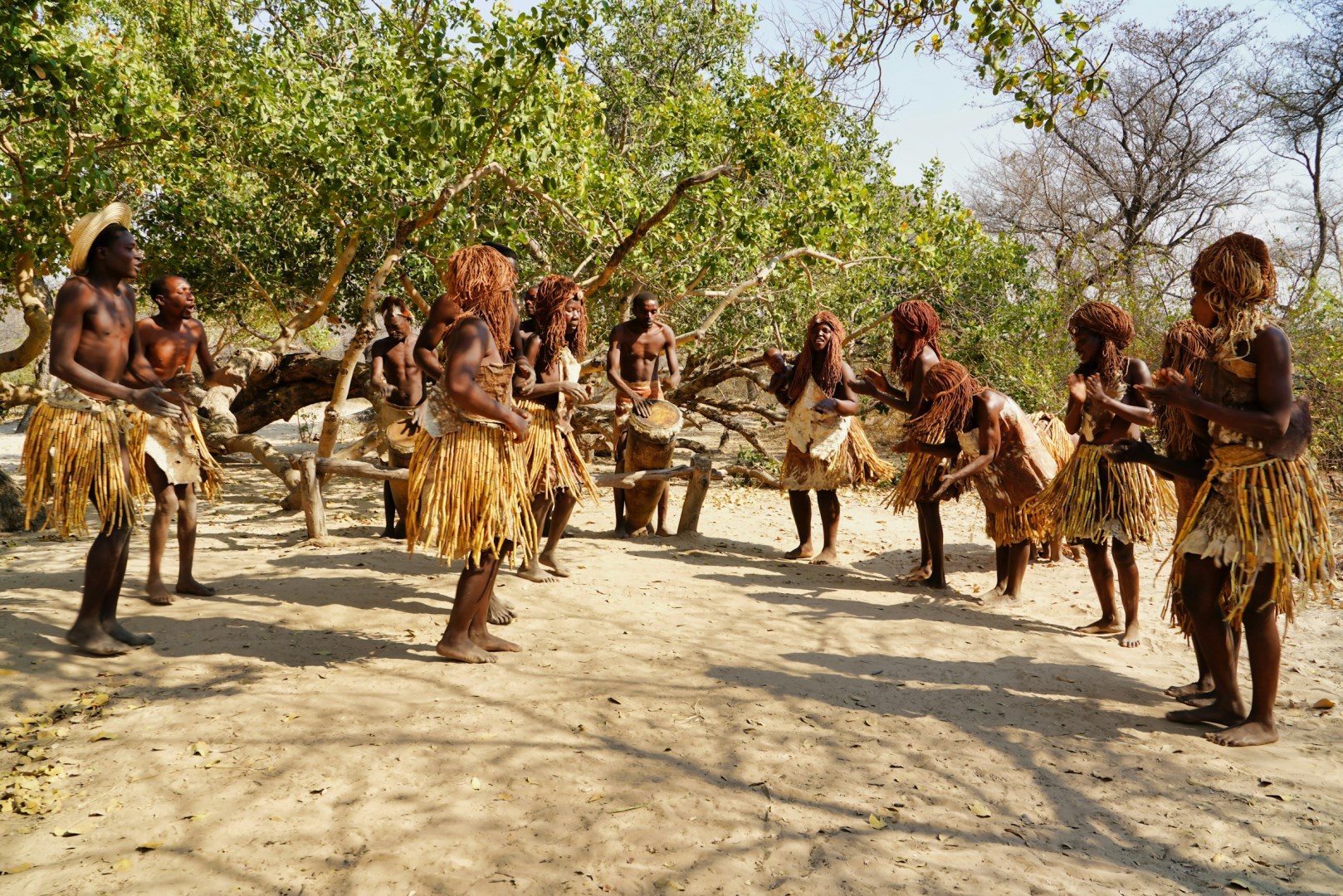
Rundu is the capital of Namibia’s Kavango East Region and a major town on the southern bank of the Kavango River, opposite Angola. Unlike much of Namibia’s dry interior, the area around Rundu is shaped by a permanent river, wooded floodplains, and fertile land used for small-scale agriculture.
Liège
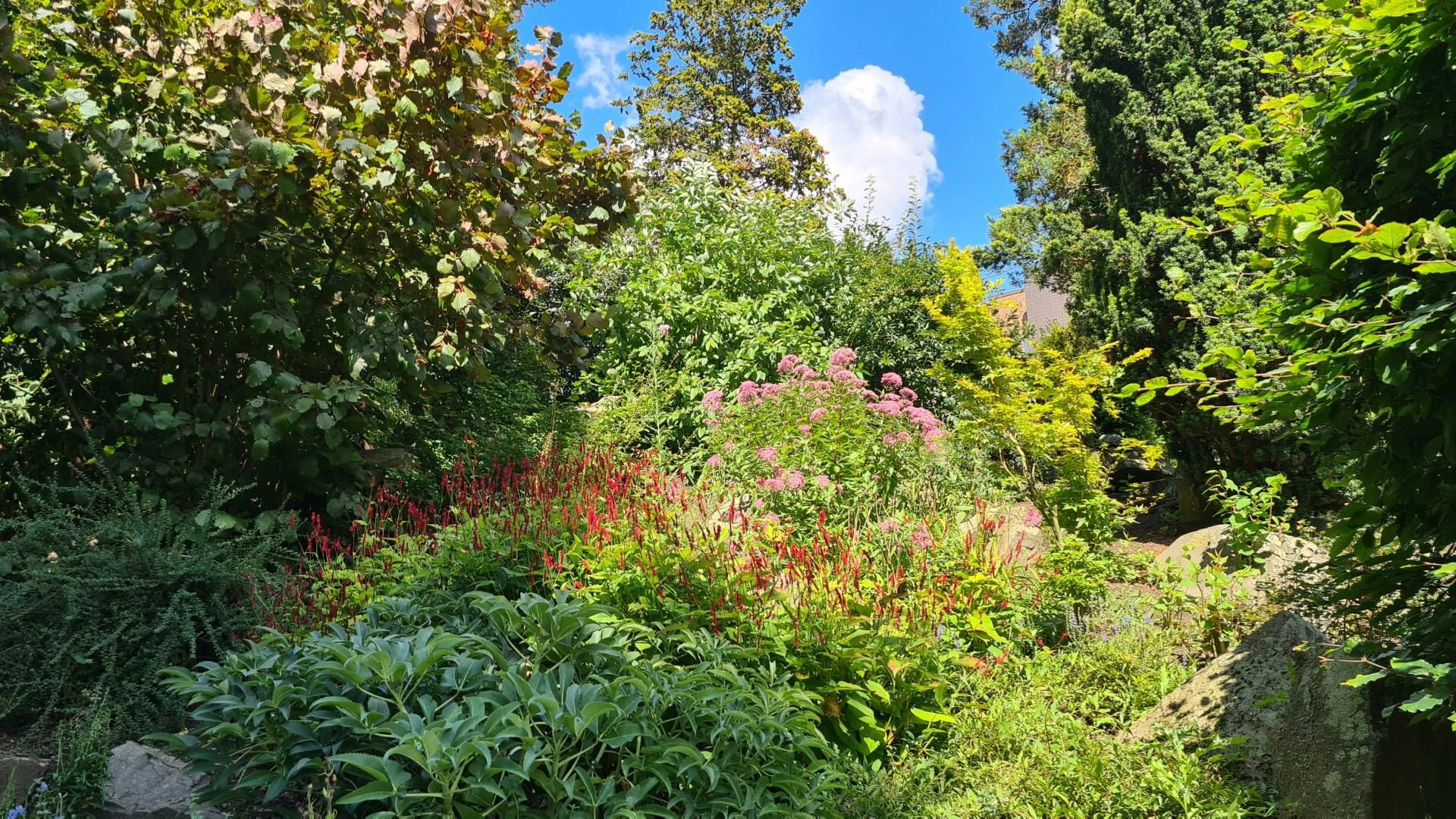
Liège, located along the Meuse River in eastern Belgium, is a city shaped by industry, resilience, and an independent spirit that dates back centuries. Once the capital of a powerful prince-bishopric, Liège has always done things its own way and is lived-in and layered with working neighborhoods, student cafés, and markets that tell the city’s real story. Every Sunday, locals gather at La Batte, one of the oldest and largest outdoor markets in Belgium.
Horseshoe Bay
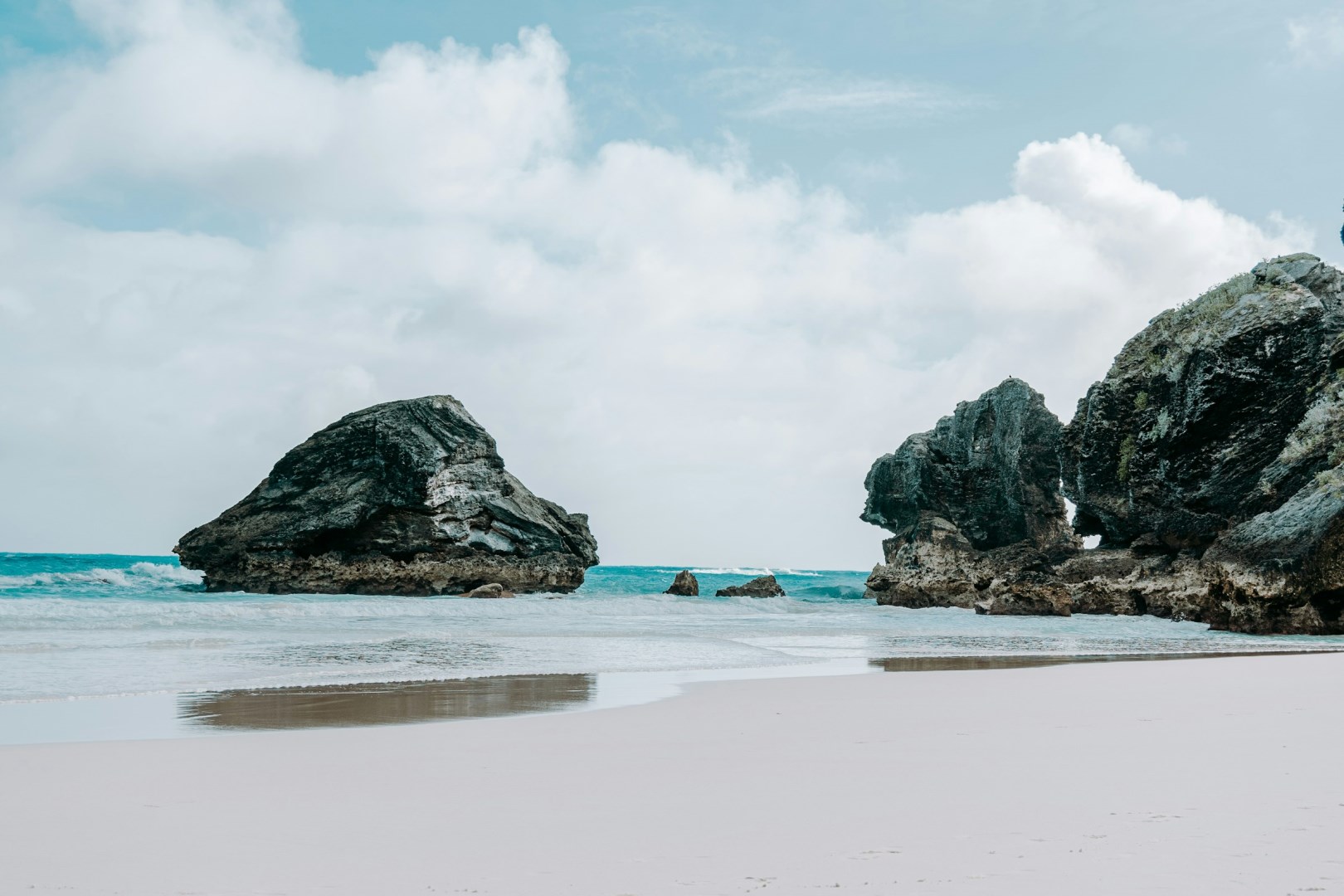
Horseshoe Bay is a broad crescent-shaped beach on Bermuda’s South Shore in Southampton Parish, named for the curve formed by its shoreline. Its pale pink sand contrasts with the blue Atlantic water, while limestone cliffs and rocky outcrops frame both ends of the beach. The shoreline is part of Bermuda’s protected coastal environment, with dunes and native vegetation growing behind the sand.
Padang
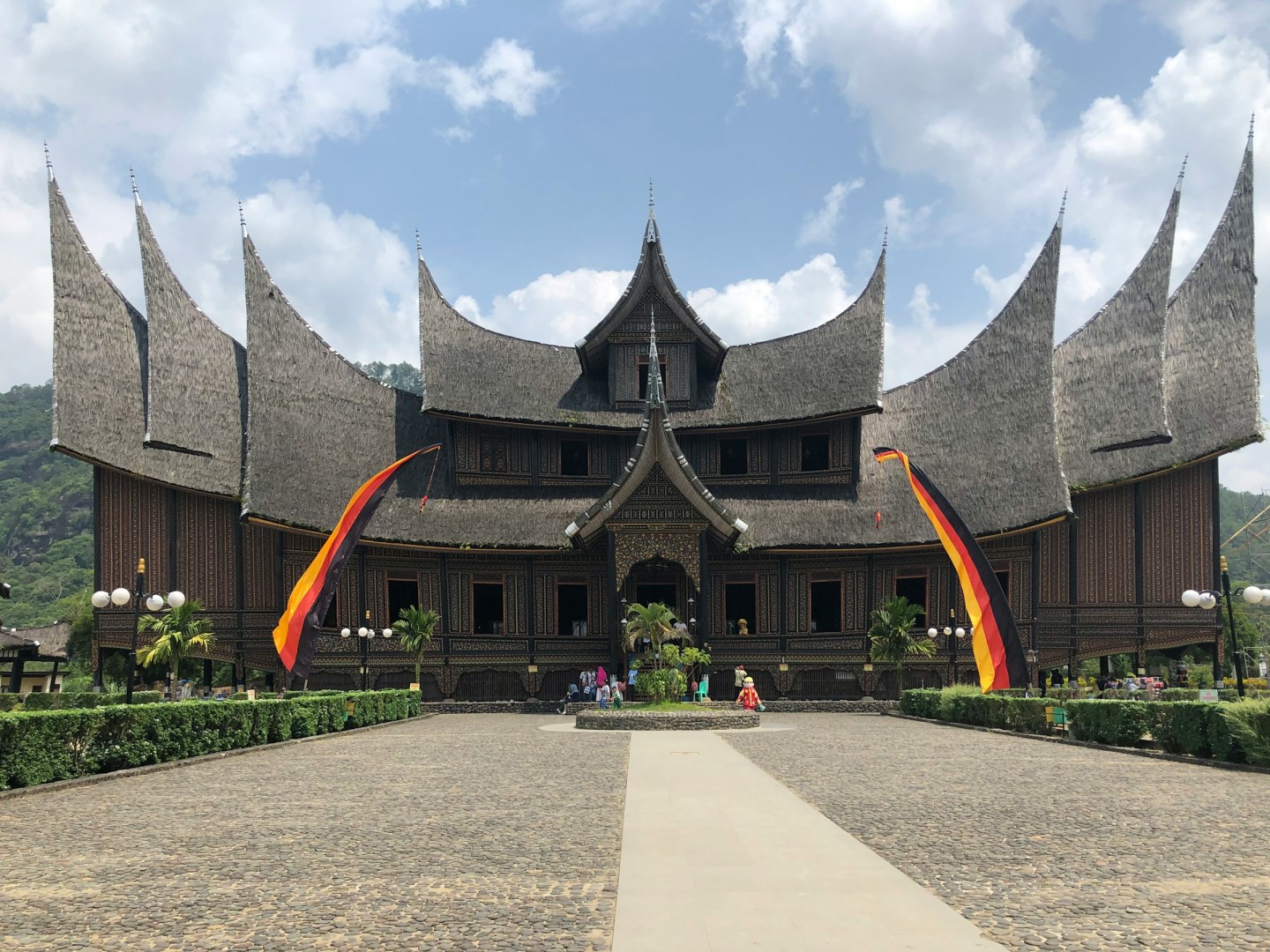
Padang is the third largest city and the capital of West Sumatra. It is the biggest seaport along its west coast, and is a center of business and government. The terrain of the city is mostly flat, and the name Padang actually means "plain." But if you venture outside of the city limits, the scenery is quite lovely going towards the neighboring city of Solok.
