
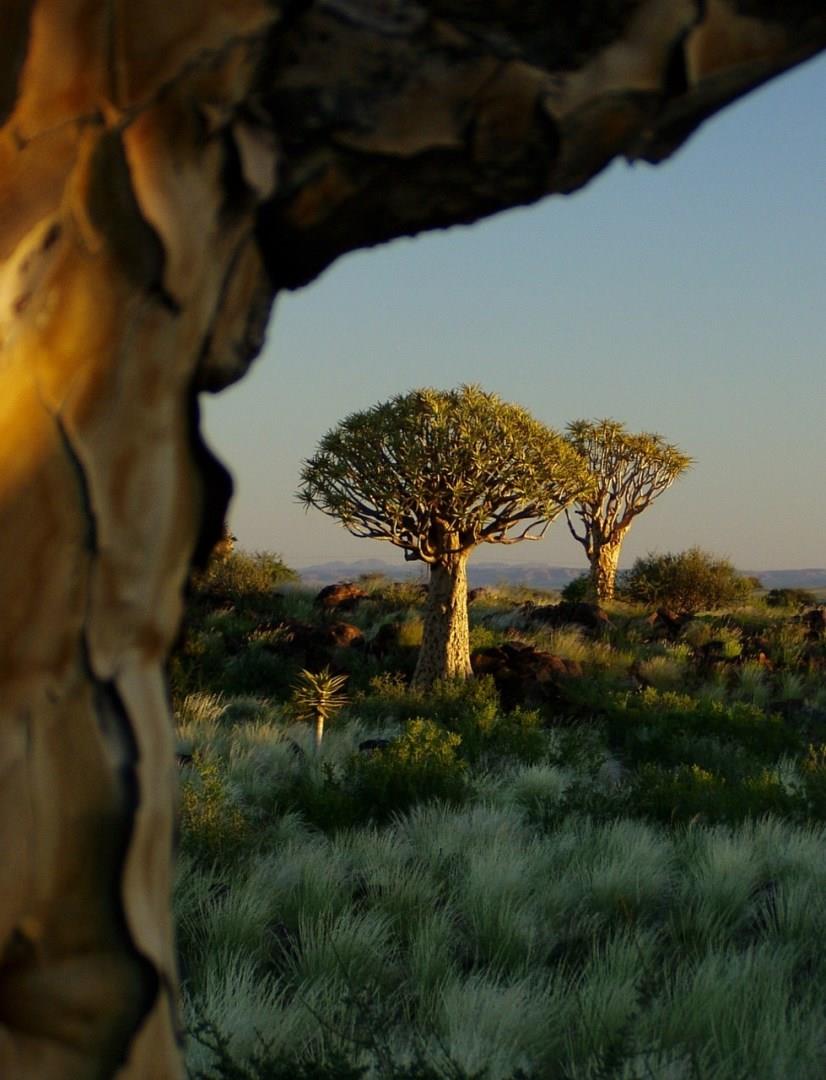
Kokerboomwoud
The Quiver Tree Forest, located just outside the town of Keetmanshoop in southern Namibia, is one of the country's most captivating natural wonders. This unique forest is home to hundreds of towering quiver trees (Aloe dichotoma), some of which are estimated to be over 200 years old. These trees, named after the San people who used their hollowed-out branches as quivers for arrows, are an iconic symbol of Namibia's arid landscape.
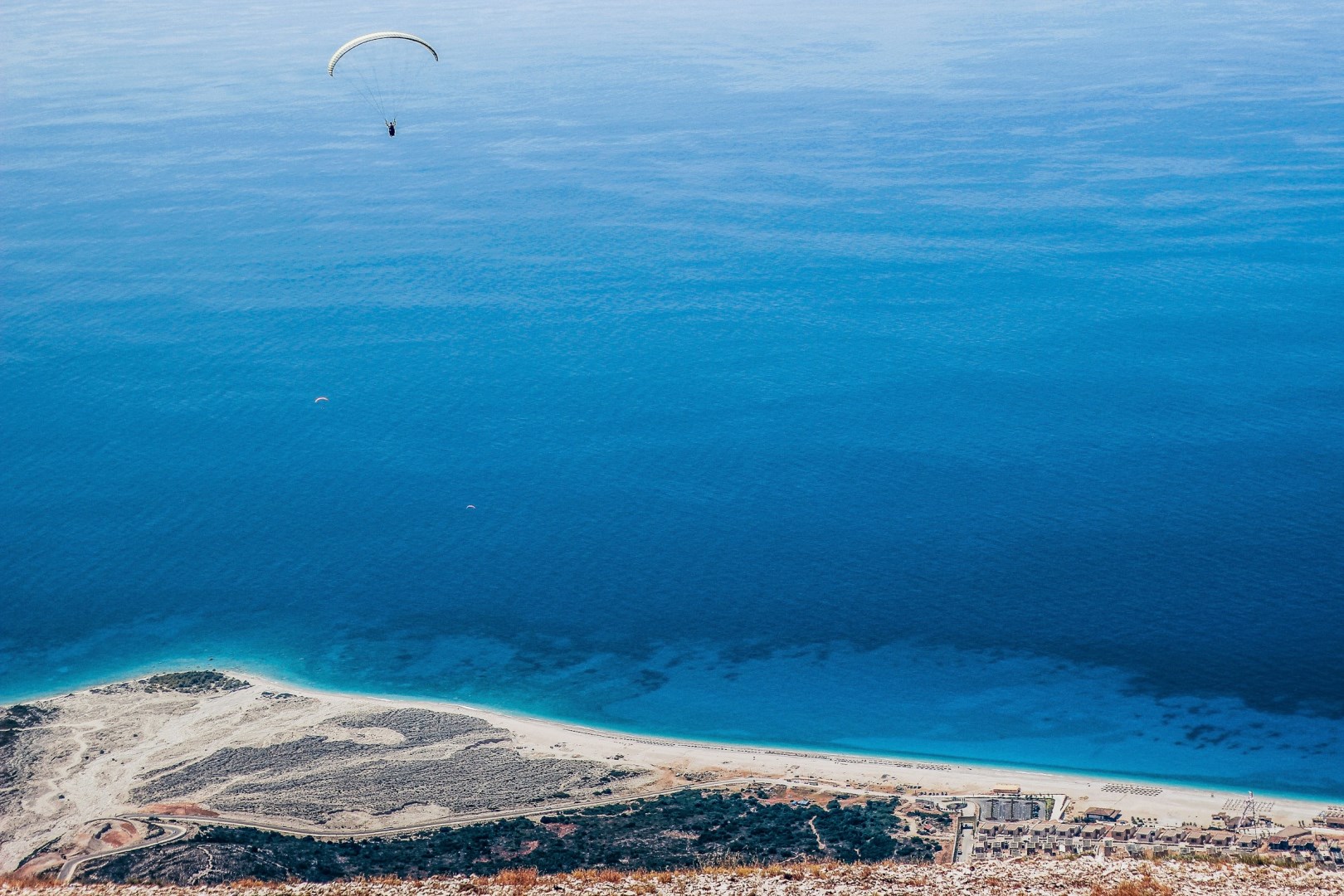
Llogara National Park
Llogara National Park lies in southern Albania within the Çika mountain range, overlooking the Ionian coast near the Albanian Riviera. The park rises from forested slopes to the Qore peak, with elevations ranging from about 450 to 2,018 meters. Its terrain includes steep limestone mountains, alpine meadows, rocky areas, and dense forests.
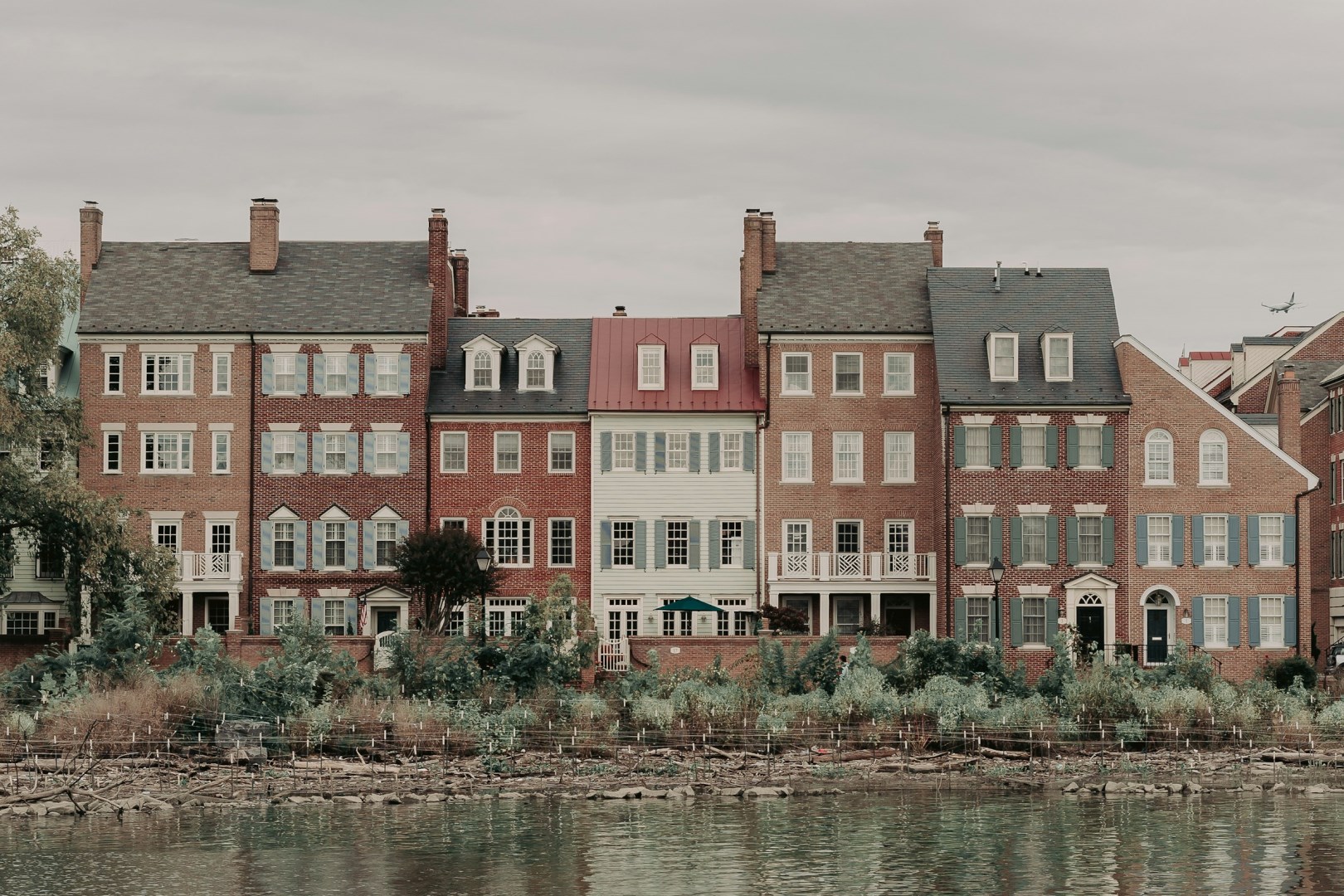
Alexandria
Alexandria is an unique and historic place that keeps pace with the modern world. The City is part of a large metropolitan area surrounding the nation's Capital, yet it has retained its period character. About one-quarter of the town's 15 square miles has been designated as a national or local historic district.
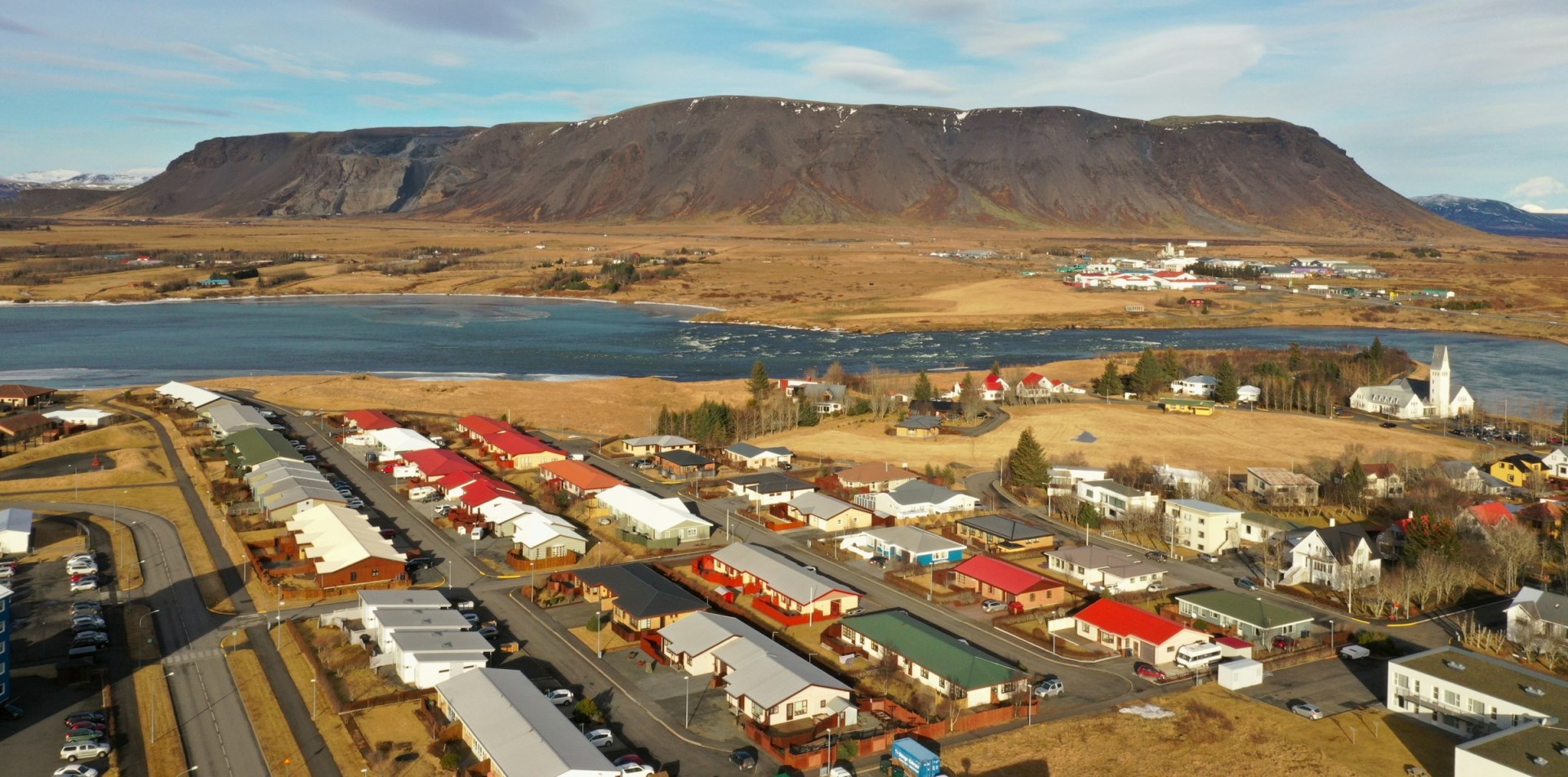
Selfoss
Selfoss is the largest town in South Iceland and an important service center for the surrounding agricultural communities. It stands on the Ölfusá River, whose broad waters are fed by the glacial rivers of Iceland’s southern highlands. The town is relatively modern in appearance, but its position beside the river has long made it an important crossing point and meeting place.

Greenland
Greenland, the world’s largest island, offers travelers an experience that feels like stepping onto another planet. Vast ice sheets, towering glaciers, and deep fjords stretch across the horizon, creating a landscape that constantly shifts with the light. During summer, the Midnight Sun casts a golden glow well past midnight, while winter brings months of darkness lit by vibrant displays of the Northern Lights.
