
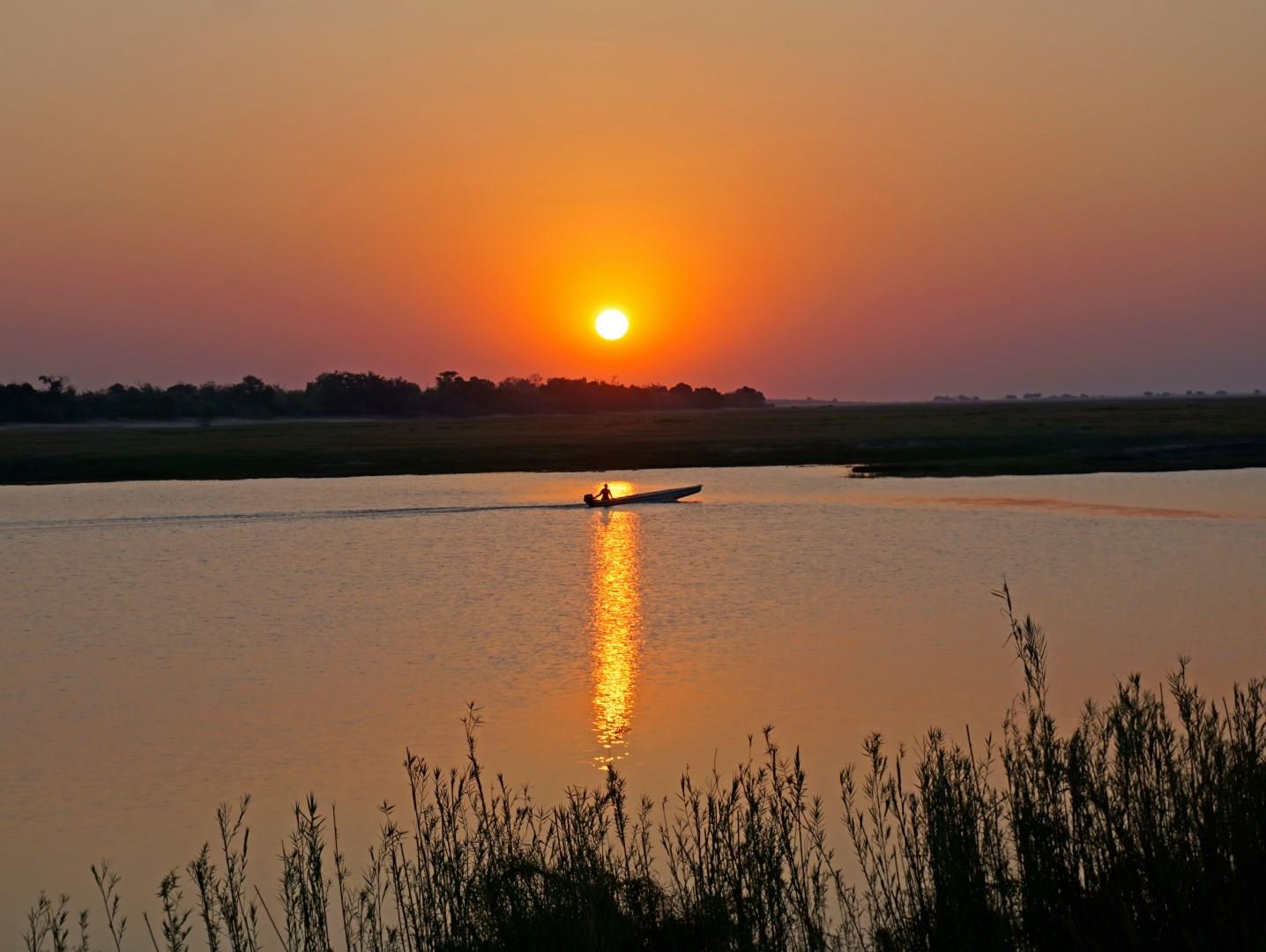
Chobe River
The Chobe River forms the northern boundary of the Chobe National Park. Animal lovers and safari enthusiasts know it as the place where the elephants congregate during winter's dry season and migrant birds are in full color during the wet summer months. The river itself is actually a section of the Cuando River, known as the Chobe from the seasonal lake Liambesi to its outflow at the Zambezi River.
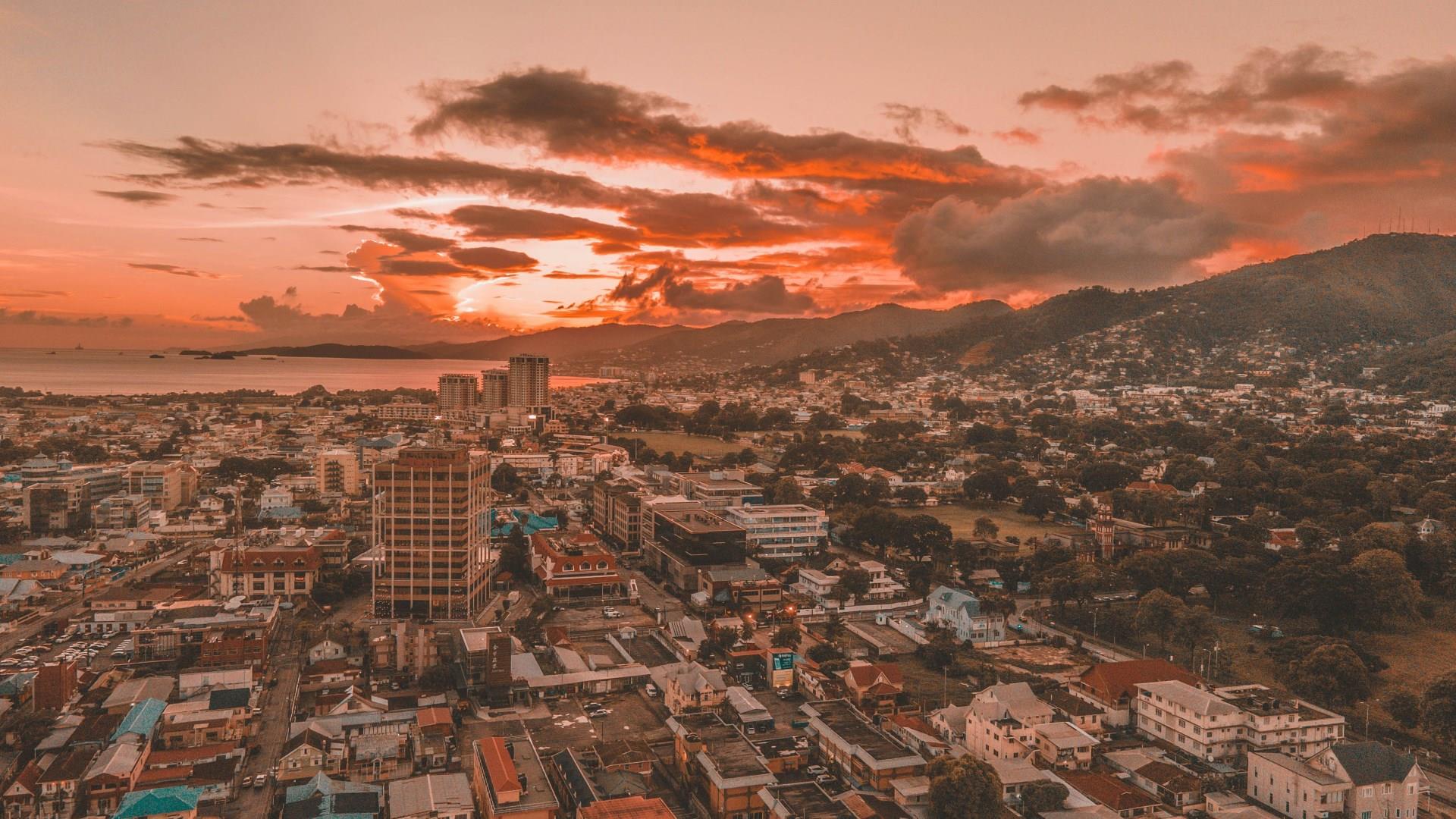
Port of Spain
Port of Spain, the capital of Trinidad and Tobago, is a city that brims with cultural energy and layered history. Set against the backdrop of the Northern Range mountains and overlooking the Gulf of Paria, it has long been a hub of trade, migration, and creativity.
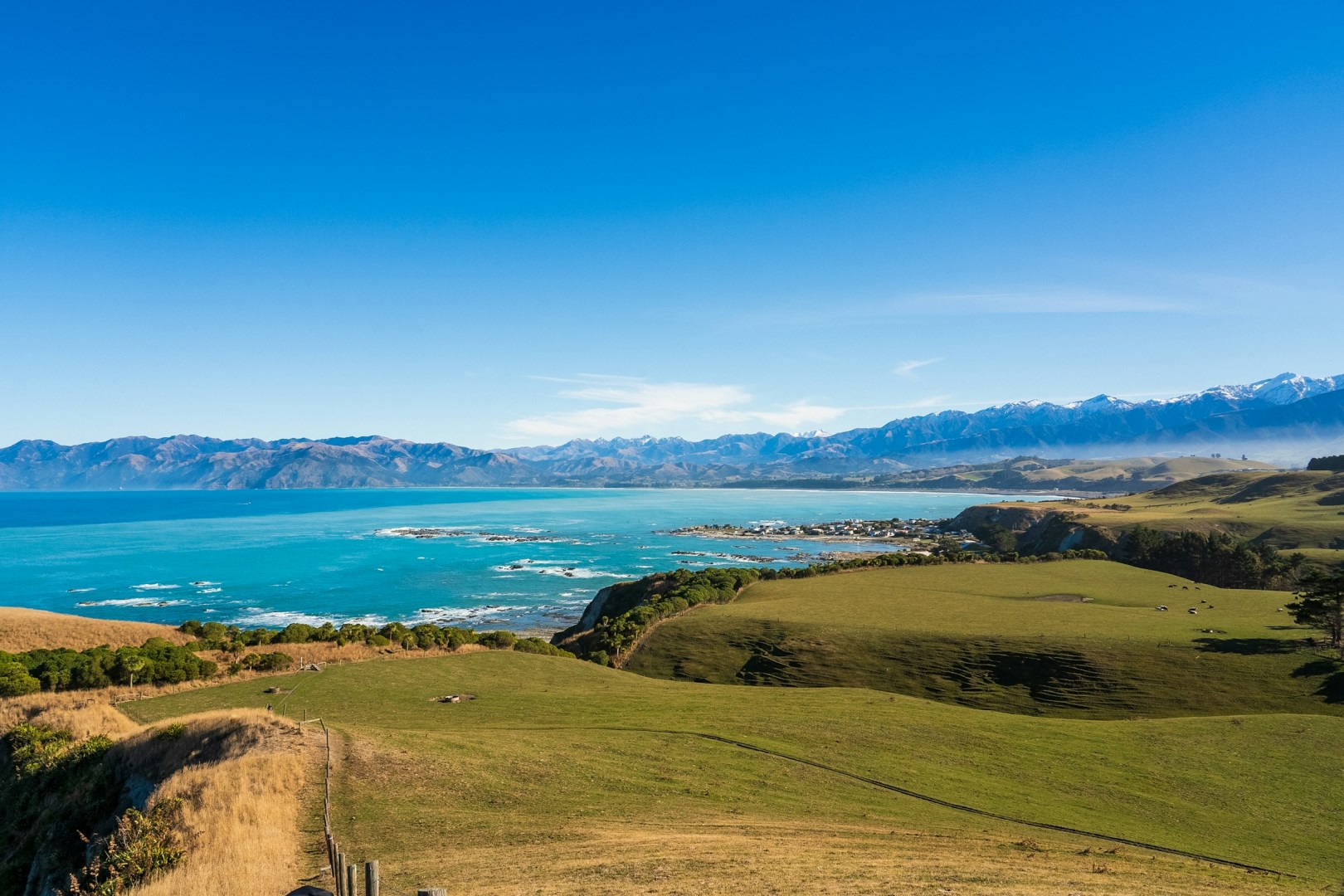
Kaikōura
What sets Kaikōura apart are the extraordinary marine encounters that begin just off the shoreline. The Kaikōura Canyon, an underwater gorge that plunges to great depths close to land, creates currents rich with nutrients that attract a remarkable array of sea life year-round. Sperm whales are a common sight here and are frequently spotted on local boat tours. Dusky dolphins twist and leap in large pods, and colonies of New Zealand fur seals laze on rocky outcrops along the coast.

Yellowstone National Park
Yellowstone National Park, America's first national park, stands as a stunning testament to nature’s raw power and beauty. Located primarily in Wyoming, with portions extending into Montana and Idaho, Yellowstone offers visitors a chance to witness incredible geothermal wonders, such as the famous Old Faithful geyser that faithfully erupts every 60 to 110 minutes.

South Korea
South Korea is a land where ancient traditions live alongside futuristic cities. From Seoul’s grand palaces and vibrant arts scene to the volcanic landscapes of Jeju Island and the tranquil reflection of rice paddies in rural valleys, the country balances its rich heritage with constant reinvention.
