
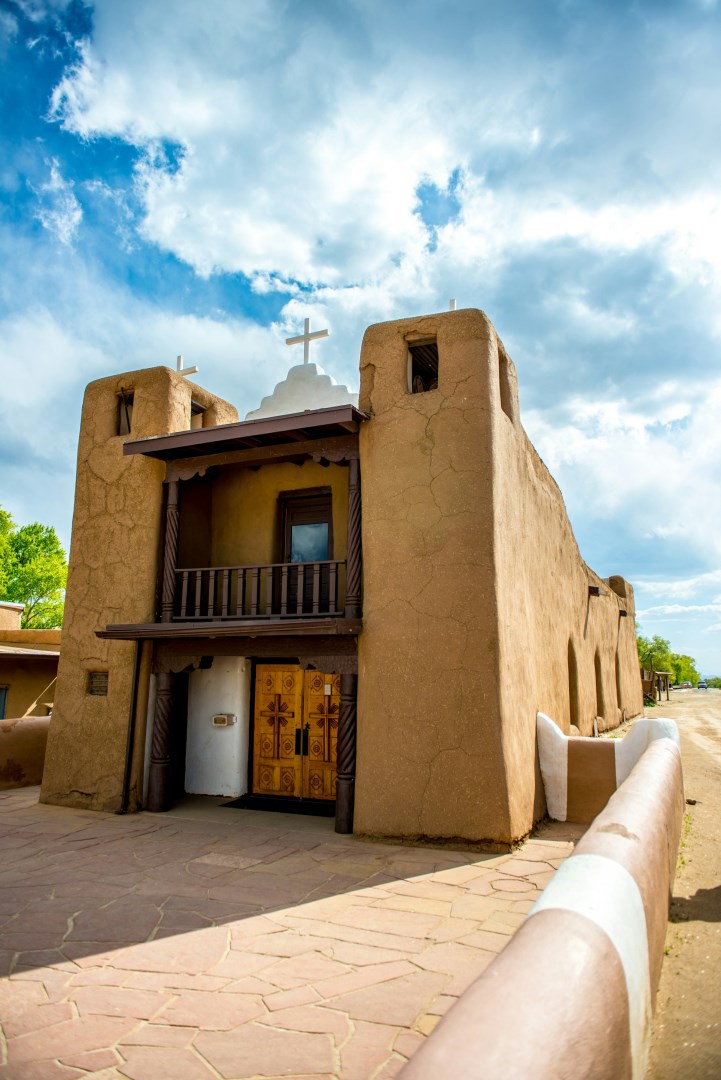
Taos
Taos, located in northern New Mexico, is a town renowned for its rich blend of Native American, Spanish, and Anglo cultures, dramatic landscapes, and artistic legacy. Nestled in the Sangre de Cristo Mountains, it has been a center for centuries of human settlement, from the Taos Pueblo, one of the oldest continuously inhabited communities in North America, to Spanish colonial missions and trading posts.

Kaohsiung
Kaohsiung sits on Taiwan’s southern coast and rises from one of the island’s busiest harbors into a city that rewards slow exploration and lively discovery. History and local belief surface at the Dragon and Tiger Pagodas beside Lotus Pond in Zuoying District. These twin pagodas that are connected to the shore by a zigzag bridge, invite visitors to walk through the dragon’s mouth and out the tiger’s, a practice locals associate with turning bad luck into good fortune.
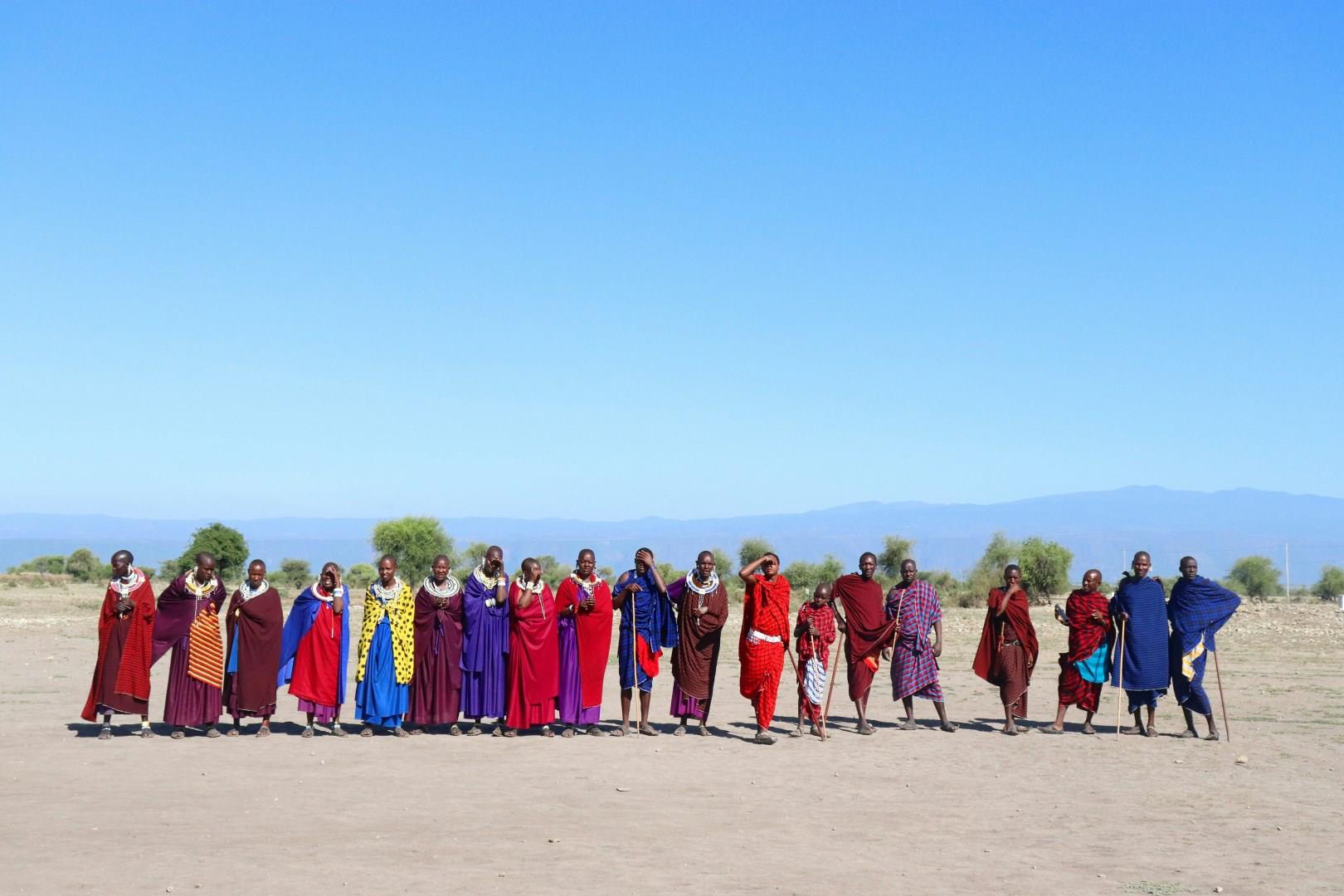
Karatu
Karatu, located in northern Tanzania between Lake Manyara and the Ngorongoro Crater, is more than just a stopover for safari-goers. This highland town, surrounded by rolling farmland and volcanic hills, offers travelers a closer look at daily life in the region. The area is home to the Iraqw people, known for their terraced farming, traditional homesteads, and unique language unrelated to most other East African tongues.

Cancún
Cancún sits on the northeastern tip of Mexico’s Yucatán Peninsula, where the Caribbean Sea meets a narrow stretch of sand shaped by ancient Maya trade routes and modern development. While widely known as a resort destination, Cancún’s roots trace back to a quiet fishing area near important pre-Hispanic sites, with nearby Isla Mujeres and the mainland serving as part of a broader coastal network connected to inland Maya cities.
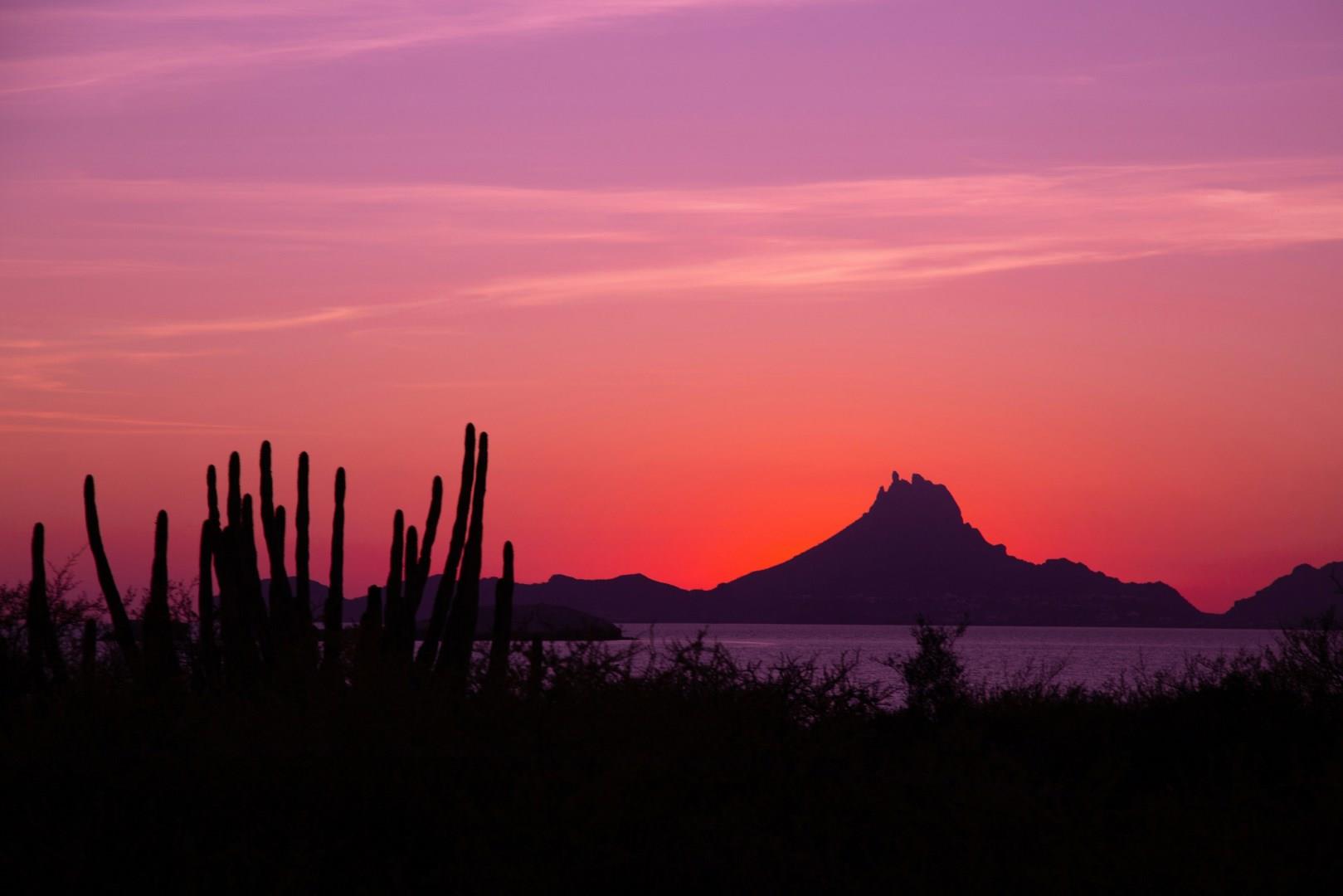
Guaymas
Guaymas lies along the Gulf of California in the Mexican state of Sonora, shaped by its role as a working port rather than a resort city.
