

Punakha
Punakha sits in one of Bhutan’s most fertile valleys, cradled where the Mo Chhu and Pho Chhu rivers meet. For centuries it served as the kingdom’s capital and remains a place rich with stories woven through its fields, temples, and riverbanks. The city’s low elevation brings warmer weather than much of Bhutan’s highland regions, and rice paddies fill the landscape with vivid green during planting and golden hues at harvest.
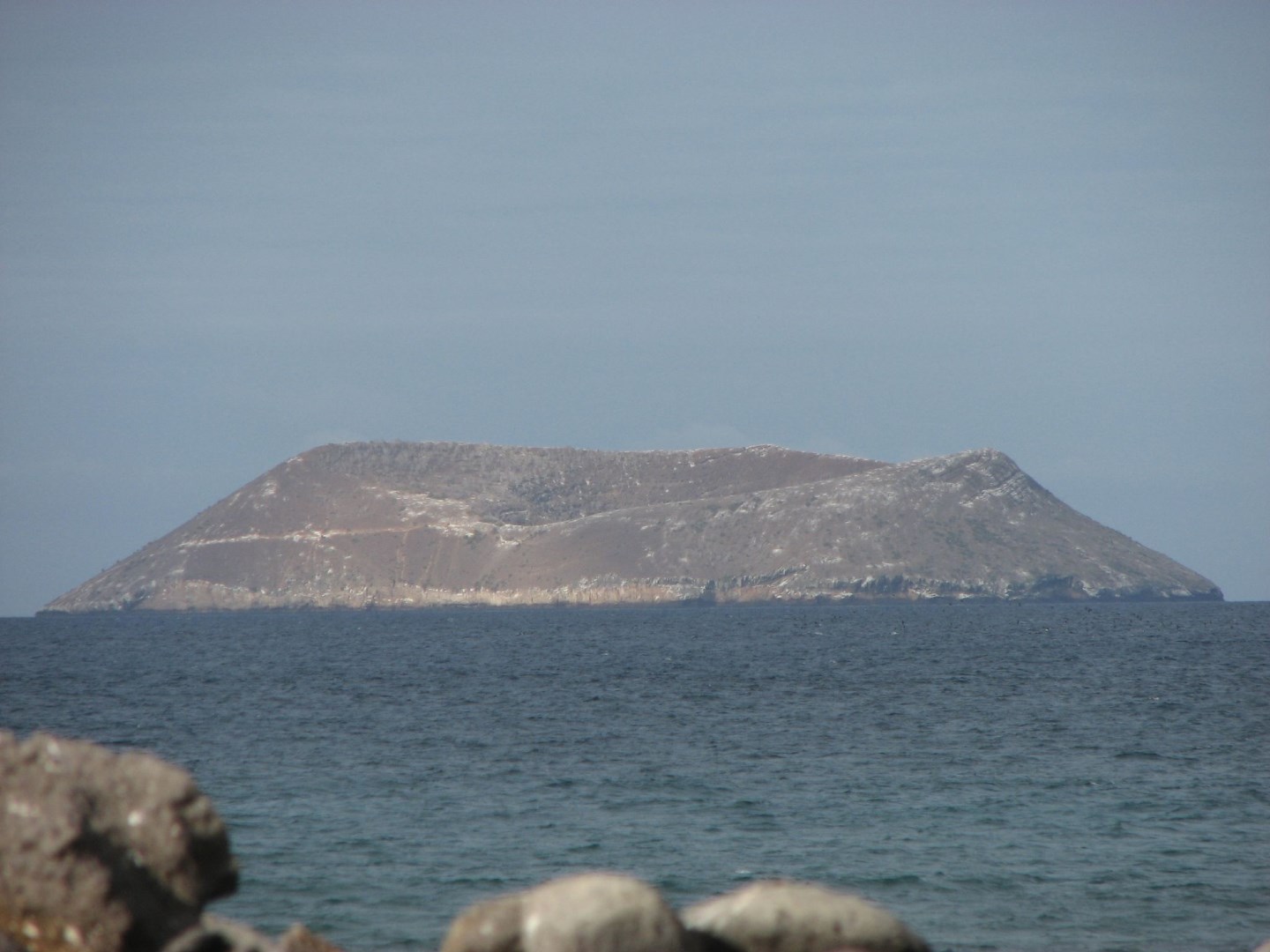
Daphne Major
Daphne Major is a small volcanic island in the Galápagos archipelago of Ecuador, located northwest of Santa Cruz Island. It rises steeply from the ocean, forming a crater-like shape with cliffs surrounding much of its coastline.
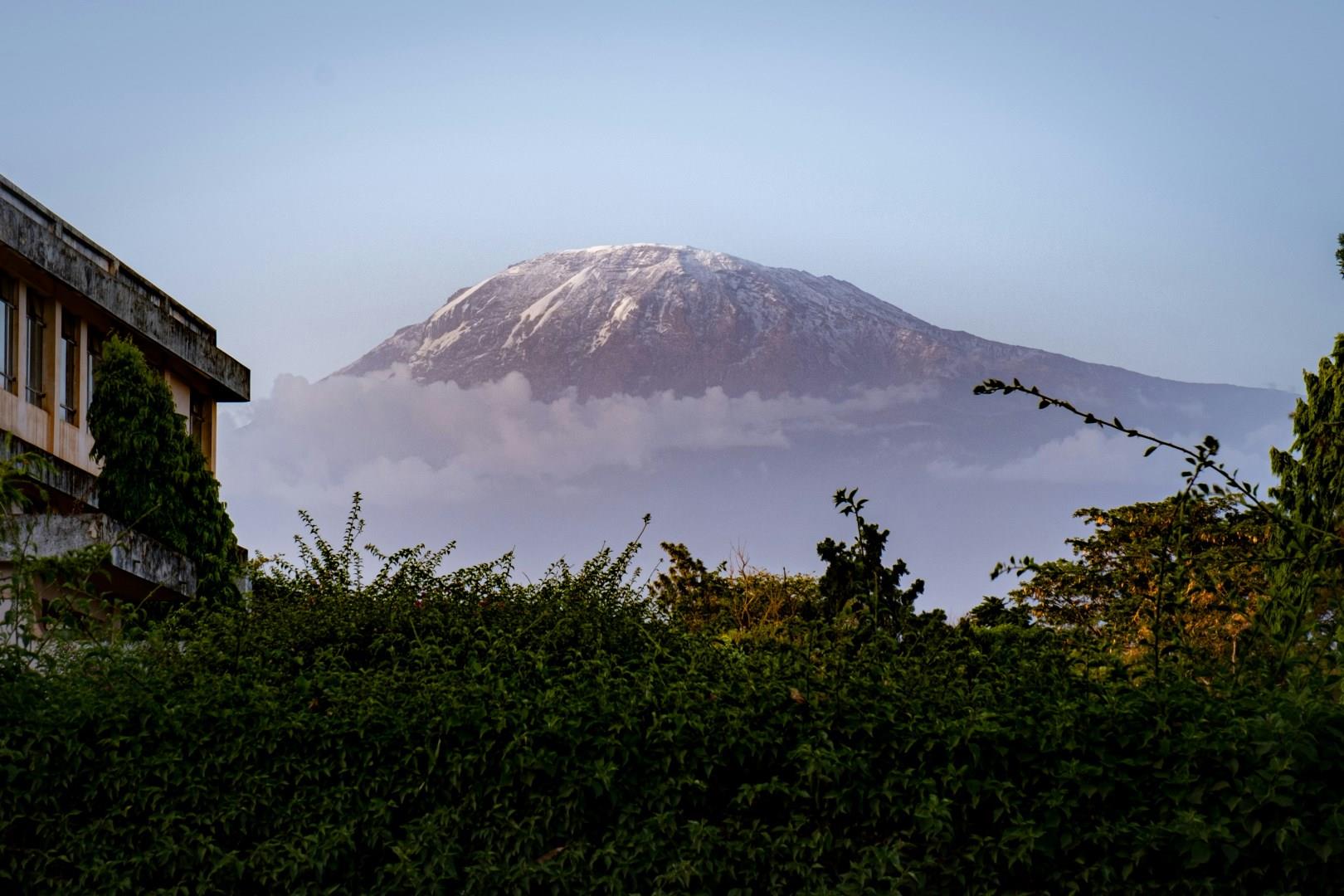
Moshi
Moshi sits on the southern slopes of Mount Kilimanjaro in northern Tanzania, shaped by both Chagga culture and its role as a crossroads for trade and travel.
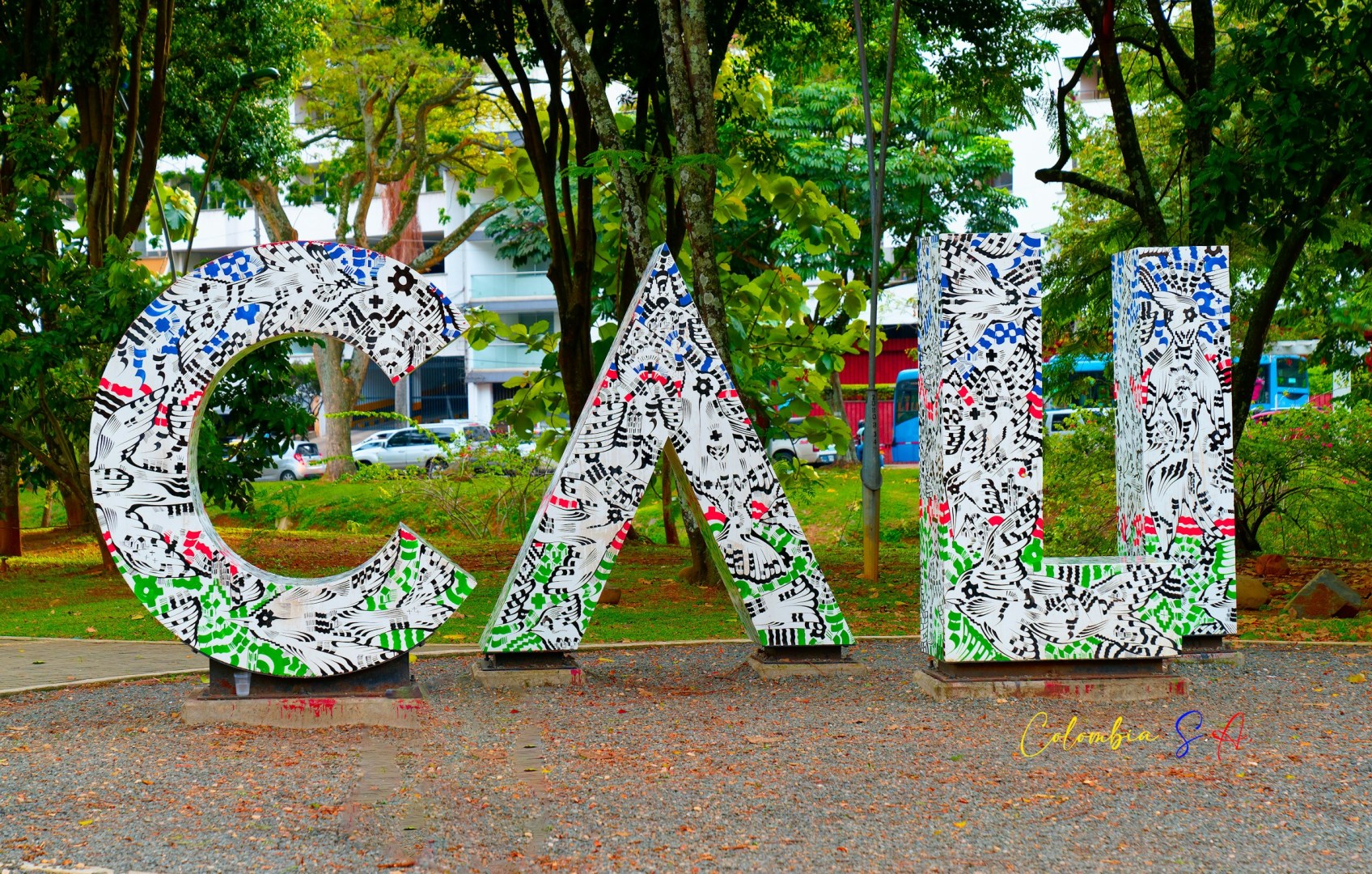
Cali
A lovely city between the Central and Western mountain ranges, it is known as the capital of salsa music and claims to be home to the most beautiful women in the world.
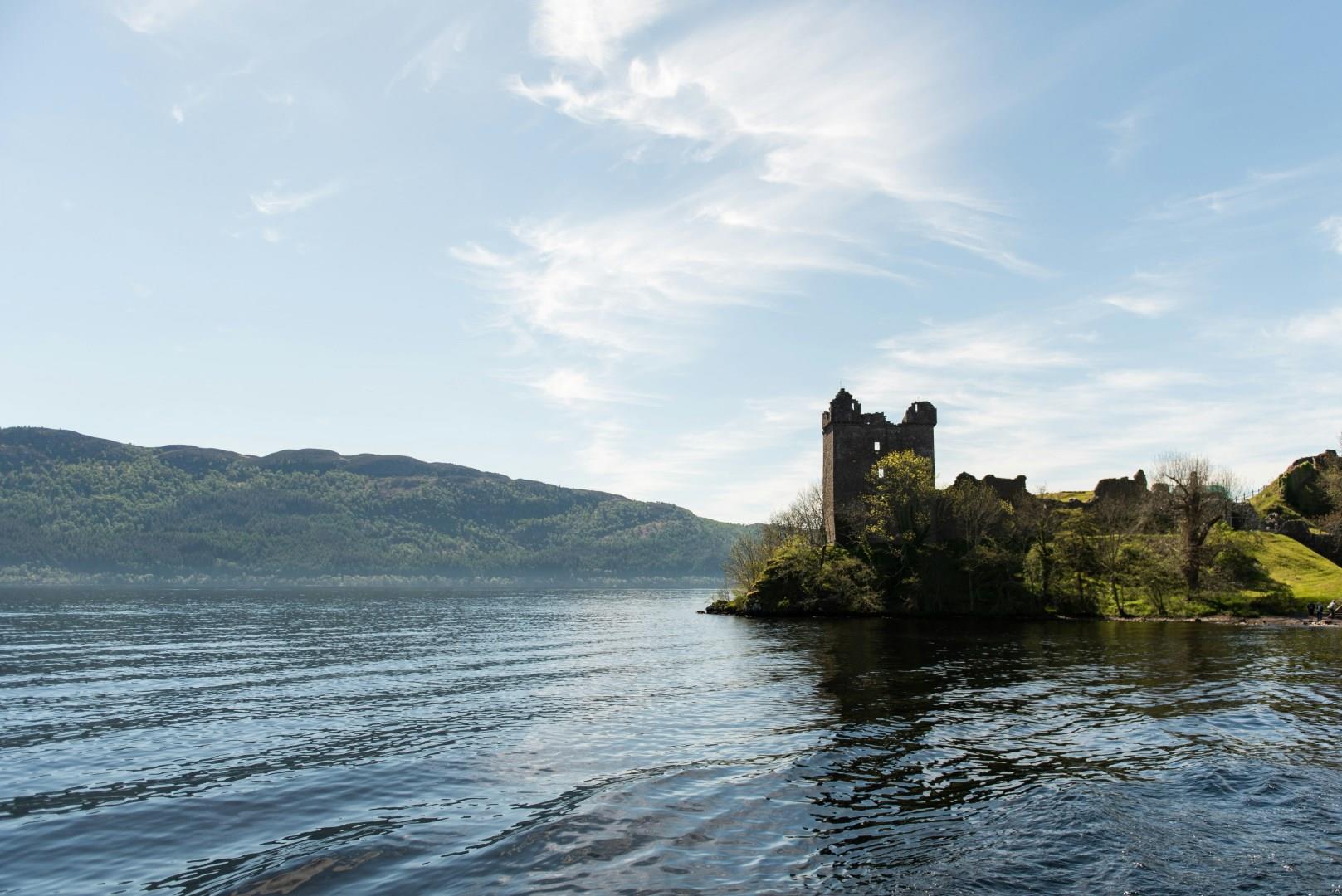
Loch Ness
Loch Ness stretches over 23 miles through the Scottish Highlands, holding more freshwater than all the lakes in England and Wales combined. Best known for its elusive resident, the so-called Loch Ness Monster, the loch has sparked international curiosity since the first modern "sighting" in 1933. While Nessie remains elusive, the surrounding landscape offers clear reasons to visit with steep hillsides, forested trails, and ancient ruins framing one of Scotland’s most iconic bodies of water.
