

Kamloops
Kamloops, located in the interior of British Columbia, sits at the meeting point of the North and South Thompson Rivers. The name comes from the Secwépemc word “Tk’emlúps,” meaning "where the rivers meet," and the area has been a gathering place for Indigenous communities for thousands of years. Today, visitors can explore this rich cultural heritage at the Secwépemc Museum and Heritage Park, where trails lead through archaeological sites and reconstructed pit houses.
Evora
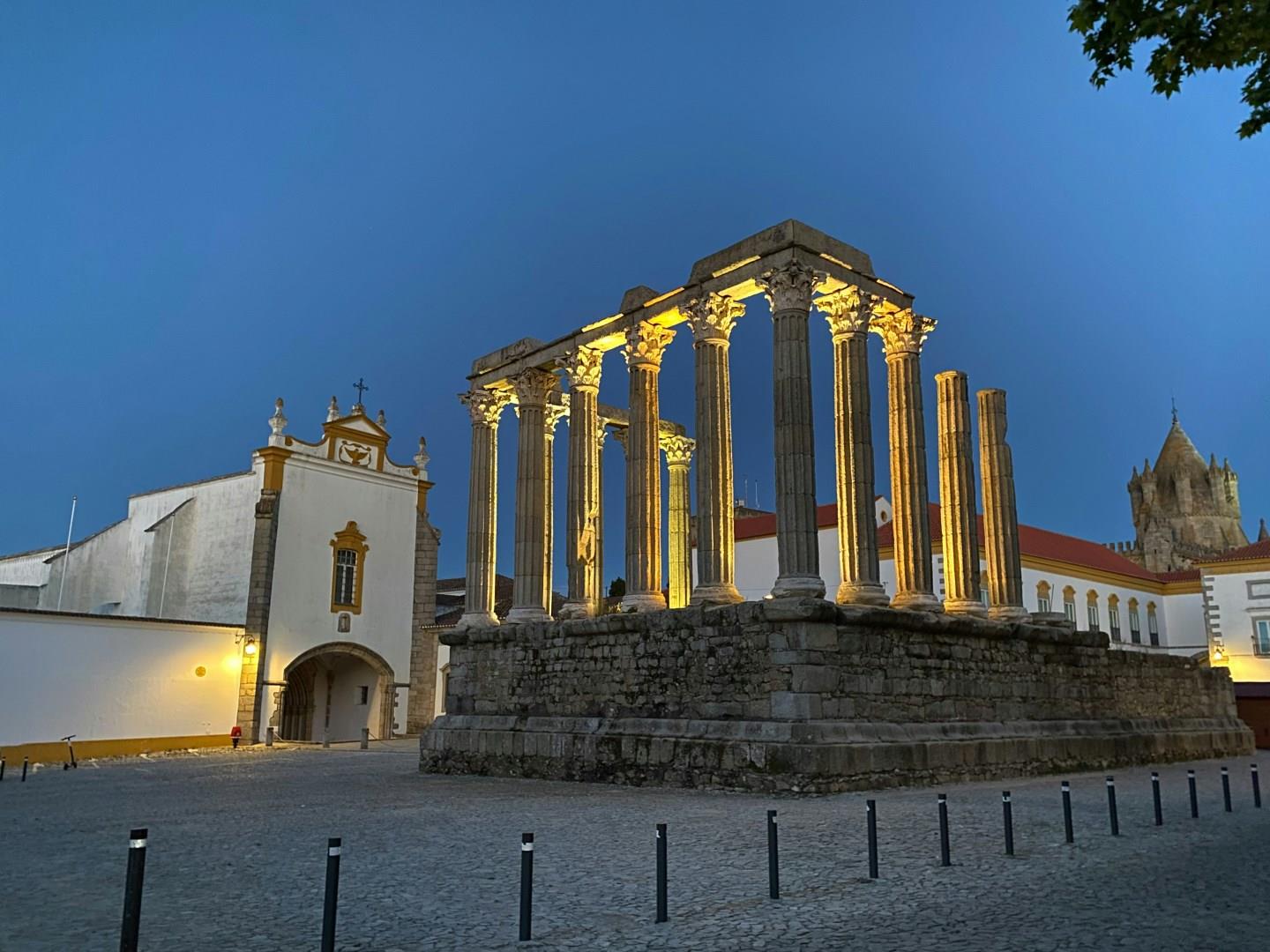
Évora, in Portugal’s Alentejo region, feels like stepping into a story that spans more than two thousand years. Its Historic Centre was named a UNESCO World Heritage Site for good reason with its ancient walls, homes with wrought-iron balconies, and narrow streets quietly preserve traces of Roman, Moorish, and medieval life. Beyond architecture and monuments, Évora reveals lesser-known treasures that reward exploration.
Ballater
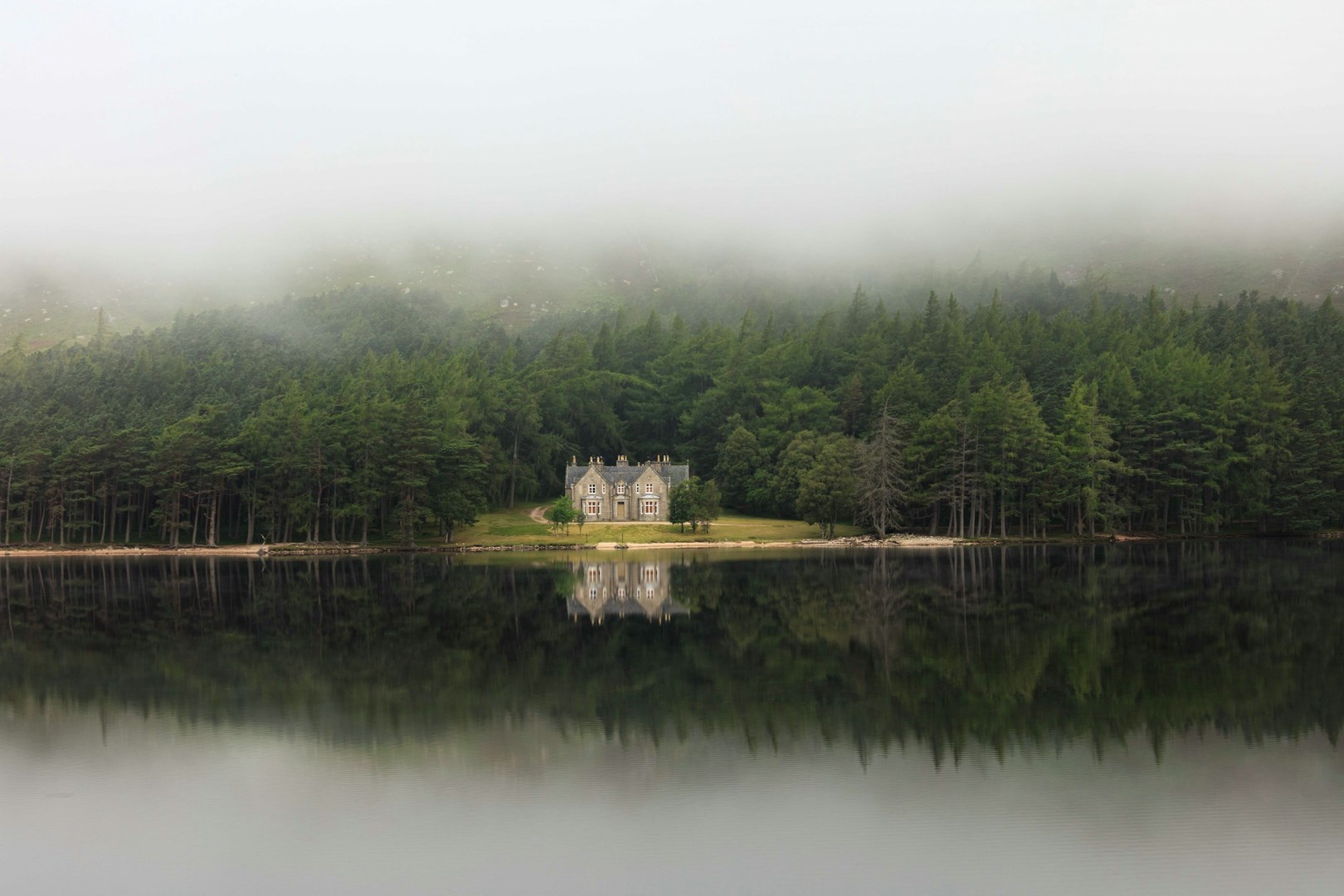
A nice stop on your Scottish tour for the perfect golf game or bed and breakfast. Set in magnificent scenery, it is the perfect base for touring the surrounding town of Balmoral, and the Muir of Dunnet Nature Reserve.
Quetzaltenango
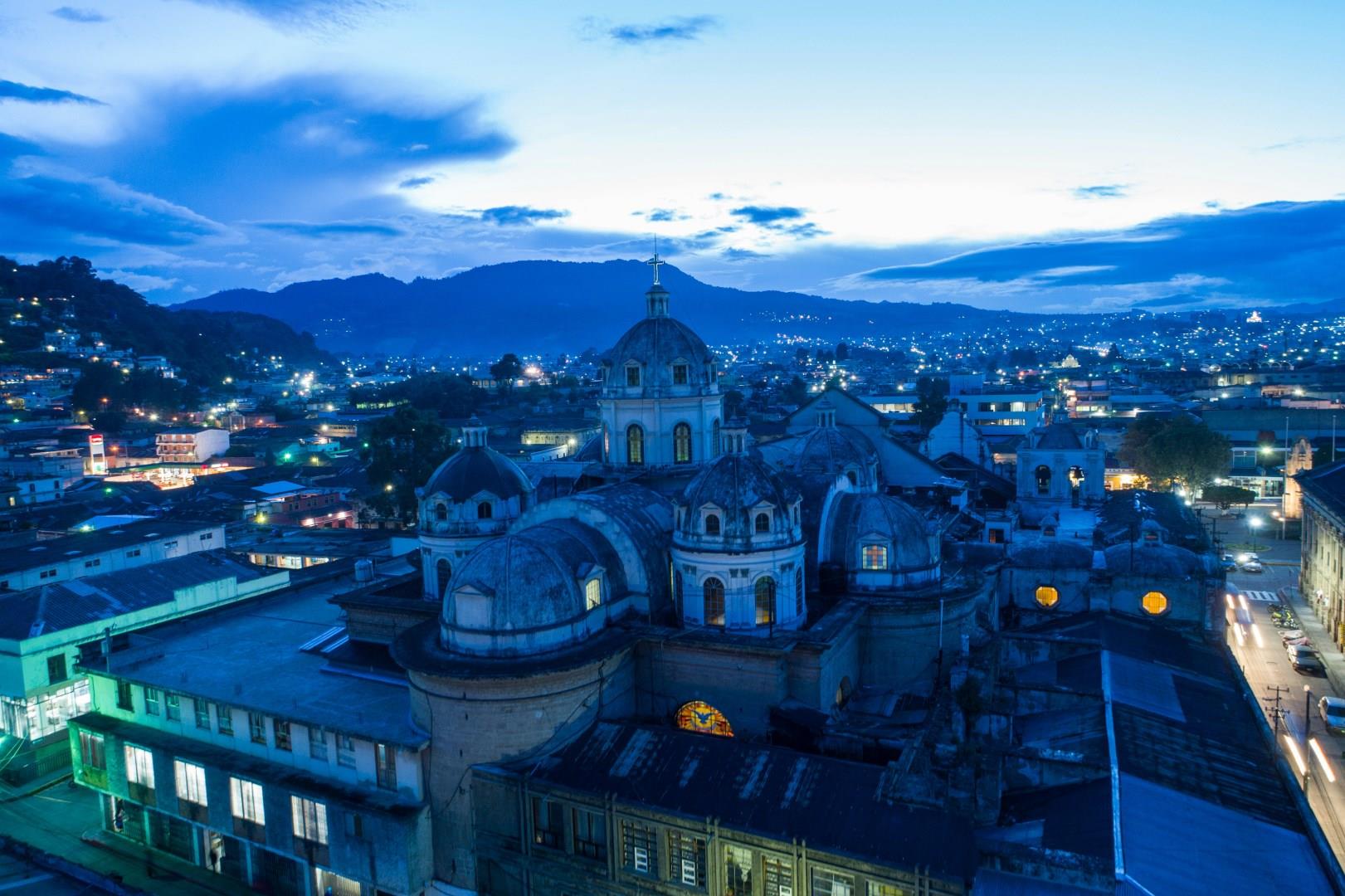
Quetzaltenango, often called Xela by locals, is Guatemala’s second-largest city and a hub of indigenous culture, colonial history, and highland landscapes. Surrounded by volcanoes, including the towering Santa María, the city sits at over 7,600 feet above sea level, giving it a crisp mountain climate that contrasts with the country’s tropical lowlands.
Keetmanshoop
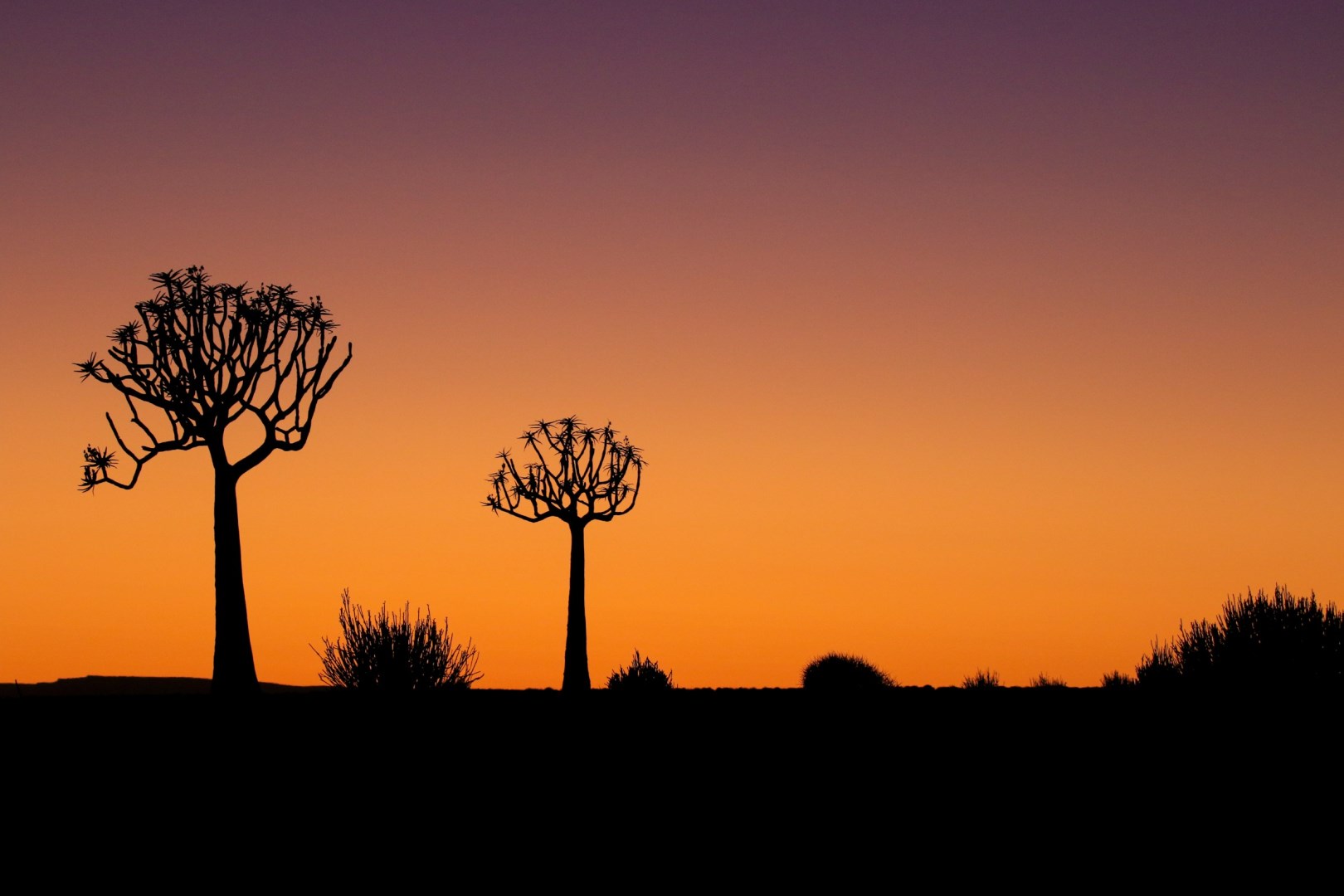
Keetmanshoop is a town in southern Namibia, situated in the //Kharas Region amid the dry landscapes of the Nama Karoo. It serves as an important regional center and a practical base for exploring several distinctive attractions in southern Namibia. The surrounding terrain consists of open plains, rocky hills, low shrubs, and scattered quiver trees.
