
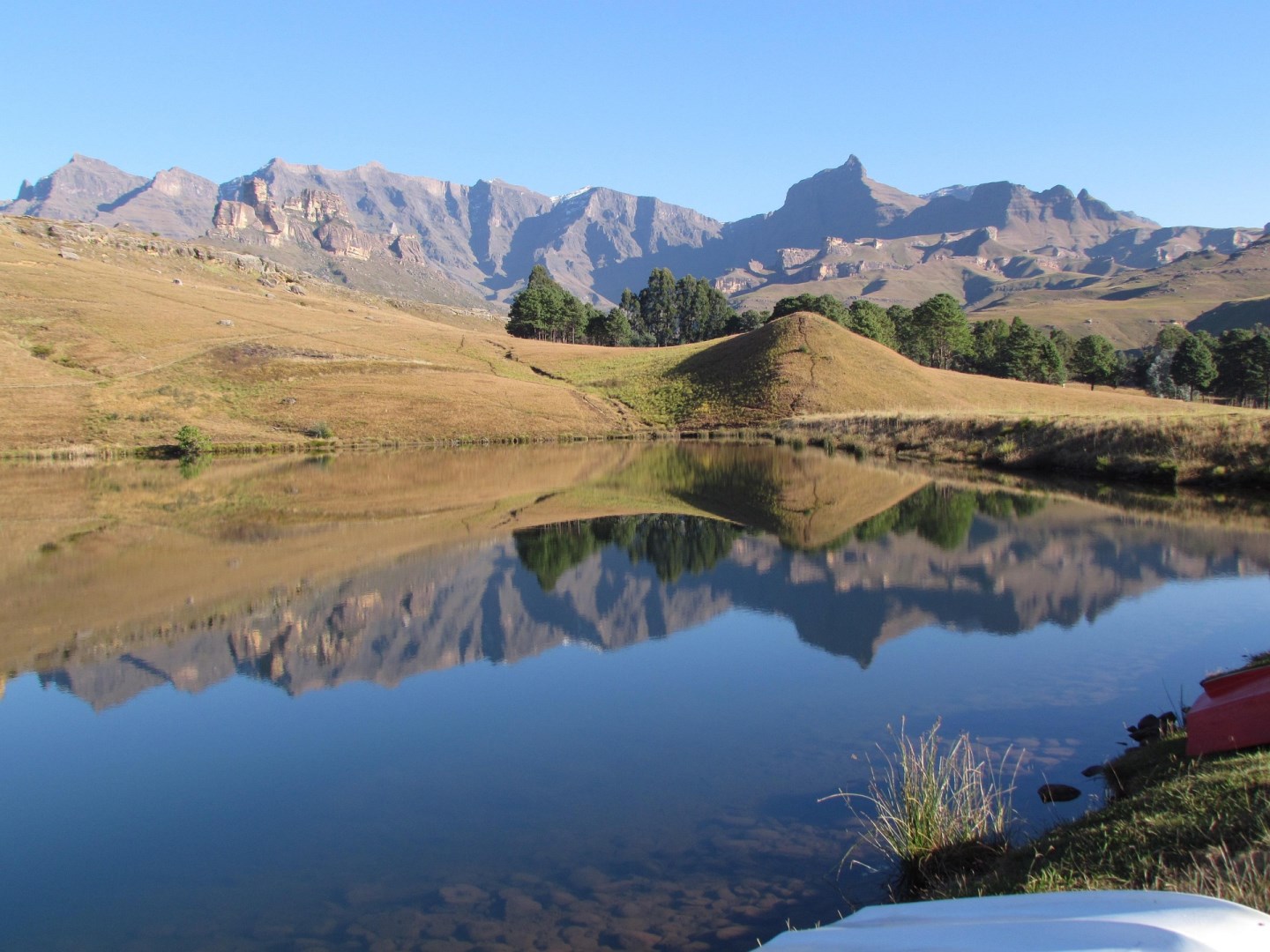
KwaZulu-Natal
KwaZulu-Natal is a province on South Africa’s east coast, stretching from the Indian Ocean beaches around Durban to the mountains of the Drakensberg and the savanna of the interior. Its landscapes include subtropical forests, grasslands, wetlands, estuaries, sugarcane fields, and protected wildlife areas.
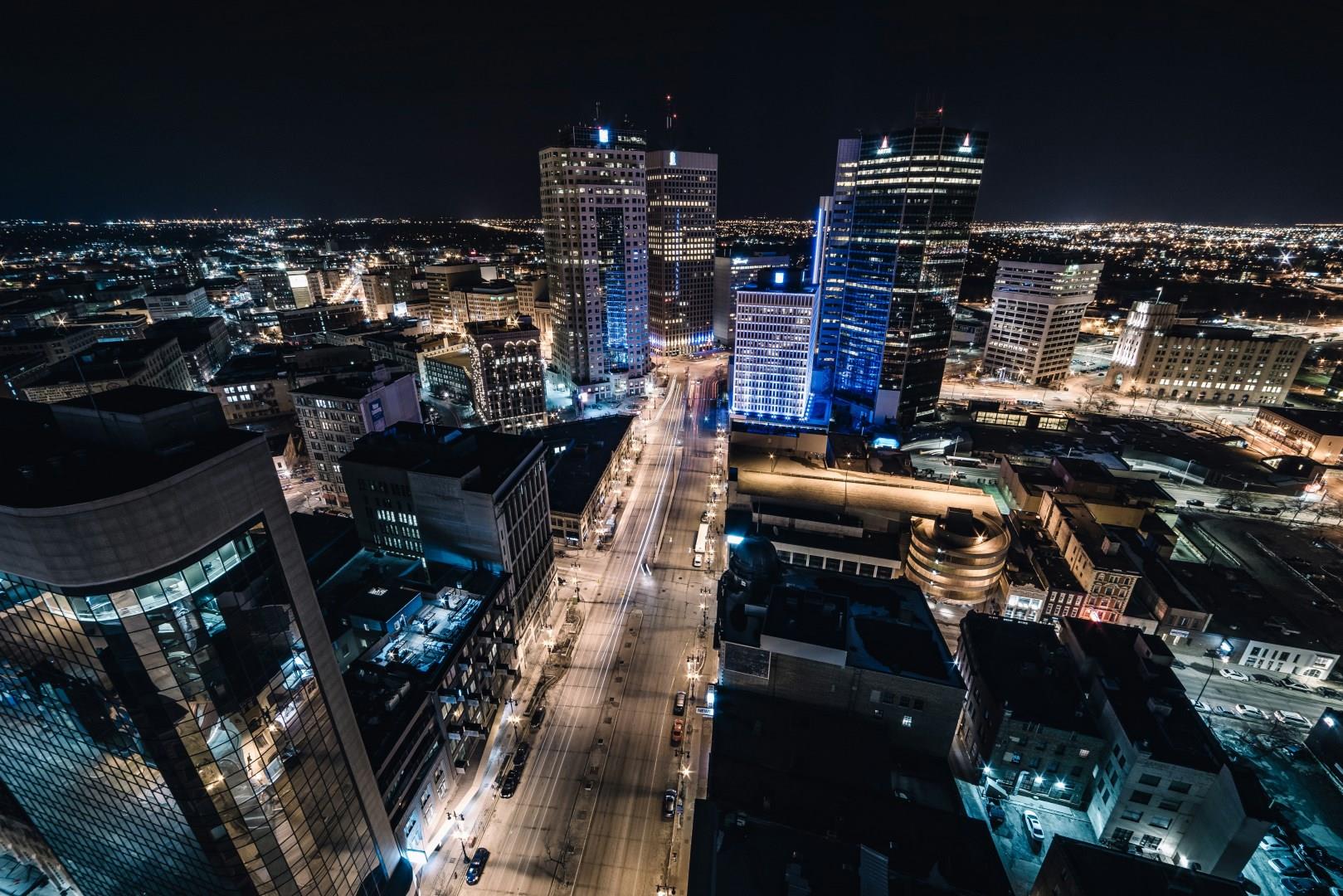
Winnipeg
Winnipeg sits at the meeting point of the Red and Assiniboine rivers, a location that has shaped its role as a gathering place for thousands of years. Long before it became a modern city, the area was central to Indigenous trade networks, a legacy that remains visible today through institutions like The Forks and the Canadian Museum for Human Rights.
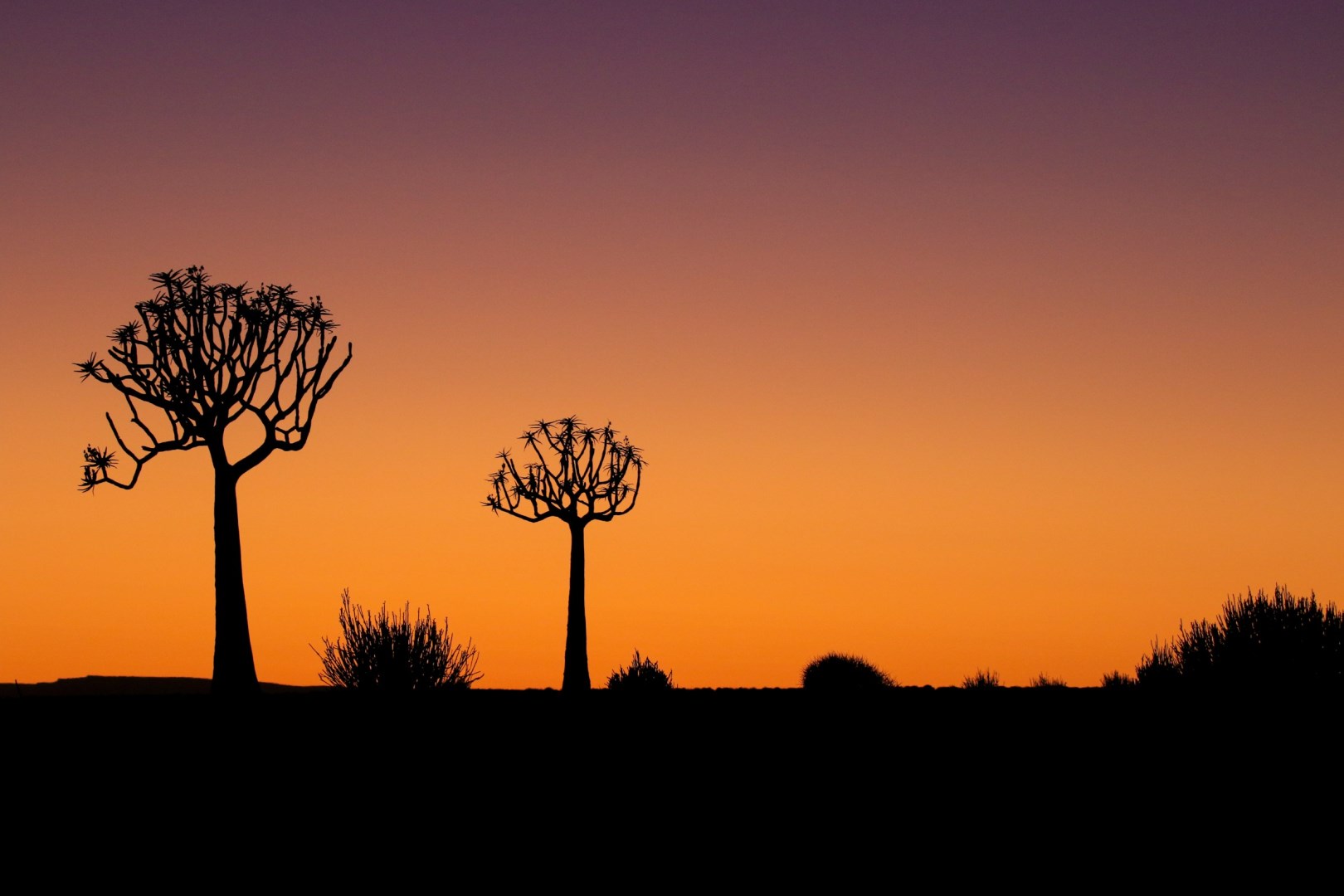
Keetmanshoop
Keetmanshoop is a town in southern Namibia, situated in the //Kharas Region amid the dry landscapes of the Nama Karoo. It serves as an important regional center and a practical base for exploring several distinctive attractions in southern Namibia. The surrounding terrain consists of open plains, rocky hills, low shrubs, and scattered quiver trees.
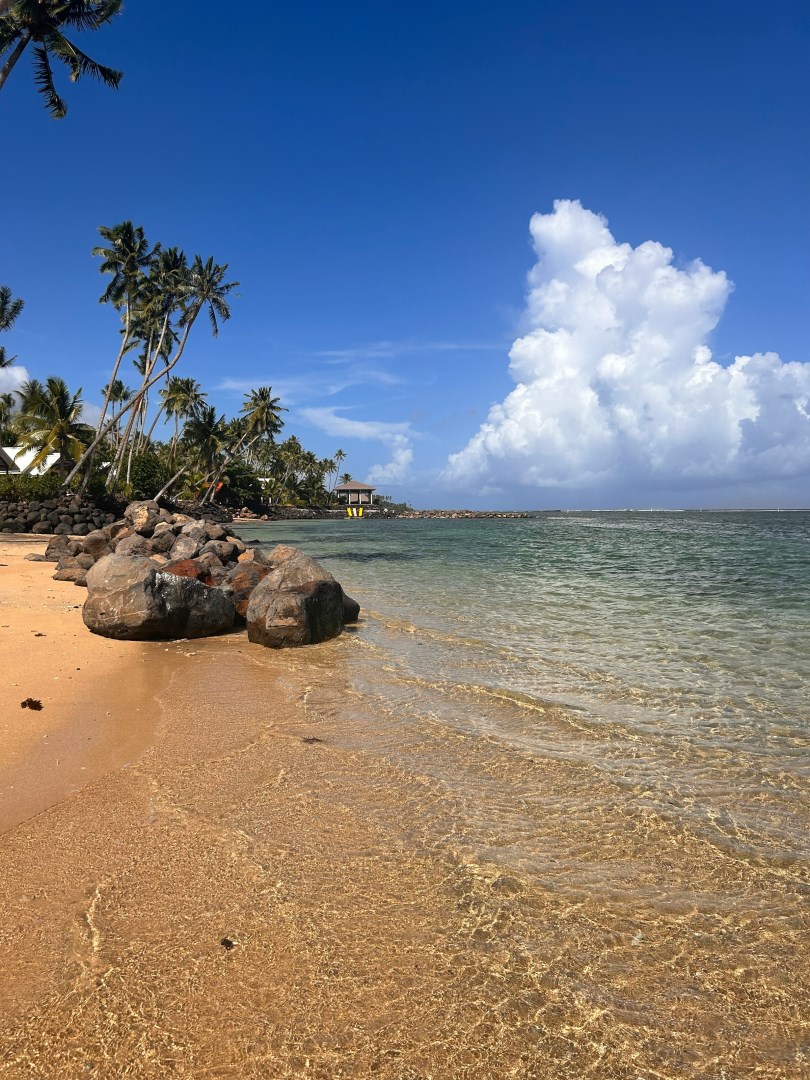
Upolu
Upolu is the more populated of Samoa’s two main islands and is home to Apia, the country’s capital and principal urban center. The island stretches from volcanic mountains in the interior to a deeply indented coastline of bays, beaches, and coral reefs. Lush vegetation covers much of the landscape, with villages, plantations, and gardens occupying the lower slopes and coastal areas.
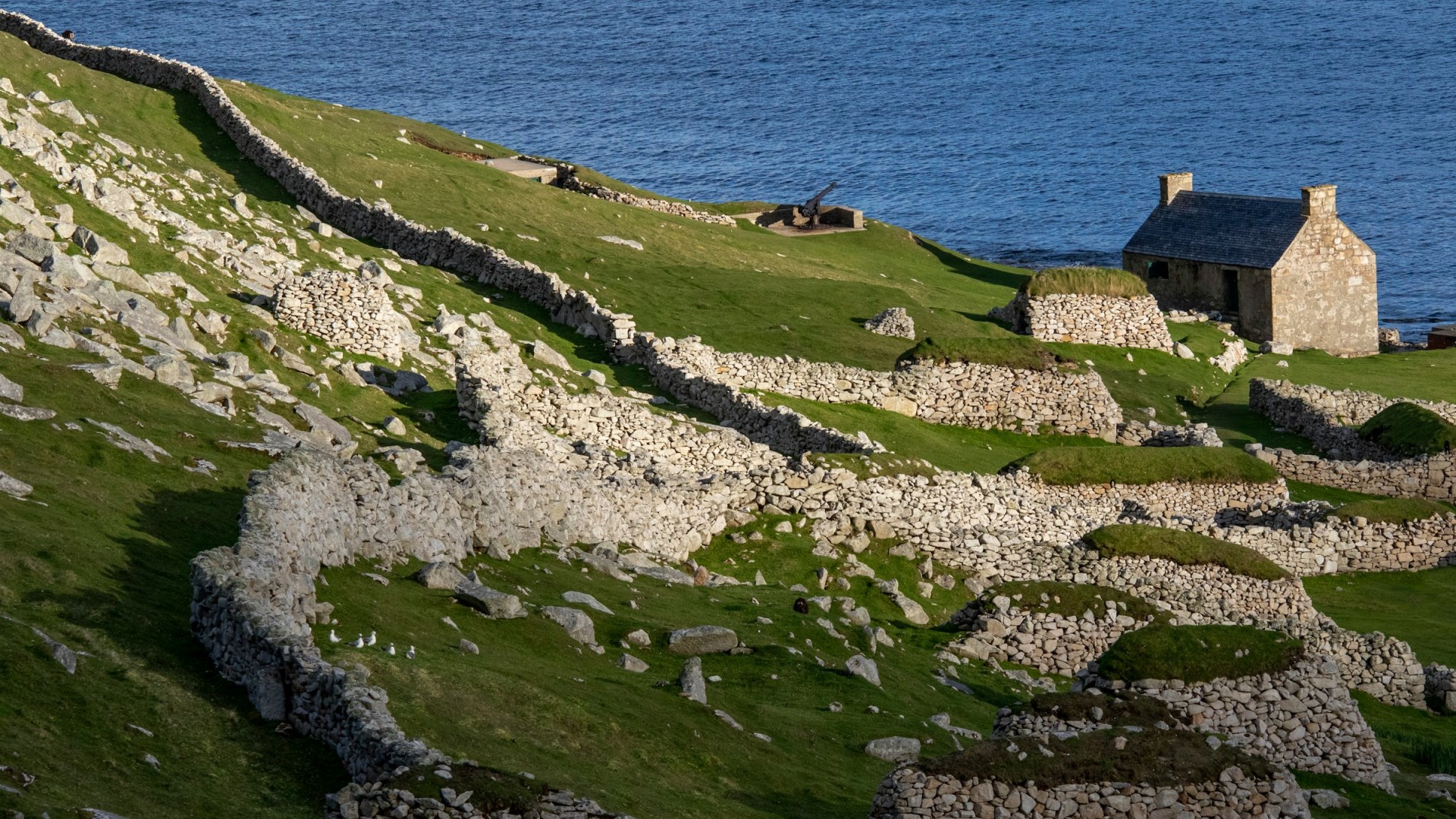
St. Kilda
St Kilda is a remote volcanic archipelago in the Atlantic Ocean, far west of Scotland’s Outer Hebrides. The group consists of Hirta, Dun, Soay, and Boreray, along with numerous sea stacks and smaller formations. Hirta is the largest island and contains the remains of the former settlement around Village Bay. No permanent civilian population lives on St Kilda today, although conservation workers, researchers, and Ministry of Defence personnel occupy Hirta at various times.
