

Glasgow
Picturesque Glasgow will instantly charm you with its collection of stunning architecture, historic landmarks, and trendy restaurants and bars. Scotland’s vibrant and eclectic cultural center, Glasgow is an essential destination for travelers to the United Kingdom.
Harstad
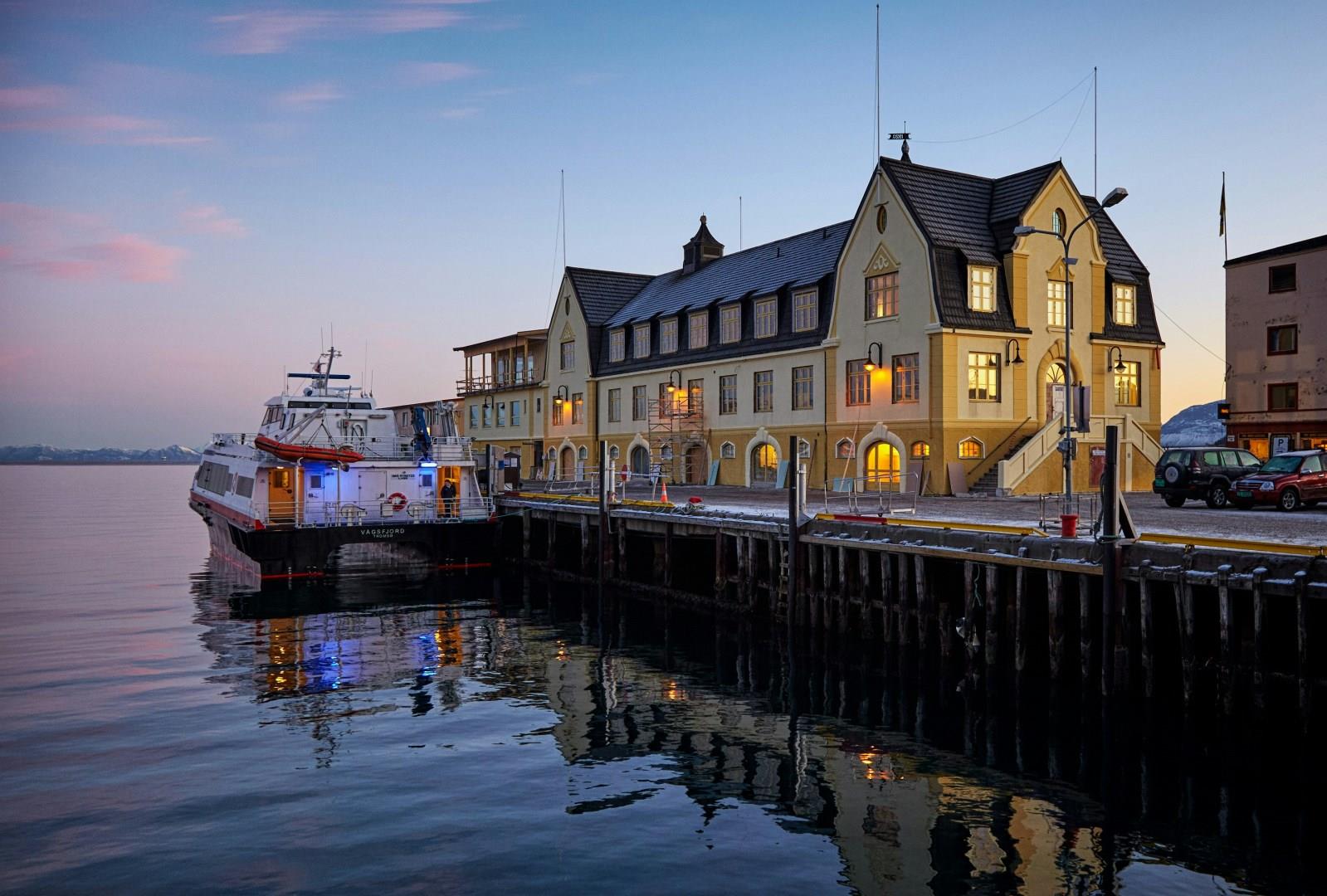
Harstad is a coastal town in northern Norway, located on Hinnøya, the country’s largest island, and overlooking the strategic waters of Vågsfjorden. Its history spans from Viking settlements to modern fishing and shipping, giving the town a blend of maritime heritage and regional importance.

Ben Tre
As the capital of the Ben Tre Province, the city of Ben Tre is located in southern Vietnam on the Mekong Delta. Connected to other provinces by a network of bridges, the town draws less tourist traffic than nearby My Tho and Tra Vinh.
Guanajuato
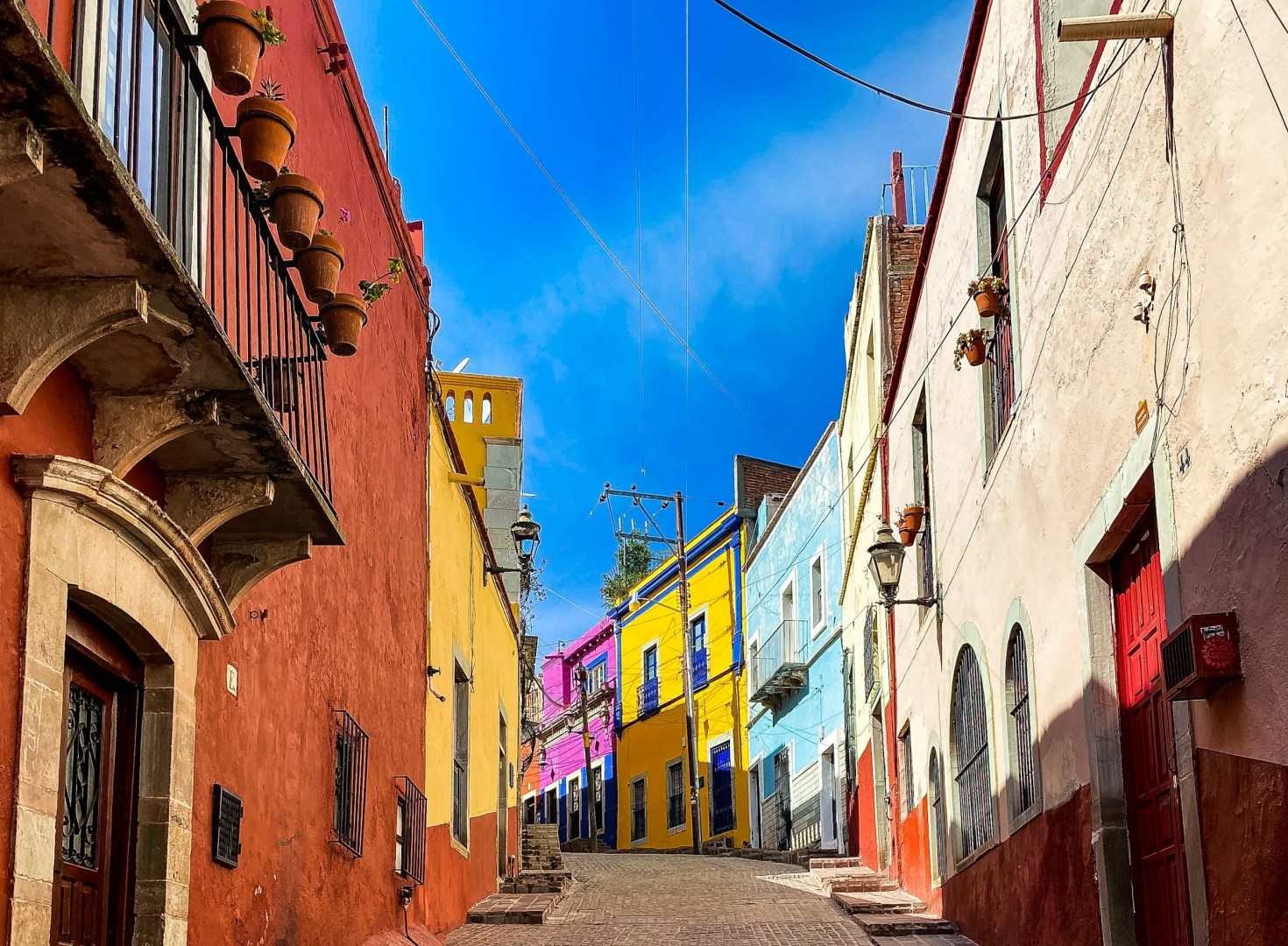
Guanajuato, a UNESCO World Heritage City nestled in the mountains of central Mexico, is a place where history is built into every hillside alley and underground tunnel. Today, visitors can still tour La Valenciana Mine, where centuries-old tunnels and original mining equipment offer a glimpse into the city's wealth-driven past. The nearby Templo de San Cayetano, built by mine owners in the mid-1700s, is a stunning example of baroque design, lined with gilded altars and intricate woodwork.
Aarhus
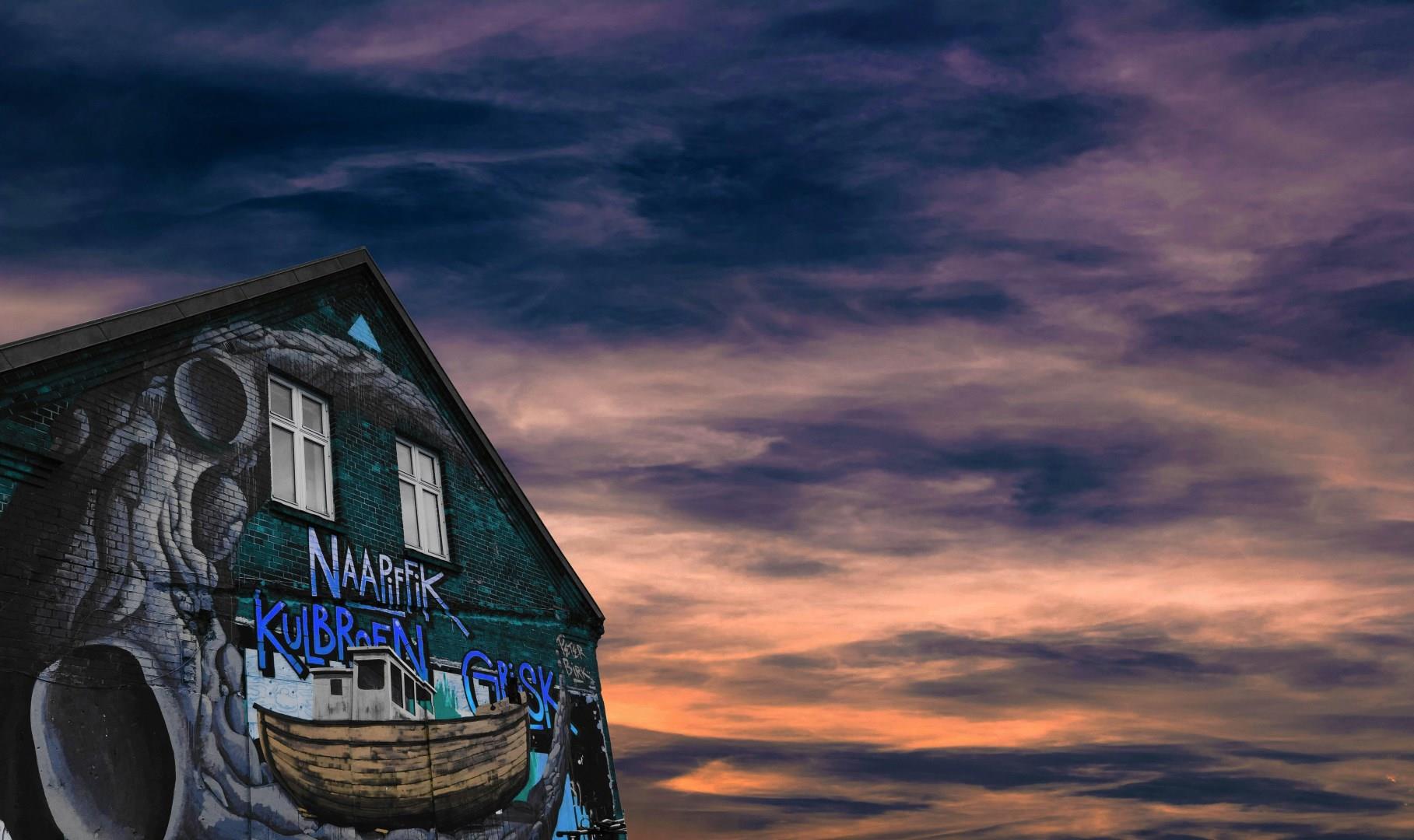
Aarhus, Denmark's second-largest city, offers a captivating blend of historical charm and modern vibrancy. Founded in the 8th century, Aarhus boasts a rich history that visitors can explore at the Old Town Museum, an open-air museum that recreates Danish life through the ages with its historical buildings and interactive exhibits. The city's medieval roots are also visible in the well-preserved Aarhus Cathedral.
