

Mâcon
Mâcon is a riverside town in the Saône et Loire department of southern Burgundy, set where the Saône River curves gently through the countryside. Walking through the town naturally leads visitors from the riverfront toward its historic streets, where the past seems to linger in every corner. In the heart of Mâcon’s historic district, pedestrians find streets lined with notable sites.

Las Vegas
Las Vegas, Nevada, is an electrifying city where glitz and glamour meet entertainment and excitement. Known as "The Entertainment Capital of the World," Las Vegas offers an unparalleled array of attractions, from its iconic casinos and luxurious hotels to its world-class dining and live shows. The city's entertainment scene is second to none, featuring legendary headliners, cutting-edge performances, and an array of themed attractions.
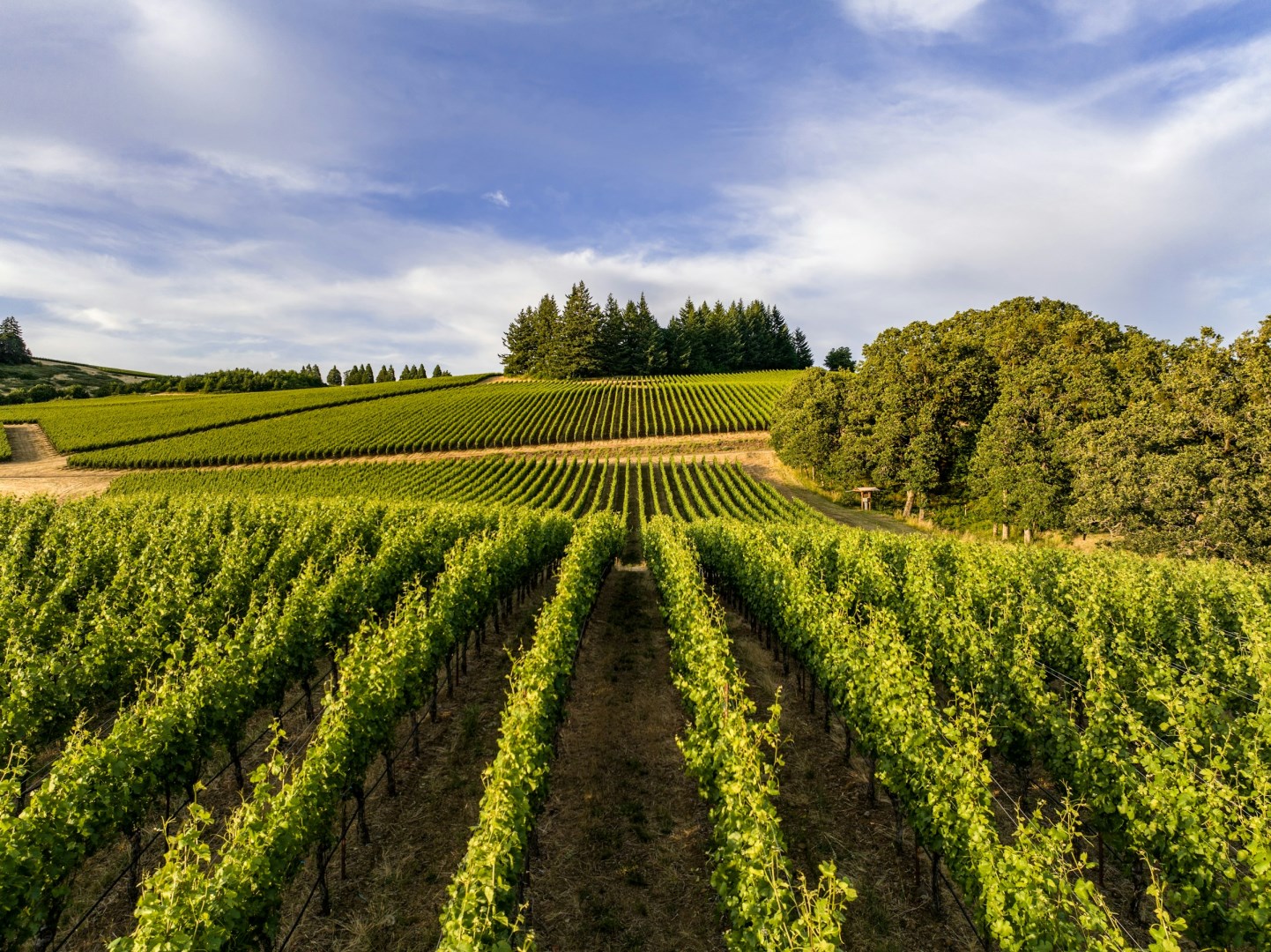
Willamette Valley
Willamette Valley is a broad agricultural valley in northwestern Oregon, stretching between the Cascade Range and the Coast Range. The Willamette River runs through its center, while fertile farmland, wooded foothills, vineyards, orchards, and small communities fill the surrounding landscape. Portland lies at the valley’s northern end, with Salem and Eugene among its principal cities.
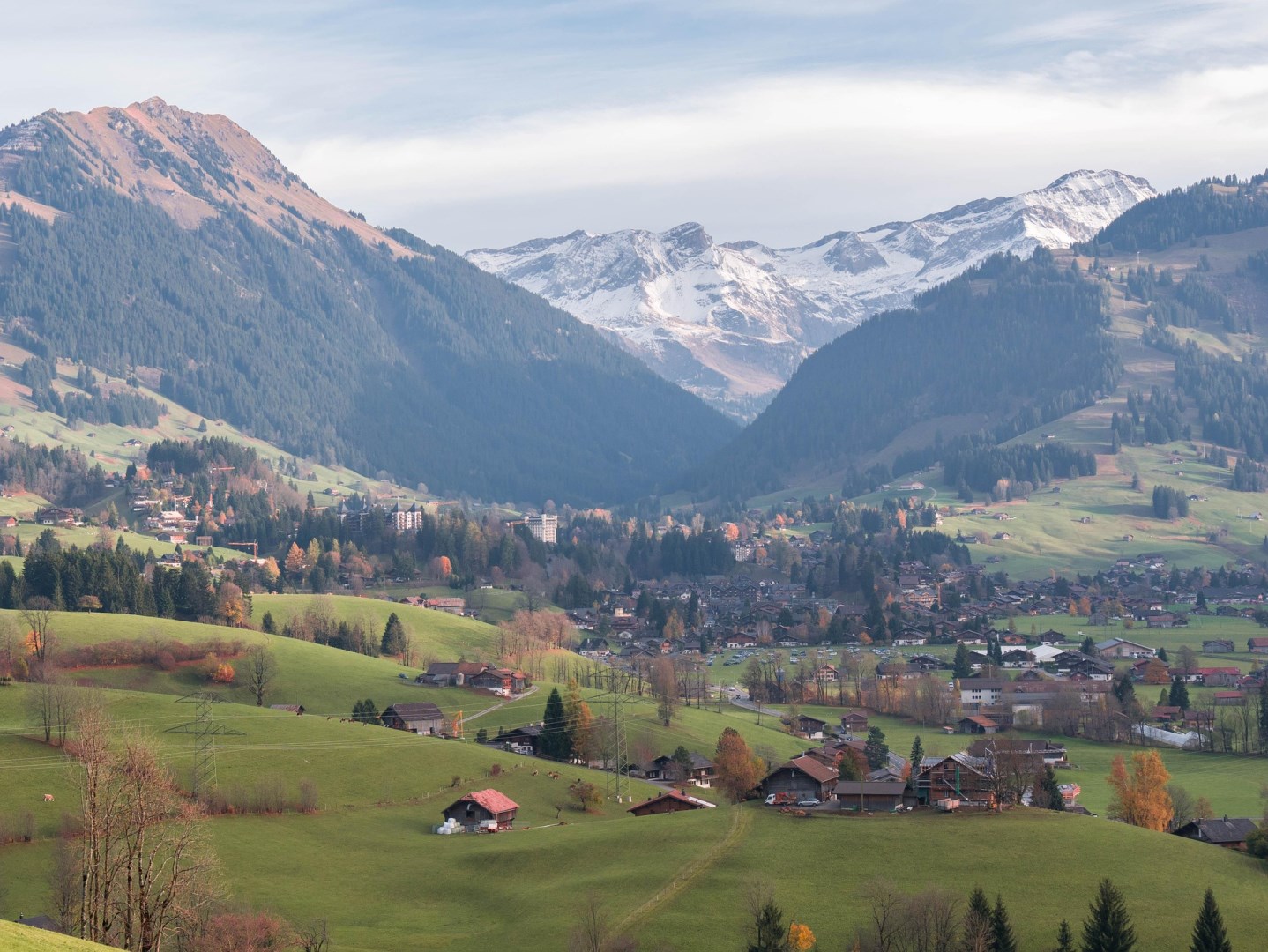
Gstaad
Elegant playground of the rich and famous, Gstaad also features the most glamorous snowfields in all of Europe. Mostly between Christmas and New Year, you will find international celebrities, aristocracy, movie stars and famous heads-of-state wherever you turn. Saanenland is a true paradise for fans of all kinds of winter sports.
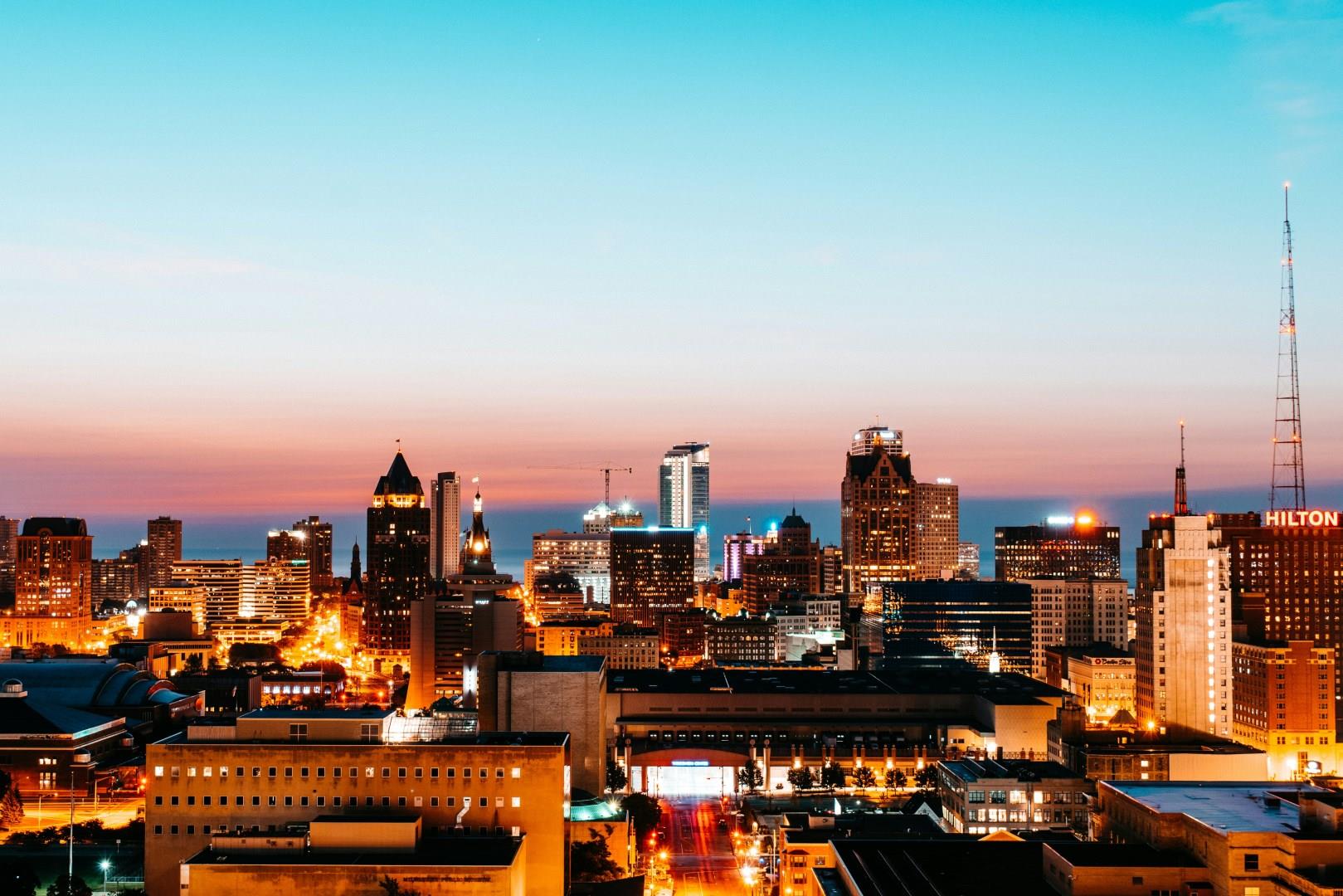
Milwaukee
Milwaukee is a city where the echoes of its brewing past mingle with vibrant arts and cultural scenes today. Known worldwide for its beer heritage, visitors can explore the Harley-Davidson Museum and then head to the historic breweries that shaped the city’s identity. The Milwaukee Public Market offers a lively food hall experience with fresh local fare, from artisanal cheeses to inventive craft beers, capturing the city’s deep-rooted love for bold flavors and innovation.
