
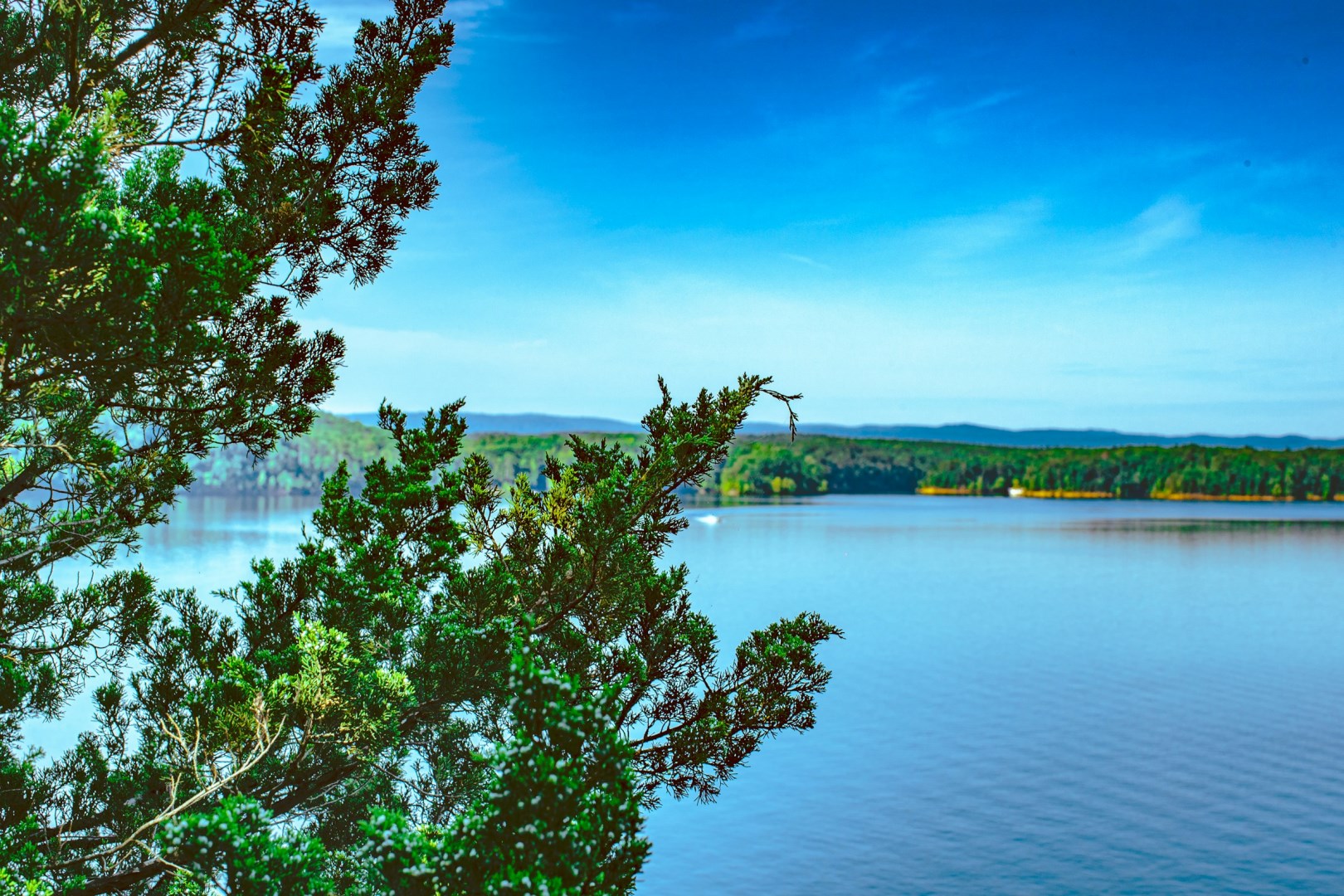
Lake Ouachita
Lake Ouachita is a large reservoir in west-central Arkansas, surrounded by the forested hills of the Ouachita Mountains. The lake lies within the Ouachita National Forest and has a highly irregular shoreline formed by numerous coves, islands, and wooded peninsulas. Its clear water and undeveloped shoreline distinguish it from many reservoirs in more urbanized parts of the state.
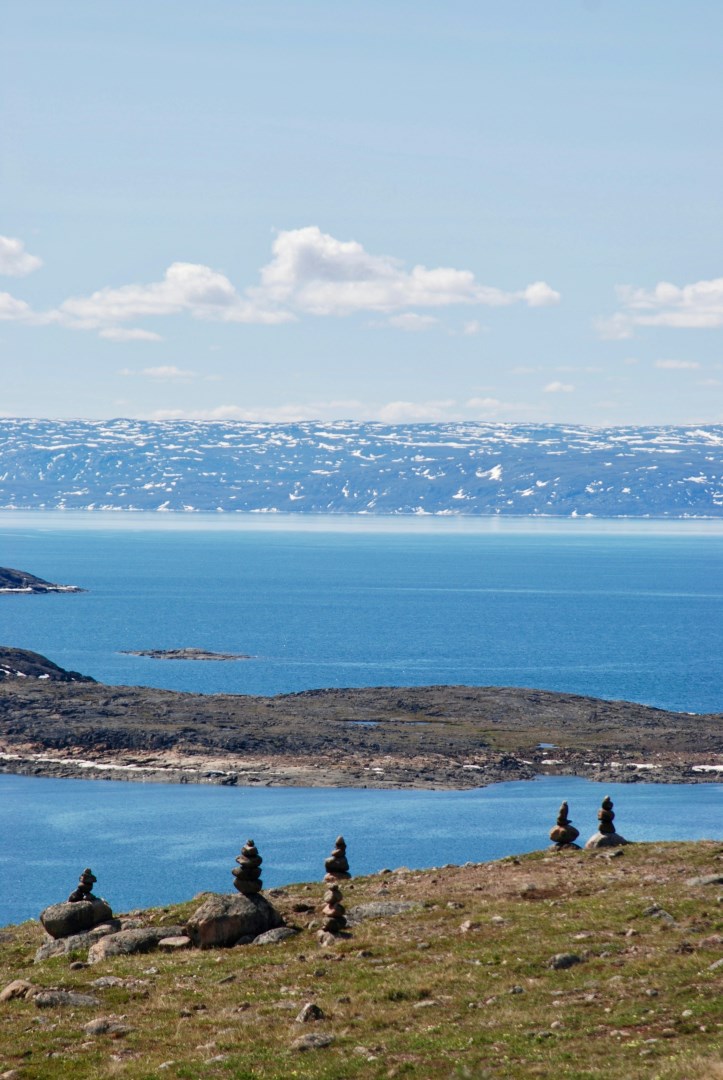
Iqaluit
Iqaluit is the capital of Nunavut and the largest community in the territory, located at the head of Frobisher Bay on southern Baffin Island. The city is surrounded by rocky hills, tundra, freshwater ponds, and broad coastal waters, with a landscape shaped by Arctic weather and seasonal sea ice. Iqaluit serves as Nunavut's administrative, transportation, educational, and commercial centre, while remaining closely connected to traditional Inuit activities.
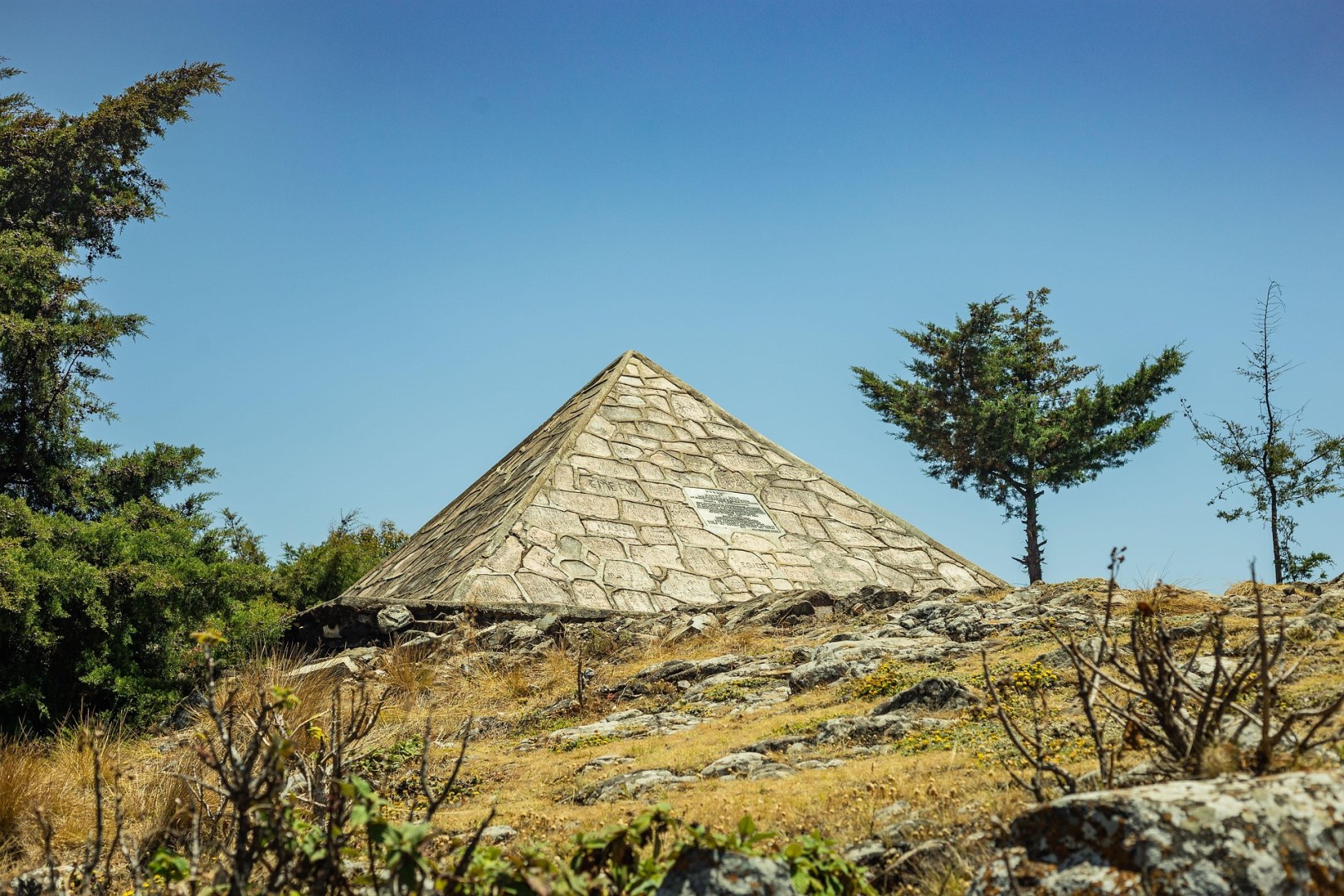
Burundi
Burundi, a small country tucked along the shores of Lake Tanganyika, offers travelers a deeply authentic experience that few destinations can match. Known as the “Heart of Africa” due to its location, Burundi is home to dramatic landscapes, from rolling hills and volcanic mountains to wide plains and ancient forests. One of its most remarkable natural features is the southern tip of the Nile River, which begins near Rutovu.

Norway
Norway offers a landscape shaped by glaciers, framed by fjords, and steeped in Viking history. The country's coastline stretches for over 100,000 kilometers if you count every inlet and island, which makes it one of the longest in the world. Travelers can take a ferry through the Geirangerfjord or cruise along the Lofoten Islands, where steep mountain peaks rise dramatically from the sea. These routes aren’t just scenic; they’ve been lifelines for coastal communities for centuries.

Tokyo
Shopping, historic temples, lush green spaces and exceptional dining are all part of Tokyo, the capital of Japan. This spectacular, highly populated metropolis holds unlimited options for tourists.
