
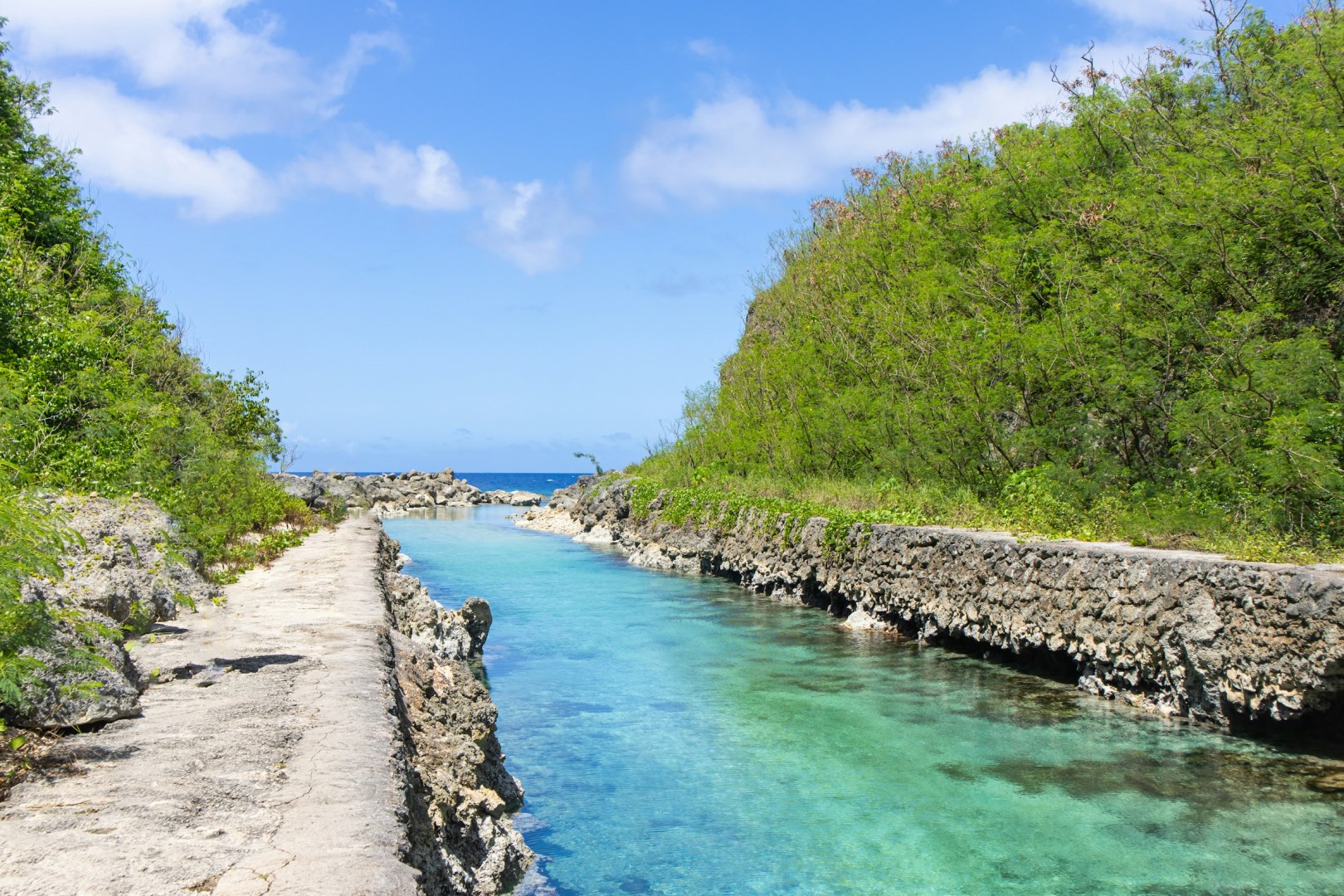
Guam
Guam, a vibrant island territory in the Western Pacific, offers travelers more than just sandy beaches and turquoise water. As the largest island in Micronesia, Guam has a dynamic past that’s shaped its present. Evidence of ancient Chamorro settlements can be found at sites like Latte Stone Park, where limestone pillars dating back over a thousand years stand tall.
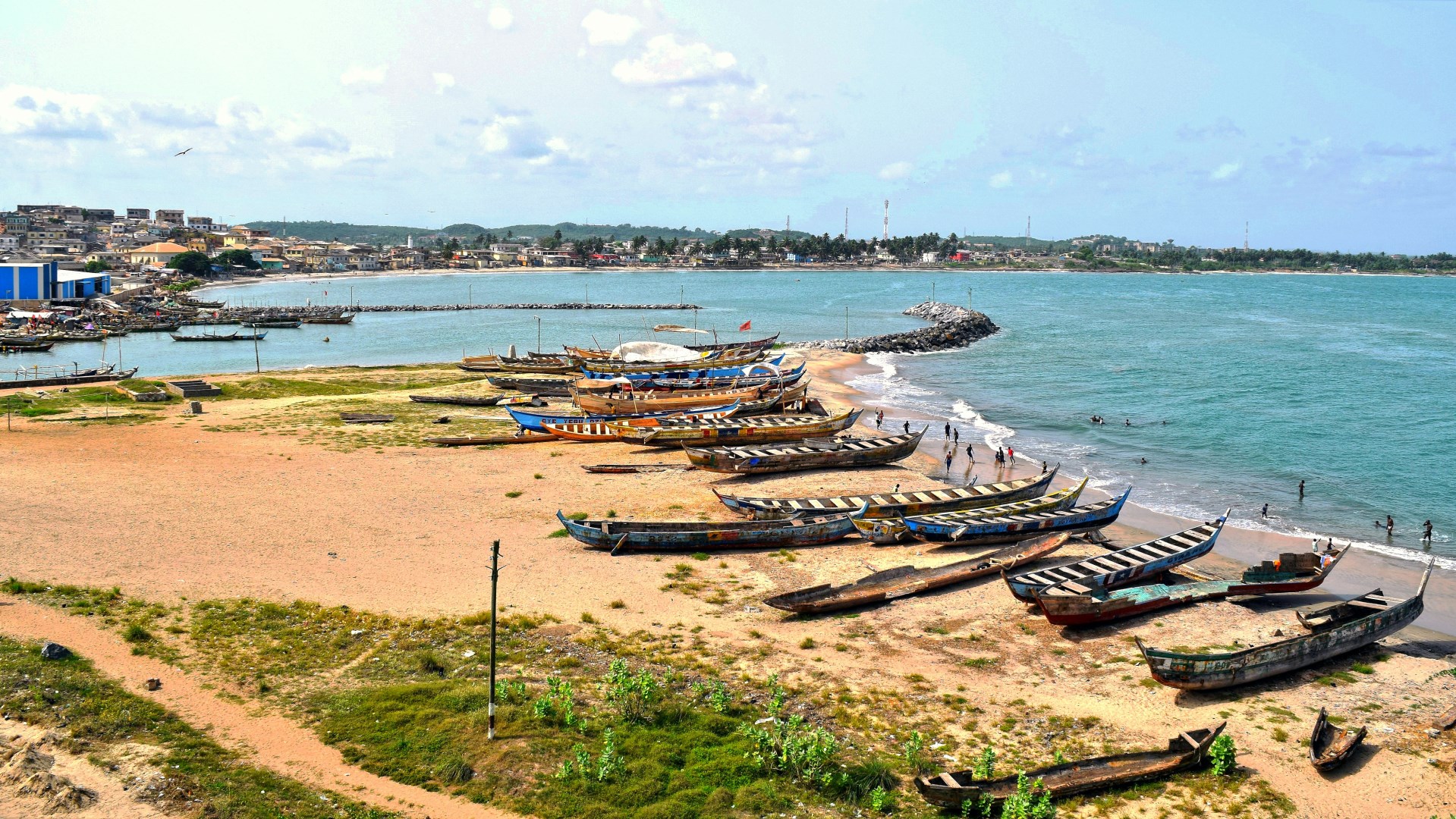
Elmina
Elmina is a coastal town in southern Ghana, located along the Gulf of Guinea in the Central Region. The town is closely tied to the Atlantic fishing industry, with large numbers of brightly painted wooden canoes lining the shoreline each morning.

Bamberg
Bamberg, located in northern Bavaria, stands out for its remarkably preserved medieval layout, which earned it a spot on the UNESCO World Heritage list. Built on seven hills and often compared to Rome for that reason, the city’s architecture reflects over a thousand years of uninterrupted development. Bamberg is well known for its beer, and not just in the usual Bavarian sense. The city has more breweries per capita than any other town in Germany, and it’s the birthplace of rauchbier.
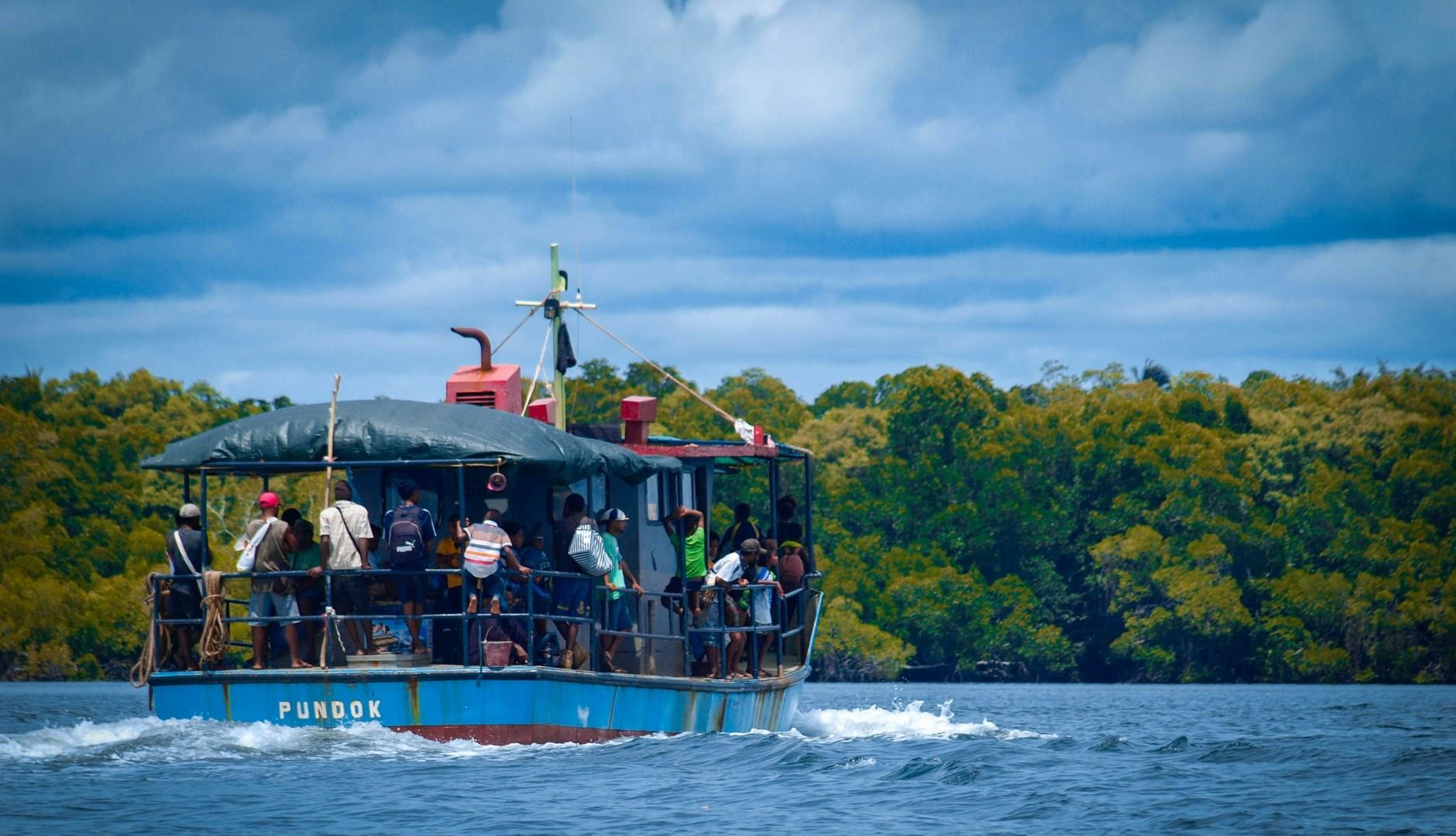
Madang
Madang, perched on the edge of Astrolabe Bay, feels like a well-kept secret of Papua New Guinea that’s framed by lush jungles and dotted with volcanic isles. Every June, Madang pulses with energy at the annual Madang Festival. Villages from across the province gather for ceremonies where dancers don feathered costumes, shells, and body paint. The beat of kundu drums rises through the air and stories woven in movement.
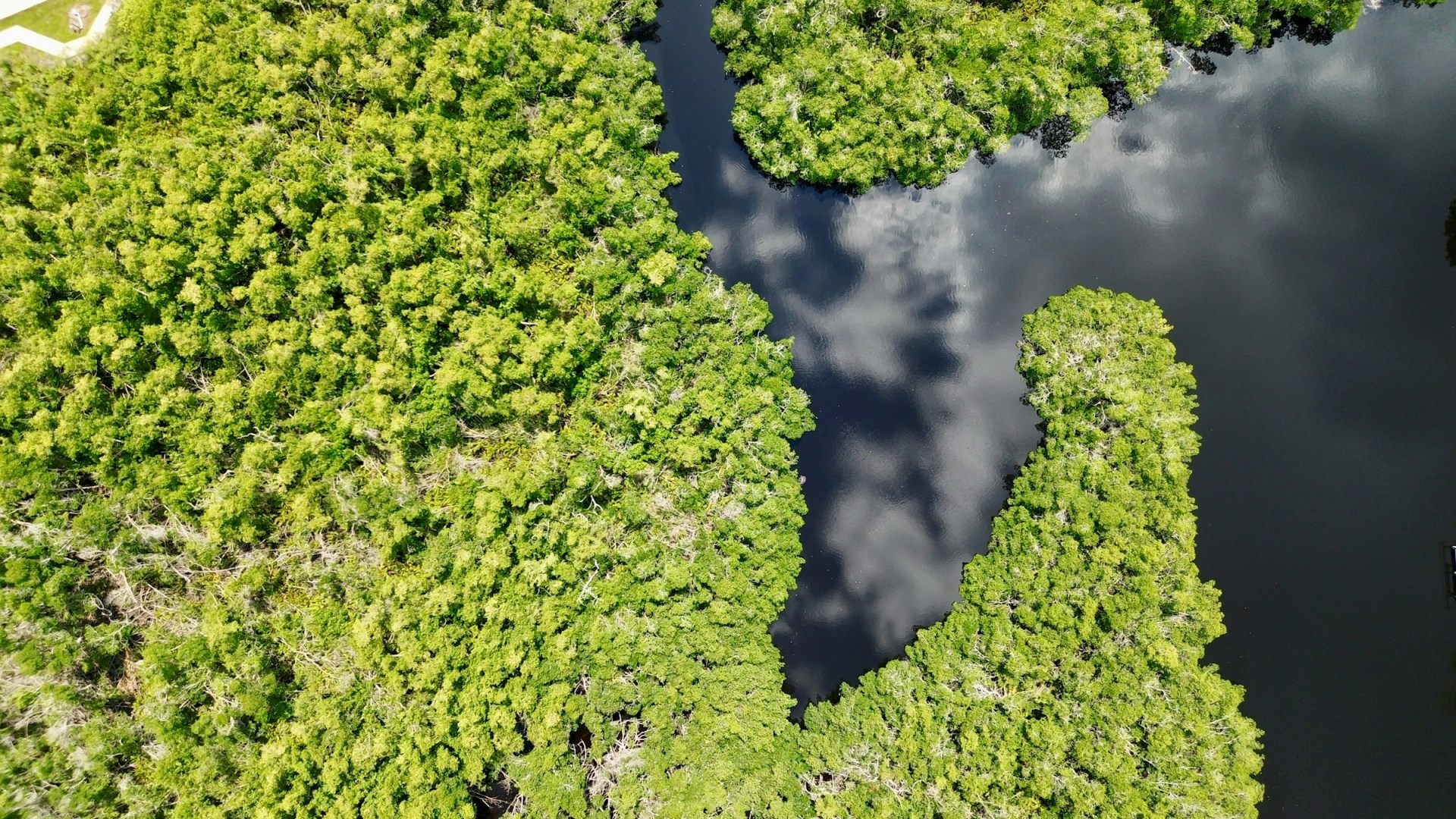
Cape Coral
Cape Coral is a large coastal city in Southwest Florida, occupying a peninsula between the Caloosahatchee River and Matlacha Pass. Its most distinctive feature is an extensive network of more than 400 miles of canals, many connecting with the Caloosahatchee River and Gulf waters. The city was developed as a planned waterfront community, with broad streets, residential neighborhoods, parks, and numerous properties along canals.
