
Kanmon Straits
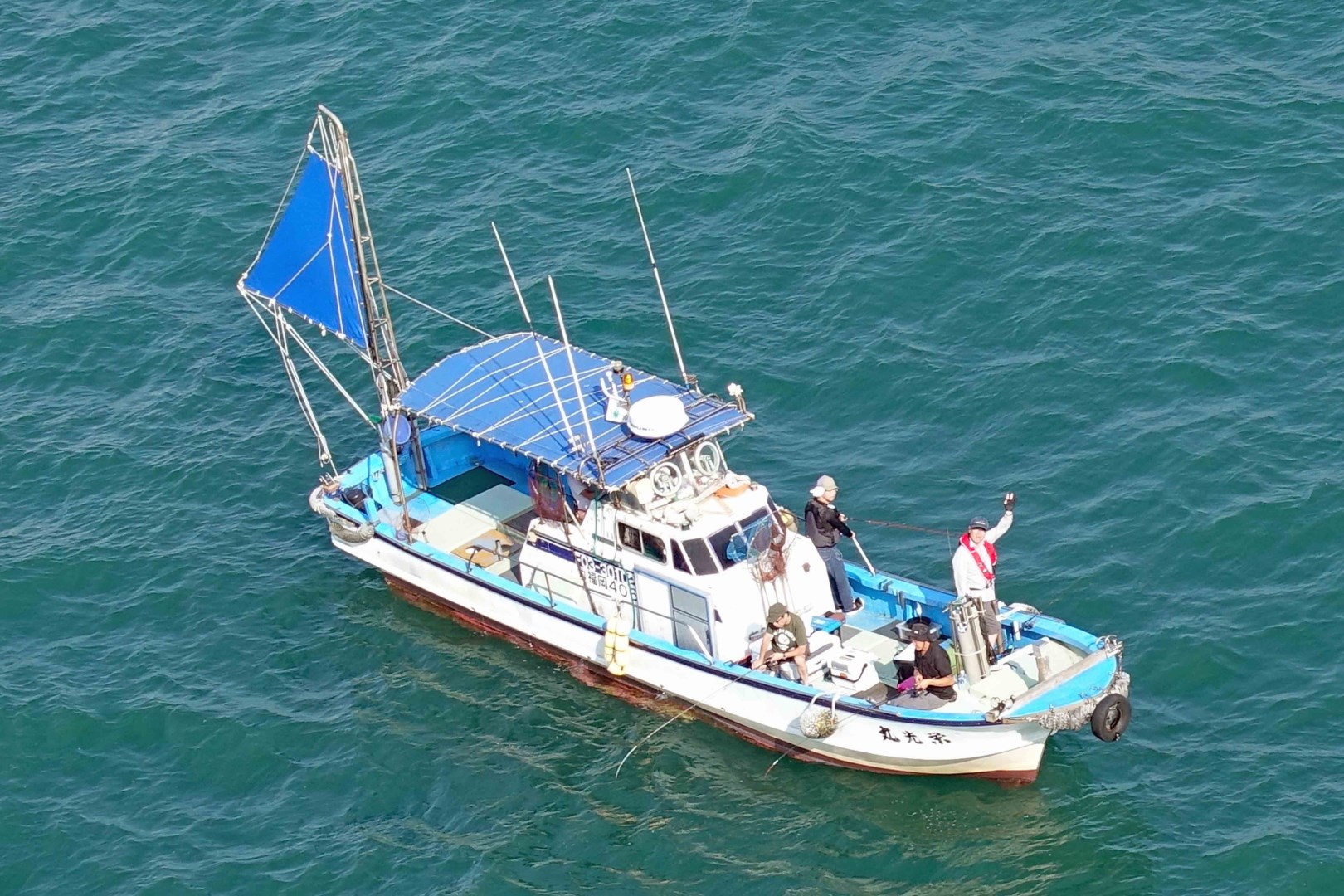
The Kanmon Straits are a narrow waterway in Japan that separates the island of Honshu from Kyushu and connects the Sea of Japan with the Seto Inland Sea.
Narvik
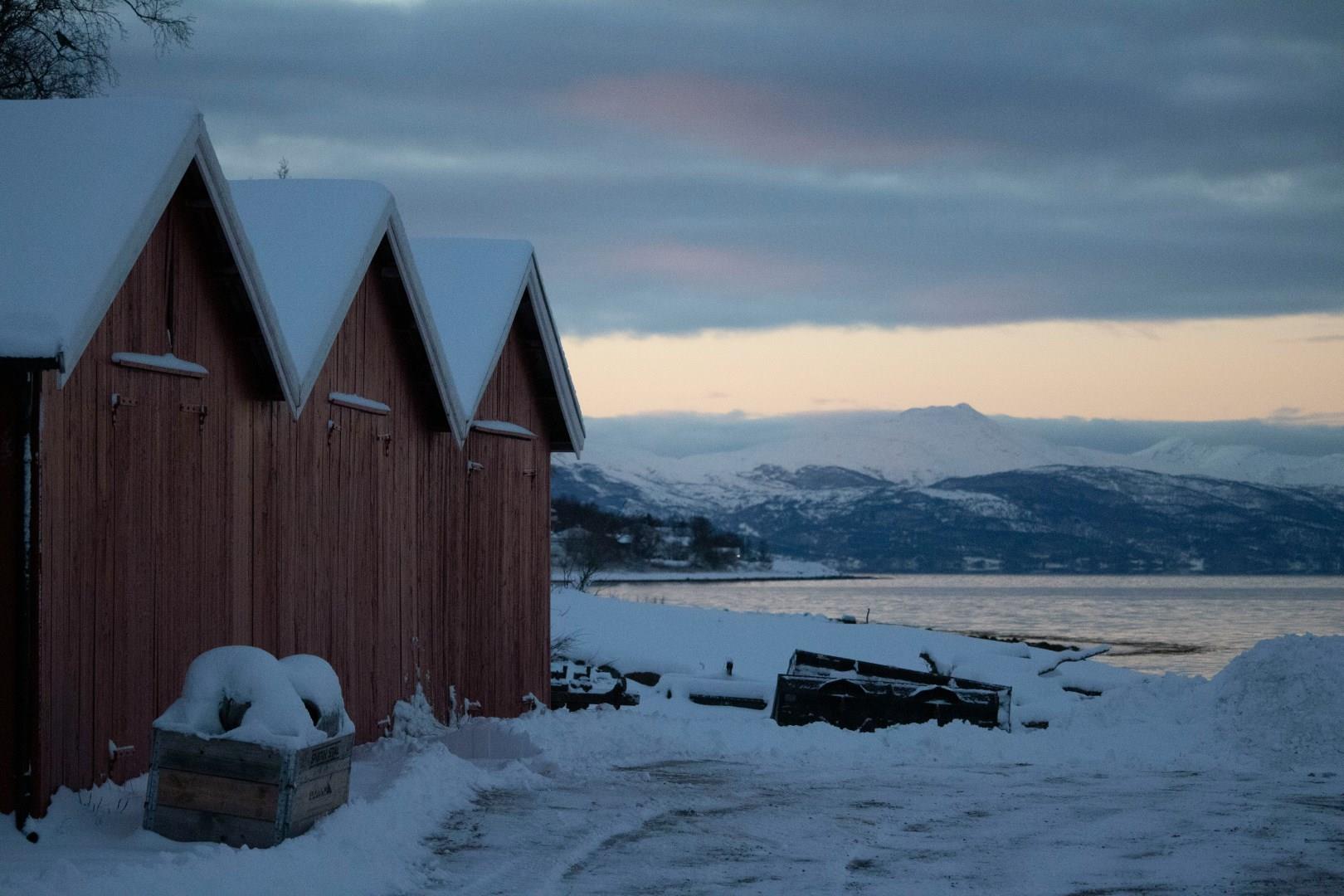
Narvik’s most striking features is its natural setting. The town sits between steep fjords and rugged mountains, making it one of the few places in Norway where visitors can ski with ocean views. Narvikfjellet, the local mountain resort, operates in both winter and summer. During the colder months, it's popular for alpine skiing and northern lights viewing; in summer, the gondola runs for hikers and photographers eager to take in views of the Ofotfjord from the summit.
Haleakalā
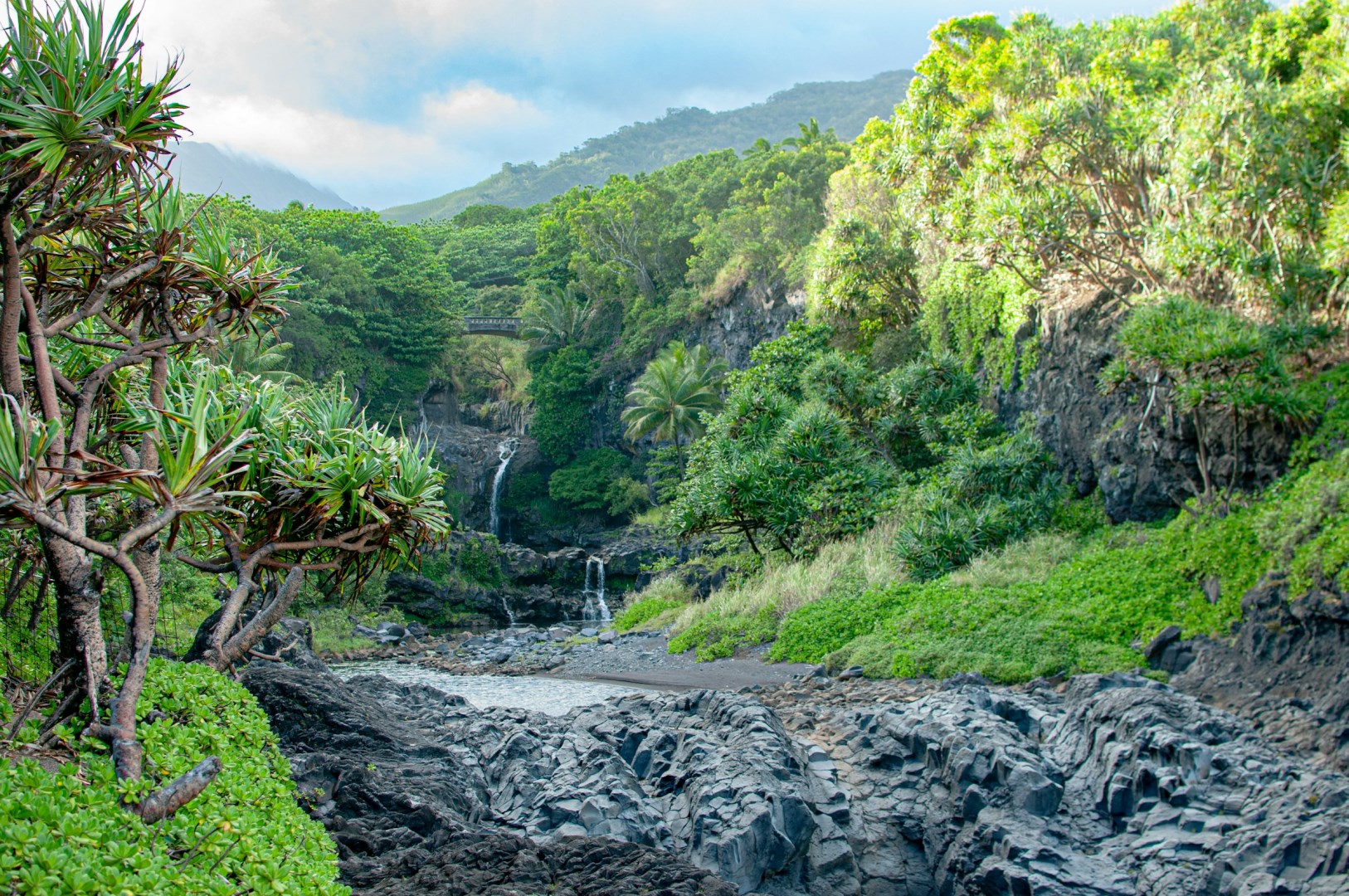
Maui, both second youngest and second largest of the Hawaiian Islands, is home to the world's largest dormant volcano, Haleakala, meaning "House of the Sun." Last erupting about 200 years ago, it makes up the eastern end of the island. Maui was formed by volcanic activity from Haleakala on the east and the West Maui Mountains to the west. The connecting isthmus between the two spots was formed from joining lava from both and gives Maui its nickname, the Valley Isle.
Valbonë
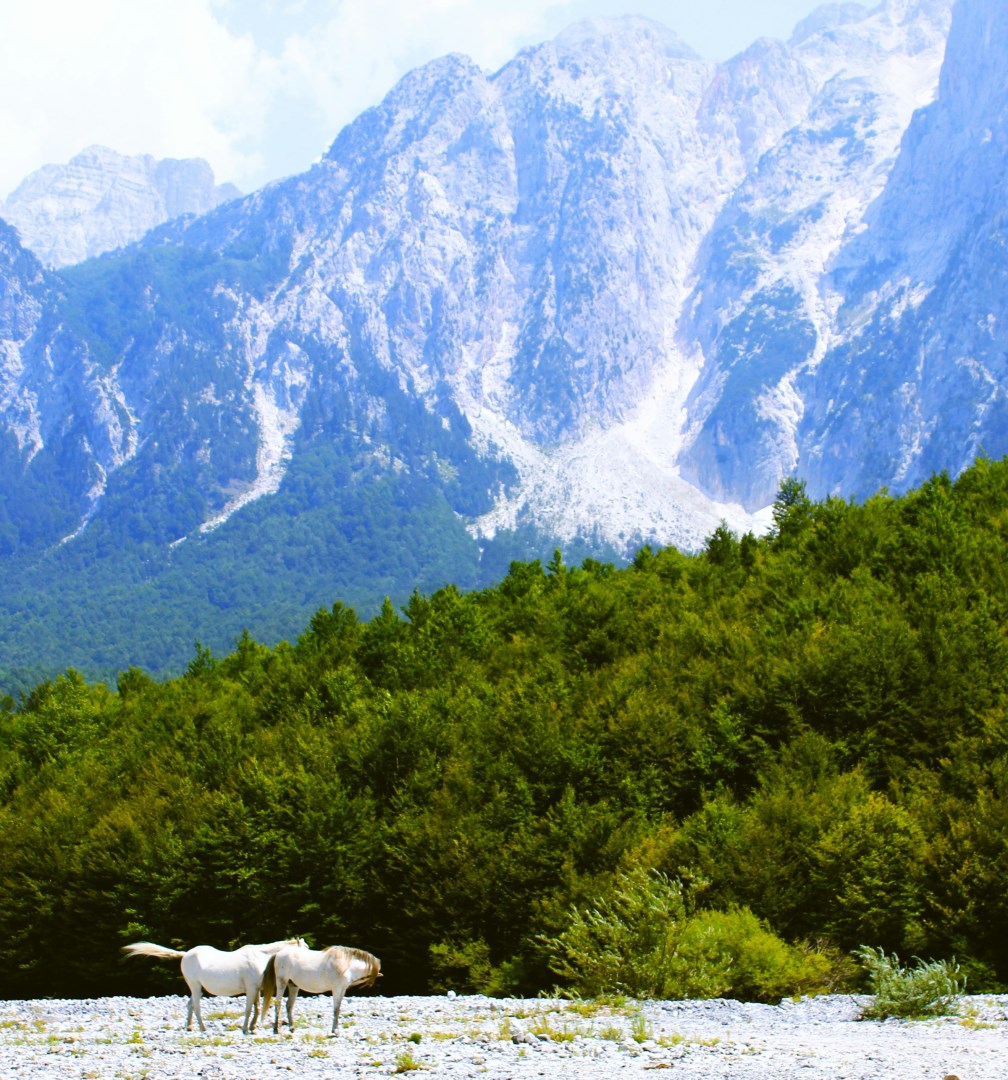
Valbona is a mountain valley in northern Albania, located within the Albanian Alps and surrounded by steep limestone peaks, forested slopes, and open meadows. The valley forms part of Valbona Valley National Park and follows the course of the Valbona River through a long, narrow landscape. Small villages and scattered guesthouses occupy sections of the valley, where traditional stone and wood buildings stand among farms and mountain vegetation.
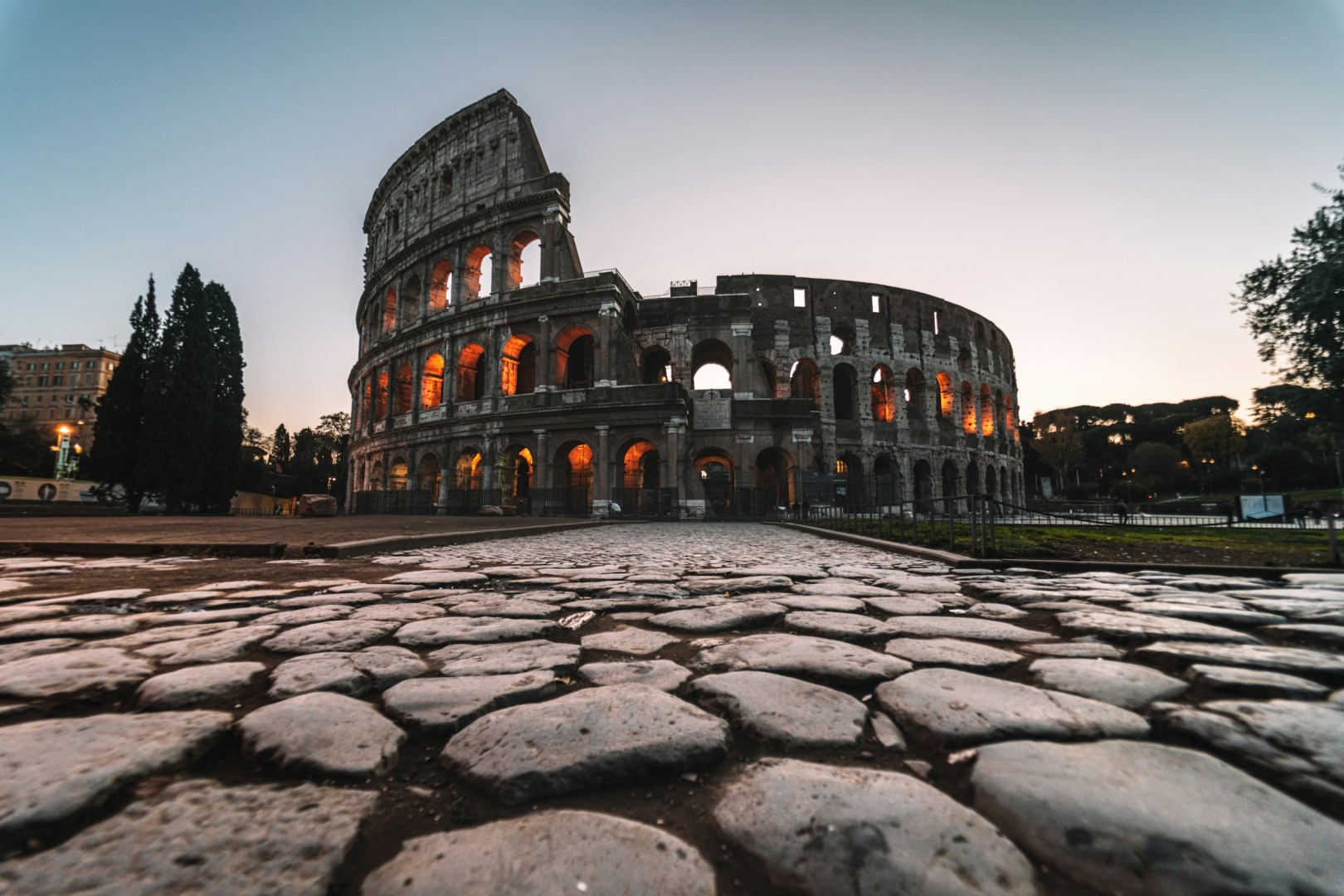
Rome
Often called the Eternal City, Rome stands alone as Italy's most visited destination. The third most populated city in the European Union, Rome boasts ancient sites, yet has a modern flair — an exhilarating mix of the Old World and the new.
