
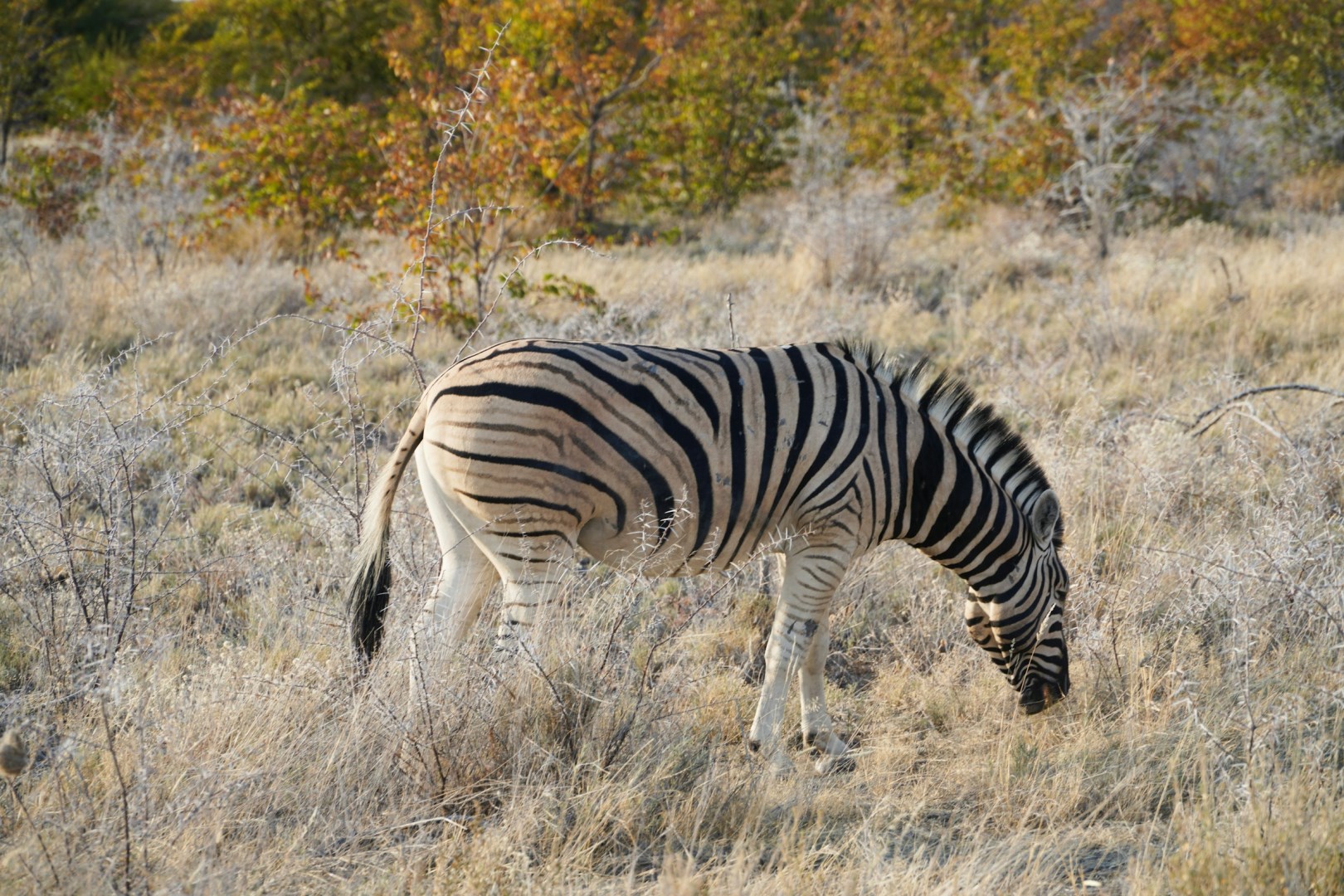
Onguma Private Game Reserve
Onguma Private Game Reserve covers about 35,970 hectares along the eastern boundary of Etosha National Park in northern Namibia. The reserve contains open savanna, bushveld, dry riverbeds, seasonal pans, ancient leadwood trees, and waterholes that attract wildlife. Its position beside Etosha gives visitors access to two different conservation areas, with guided drives within the private reserve and excursions into the national park.

Rovinj
Rovinj, a picturesque city on Croatia’s Istrian Peninsula, invites travelers to immerse themselves in its enchanting blend of history and natural beauty. The city's charming Old Town, with its narrow, cobblestone streets and colorful facades, is a delight to explore. The heart of this historic area is the Church of St. Euphemia, a Baroque masterpiece that offers panoramic views of the Adriatic Sea from its bell tower.
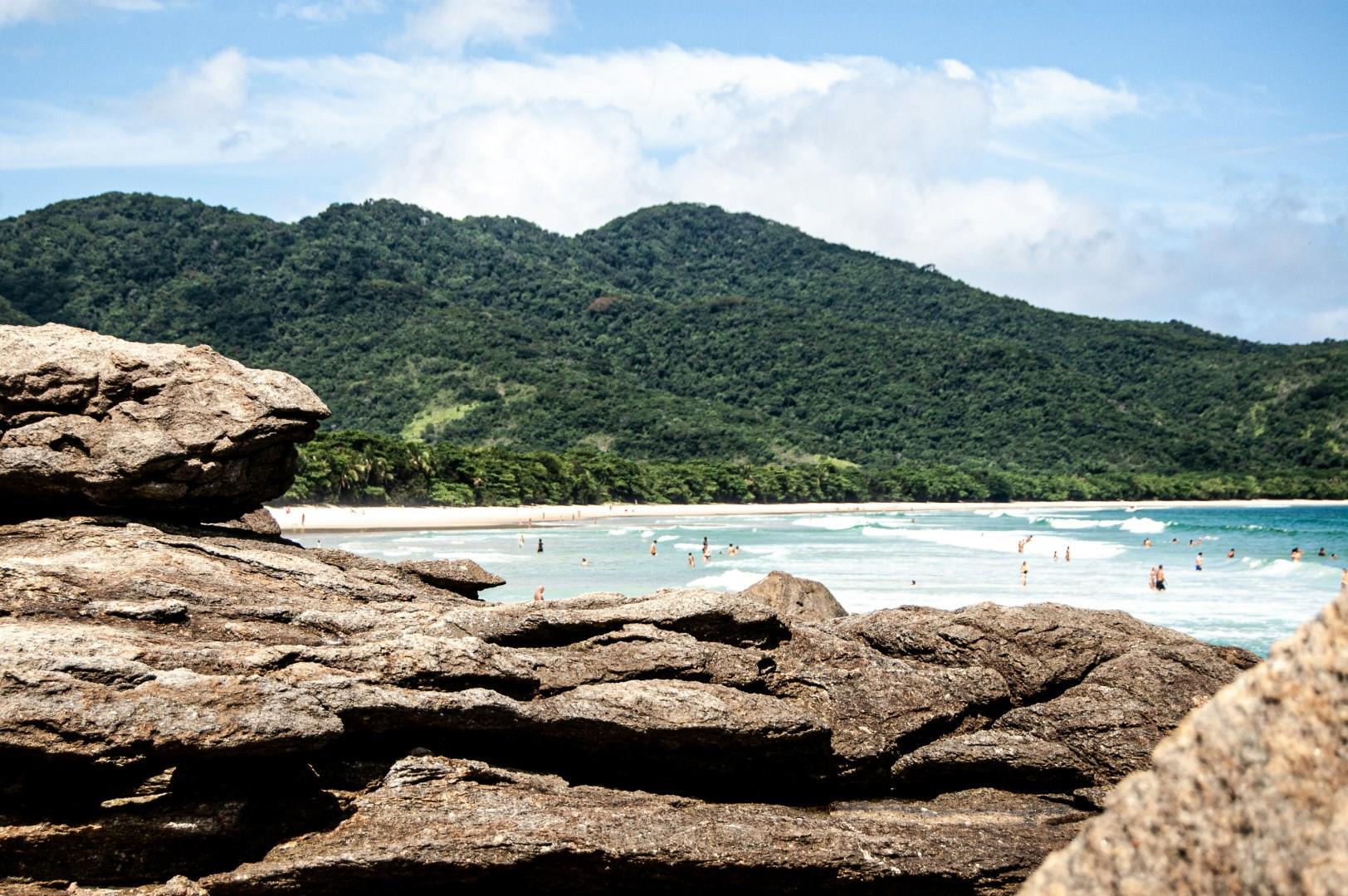
Ilha Grande
Ilha Grande, an island off the coast of Rio de Janeiro state, is a place where tropical forest and coastline meet in striking harmony. Once a pirate hideout and later the site of a penal colony, it has evolved into one of Brazil’s most remarkable island destinations. With no cars allowed and no large resorts, the island moves at a different pace, where footpaths and boats are the main ways to get around.
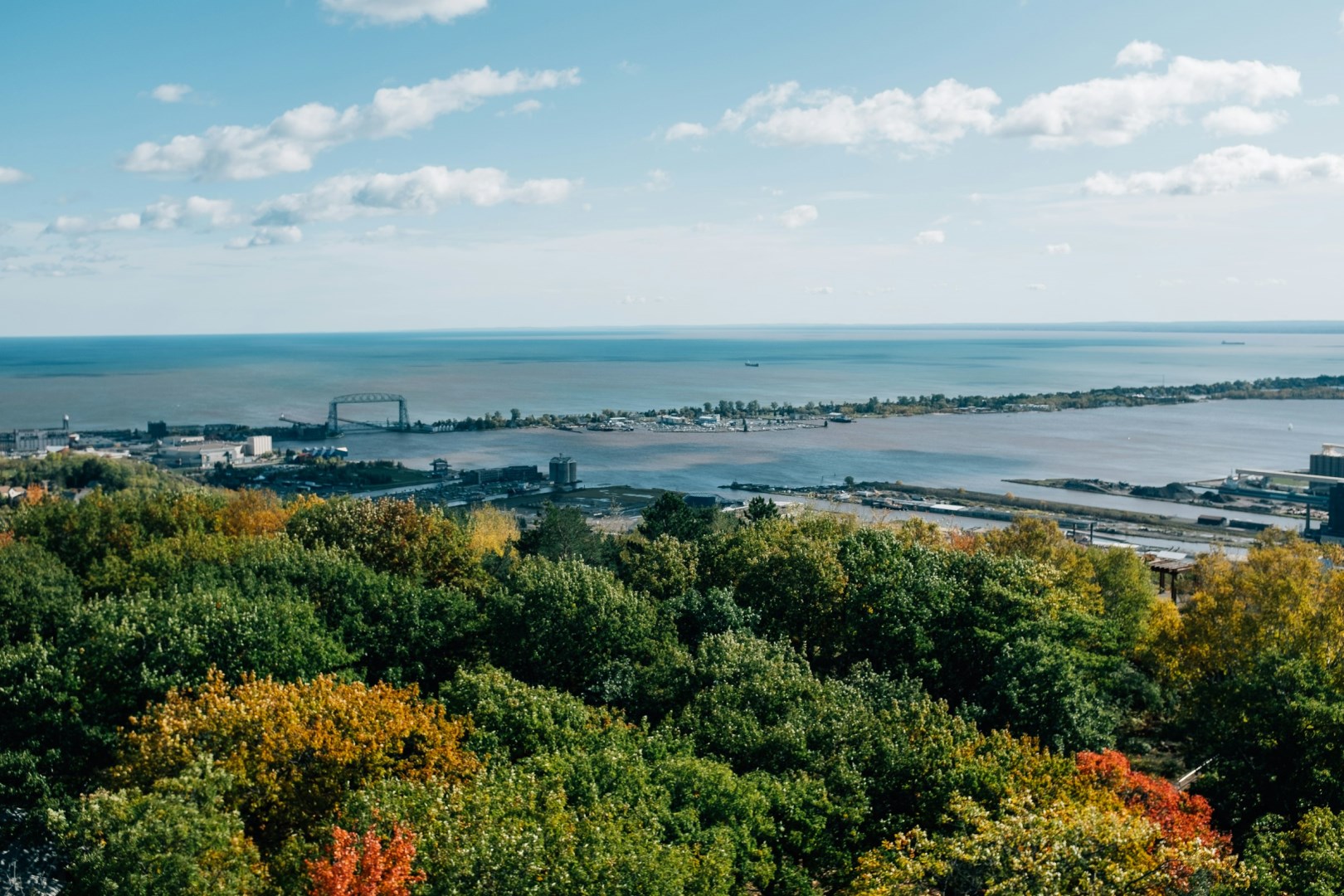
Duluth
Located on Lake Superior, Duluth is a gateway for a year-round resort area, and tourism is a major industry.
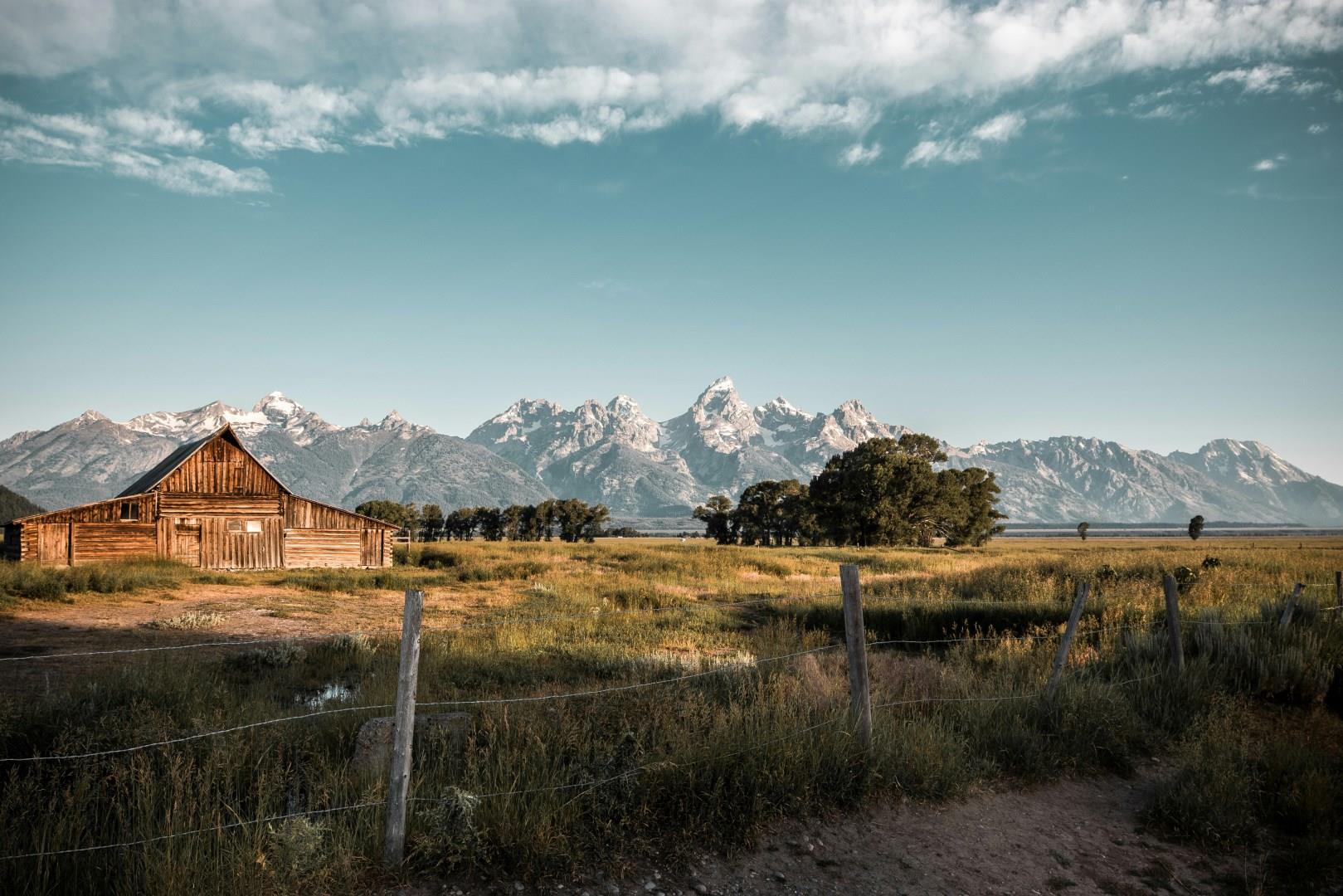
Jackson
Jackson Hole, Wyoming, is a gateway to the grandeur of the American West, where rugged landscapes meet a rich frontier heritage. Nestled between the Teton Mountain Range and the National Elk Refuge, the town offers visitors a taste of authentic Western life alongside world-class outdoor adventures. The vibrant arts scene in Jackson Hole reflects the area’s creative spirit, with galleries showcasing Western art, wildlife photography, and contemporary pieces.
