

Los Cabos
Located on the southern end of Baja California Sur in Mexico, the Los Cabos municipality is a popular resort destination. Including the stunning city of Cabo San Lucas, Los Cabos offers spectacular beaches, panoramic ocean views, and a variety of fun activities, including golfing, hiking, and snorkeling.
St Lucia
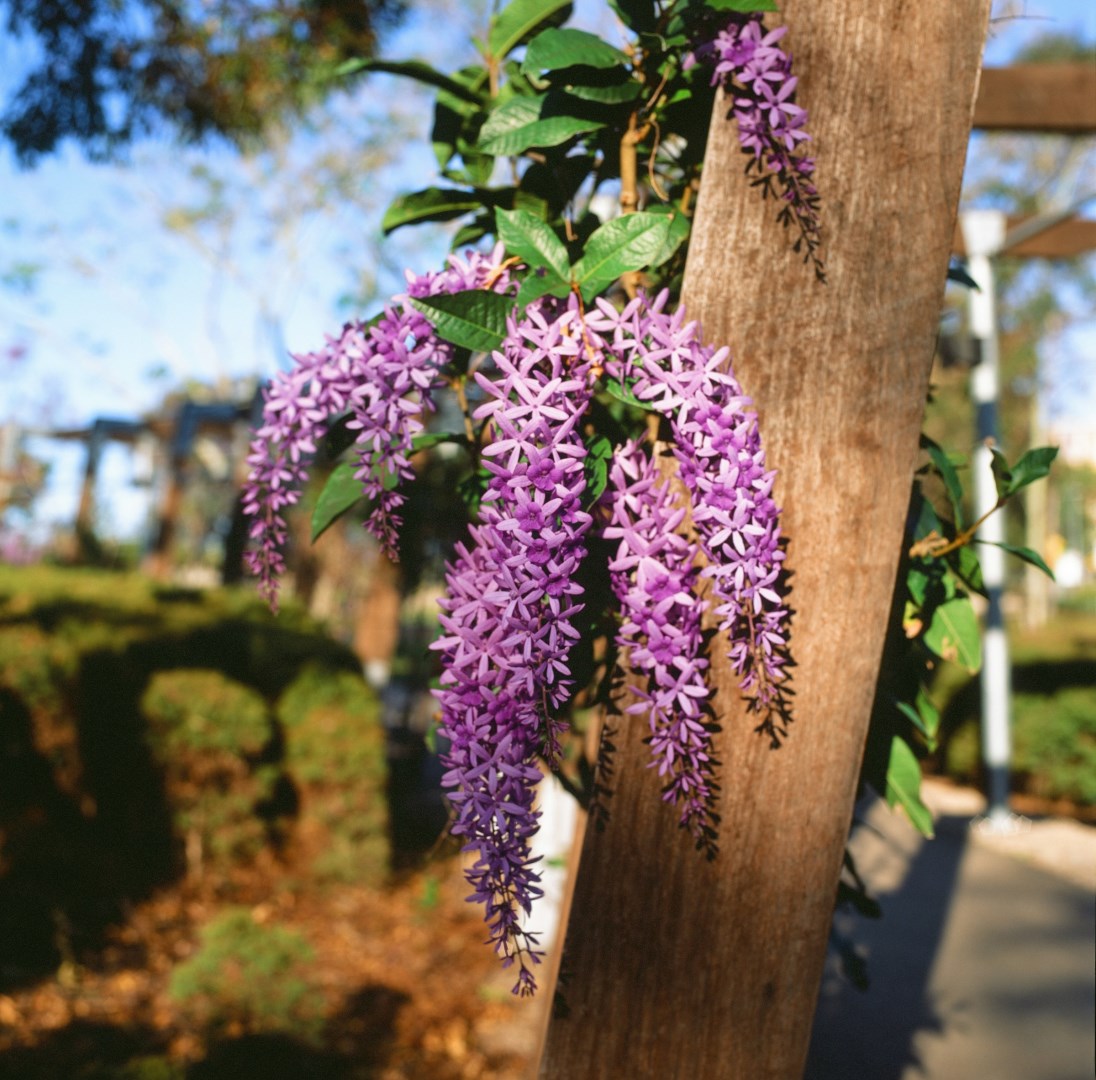
St Lucia is a riverside suburb of Brisbane, Queensland, located about seven kilometres southwest of the city centre on a peninsula surrounded on several sides by the Brisbane River. The suburb combines established residential streets, riverfront spaces, leafy vegetation, local shops, and the large campus of The University of Queensland. The university occupies much of the eastern part of St Lucia, while residential neighbourhoods extend across the western and central areas.
Santa Rosa
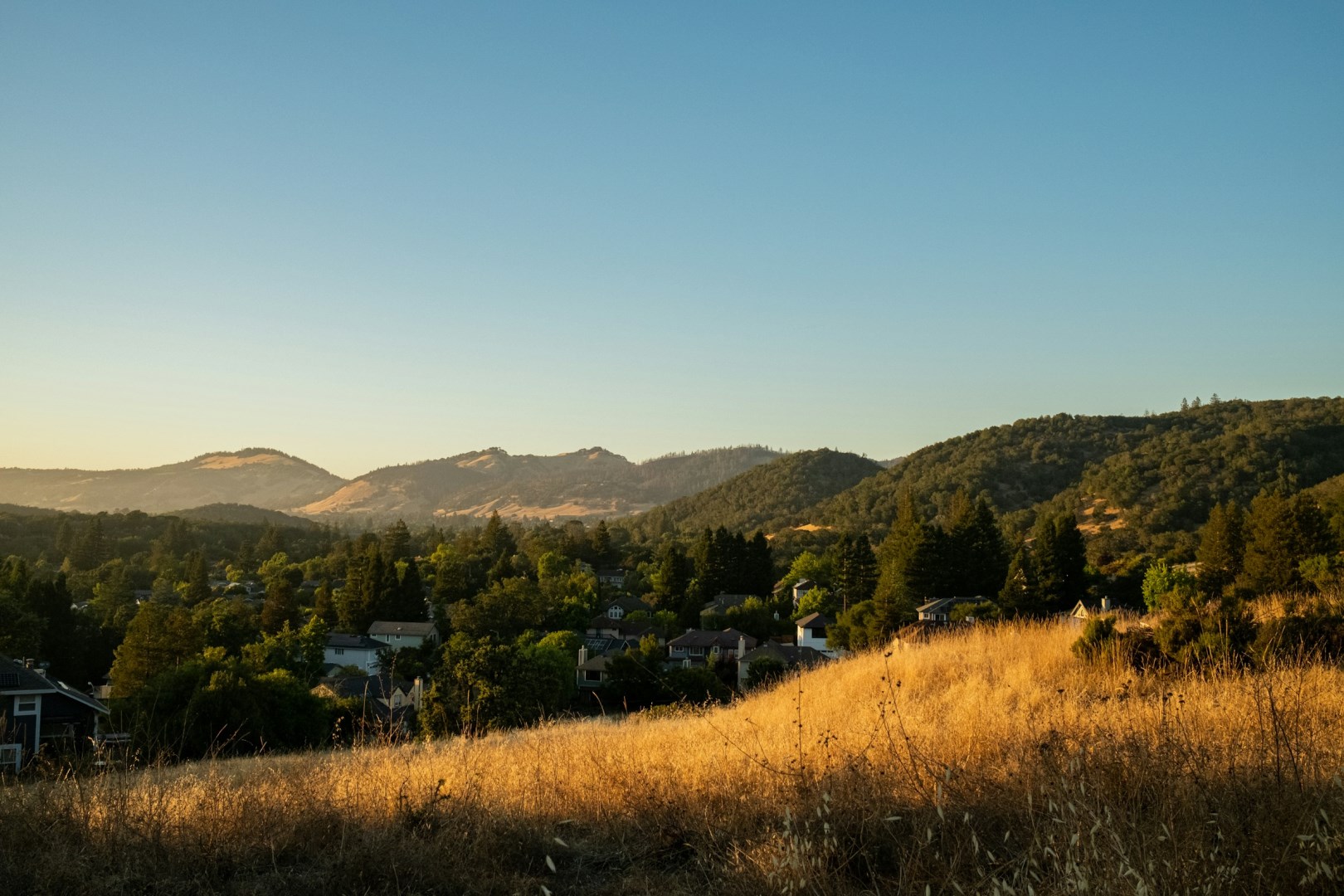
Santa Rosa is the largest city in Sonoma County and serves as a regional center in California's North Bay. Set among vineyards, oak woodlands, and rolling hills, the city combines an established urban core with easy access to Sonoma County's agricultural landscape. Downtown Santa Rosa includes Courthouse Square, Railroad Square, museums, restaurants, and local shops, while surrounding neighborhoods range from historic homes to newer developments.

Chaniá
Chania, the jewel of western Crete, is a city where history, culture, and natural beauty converge to create a captivating experience. Known for its Venetian harbor, Chania boasts a unique blend of Venetian, Ottoman, and Greek influences. The harbor's old lighthouse, built in the 16th century by the Venetians, stands as a timeless sentinel over the bustling waterfront, which is lined with colorful buildings, inviting cafes, and vibrant tavernas.
Dundee
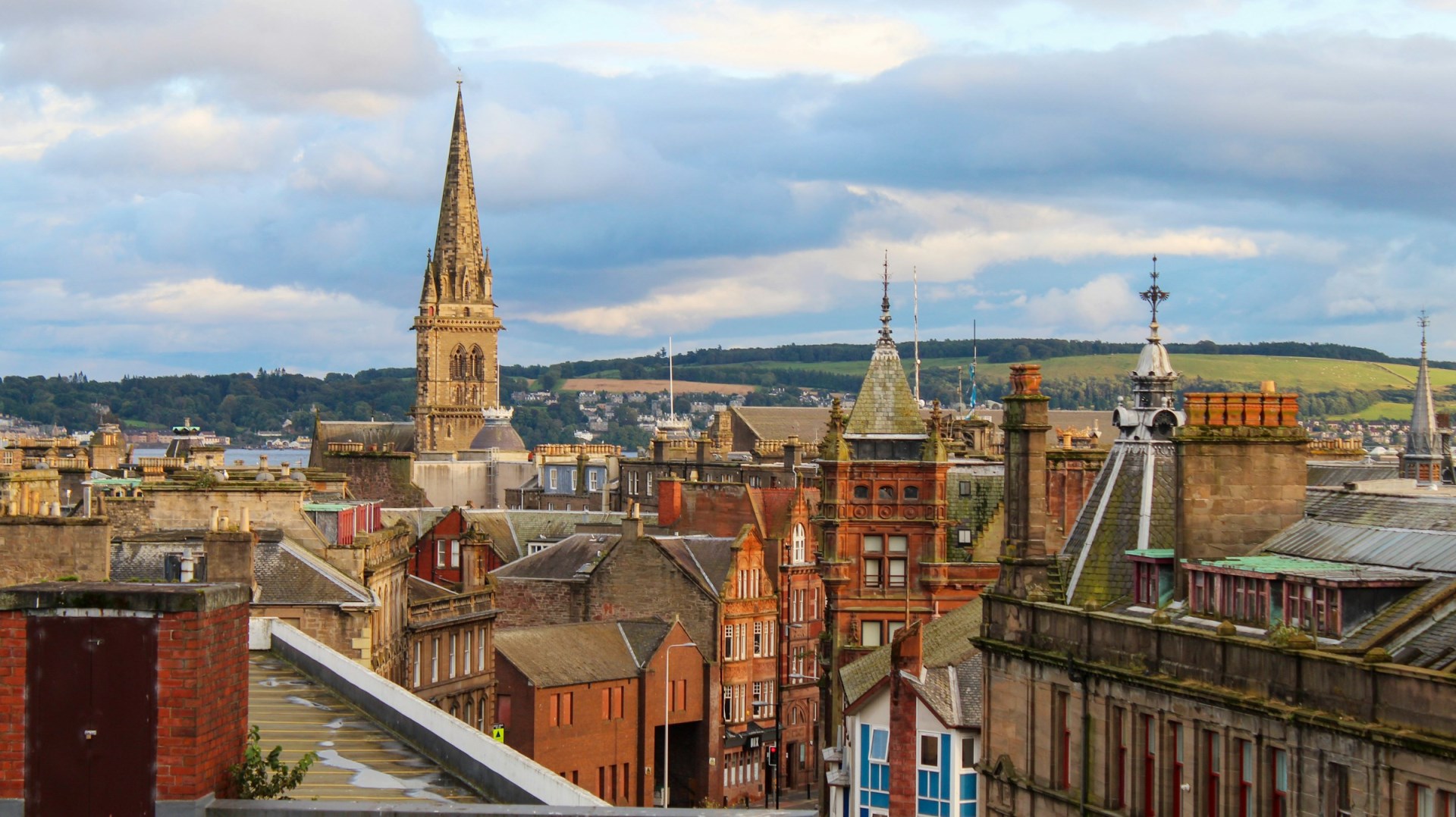
Ancient port and ship building center north of Edinburgh, it is now an important industrial center for Scotland.
