

Dominica
Dominica, known as the “Nature Island of the Caribbean,” is a haven for eco-tourists and adventure seekers. Nestled between the French islands of Guadeloupe and Martinique, this lush island boasts a remarkable landscape of volcanic mountains, dense rainforests, and stunning waterfalls. Dominica’s most iconic natural wonder is the Boiling Lake, the second-largest hot spring in the world.

Udaipur
Udaipur, often referred to as the "City of Lakes," is one of India’s most enchanting destinations, nestled in the state of Rajasthan. Known for its opulent palaces, tranquil lakes, and rich history, Udaipur offers a romantic getaway steeped in royal heritage. The crown jewel of the city is the magnificent City Palace, a sprawling complex perched on the banks of Lake Pichola.
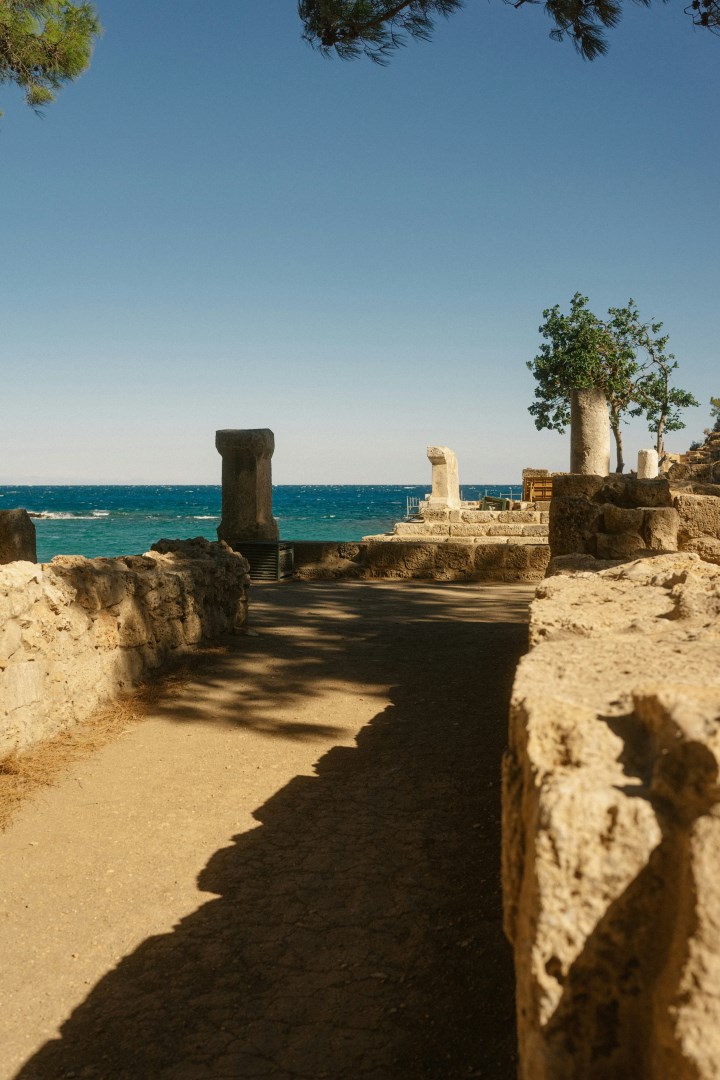
Phaselis
Set along the turquoise coast of southern Turkey, Phaselis offers a rare combination of ancient ruins and quiet bays framed by pine forests. Located within the borders of Antalya Province, this former port city stretches across a narrow peninsula where the sea meets low hills. Visitors arrive to find three natural harbors, each with clear water and gentle shores, creating inviting spots for swimming just steps from centuries-old stone structures.
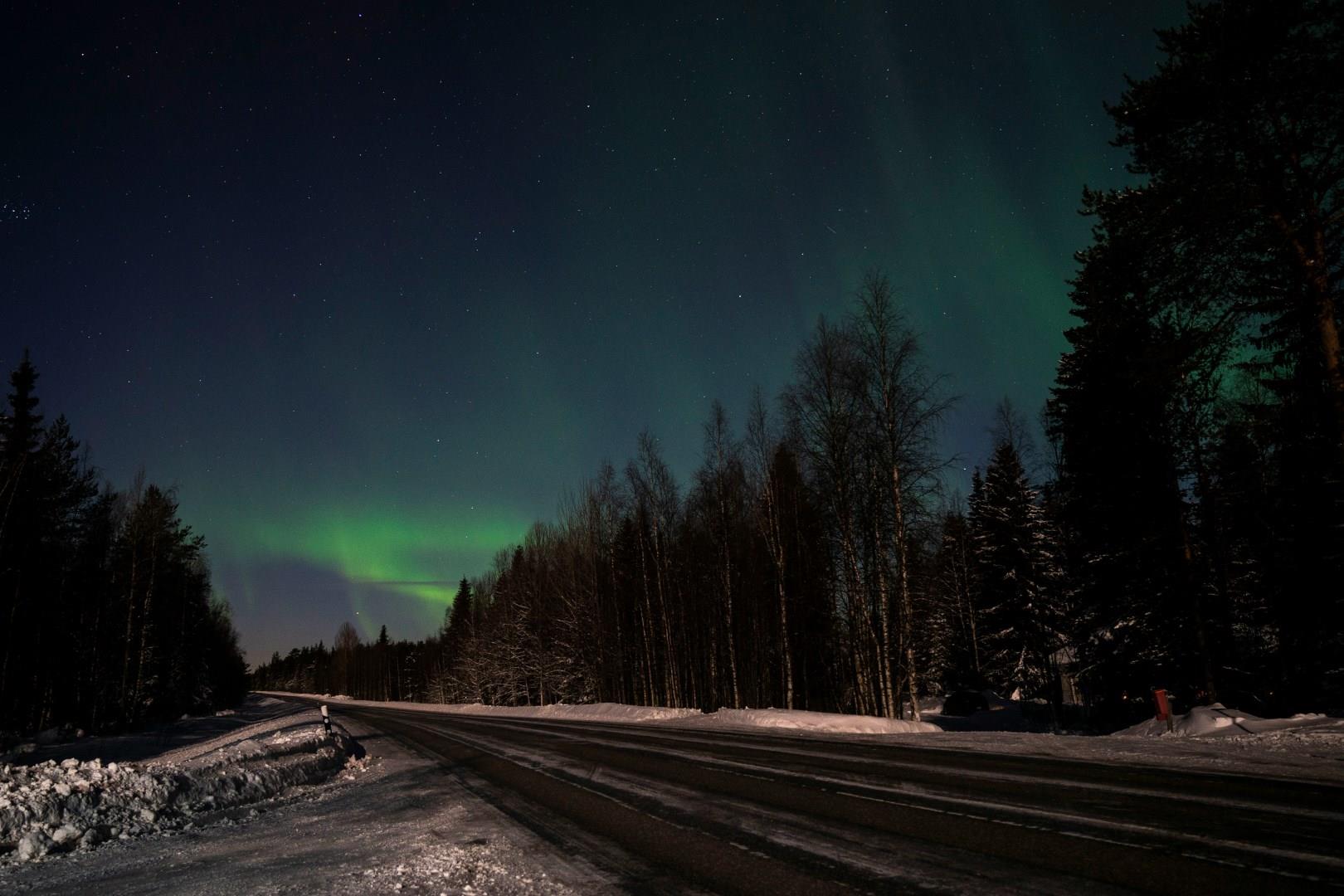
Rovaniemi
Rovaniemi, located just a few kilometers south of the Arctic Circle, is widely recognized as the official hometown of Santa Claus. From late August through early April, the Northern Lights are visible on clear nights, and several local guides offer nighttime tours to remote locations for optimal viewing. During summer, the sun doesn't set for weeks, giving travelers the rare chance to hike or kayak under a sky that stays bright at midnight.

Surabaya
A booming city of over 3 million, Surabaya offers many good hotels, shopping centers and entertainment. Its well stocked zoological garden include several species of Indonesian fauna like "orang utan", komodo dragon and a collection of nocturnal animals.
