
Durango
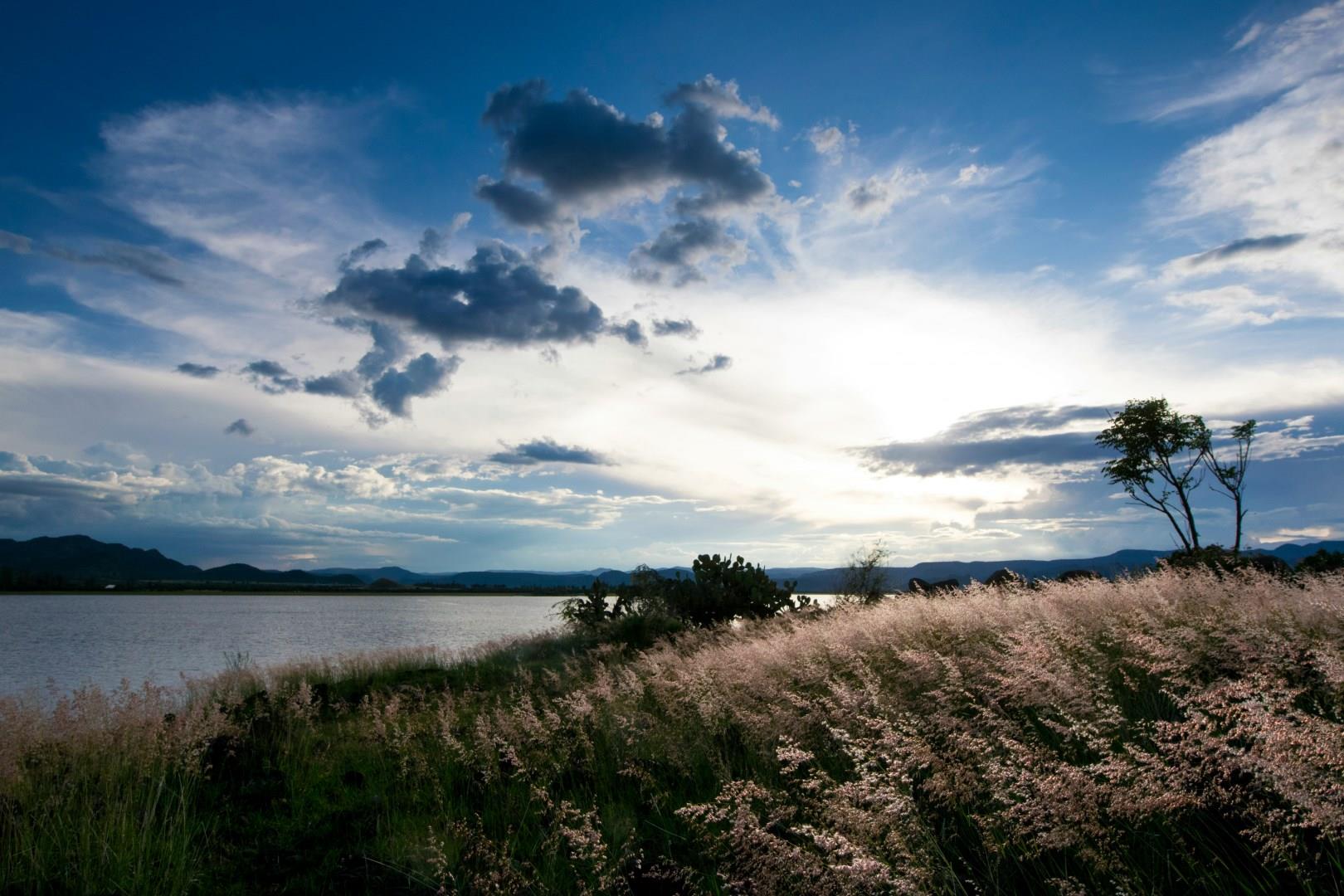
Durango, located in north-central Mexico, is a destination rich in history, dramatic landscapes, and cultural traditions that date back centuries. Once a key outpost during Spanish colonization, Durango played an important role in the development of northern Mexico. The city of Victoria de Durango, the state capital, features cobblestone streets and more than 1,000 officially registered historical structures.
Oran
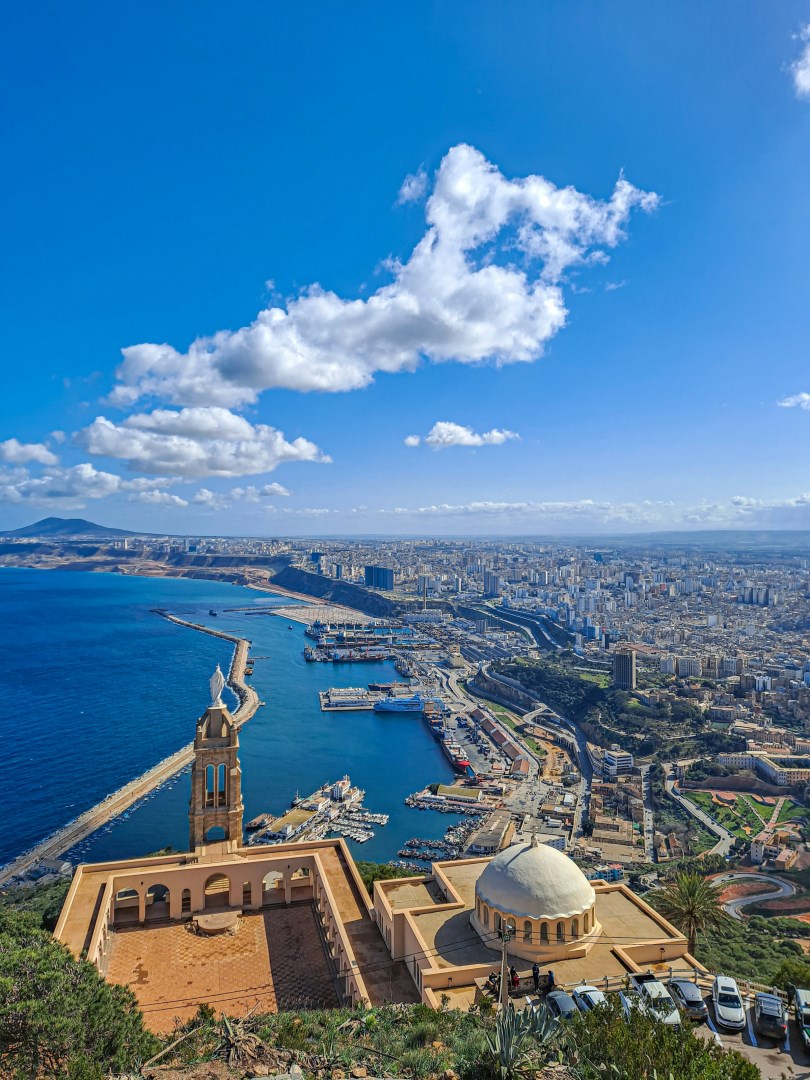
Oran is a major port city on Algeria’s western Mediterranean coast, set around a broad bay beneath the hills of Mount Murdjadjo. Its urban landscape combines a busy harbour, broad avenues, older quarters, and coastal neighborhoods. Oran is also strongly associated with raï music, a popular Algerian style that developed in the western part of the country.
Erfurt
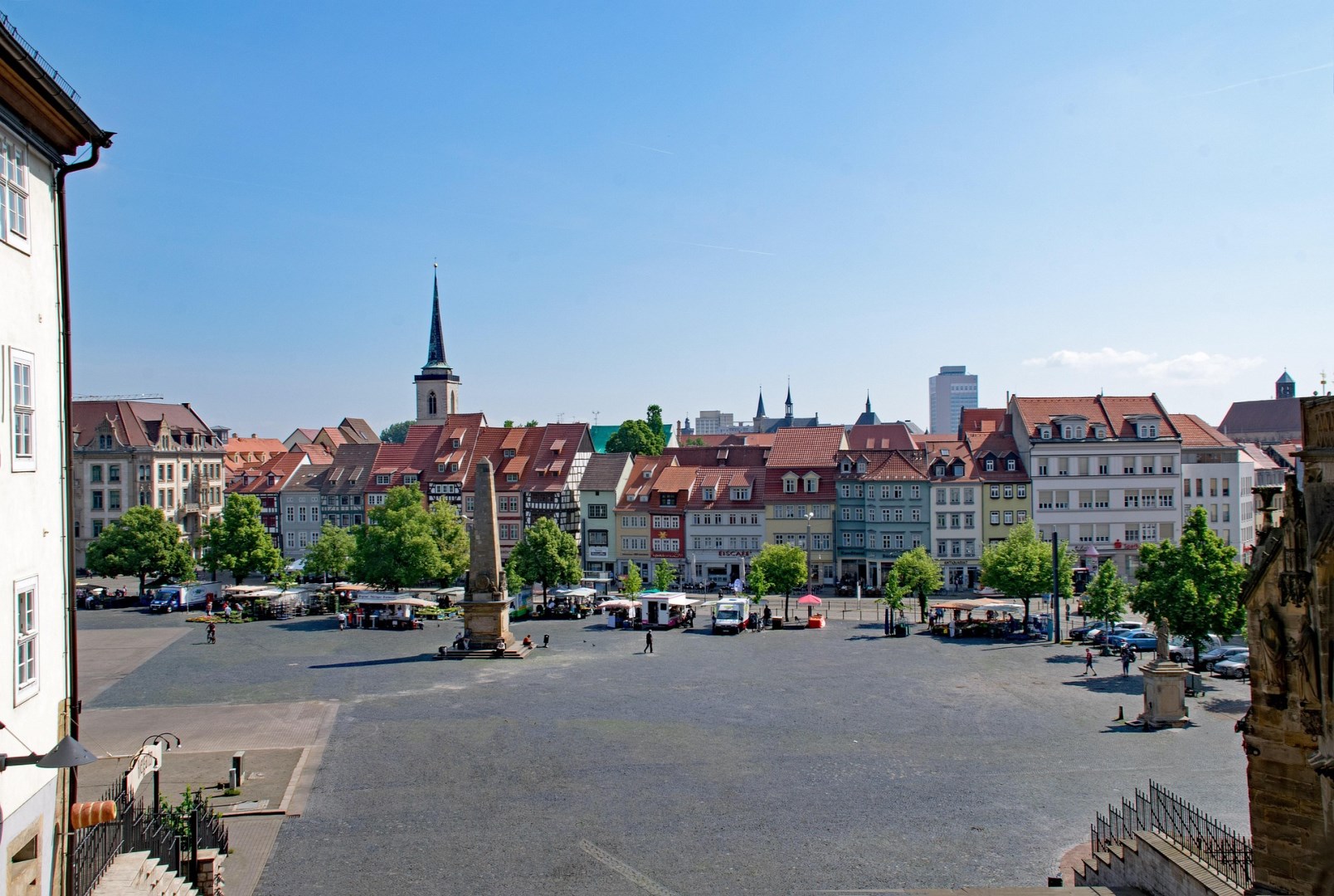
The skyline of Erfurt is shaped by dozens of churches, monasteries, and convents thrusting their pointed steeples upward to the sky. In the Middle Ages, Erfurt was known as "Thuringian Rome" because of its religious orders. The impressive twin churches on the Domberg (Cathedral Hill), the Roman Catholic St. Mary's Cathedral (14th century) and the Roman Catholic Parish church St. Severus with a flight of 70 outdoor steps leading from the Cathedral Square up the hill to the churches.
Taraz
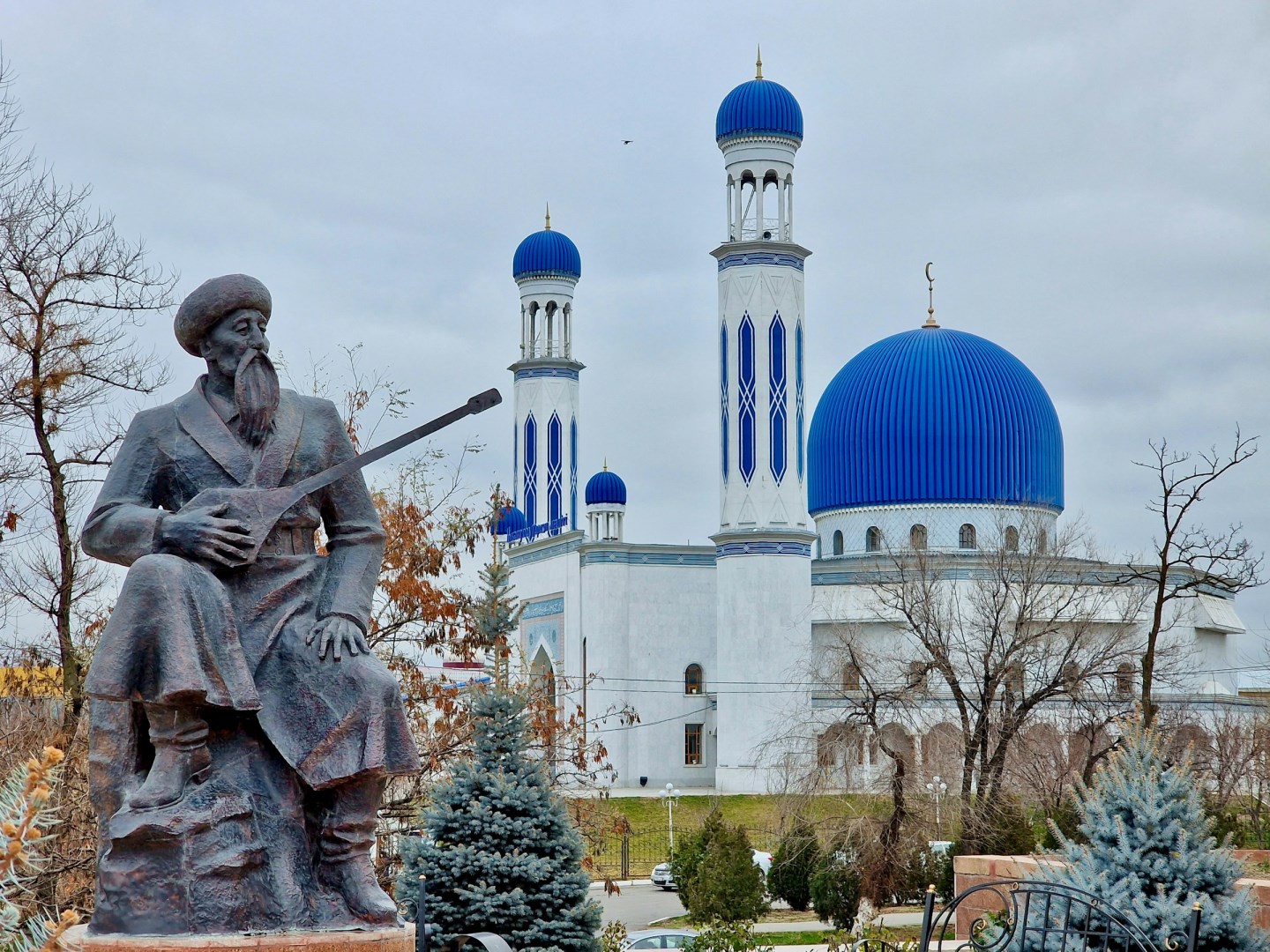
Taraz is a historic city in southern Kazakhstan, located in the Talas River valley near the Kyrgyzstan border. Its position along the routes linking Central Asia with China made it an important center of trade and settlement, and archaeological remains around the city reveal its long role as a regional crossroads. Today, Taraz combines modern urban life with mausoleums, archaeological parks, museums, and remnants of ancient settlements.

Bulgaria
Bulgaria is a republic in southeastern Europe. The capital and largest city is Sofiya. Bulgarian culture has been influenced successively by Byzantine, Greek, Russian, and Western cultures.
