

Ocho Rios
Ocho Rios, whose name comes from the Spanish for “Eight Rivers”, was originally a Taíno settlement before Spanish and later British colonial influence shaped its identity. Nestled along Jamaica’s lush north coast, this once-humble fishing village has transformed into a vibrant coastal town that blends historical depth with modern charm.
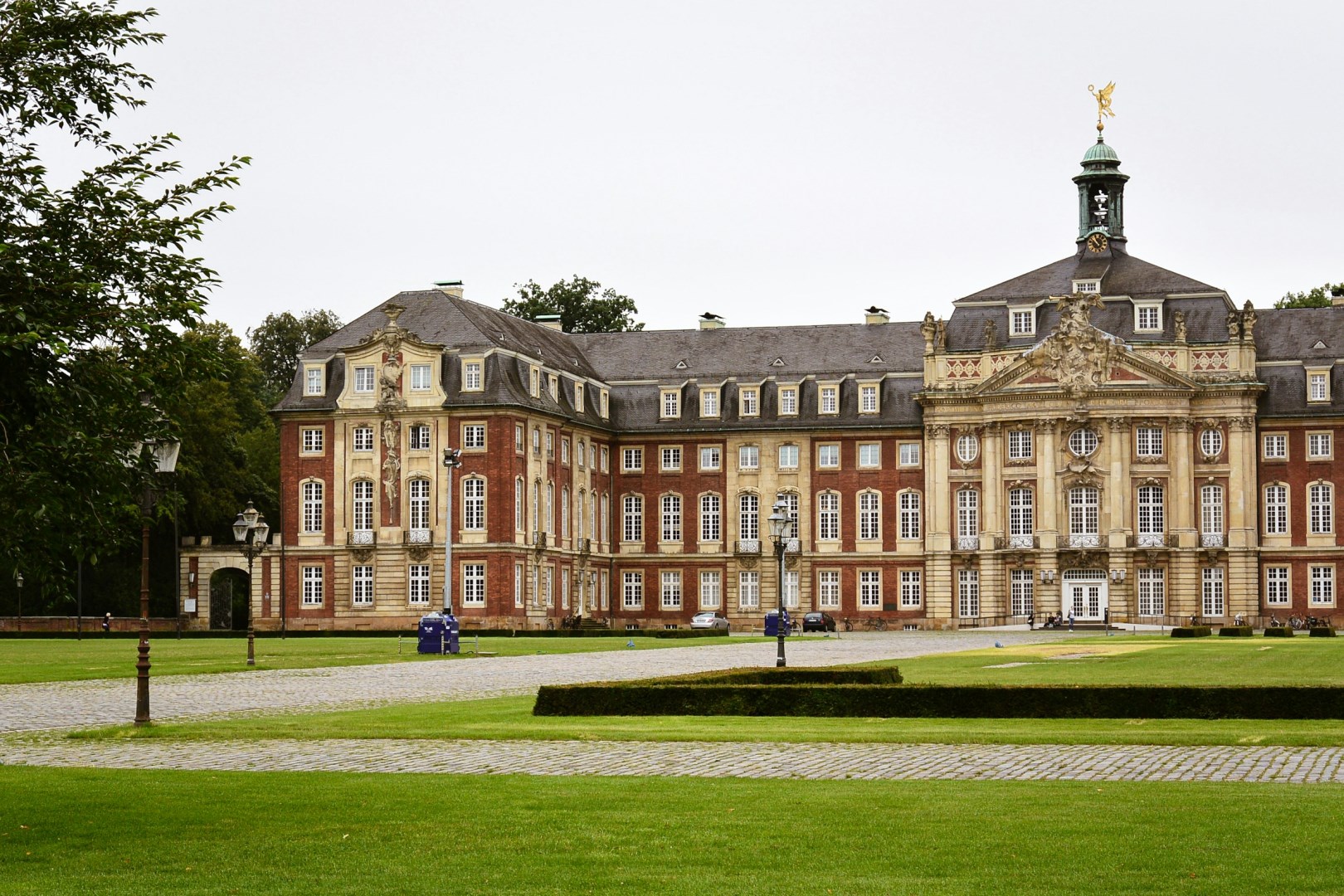
Münster
Discover this lively Westphalian center - a city where tradition and the modern age, past and present complement one another harmoniously.
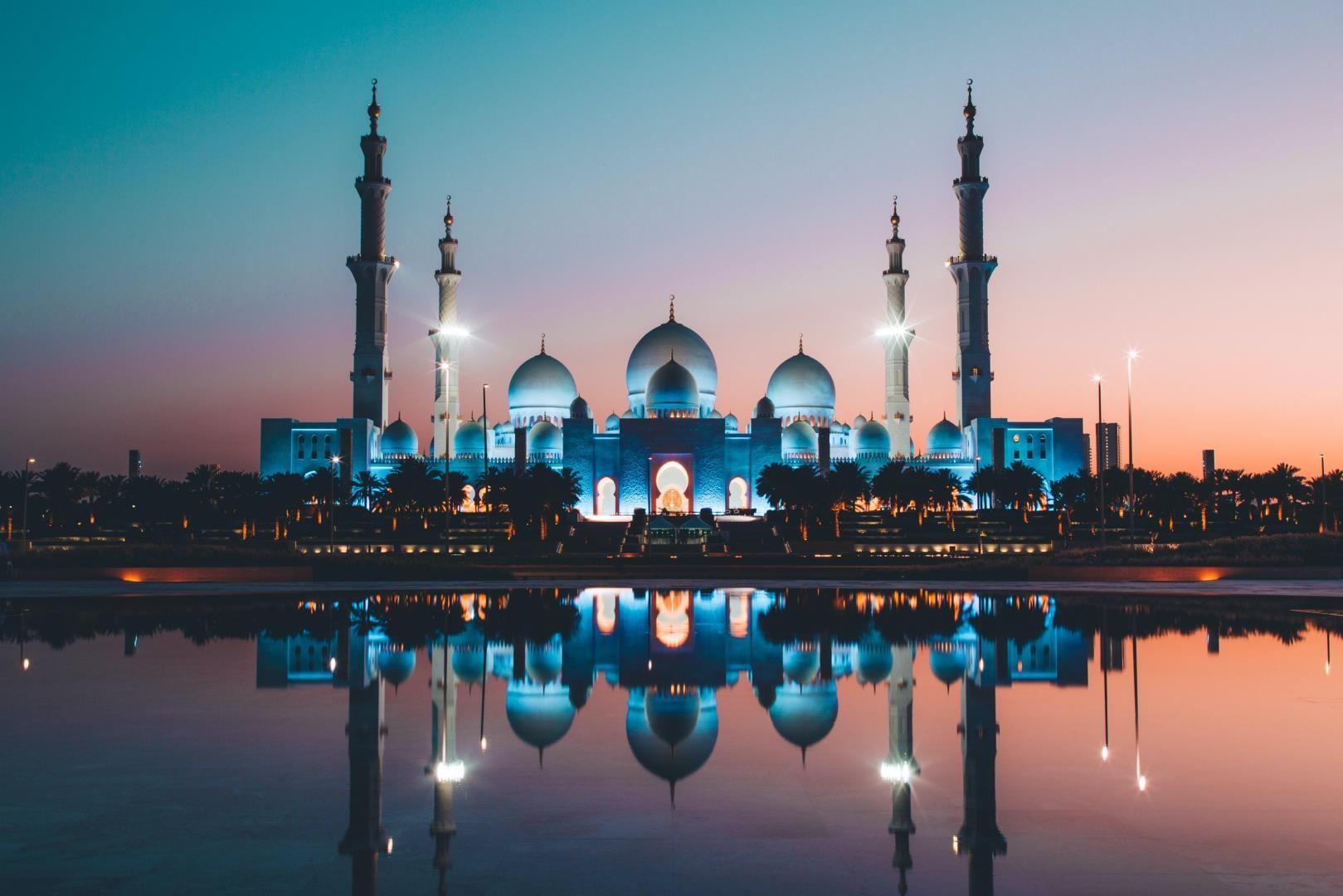
Abu Dhabi
A city in perpetual forward motion, Abu Dhabi greets visitors with gleaming skyscrapers and opulent Islamic architecture. There is much to see here, from the recently opened Louvre Abu Dhabi to the gigantic Sheikh Zayed Grand Mosque, with its white marble splendor. Beach life and turquoise waters can be found on Saadiyat Island, Al Bateen and Corniche Beach.

Andasibe-Mantadia National Park
Andasibe-Mantadia National Park, located in the eastern highlands of Madagascar, offers a captivating journey into one of the world’s most unique rainforests. Famous for its rich biodiversity, this national park is home to the largest species of lemur, the indri, whose haunting calls echo through the dense canopy. Visitors to the park can explore lush tropical landscapes filled with rare plants, birds, and other endemic wildlife, making it a must-visit for nature lovers and adventurers alike.
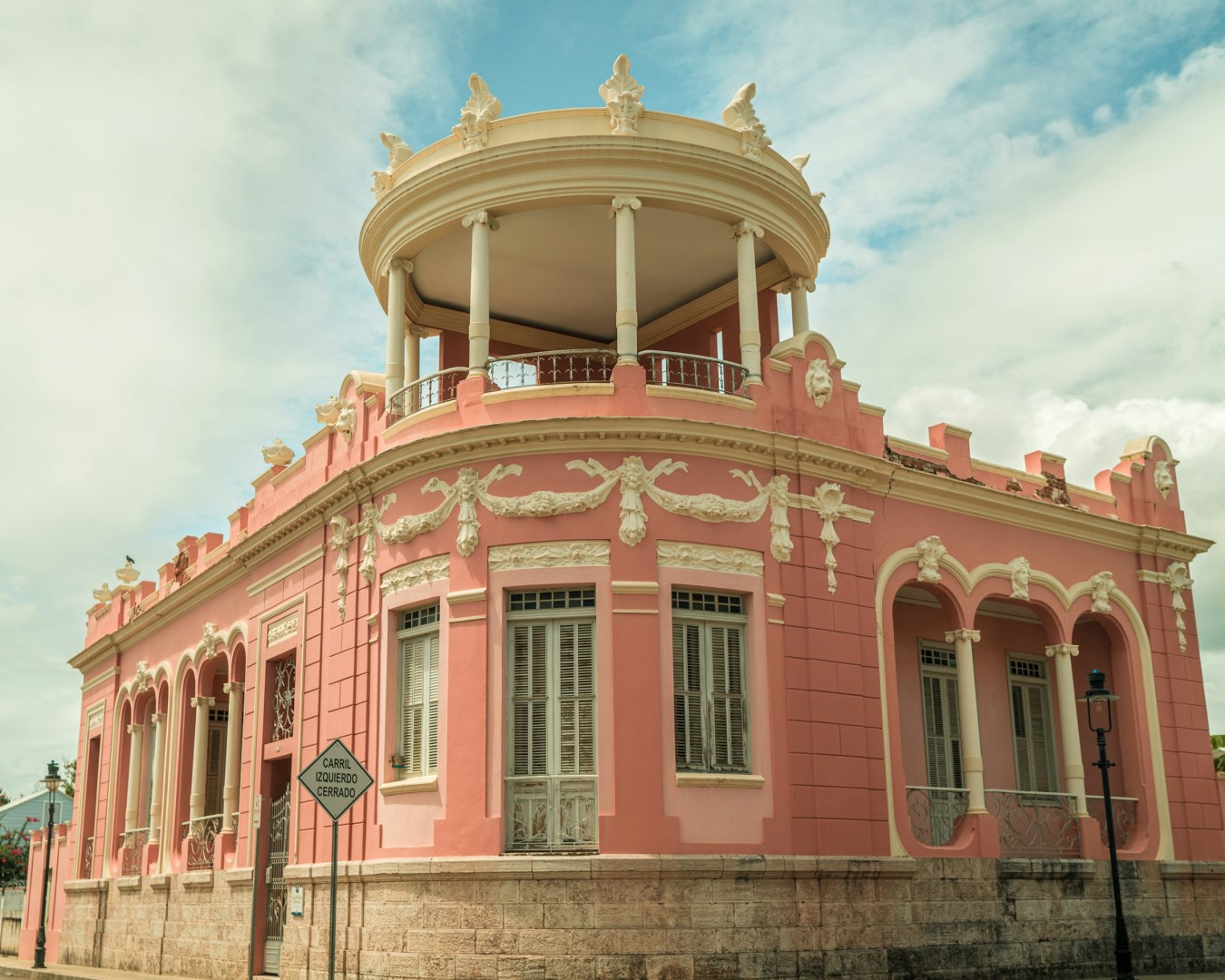
Ponce
An industrial center and the island's chief Caribbean port. Tourism, sugar refining, and distilling are important. Founded in the early 16th century, it is one of the oldest cities in the Americas.
