

Kamloops
Kamloops, located in the interior of British Columbia, sits at the meeting point of the North and South Thompson Rivers. The name comes from the Secwépemc word “Tk’emlúps,” meaning "where the rivers meet," and the area has been a gathering place for Indigenous communities for thousands of years. Today, visitors can explore this rich cultural heritage at the Secwépemc Museum and Heritage Park, where trails lead through archaeological sites and reconstructed pit houses.

Lanzarote
Lanzarote, the northernmost of the Canary Islands, is a striking destination characterized by its volcanic landscapes and unique architectural heritage. Known for its otherworldly scenery, the island boasts a remarkable volcanic terrain shaped by eruptions in the 18th and 19th centuries. The Timanfaya National Park is a highlight, where visitors can witness geothermal demonstrations and explore the dramatic lava fields on a guided tour.
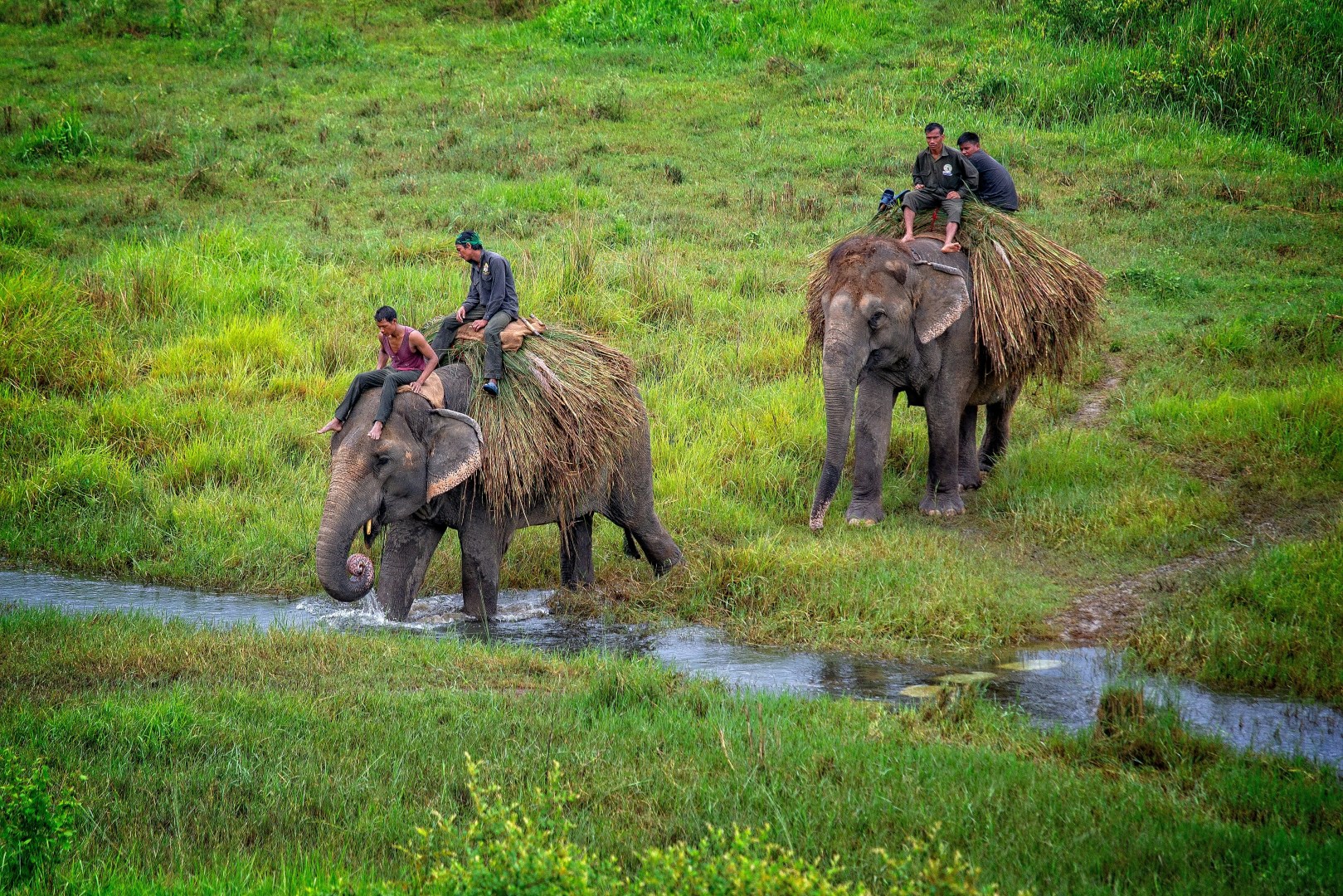
Chitwan National Park
Chitwan National Park is one of Nepal’s most important protected natural areas. Located in the subtropical lowlands of southern Nepal, the park is known for dense sal forests, grasslands, rivers, and a large concentration of wildlife.

Spitsbergen
Spitsbergen is the largest island of Norway’s Svalbard archipelago, where the wonders of the Arctic come alive in breathtaking fashion. Known for its wild, untamed beauty, Spitsbergen offers travelers the chance to experience landscapes that are both surreal and majestic. From towering glaciers and jagged mountain peaks to expansive tundra and crystal-clear fjords, this frozen paradise is an explorer’s dream.
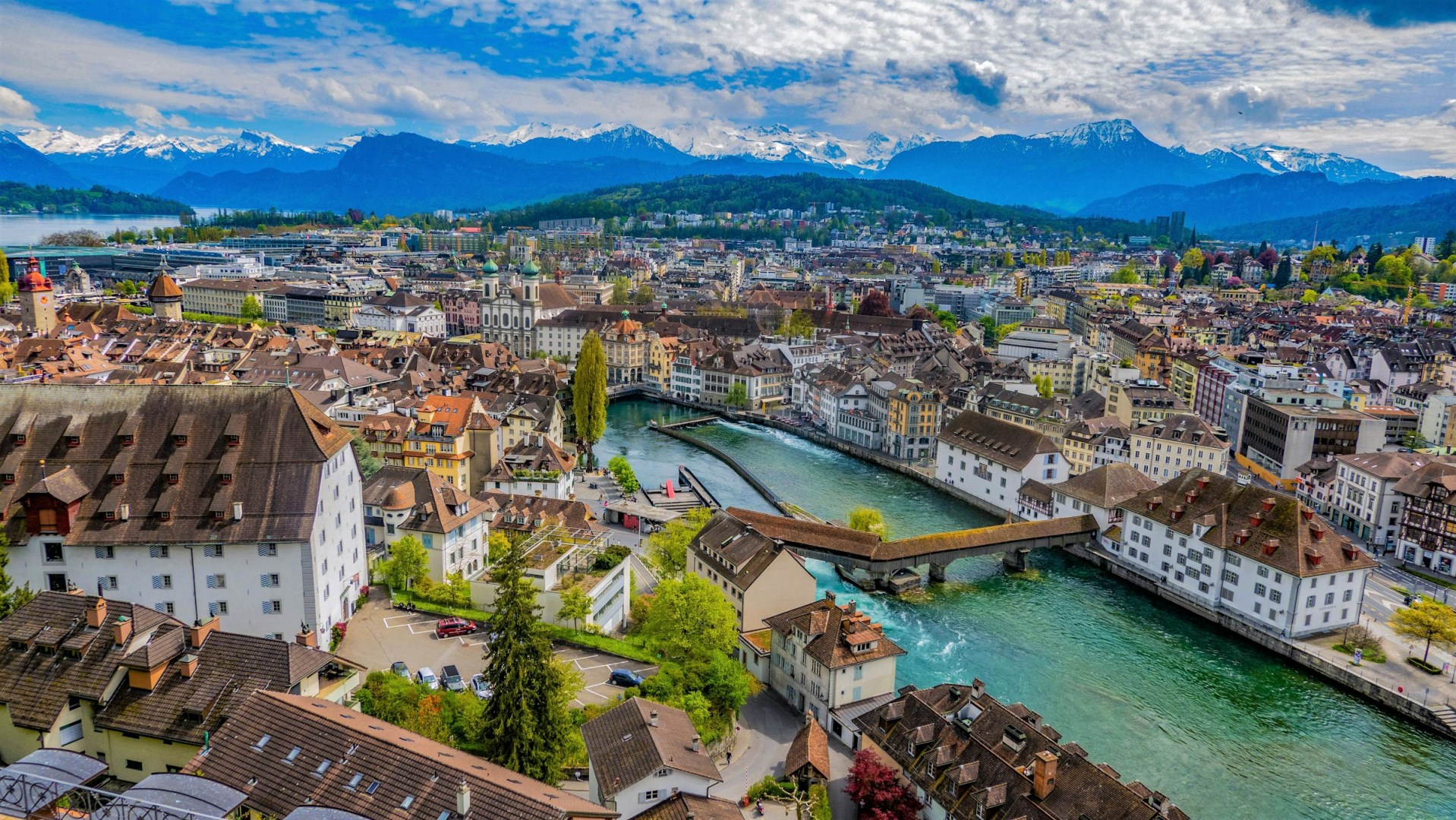
Lucerne
Behold beautiful Lucerne! This German-speaking area of central Switzerland on Lake Lucerne is a truly spectacular locale. Surrounded by mountains and notable for its famous Chapel Bridge, this idyllic and musical Swiss locale is wonderful any time of year.
