
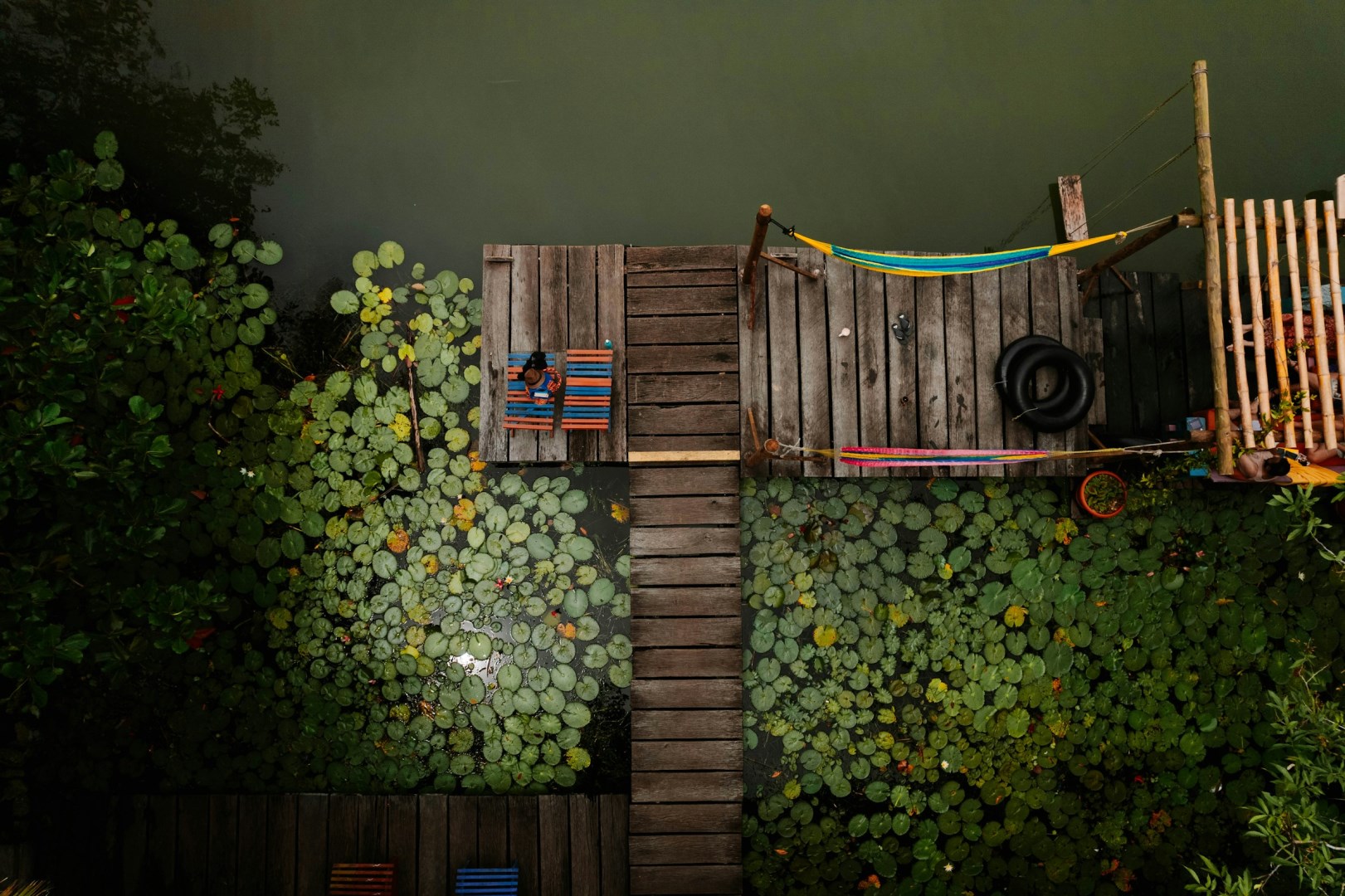
Puerto Barrios
Located in the Gulf of Honduras, this area of the Mayan offers jungle tours along the Rio San Carlos or walking through the Mayan ruina at Quirigua. In ancient Mayan culture, priests used to drive sting ray spines through their tongues to appease their gods.

Jaipur
Jaipur, the capital of Rajasthan, is often called the “Pink City” for the terracotta-hued buildings that line its historic streets. Founded in 1727, it was one of India’s first planned cities, designed with wide avenues and grand public squares.
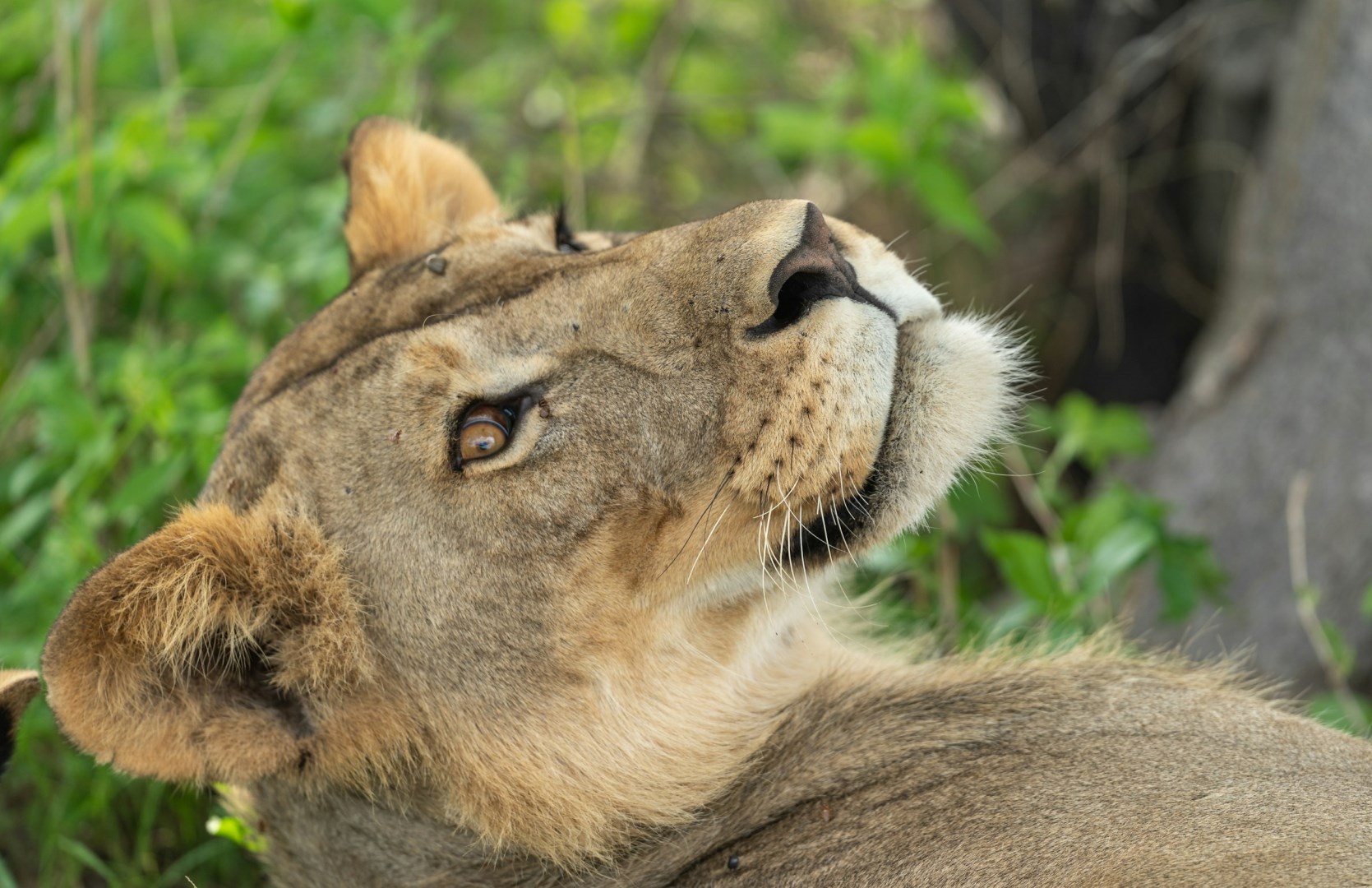
Ruaha National Park
Ruaha National Park is a vast protected area in south-central Tanzania, covering about 20,226 square kilometres. The park is defined by a varied landscape of open savanna, miombo woodland, rocky hills, seasonal rivers, and large baobab trees. The Great Ruaha River forms one of its most important natural features, providing water and supporting wildlife across the surrounding plains.
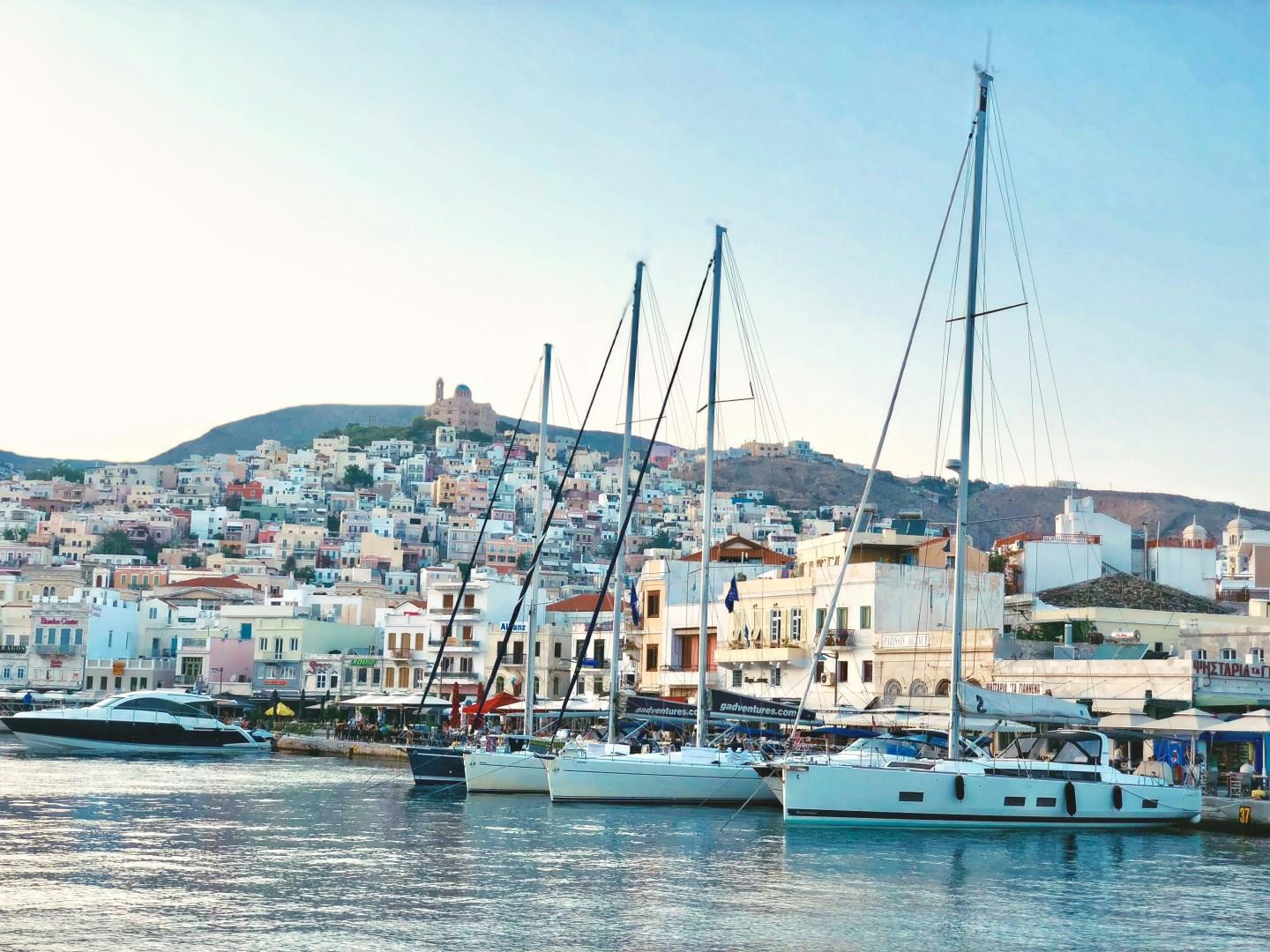
Syros
Syros, the capital of the Cyclades, stands apart from its island neighbors with its blend of neoclassical architecture, Orthodox and Catholic traditions, and year-round local life. Ermoupoli, the main town, was once a thriving 19th-century port and still displays its legacy through grand mansions, marble-paved squares, and the imposing Apollo Theater which was designed by an Italian architect and often referred to as a miniature La Scala.

Djerba
Djerba, an island off the southern coast of Tunisia, is known for its unique blend of Mediterranean charm and North African traditions. With its whitewashed villages, sandy beaches, and palm groves, the island has long been a place where cultures and histories intersect.
