
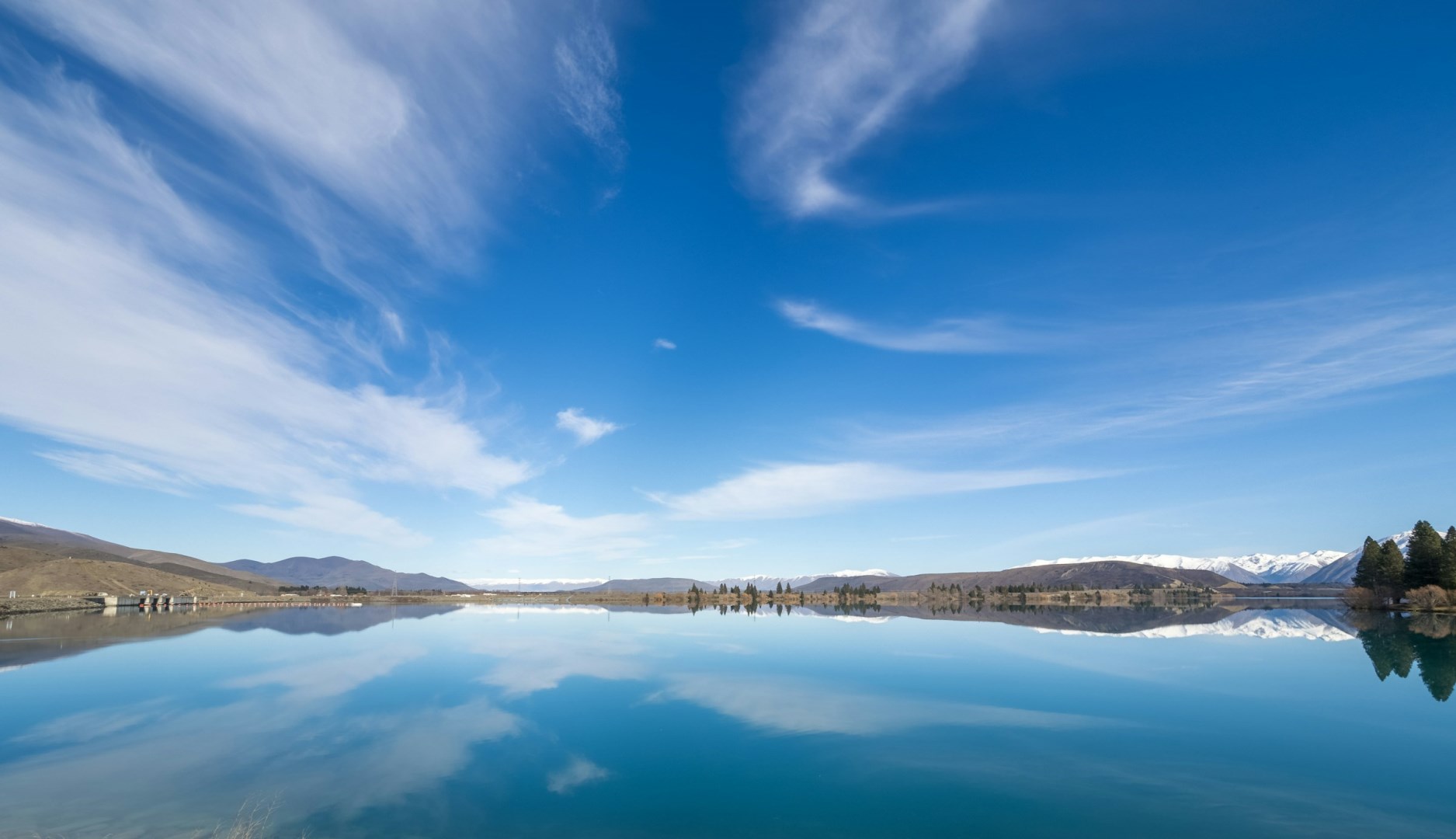
Lake Ōhau
Lake Ōhau, nestled in the Mackenzie Basin of New Zealand’s South Island, is a serene and striking alpine lake framed by the Southern Alps. Its clear, turquoise waters reflect the surrounding mountains, creating vistas that captivate visitors at every turn. The lake’s remote location and relatively low visitor numbers make it an ideal destination for those seeking a peaceful retreat, with opportunities to fish, kayak, or simply take in the sweeping scenery along its shores.

Puebla
Puebla, a city nestled in the heart of Mexico, is a captivating blend of colonial charm, vibrant culture, and rich history. Known as the "City of Angels," Puebla's well-preserved historic center is a UNESCO World Heritage site, filled with stunning baroque architecture, colorful tiled buildings, and bustling markets. Puebla is also a haven for food lovers, celebrated as the birthplace of some of Mexico’s most iconic dishes.
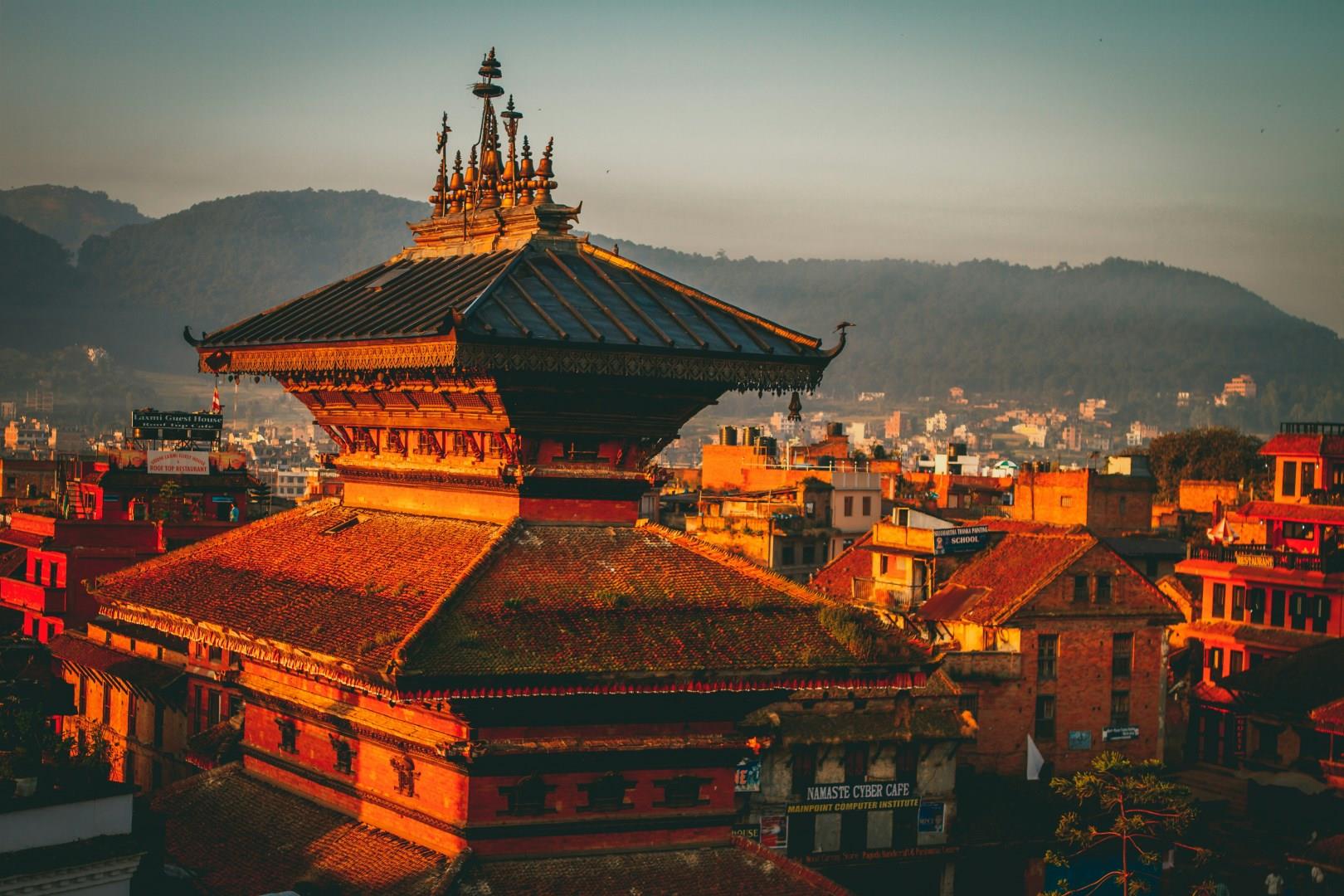
Bhaktapur
Bhaktapur, located just east of Kathmandu in Nepal, is a city where time seems to slow. Famous for its well-preserved medieval architecture, it is often called a “living museum” due to its abundance of temples, palaces, and courtyards.
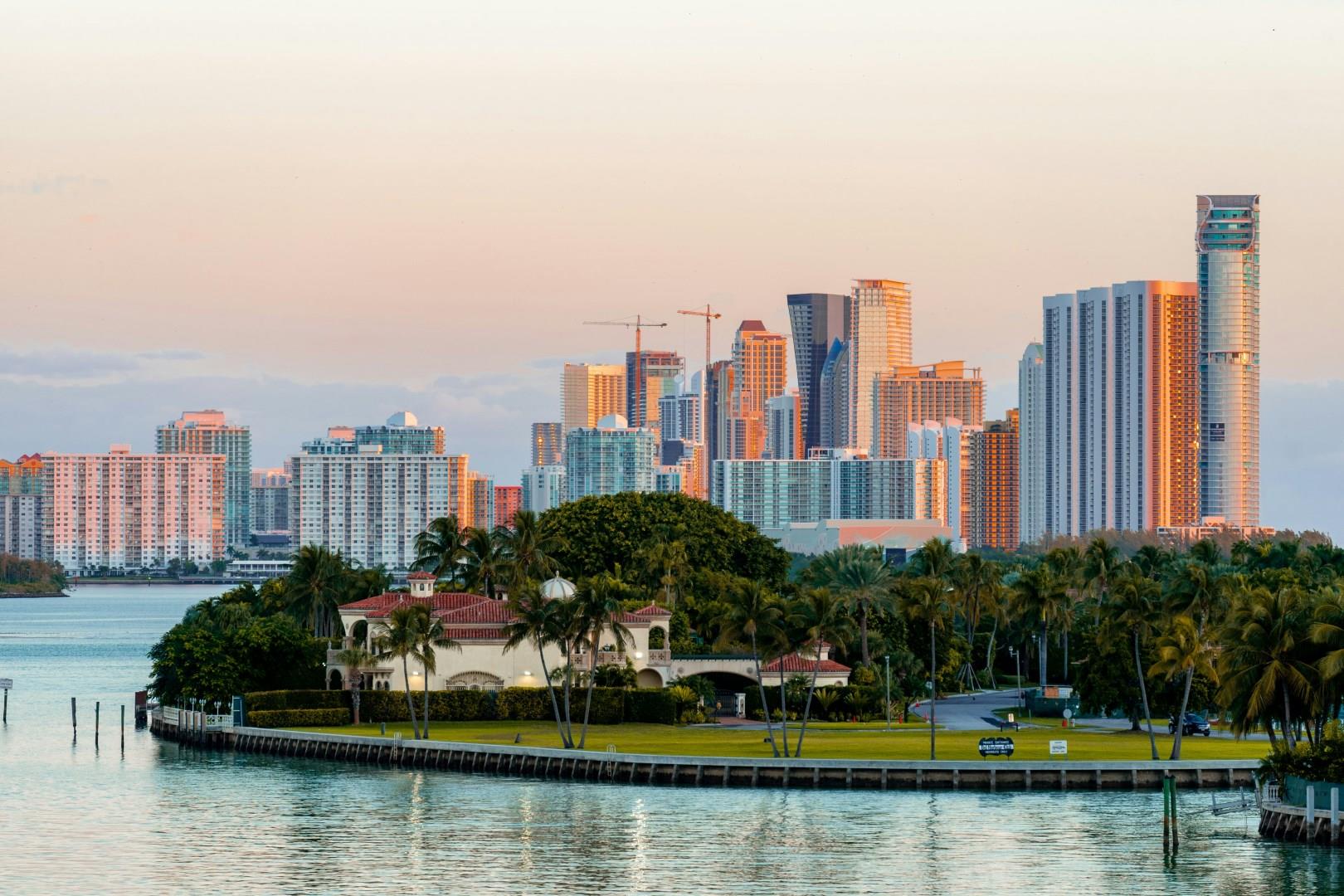
Bal Harbour
Bal Harbour is an exclusive seaside village located on Florida’s northeastern coast, just north of Miami Beach. Known for its luxury lifestyle, pristine beaches, and upscale shopping, Bal Harbour blends serene coastal living with high-end sophistication.

Nuku Hiva Island
Nuku Hiva is the largest of the Marquesas Islands in French Polynesia, a place where scale and isolation shape both history and daily life. Long before European contact, the island supported complex Marquesan societies known for stone architecture, tattoo traditions, and ceremonial sites, many of which remain scattered across its valleys.
