
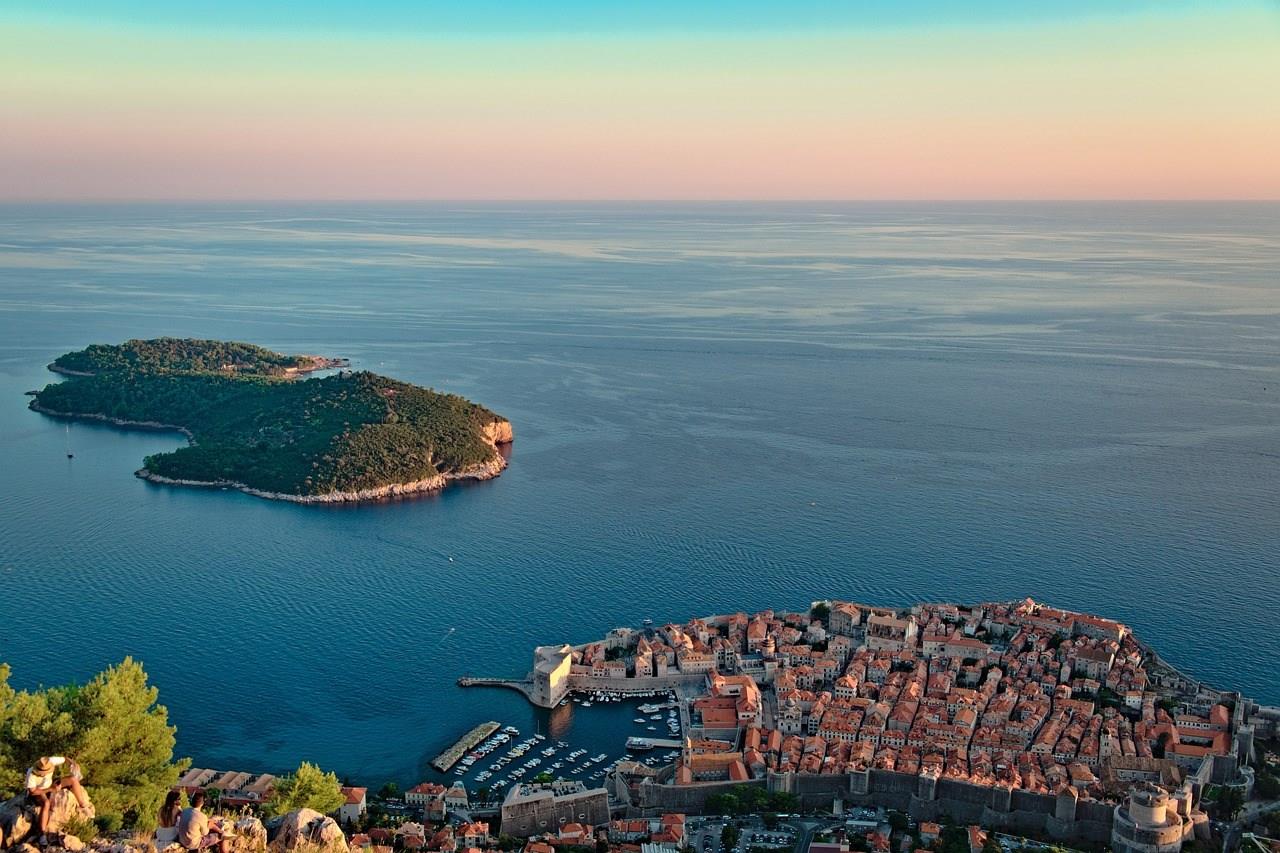
Mediterranean Sea
The Mediterranean Sea is more than a body of water, it’s a living crossroads of civilizations, flavors, and landscapes. Stretching across three continents and touching over 20 countries, it has been a stage for ancient empires, maritime trade, and cultural exchange for thousands of years. From the sun-drenched shores of southern Spain to the whitewashed villages of the Greek islands, each coastline tells a different story.
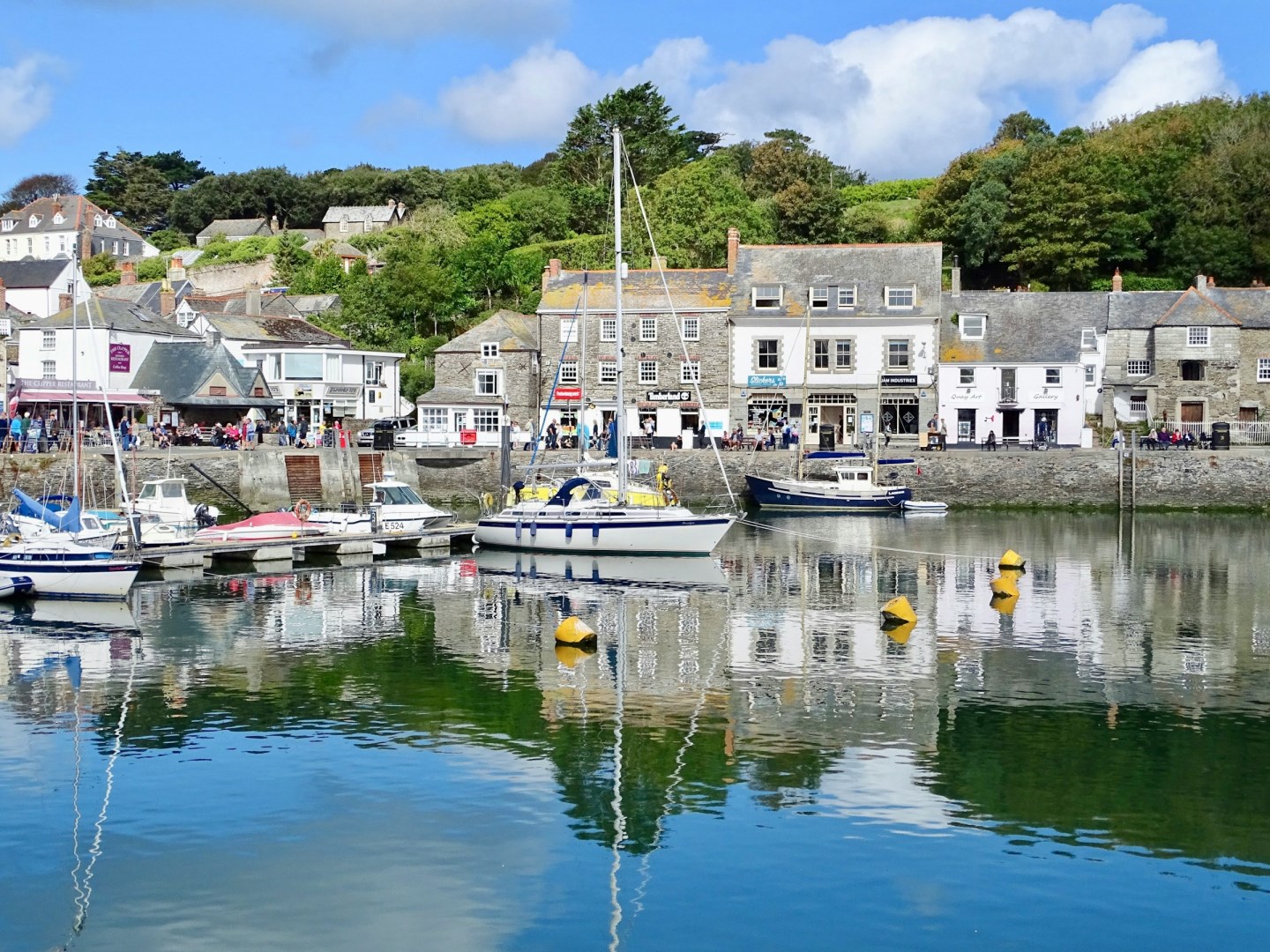
Padstow
Padstow is a small harbour town on the north coast of Cornwall, set beside the Camel Estuary where the river meets the Atlantic. Its working harbour remains the centre of the town, surrounded by narrow streets, stone buildings, independent shops, cafés, and restaurants. The waterfront also provides views across the estuary toward Rock and the surrounding coast.
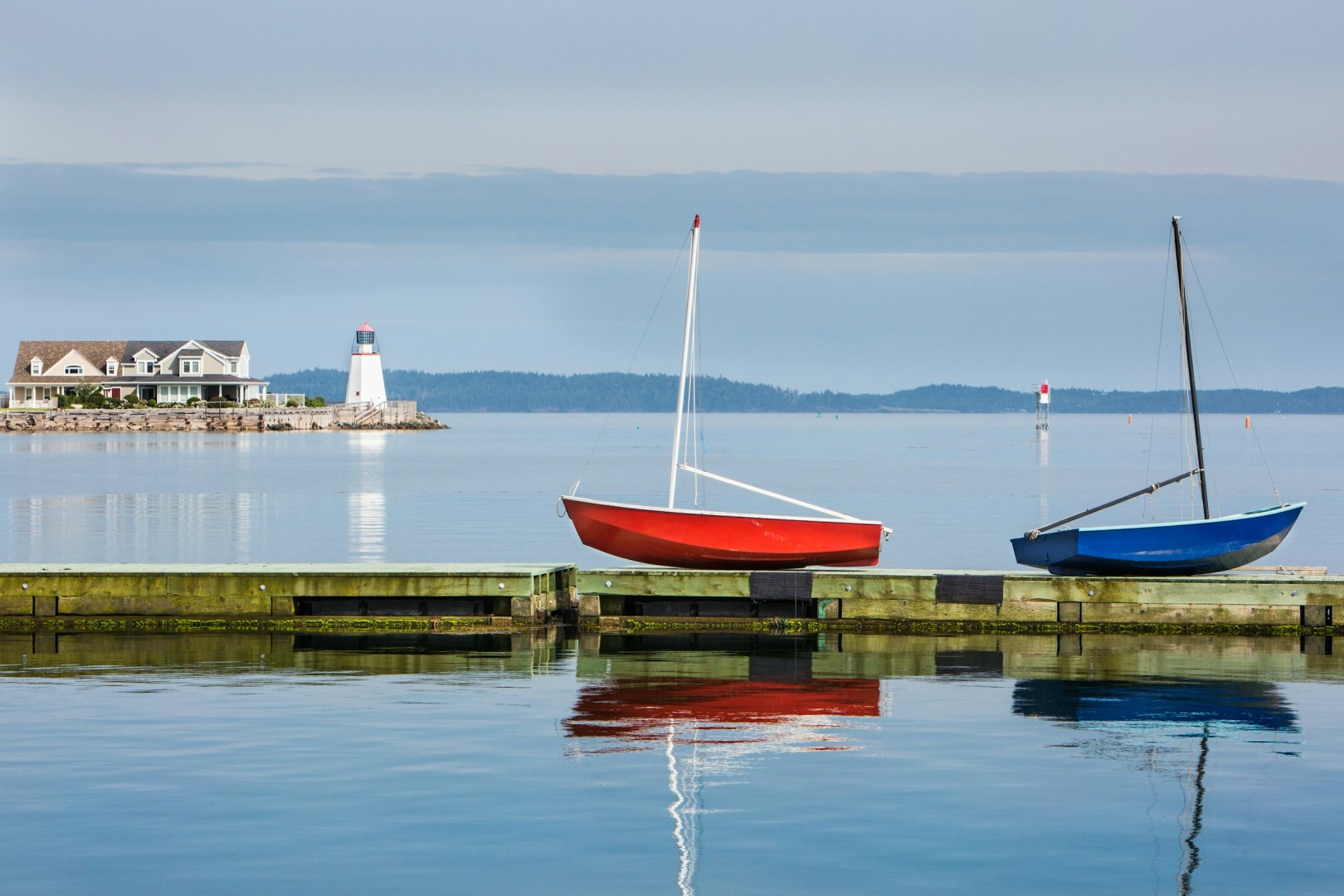
St. Andrews
Surrounded by Passamaquoddy Bay, St. Andrews' relaxed pace can be linked to the rhythm of powerful tides that can rise over 28 feet. The intertidal zone is an ever-changing landscape that nourishes a rich diversity of marine creatures. A guided walk over the tidal flats will prepare you to explore the area's many coves and islands.
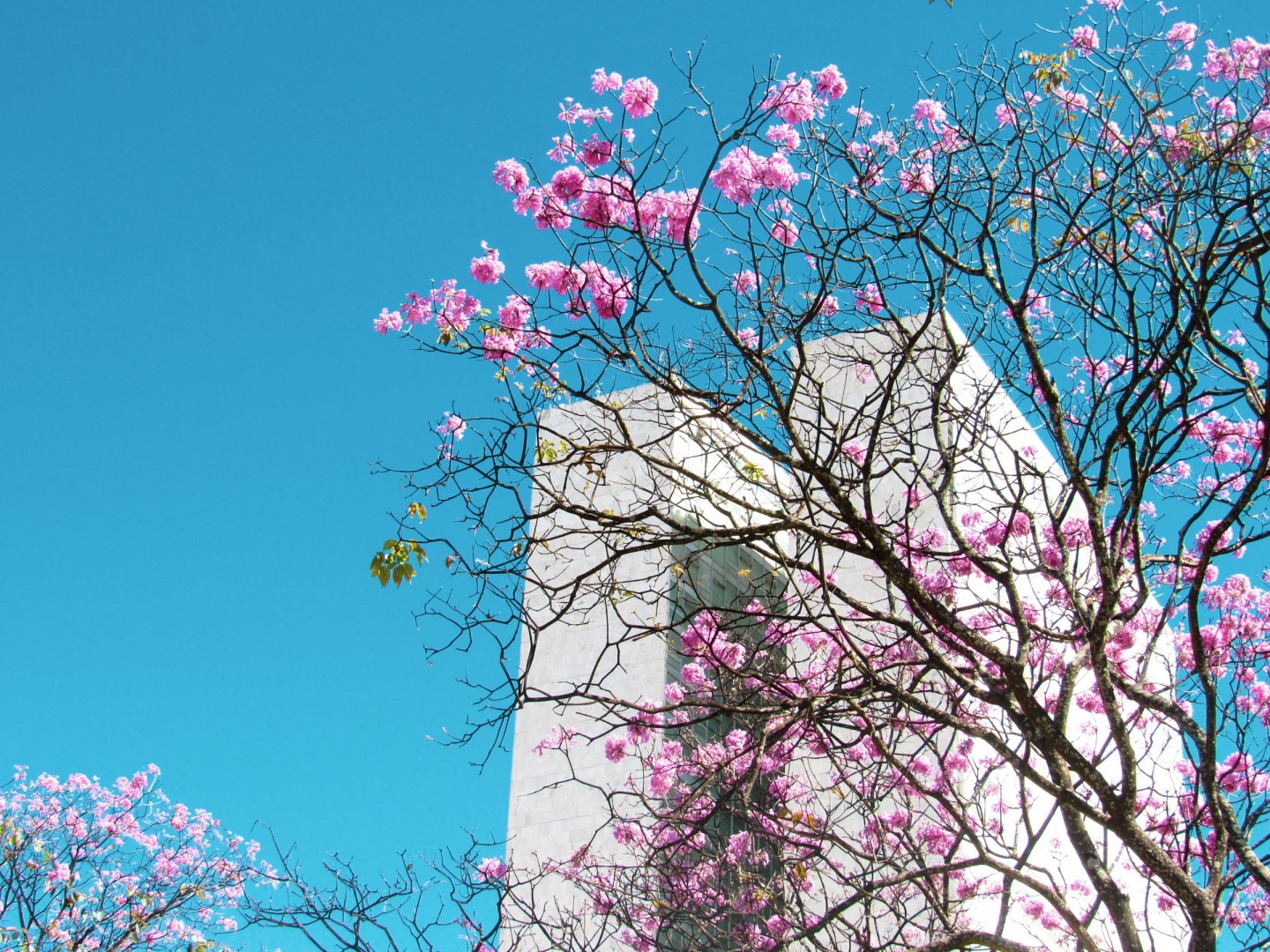
Brasília
Brasília may be a World Heritage Site, but it is only of interest to town planning and architecture students, and those keen to witness the folly of man on a metropolitan scale. It must have looked good on paper, and still looks good in photos, but in the flesh, forget it. Designed by architect Oscar Niemeyer, urban planner Lucio Costa, and landscape architect Burle Marx, the city was built in an incredible three years between 1957 and 1960.

Koblenz
This 2,000-year-old city, where the Teutonic Order founded one of its first commanderies in the 13th century, lies on the convergence of the Moselle and Rhine Rivers. Hop on a cable car, one of the city's most popular attractions, for stunning city-wide views, or cruise down the Rhine to spot some of Koblenz's magnificent fortresses and castles, including the Ehrenbreitstein Fortress and Schloss Stolzenfels.
