
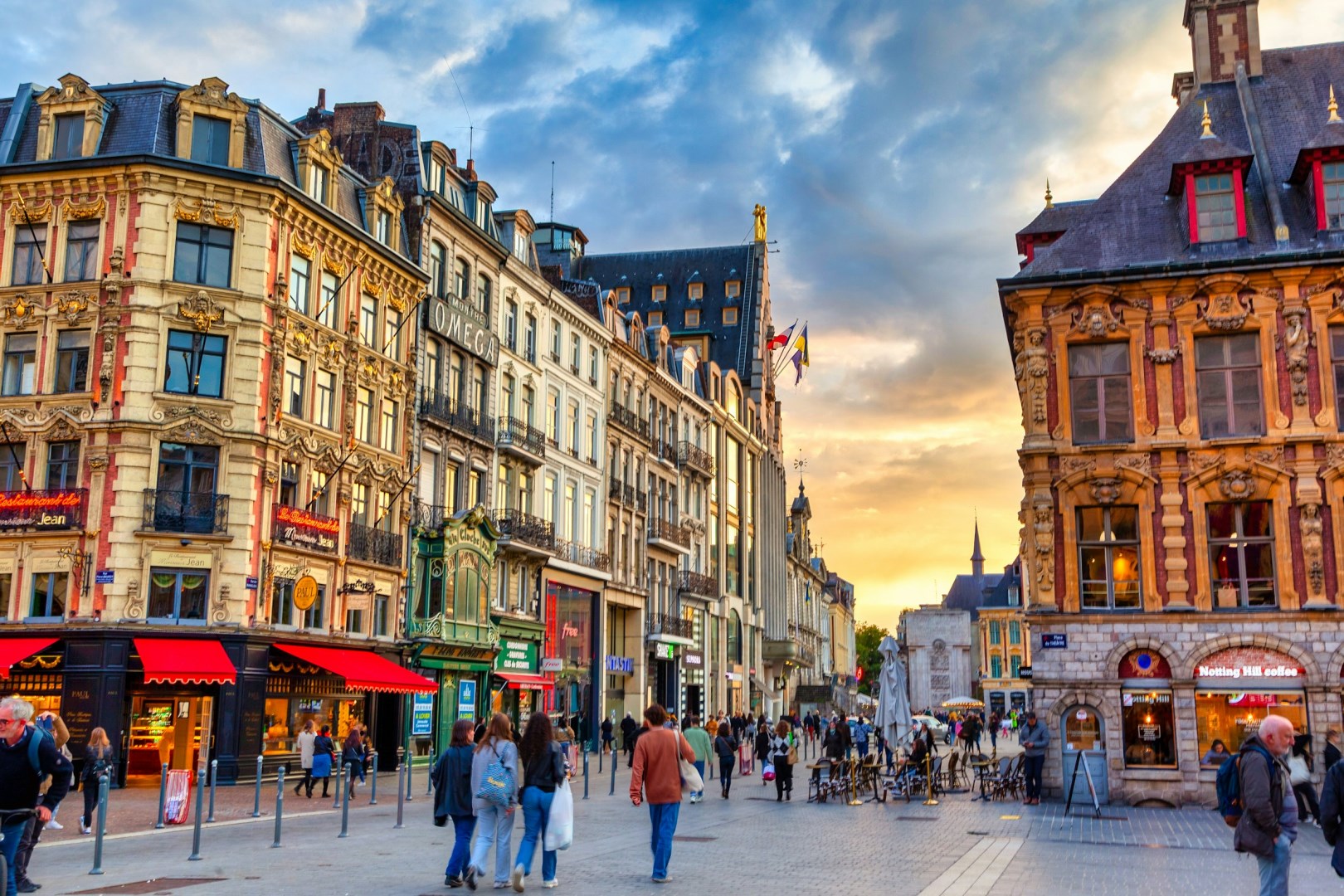
Lille
Lille, the lively capital of France’s Hauts-de-France region, is a city where Flemish charm meets French sophistication. Once an important industrial hub, Lille has reinvented itself as a cultural and artistic center without losing its historic character.
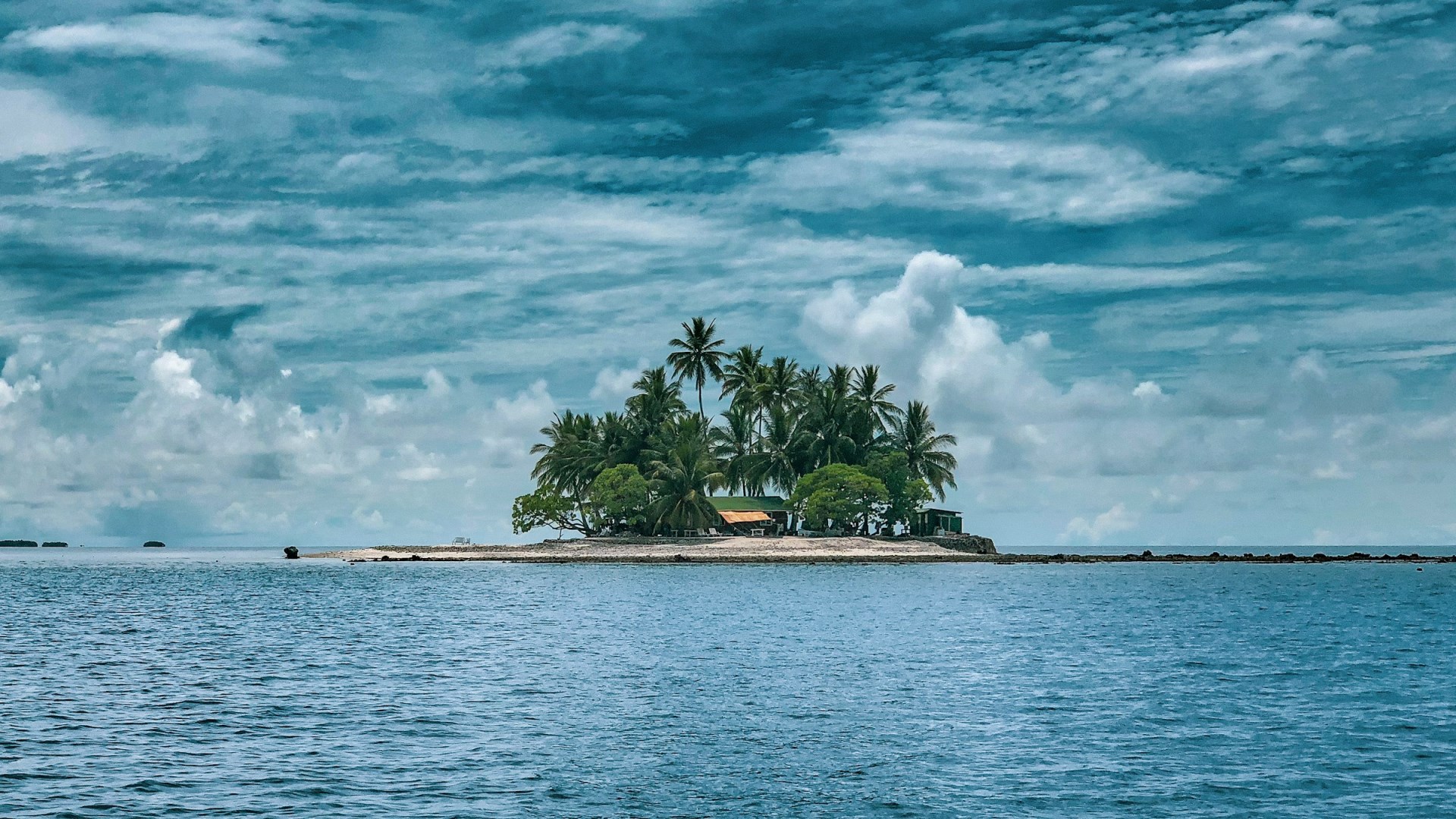
Weno
Weno is the largest island and administrative center of Chuuk State in the Federated States of Micronesia. It lies within the sheltered Chuuk Lagoon, a vast body of water enclosed by a surrounding reef and scattered with many smaller islands. Weno contains the state capital and serves as the main center for government, commerce, transportation, and services in the Chuuk Islands.

Lake Titicaca
Lake Titicaca, perched at over 3,800 meters above sea level, is the highest navigable lake in the world and a place where ancient stories still echo across the water. Shared by Bolivia and Peru, this lake has long been considered sacred by the Andean peoples. According to Inca legend, it was from Titicaca’s deep blue waters that the first humans were created. Today, the lake remains a center of cultural tradition, spiritual significance, and daily life for many who live along its shores.
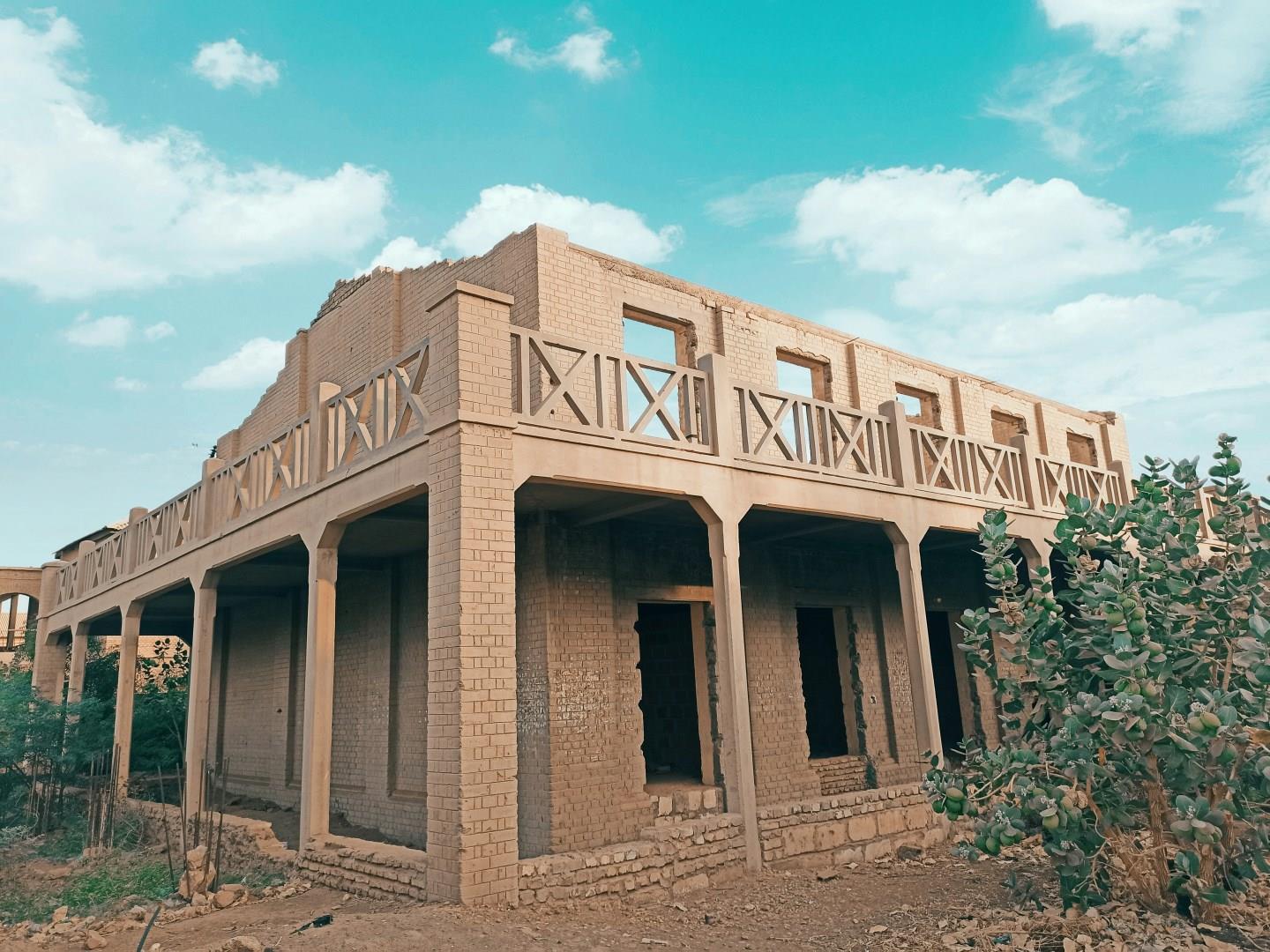
Sudan
Sudan, located in northeastern Africa, is a country of diverse landscapes, from the vast Sahara Desert in the north to the fertile Nile Valley in the center. The Nile River, one of the world’s longest, runs through the country, shaping both its agriculture and history.
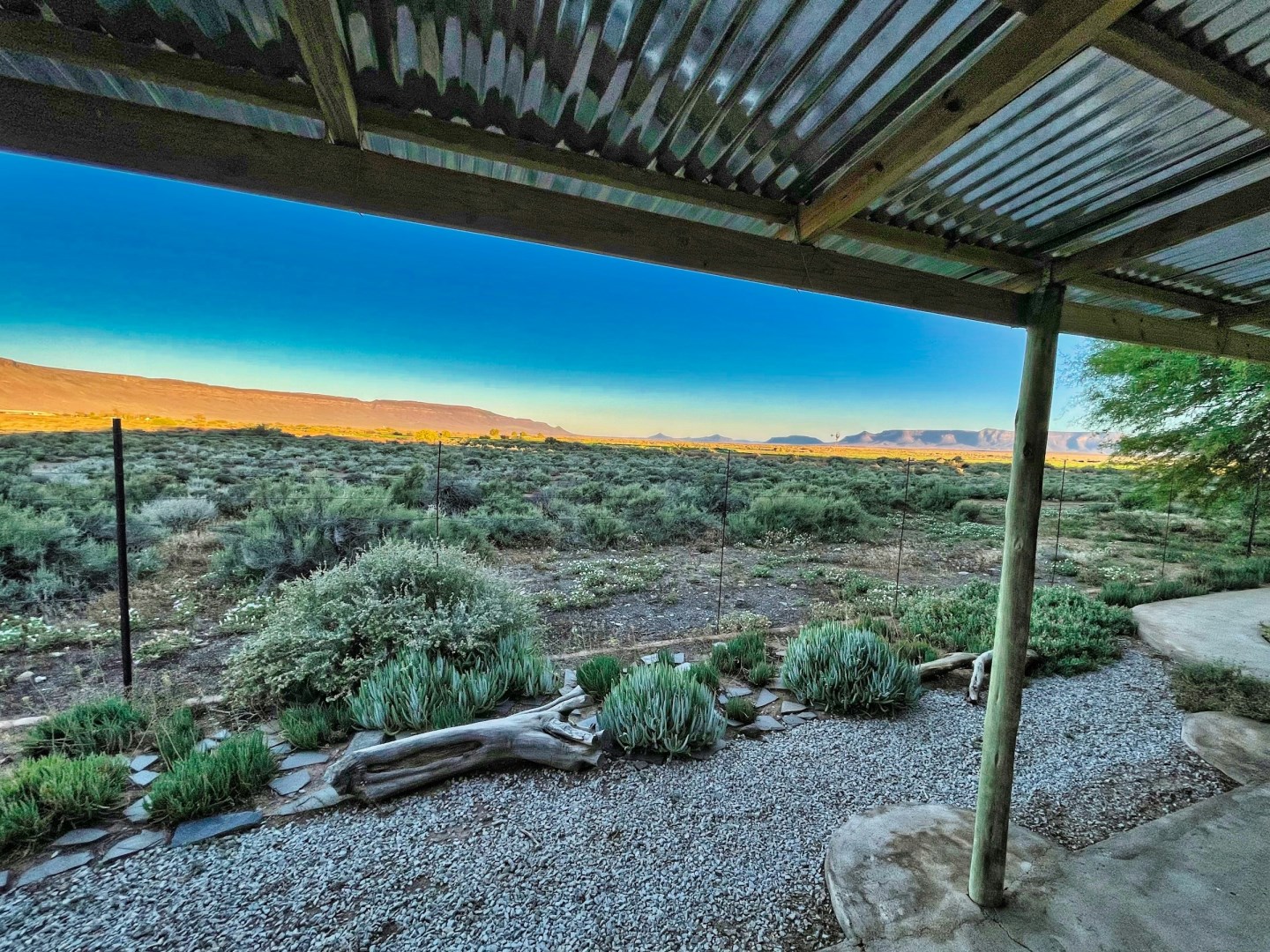
Calvinia
Calvinia is a small town in the Northern Cape’s Hantam Karoo, surrounded by a dry landscape of wide plains, rocky hills, and hardy shrubs. It serves as a regional centre for farming communities and is particularly associated with sheep farming and the production of Karoo wool. The town lies beneath the Hantam Mountain, a prominent local landmark that rises above the surrounding plains.
