
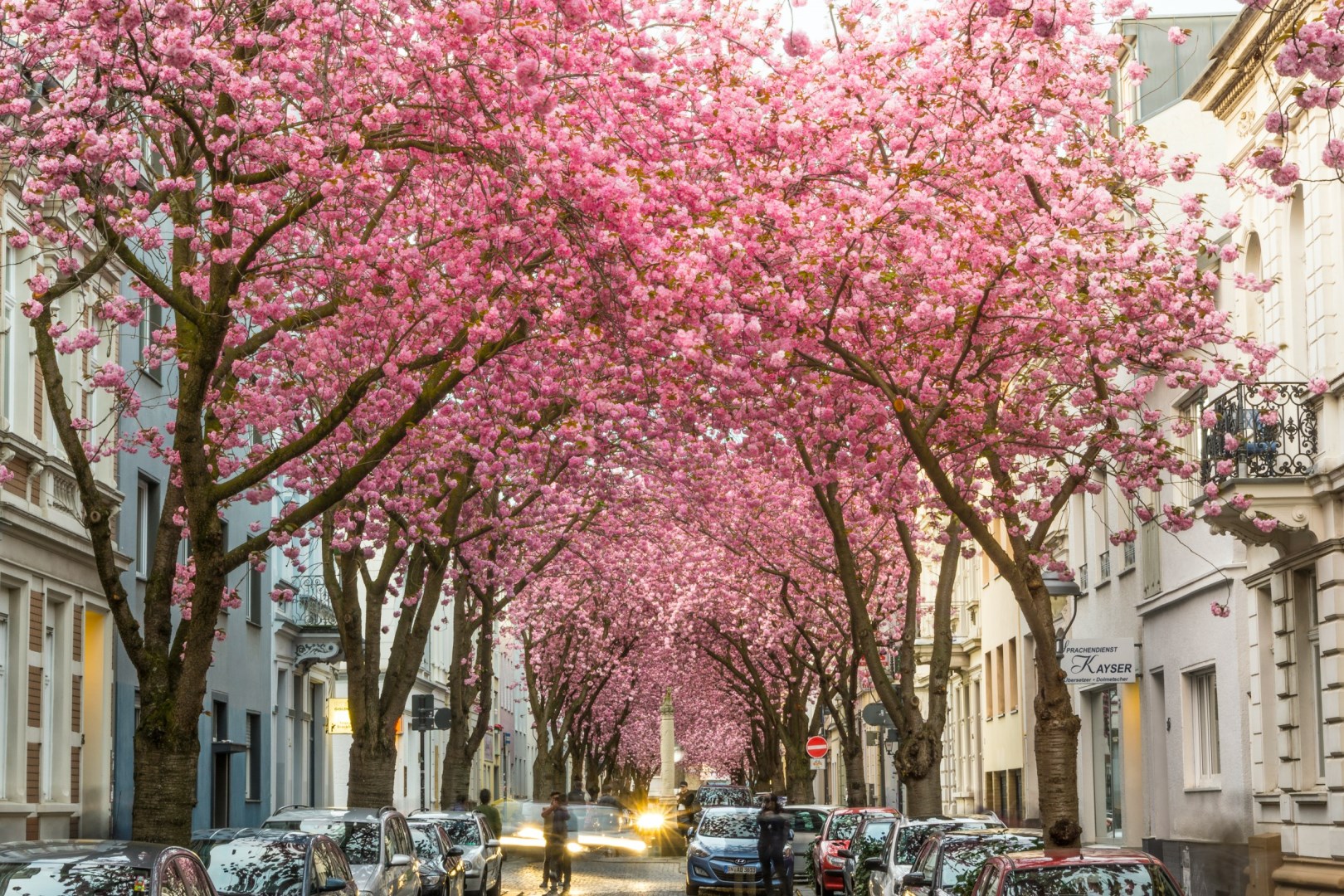
Bonn
Two thousand years have left their mark in Bonn, tracing its development from a Roman camp into the settlement known as "Villa Basilica," and on through the Baroque era's Electoral Palace, which today houses the University.

Dominica
Dominica, known as the “Nature Island of the Caribbean,” is a haven for eco-tourists and adventure seekers. Nestled between the French islands of Guadeloupe and Martinique, this lush island boasts a remarkable landscape of volcanic mountains, dense rainforests, and stunning waterfalls. Dominica’s most iconic natural wonder is the Boiling Lake, the second-largest hot spring in the world.
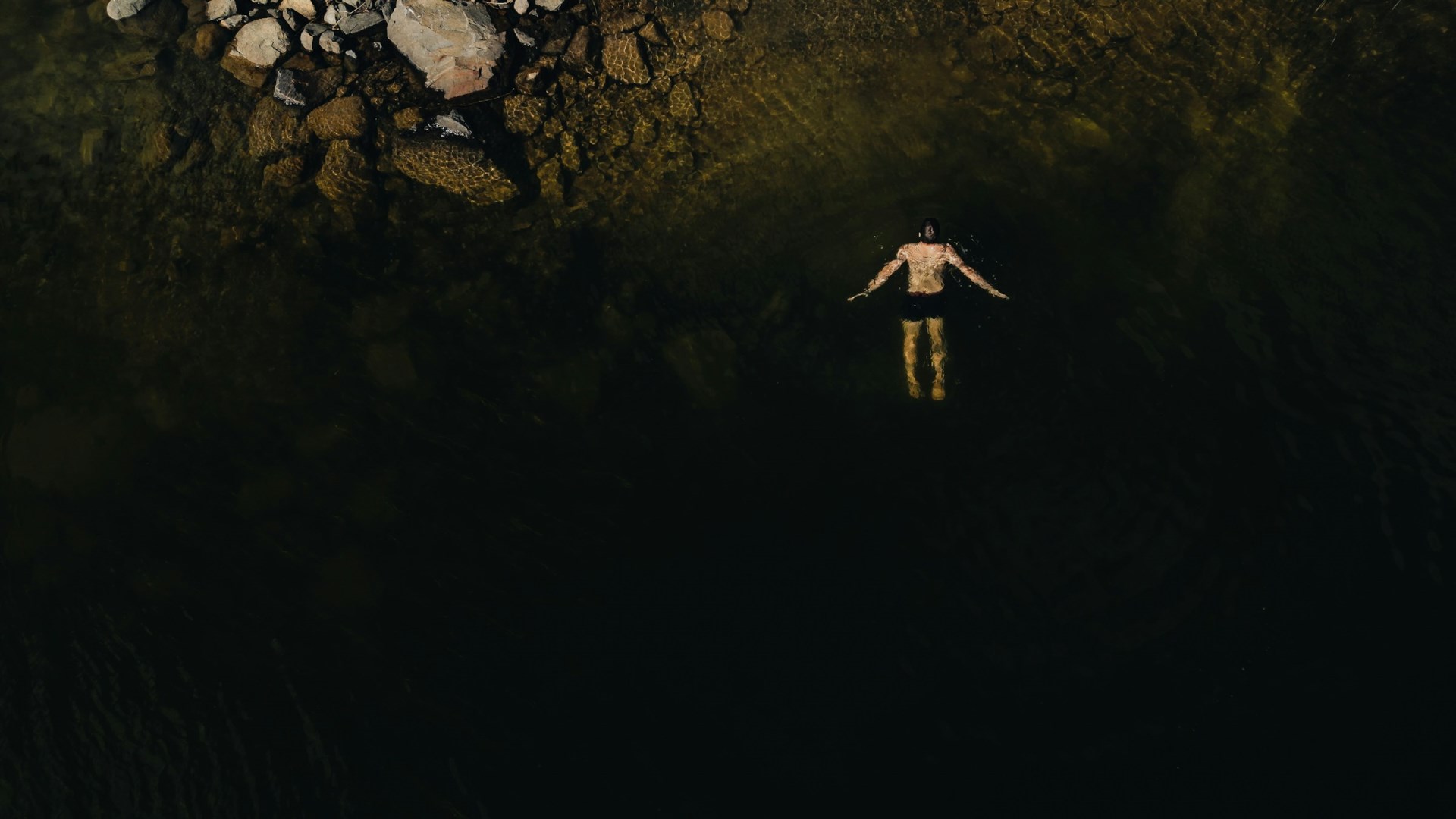
Yellowknife
Yellowknife is the capital of the Northwest Territories, set on the rocky northern shore of Great Slave Lake amid the forests and exposed Canadian Shield of the subarctic. The city developed around gold mining and later became the territorial centre for government, commerce, transportation, and northern services. Today, Yellowknife serves as a gateway to the wider Northwest Territories and the Canadian Arctic. Its location beneath the auroral oval makes the northern lights a defining feature.

Luján de Cuyo
Luján de Cuyo is a municipality in Mendoza Province, Argentina, located southwest of the city of Mendoza at the edge of the Andes. The area is closely associated with vineyards, irrigation channels, mountain foothills, and districts such as Chacras de Coria, Vistalba, Agrelo, and Cacheuta.

Tallinn
From grand castles to resplendent cathedrals, Tallinn’s Old Town neighborhood, a UNESCO World Heritage Site, is the perfect place to begin exploring. Enter through Viru Väravad, or Viru Gate, the former fortress whose remaining two towers beckon you into the heart of the city.
