
Konya
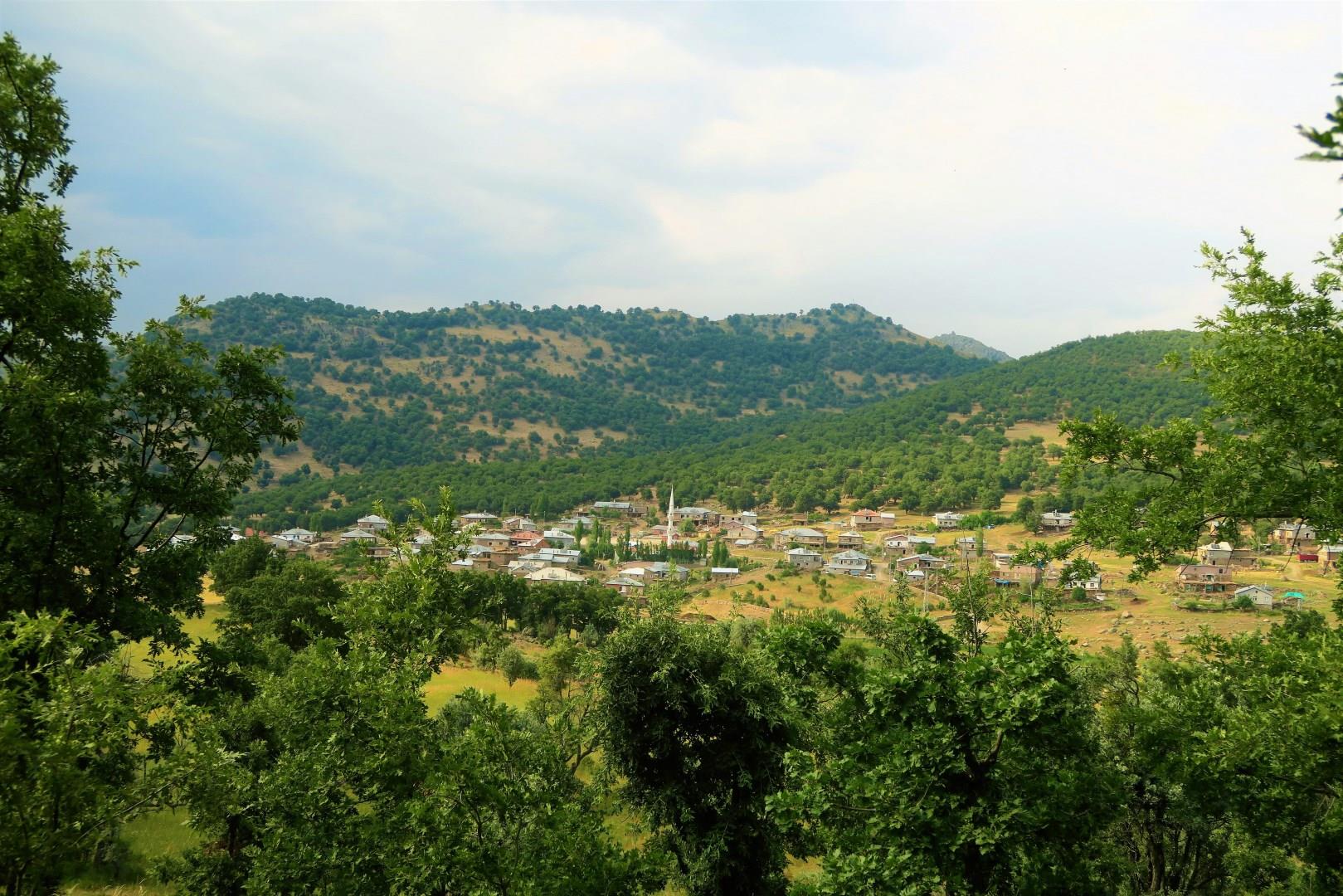
Konya has served as a spiritual center for centuries. Every December, the Şeb‑i Arûs festival marks the passing of Rumi, the Persian mystic, and draws Sufis and visitors from around the world to witness the Sema. Whirling dervish dance is performed to the sound of ney flutes and drums. In one of the country's most hushed and vivid traditions, performers spin in unison in flowing white skirts, a scene that blends meditation with graceful motion in a way found nowhere else.

Lombok
Lombok offers an experience that blends adventure, relaxation, and cultural discovery. Whether trekking volcanic peaks, lounging on secluded shores, or immersing in local traditions, visitors will find a destination that remains true to its natural and cultural roots.
Komodo Island
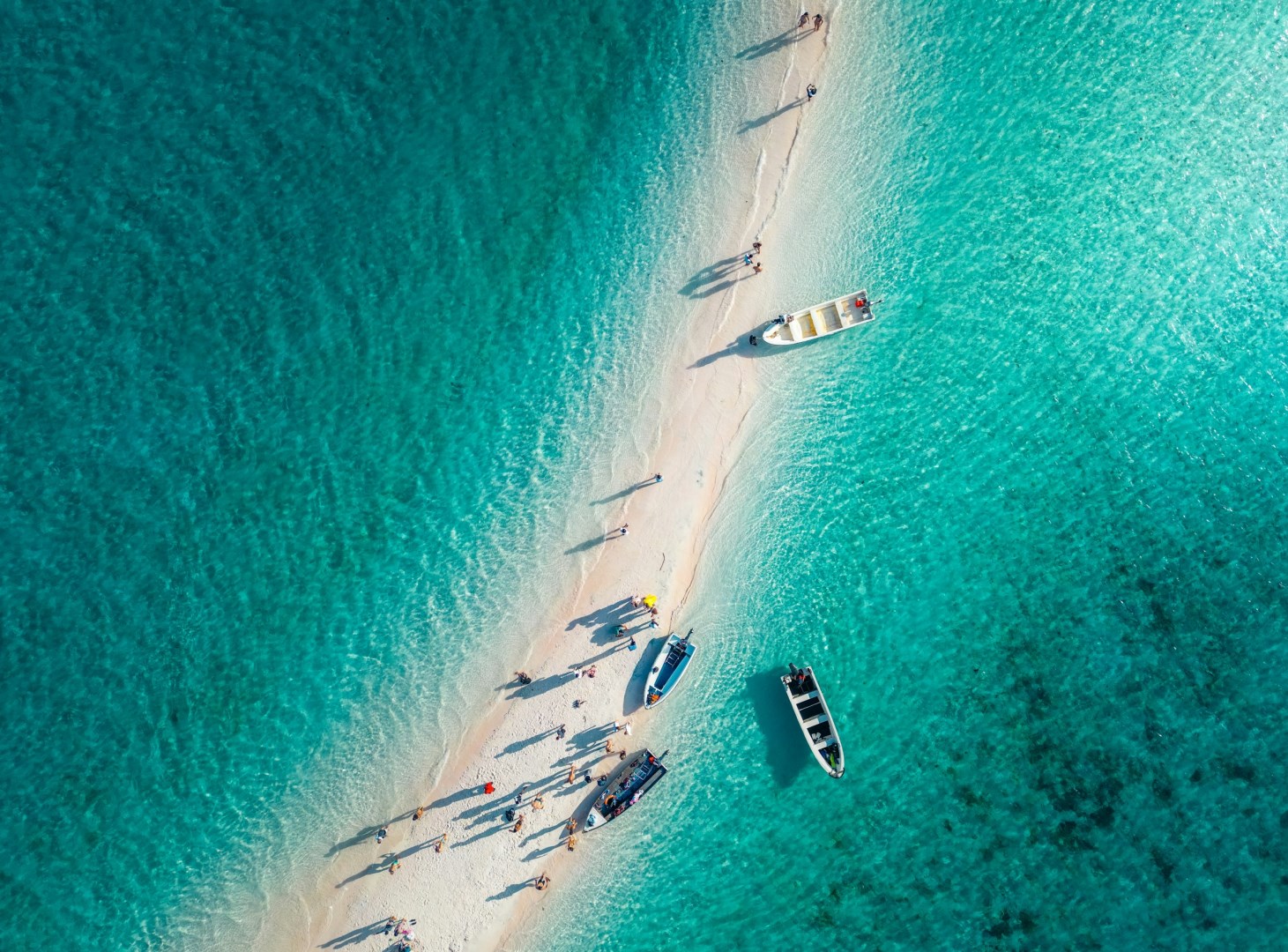
Komodo Island is famous for its Komodo dragons, the largest lizards in the world. These remarkable creatures, which can grow up to 10 feet long, roam freely on the island, offering visitors a rare chance to watch them in their natural environment.
Cayenne
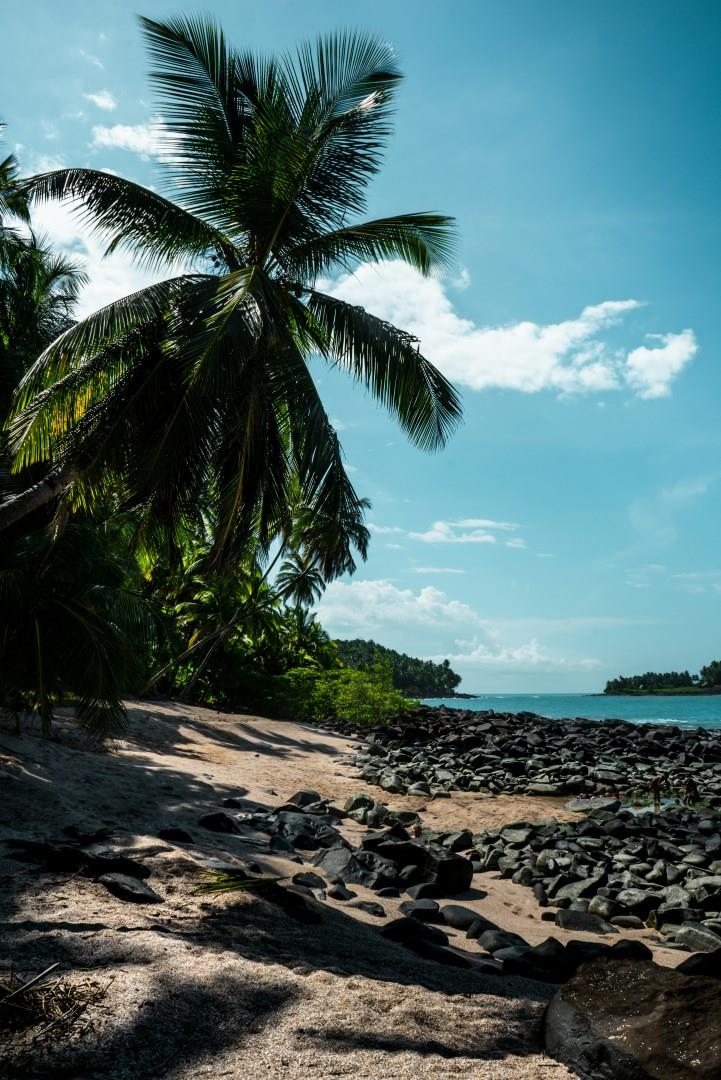
Cayenne, the lively capital of French Guiana, sits where the Cayenne River meets the Atlantic Ocean, blending South American rhythms with French-Caribbean influence. While it's officially part of France, Cayenne feels worlds away from Paris, with colorful markets, colonial architecture, and a language mix that includes French, Creole, Portuguese, and Indigenous dialects.

Valparaíso
Valparaíso, Chile, is a city that beckons travelers with its vibrant street art, steep hillsides, and bohemian spirit. Known as the "Jewel of the Pacific," Valparaíso's historical importance as a major port during the 19th century has left an indelible mark on its architecture and culture.
